“It’s like forcing women’s racing to always rely on the lifeblood of the men’s sport” - Grace Brown calls for end to shared race days at major Classics
Cycling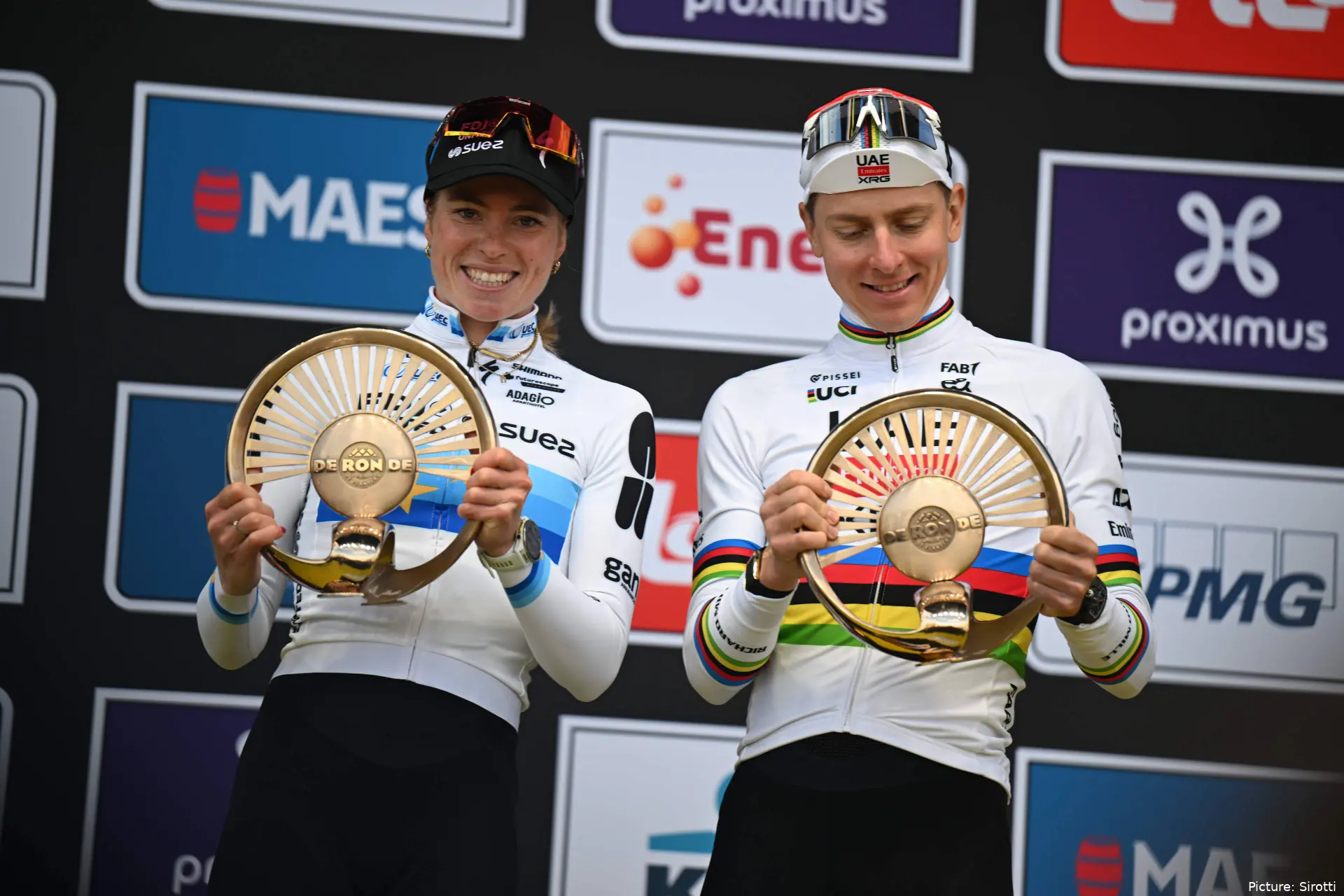
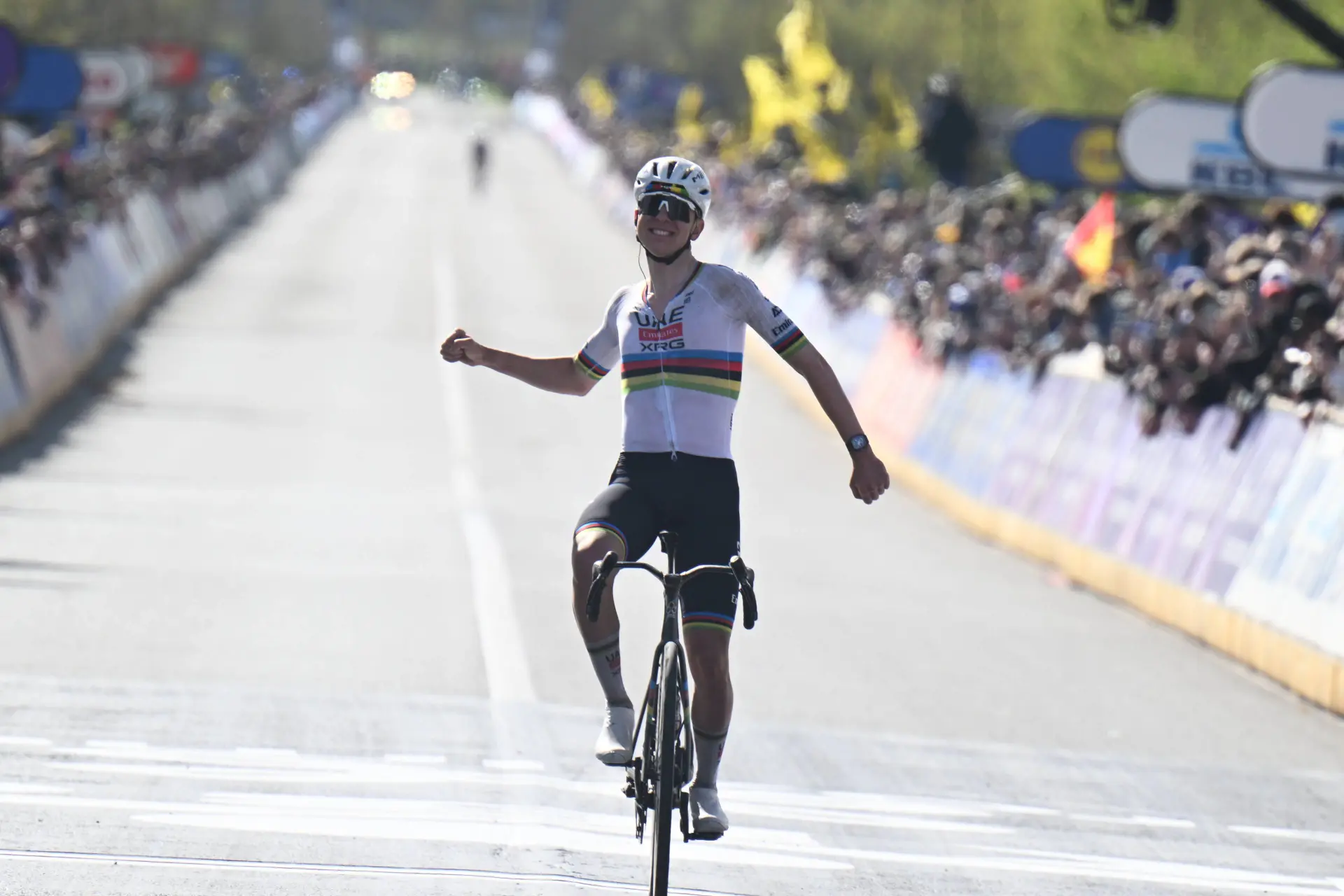
Two races, two standout winners, but still sharing the same stage. As Tadej Pogacar and Demi Vollering dominated the Tour of Flanders, former Olympic and world time trial champion Grace Brown questioned whether women’s cycling is still being forced to exist in the shadow of the men’s race, despite no longer needing it.
“It’s okay for now, but not a long-term solution”
Brown acknowledged that the current model brings short-term gains, particularly in visibility and broadcast flow. “I’d say it’s okay for now, but not a long-term solution if we want to see the sport continue to grow,” she says in conversation with SBS Sport. “There are some short-term wins. Fans supposedly stay roadside after watching the men’s race to also cheer the women’s race afterwards. They will keep watching on TV while the women feature during prime-time hours in Europe.”
That was broadly reflected in Flanders, where roadside crowds remained strong into the women’s race and TV audiences were carried across from one event to the next.
But for Brown, those benefits do not outweigh the longer-term limitations. “I feel like those arguments are a bit hollow, though, because I’ve raced both formats and the same-day approach does not always bring more attention.”
Crowds, timing and what actually works
The structure of the calendar has already shown what can change when the format shifts.
Brown pointed to the Ardennes Classics, where later start times for the women’s races brought a visible increase in attention. “Of course, not many fans are going to come out at 8am to watch the women and stay out all day to finally catch the end of the men’s race in the late afternoon. So yes, there was a noticeable difference when the schedule was flipped.”
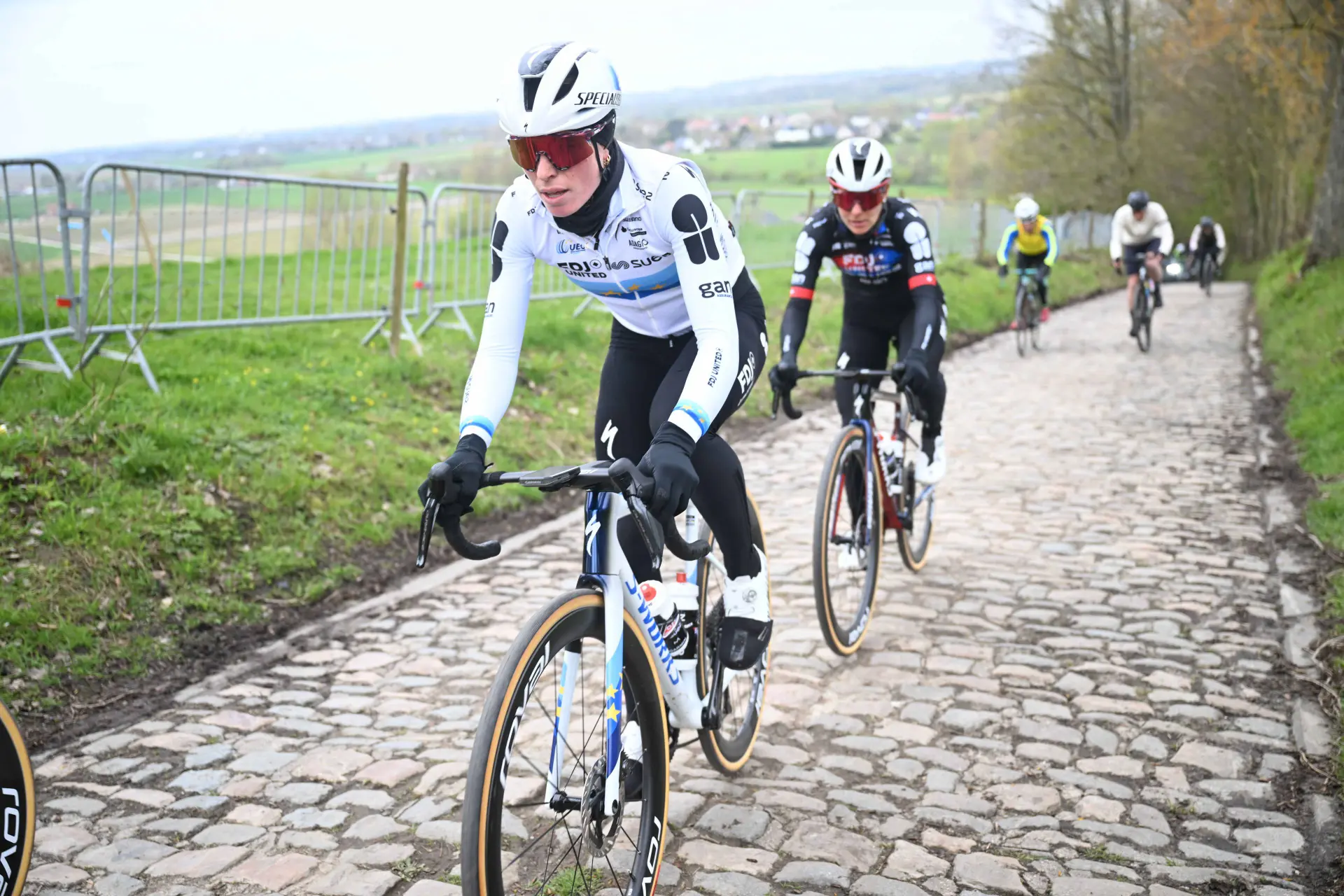
In Flanders, the contrast remains clear. The men’s race builds across the full day, while the women’s race, despite its quality, still sits in the shadow of what comes before and after.
Brown also highlighted previous editions in Paris where the races were split across the weekend. “We saw in the years that Paris featured the women’s race on the Saturday, followed by the men’s race on the Sunday, that crowds came out individually for both.”
“You deny them their own value”
At the centre of Brown’s argument is not just visibility, but identity. “It’s almost like when you put the women’s race following the men’s, you deny them their own value,” she said. “It’s like forcing women’s racing to always rely on the lifeblood of the men’s sport, even though it’s entirely capable of surviving on its own merits.”
That point lands harder in a race like Flanders, where the women’s event has developed its own depth, its own stars and its own tactical complexity.
Vollering’s solo move on the Oude Kwaremont decided the race in emphatic fashion, while the battle for the podium played out behind her between Puck Pieterse and Pauline Ferrand-Prevot. A race that, on another day, could have stood entirely on its own.
A missed commercial opportunity?
Beyond sporting value, Brown also sees a financial argument for change. “After all, if they can set up a good financial model, it could mean doubling the revenue opportunity over two days,” she said. “If we keep tied to the idea of having both events on the same day, we are really hindering the potential growth of women’s sport.”
At present, the overlap in broadcast windows remains another barrier. “At the moment, fans can’t watch both races independently because their airtime is overlapped.”
That was again evident in Flanders, where attention is inevitably split rather than fully concentrated on each race.
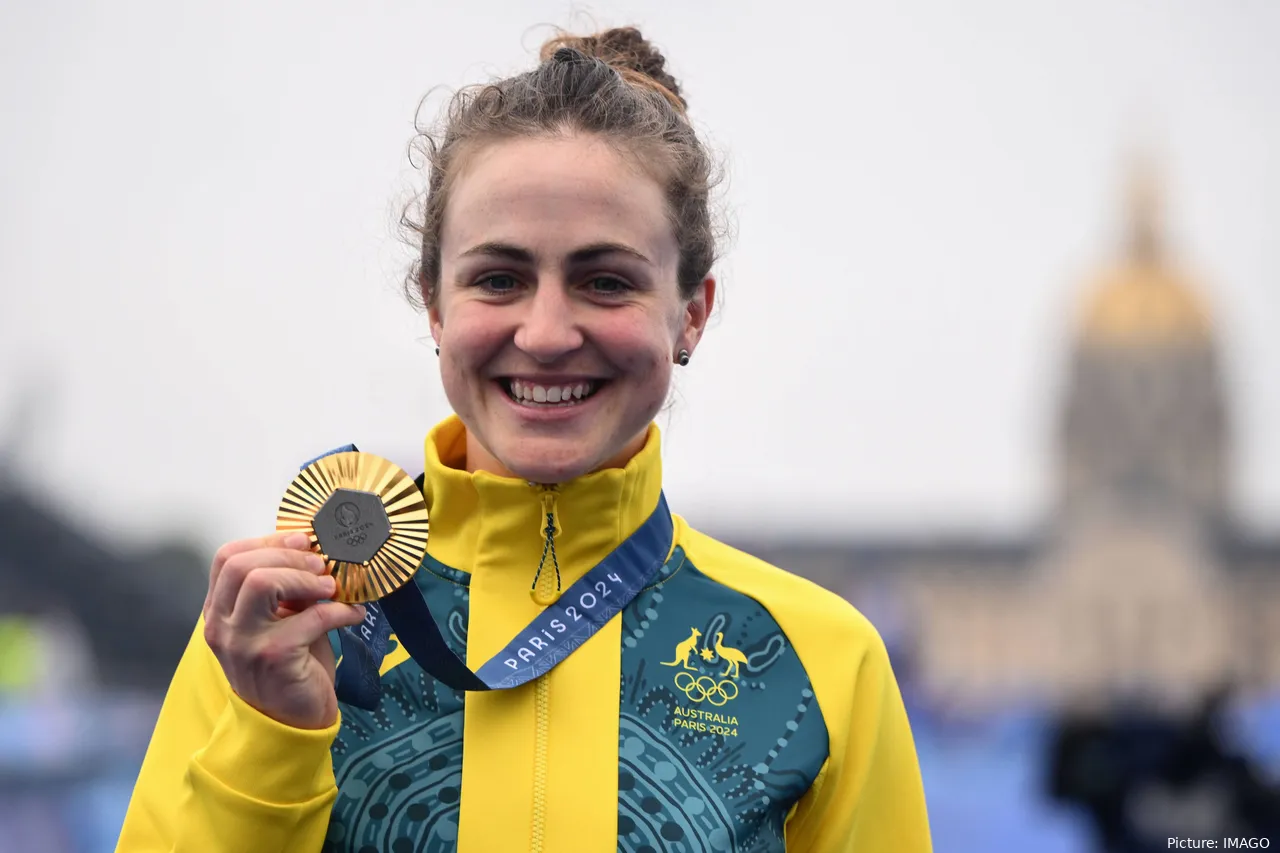
Grace Brown took a gold medal in the women's elite time trial at the 2024 Paris Olympic Games
A sport ready to stand alone
For Brown, the conclusion is not about diminishing what shared race days have achieved, but recognising what comes next.
“The women’s Classics are no longer an afterthought. The racing is world-class, the riders are box office, and the audience is there when you give them reason to show up,” she said. “The question is whether race organisers are brave enough to back that standalone bet. Shared race days got us here. They shouldn’t be the ceiling.”
After a weekend where both editions of the Tour of Flanders delivered in their own right, the question is no longer whether women’s racing can stand alone, but whether it will be given the space to do so.
Is the move to have the women's classics the same day as the men's hindering the growth of women's cycling?
— SBS Sport (@SBSSportau) April 6, 2026
🎙️ Unclipped with Grace Brown | Listen via your podcast app pic.twitter.com/rCO9cykP6u

Kieran WoodDeputy Editor-in-Chief
Kieran Wood is a sports journalist based in Wales and has been active in journalism since 2022. He regularly contributes to DartsNews.com and CyclingUpToDate.com, where he covers professional cycling and darts. In cycling, his work includes liveblogs from major races, including the Tour de France, the Giro d’Italia, and La Vuelta a España, alongside race reports and analysis. He has also conducted interviews with professional riders.
His reporting spans the full racing calendar, from one-day classics to stage races, with a focus on accurate, real-time coverage and clear contextual analysis. For statistics, results, and historical context, he regularly uses resources such as ProCyclingStats. To support reporting on rider activity and training context where relevant, he also references Strava.
In his work, Kieran places strong emphasis on careful sourcing, editorial accuracy, and updating articles as new, verified information becomes available.
claps 0visitors 0
Just in

Popular news
Latest comments
- I've had C7 issues my entire riding life some of which were road racing and it had zero affect on me or my positioning and I didn't even top notch massage people to work me over !frieders327-10-2026
- I like the fact that this non-news item has garnered so much response from the fans. It implies that Tadej's comeback is highly anticipated, even though many pundits say his dominance is bad for the sport.FredMan27-10-2026
- As a WvA, Pidders and MVDP fan, I friggin love this.anonymouscyclist27-10-2026
- Despite his crash, Jonas gave us some edge-of-seat stages in the first two weeks of the 2024 Tour, and even came back to beat Pog in one stage. In 2025 he said he felt like a new man and came out swinging. It's just this year that his challenge fizzled after Stage 1 and fans began to boo Tadej. It's more likely that ASO just can't face waiting two weeks for Jonas to launch his challenge next year.Hills3327-10-2026
- Bummed to see an Austrian guy not make it on what is nominally (ok ok not really) a German team. He didn't have a good 2026, and I hope that he finds his footing at Bardiani. They've got a long history of excellent coaching and development.RidesHills27-10-2026
- Subject to the top riders DNS DNF or sick/crash.abstractengineer27-10-2026
- Pogi has no challenger since 2024. Jonas is one level below, Remco has no balls, Sexias is too young. Whether ASO acknowledge or not is immaterialabstractengineer27-10-2026
- People keep referring to Pogačar and mountain-top finishes, and sure, he's succeeded on those often enough. Thing is, he succeeds on mountains, period. How often has he attacked on a climb, made time on the descent, and added time on the flat run in to the final? Often enough that they'd have to remove mountains for it not to be a Pogačar route. And then they'd have hills, and the guy who has won Flanders 3 times isn't going to suffer there, either. So if you remove those they have sprints and TTs, and last year he was mixing it up in a few sprints, as well. So, yeah, good luck folks. Let's see how he recovers before we make too many other claims. The seasons from 2024 to 2026 are three of the top 10 best cycling seasons ever (Merckx has something like 5 of the remaining), and I'm going to predict that 2027 is going to be up there with them.RidesHills27-10-2026
- The US has gone through a long convoluted process of defining how athletes can make money off their "Name, Image, and Likeness," and I see the point that Pederson and the other athletes are making here. Also, how very Mads Pederson to say, "Everyone has seen the somewhat tacky advertisements." You can almost see that sly smile on his face when he says it.RidesHills27-10-2026
- Vine coming from his background and then succeeding on a team full of superstars, so great. He's got solid wins (GC and TT), would be even more successful in the TT if he didn't live in the era of Ganna and Evenepoel, and seems to have a thing for the Vuelta. Aren't something like 1/3 of his wins there? (Checks procyclingstats - yes, 5 of the 14) Great guy, and I wish him all the success he can find!RidesHills27-10-2026
Loading
Write a comment