“Then there is nothing to fail at” - Tom Pidcock reveals pressure-free Tour de France mindset as Grand Tour ambitions grow
Cycling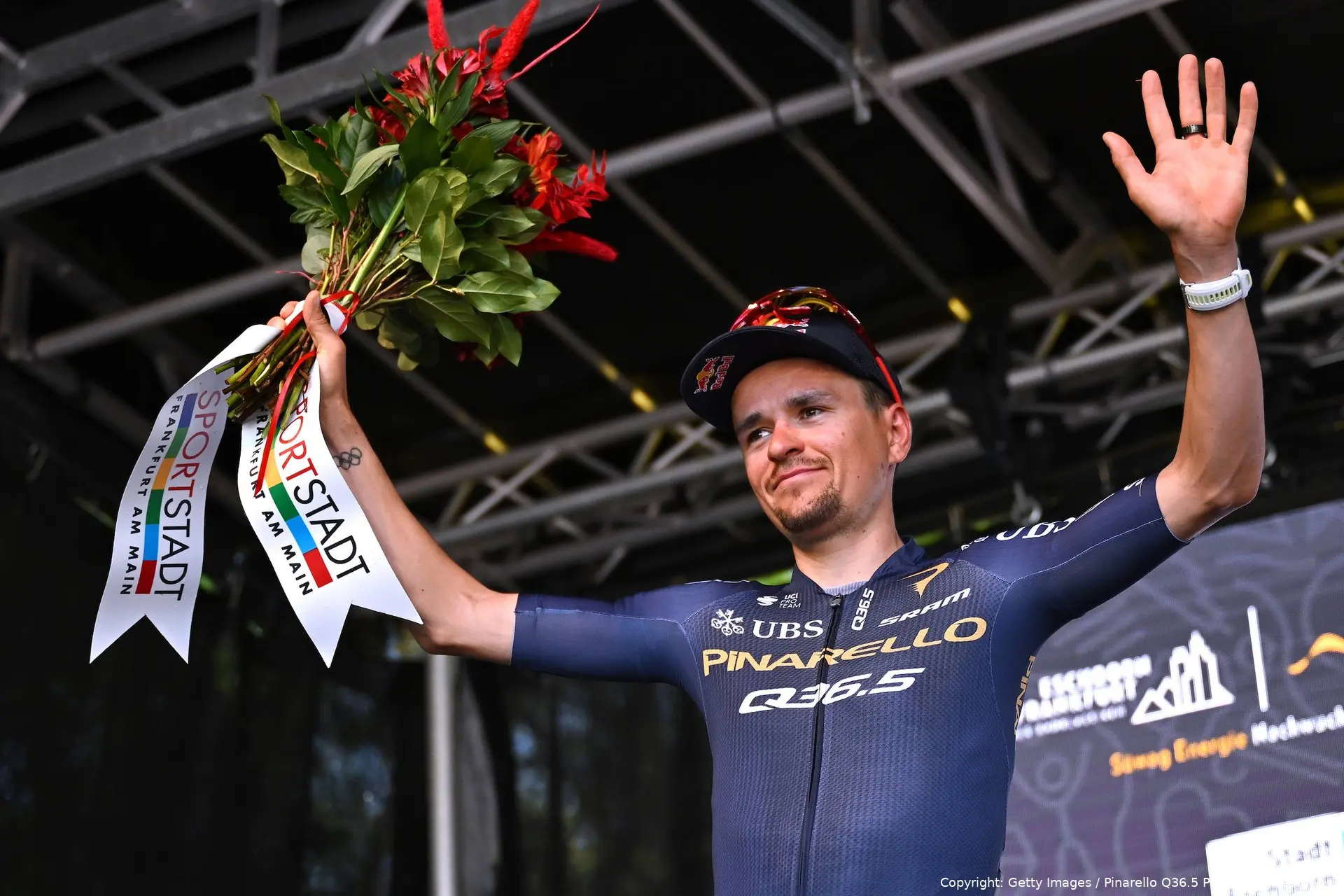
Tom Pidcock’s return to the Tour de France comes with more expectation than ever, even if he is doing everything he can to avoid placing it on himself.
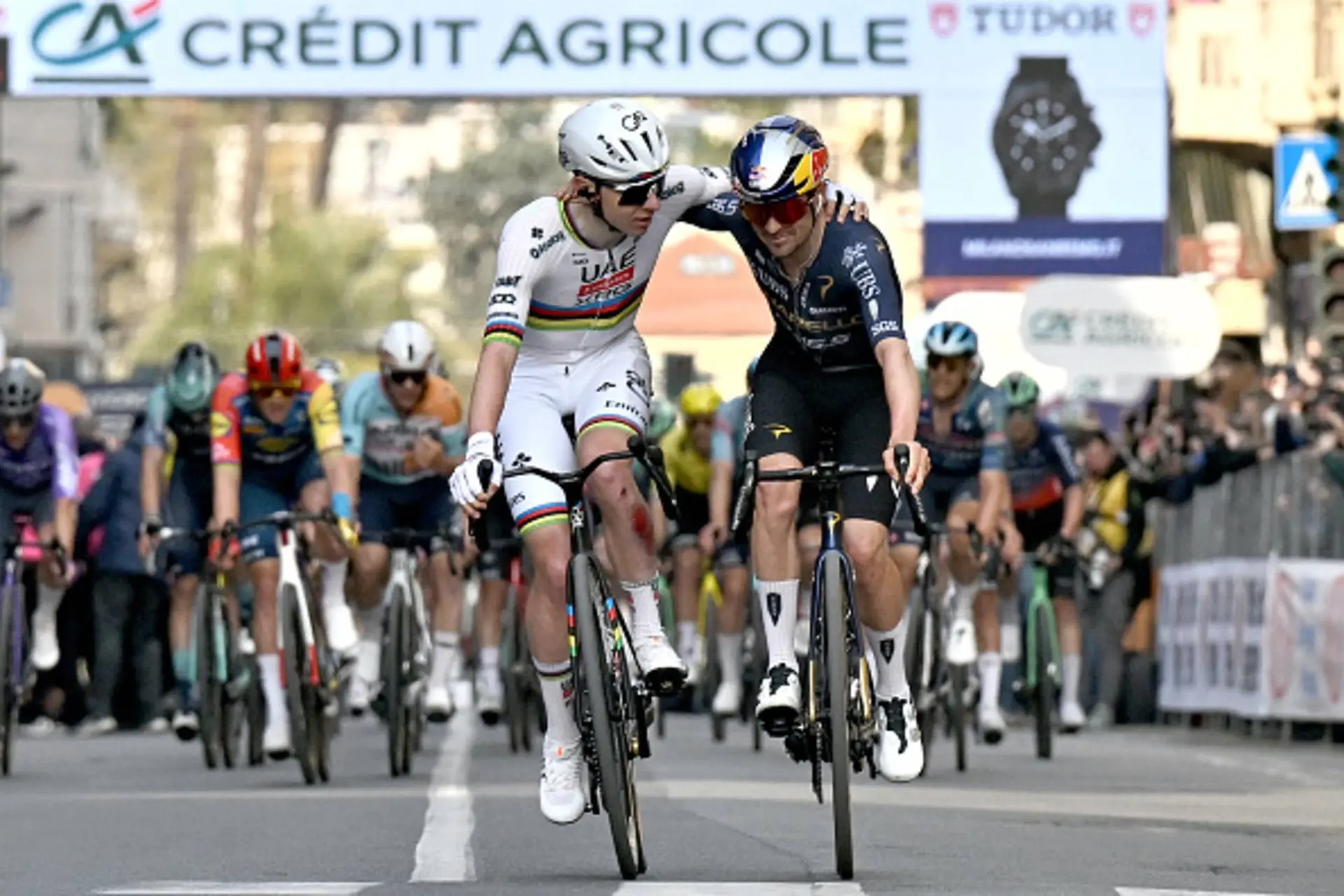
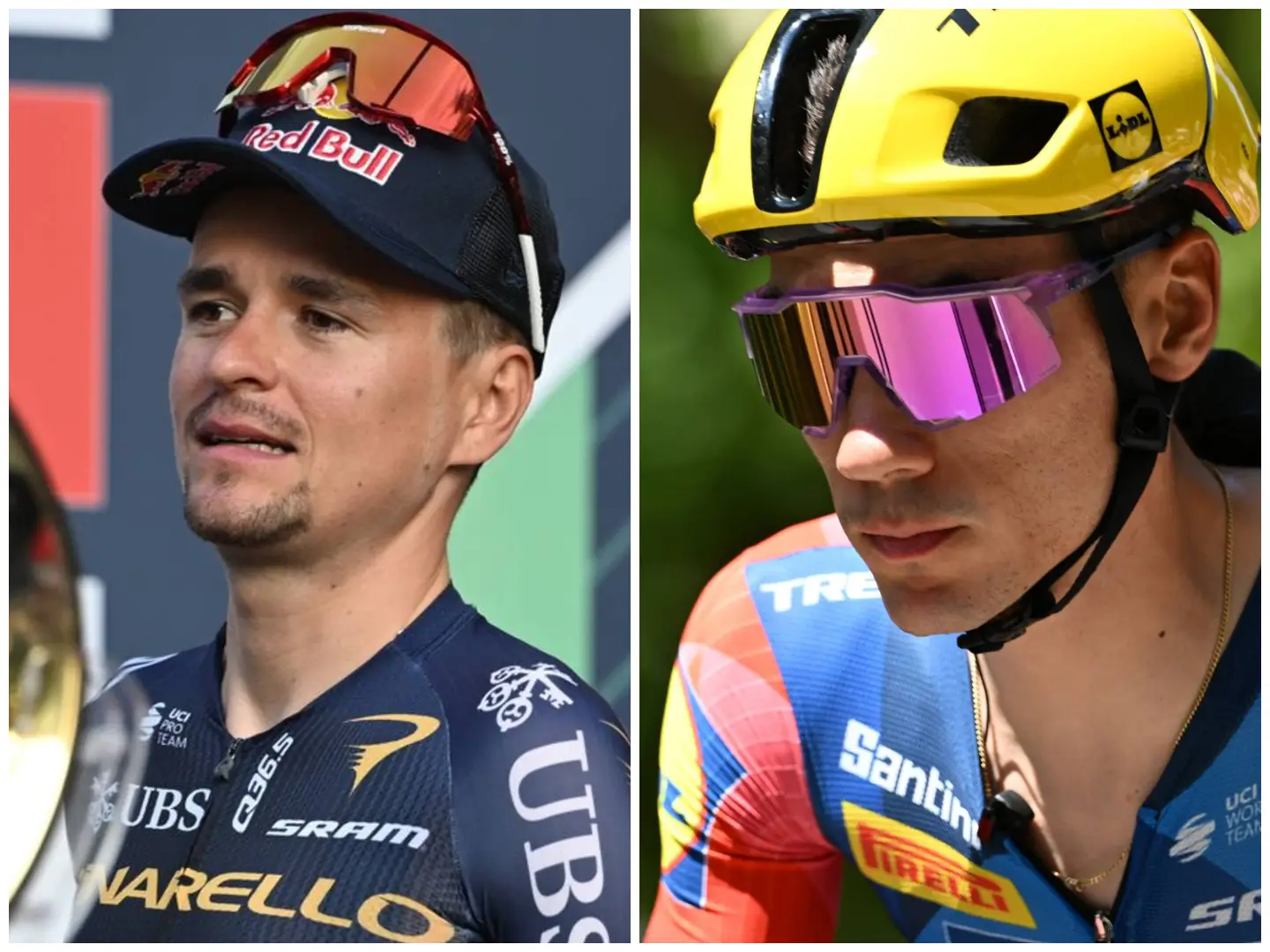
The 26-year-old is no longer arriving only as a stage-hunting wildcard. His third place at the 2025 Vuelta a Espana changed the shape of the discussion around him, while his move to the Pinarello Q36.5 Pro Cycling Team has made him the face of a team building towards its biggest July yet. Pidcock has already won on Alpe d’Huez, stood on a Grand Tour podium and pushed Tadej Pogacar to within centimetres at Milan-San Remo this season. That makes his latest Tour approach all the more striking.
Speaking on Frodeno’s Going Mental podcast, Pidcock made clear that he does not want July reduced to a fixed target before the race has even started.
“This year I’m not going with any expectations,” Pidcock said. “I want to race, and I want to have fun, and the rest will come. If I’m not saying, ‘Okay, I want to win a stage, I want to podium, I want to be top five,’ or whatever it is, then there is nothing to fail at. I have to enjoy to perform. I’m not the person who can perform off anger.”
Pidcock avoids setting a Tour trap
Pidcock’s Tour de France history already contains one career-defining high. His 2022 victory on Alpe d’Huez remains the road result most closely attached to his name, a win that underlined his climbing talent, descending skill and ability to thrive on the biggest stage.
Three years later, the context is different. His Vuelta podium means the Tour conversation around him no longer stops at whether he can win a stage. A top-five challenge, another Grand Tour podium or a more open, opportunistic race are all now part of the wider picture. Pidcock is not feeding that conversation with a public target.
The Tour also carries a weight few other races can match. Pidcock has felt both sides of it: the rush of performing when everything clicks and the pressure of answering questions when form or feeling does not match the outside noise.
“The Tour is such an intense place,” he said. “The spotlight and the media pressure and the questions. You feel good and then maybe you do rubbish, or you feel really bad and people are asking if you are one of the favourites for the day. If it is not going well, it is miserable. It is not a nice place. But it is the biggest race in the world. It is the coolest race in the world. It is the race I grew up watching. When it goes well, there is not a better place to perform.”
Vuelta podium changed the picture
Pidcock has long been one of cycling’s most versatile riders, with Olympic mountain bike golds, a cyclocross world title and major road victories already on his palmares. The Vuelta added something different: proof that he could stay locked in across three weeks.
That challenge has not always suited a rider built around explosive targets, technical skill and constant stimulus. “To be that focused for three weeks is not a simple thing to do. Especially for someone like me. I like having stimulus all the time. I like being excited,” he said.
The result in Spain did not outweigh his Olympic titles on paper, but Pidcock viewed it as a major personal breakthrough. “It was massive for me,” he added. “It was not my biggest achievement on paper, but if you actually looked at it objectively, for me, that I concentrated and I was there for three weeks was a massive thing.”
That is the backdrop to his Tour return. Pidcock now knows he can hold a Grand Tour together. The question is how far that can travel in a race where Pogacar, Jonas Vingegaard and Paul Seixas are expected to dominate the wider GC debate.
A different story at Q36.5
Pidcock’s move away from INEOS Grenadiers has also altered the emotional weight around his results. At Pinarello-Q36.5, every step carries the feeling of a team pushing upwards rather than a super-team trying to meet expectation.
“Everyone around me believes in me, supports me,” he said. “We’re all in this mission together, in a mission to just be as good as we can be. It makes every little success a success, whereas in another team it would just be expected. Creating a story, basically, is what I’m trying to say. It’s not just about the performance and the winning.”
That line fits neatly with his Tour mindset. Pidcock is not trying to remove ambition from July. He is trying to remove the trap of measuring the whole race against a target announced before stage one.
The results will still decide how his Tour is judged. But Pidcock starts this one with a Vuelta podium behind him, a team shaped around him and a clear view of how easily the sport’s biggest race can turn from dream stage to miserable pressure cooker.

Kieran WoodDeputy Editor-in-Chief
Kieran Wood is a sports journalist based in Wales and has been active in journalism since 2022. He regularly contributes to DartsNews.com and CyclingUpToDate.com, where he covers professional cycling and darts. In cycling, his work includes liveblogs from major races, including the Tour de France, the Giro d’Italia, and La Vuelta a España, alongside race reports and analysis. He has also conducted interviews with professional riders.
His reporting spans the full racing calendar, from one-day classics to stage races, with a focus on accurate, real-time coverage and clear contextual analysis. For statistics, results, and historical context, he regularly uses resources such as ProCyclingStats. To support reporting on rider activity and training context where relevant, he also references Strava.
In his work, Kieran places strong emphasis on careful sourcing, editorial accuracy, and updating articles as new, verified information becomes available.
claps 0visitors 0
Just in

Popular news
Latest comments
- Firstly, someone who says parenting is babysitting is delusional and shouldn't be taken seriously. Secondly, with pro athletes it is not the same as a normal worker. They are being rewarded for doing something for which they have a talent which doesn't actually help people (besides inspiration). It's quite a different dynamic
 Rafionain-Glas12-10-2026
 - only way for him to effectively learn to microdose is to go to uae. other than that there is no reason for him to go to uae.whkman12-10-2026
- that was a great win, and quite a surprise at the time. That was a loaded field, and he held of Valverde for the win. Still shocking that Valverde never won Lombardia. He seemed perfect for it. Mollema just went to work every day.mij12-10-2026
- I hope he races Volta a Majorca. We'll really be able to see if he can do one-day-races (but do they count?)Rafionain-Glas12-10-2026
- See, you can write a sensible comment without just slagging off everyone else! Well done!👏😆 🫣Lozza12-10-2026
- Seixas best chance is obviously UAE. They are the best team in history of the sport and they developed pogacar into the goat. They also developed Del Toro to be nr 2 in world. Seixas would become unstoppable at UAE. Lets see if Seixas stays at decathlon but if UAE comes knocking its impossible to say no. Barcelone and real madrid combined into one team, thats UAE in cycling it feels like..miguel12-10-2026
- I think he does or goes to whichever team gives him the scope to become the rider everyone thinks he'll be when Tadej stops.. that simpleslappers6612-10-2026
- I remember at one time he was mentioned in the same breath as Seixas. no more. Onley has a lot of work to do to be deserving of that.mij12-10-2026
- I hope he goes to Bahrain-Victorious to mentor JakobRafionain-Glas12-10-2026
- I hope he stays! Cycling is more fun with Primoz, even if he is not winning.mij12-10-2026
Loading
Write a comment