Tejay van Garderen suggests Jonas Vingegaard is ‘ducking and dodging’ Tadej Pogacar with Giro debut – “At the last two Tours, Jonas wasn’t even close”
Cycling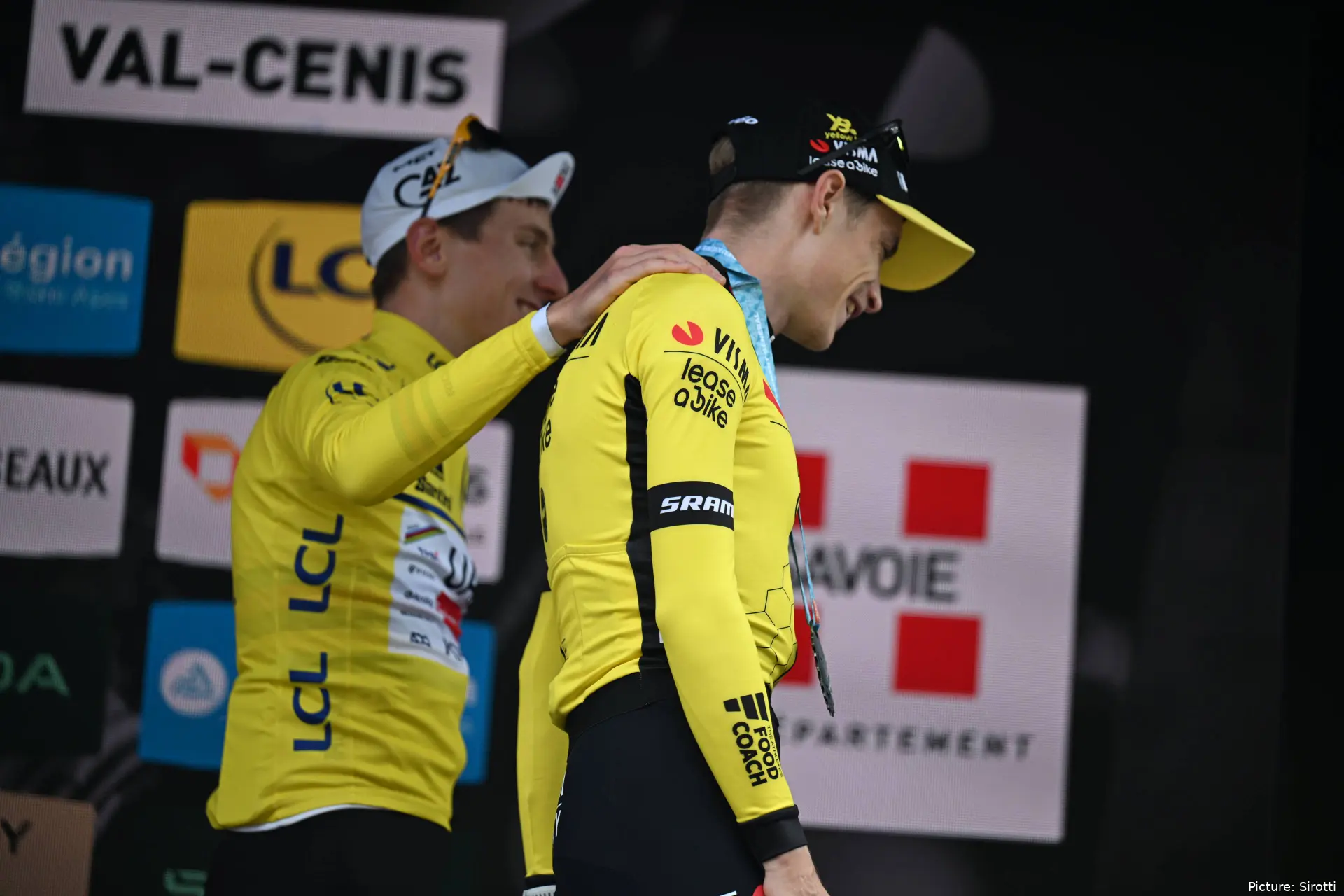
Jonas Vingegaard starting his Grand Tour season at the Giro d’Italia has immediately raised a bigger question than calendars and race routes. Is this a sporting experiment, or a strategic sidestep from the most dominant rider of this generation?
On the latest episode of NBC Sports Cycling’s Beyond the Podium Podcast, Bob Roll and Tejay van Garderen didn’t dance around it. For them, Vingegaard’s Giro-first plan can’t be separated from the reality of racing in an era ruled by Tadej Pogacar.
Van Garderen put it bluntly when discussing Jonas’s recent Tour de France performances. “If you look at the last two Tours, Jonas wasn’t even close,” van Garderen said.
That line became the spine of a wider discussion about whether the sport’s biggest names are quietly adjusting their ambitions because of Pogacar’s all-conquering dominance.
Giro first, Tour later, and the Pogacar problem
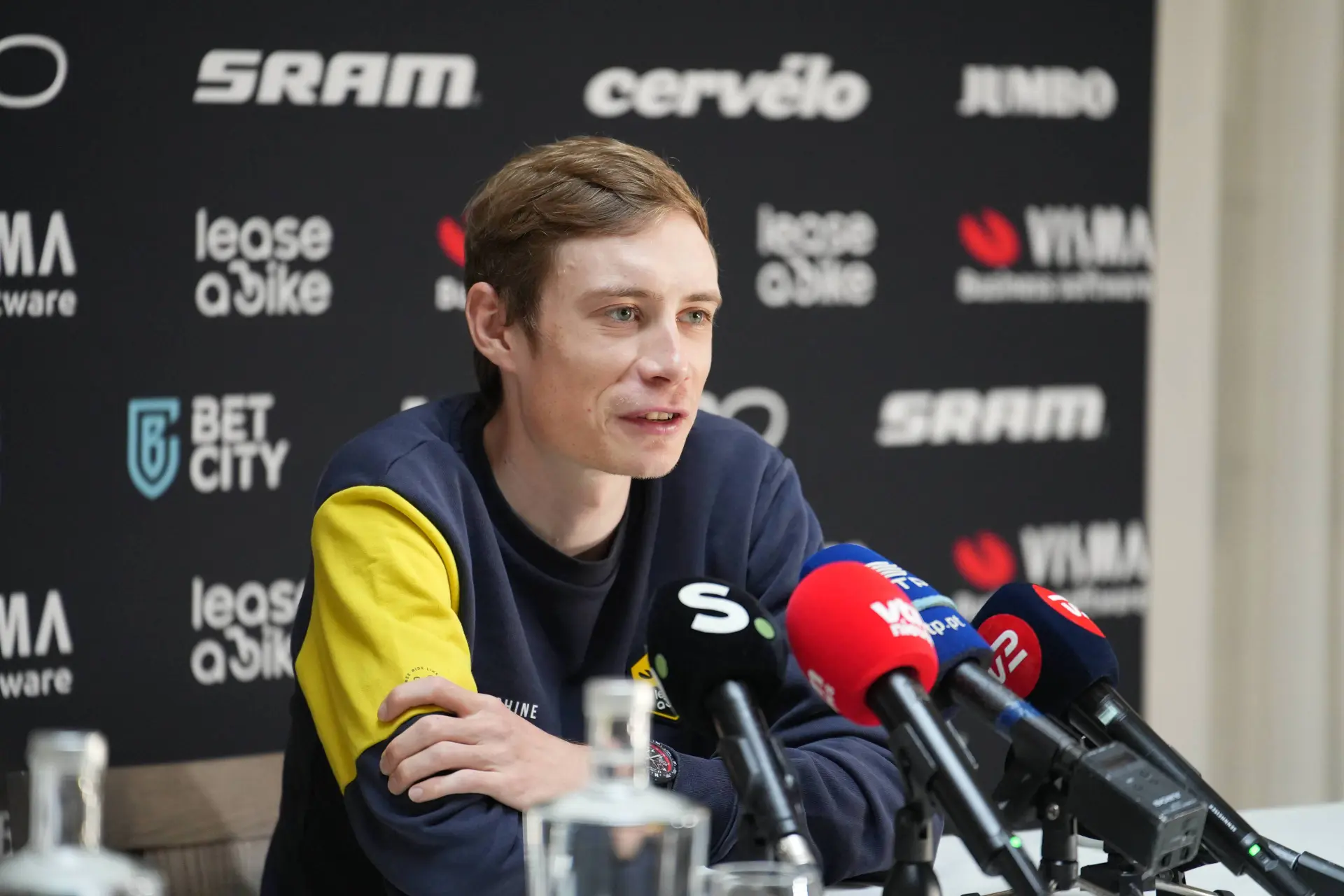
Roll opened the debate by questioning what Vingegaard’s Giro debut might really mean. “My main question when I heard that was, has he given up on trying to beat Tadej Pogacar at the Tour de France?” Roll said, before adding that he doubted that was literally the case.
Van Garderen’s response framed the Giro choice as both ambitious and pragmatic. “He’s won the Tour twice. He’s just won the Vuelta. He wants to complete the trifecta,” he said. “But at the same time, Tadej Pogacar has been so dominant. If you look at the last two Tours, Jonas wasn’t even close. So if he wants to etch his name into the history books, he might have to start ducking and dodging a little bit. A little Floyd Mayweather style, pick the easier fights.”
For van Garderen, the Giro is not a retreat, but a recalibration. A way of building a legacy without running head first into Pogacar every single July.
Roll pushed the idea further, suggesting that teams are increasingly realistic about what racing against Pogacar actually looks like. “People are realising that with Tadej around, there’s no such thing as a tight battle,” Roll said. “If you’re Visma and you’re trying to maximise the exposure from your athletes that you pay a lot of money to race, maybe realising that Tadej is probably, barring catastrophe, going to win the Tour… why not start with Jonas in the Giro this year?”
Is ‘ducking and dodging’ just smart racing?
Van Garderen was clear that this is not about fear, but about strategy “If you end the season with second at the Tour and a Giro win, that’s not a failure,” he said. “I’m actually really curious to see if he’s going to show up to the Tour better than he has the past couple of years with a Grand Tour in his legs.”
He also floated the idea that Vingegaard may be copying a template that has already worked for others. “Maybe he felt stronger at the Vuelta in 2025 and said, ‘You know what, actually doing a Grand Tour set me up and my legs were amazing. Why don’t I replicate that and do the Giro to try to be at my best for the Tour?’”
Roll agreed that the Giro could act as both a target and a test. “I’m going to be more motivated myself to watch how Jonas goes in the Giro and use a lot of that information looking forward to the Tour de France,” he said.
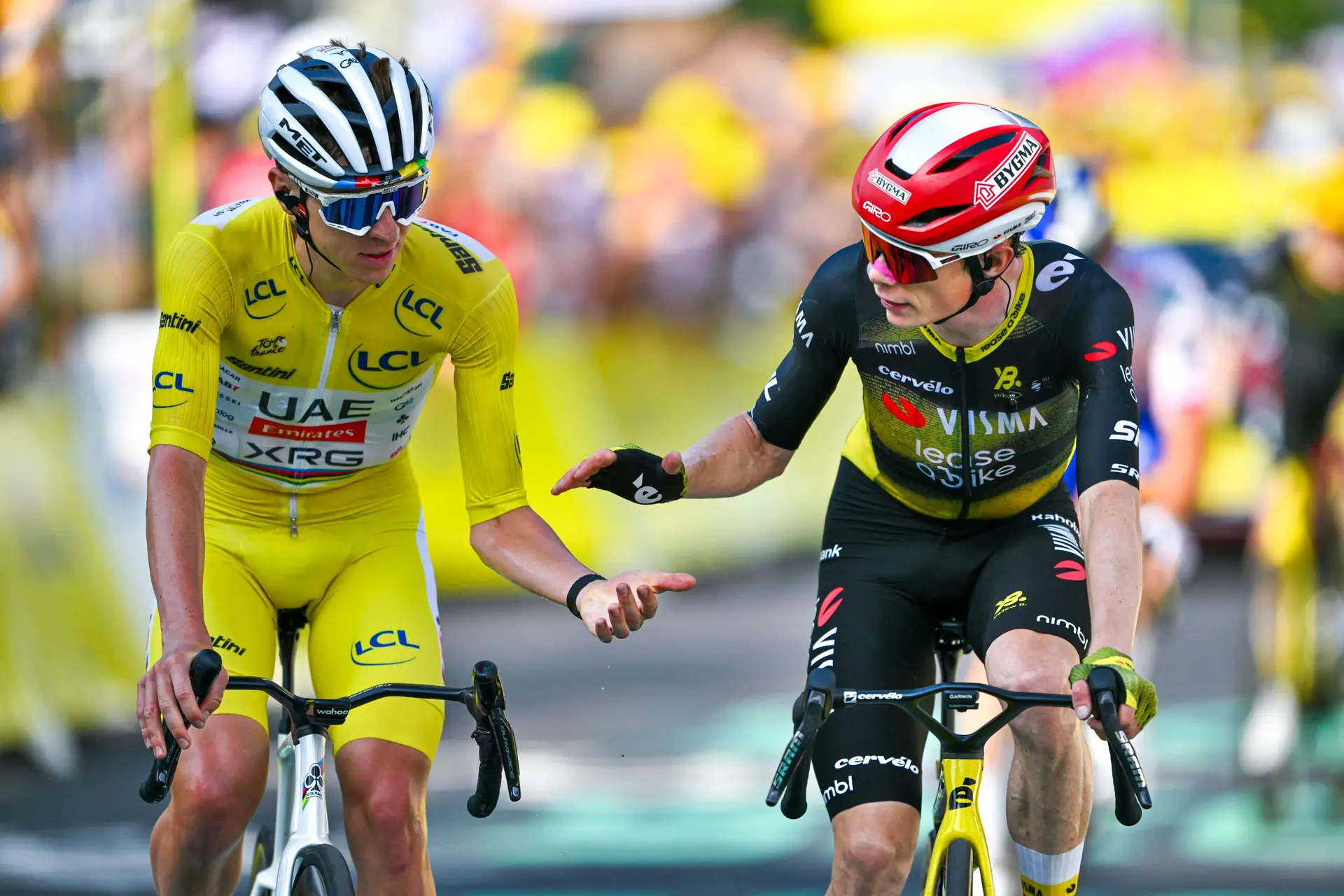
Still, neither presenter pretended that the wider context could be ignored. Pogacar’s presence changes everything. “I think people are just realising that with Tadej there, there’s no such thing as tight battles,” Roll repeated. “We’d like to see all the stars full strength, head to head in the Tour, but with Tadej there, it just doesn’t work like that.”
A sport quietly reshaping itself around Pogacar
What makes the discussion bigger than just Vingegaard is how often the same logic now appears across the peloton.
Van Garderen pointed to riders and teams increasingly shaping their programmes around where Pogacar is not, rather than where he is. “Everyone is just trying to find wherever they can to maximise their own success,” he said. “You want to end your career with the biggest palmares you can possibly get.”
That doesn’t mean avoiding competition forever, but it does mean being selective. “I respect that 100 percent,” he added. “But at the same time, I just want to see all these guys battling head to head.”
The irony, as both men acknowledged, is that Pogacar’s brilliance is making the sport more tactical off the bike than on it. Riders are not just racing rivals anymore. They are racing the probability of beating a once in a generation talent.
Whether Jonas Vingegaard’s Giro-first gamble proves inspired or misguided will only be answered on the road. The results in Italy will shape expectations long before the Tour de France begins.
But whatever the outcome, this debate has already revealed something important about the modern peloton. Calendar choices are no longer just about form or tradition. They are increasingly shaped by one unavoidable reference point. Tadej Pogacar is that reference point.
Every major decision now carries an unspoken comparison to him. Some riders will go straight at that challenge. Others will look for different routes to build their legacies. Neither path is an admission of weakness. It is simply the reality of racing in an era defined by a once in a generation talent.

Kieran WoodDeputy Editor-in-Chief
Kieran Wood is a sports journalist based in Wales and has been active in journalism since 2022. He regularly contributes to DartsNews.com and CyclingUpToDate.com, where he covers professional cycling and darts. In cycling, his work includes liveblogs from major races, including the Tour de France, the Giro d’Italia, and La Vuelta a España, alongside race reports and analysis. He has also conducted interviews with professional riders.
His reporting spans the full racing calendar, from one-day classics to stage races, with a focus on accurate, real-time coverage and clear contextual analysis. For statistics, results, and historical context, he regularly uses resources such as ProCyclingStats. To support reporting on rider activity and training context where relevant, he also references Strava.
In his work, Kieran places strong emphasis on careful sourcing, editorial accuracy, and updating articles as new, verified information becomes available.
claps 4visitors 4
Just in

Popular news
Latest comments
- "The Spaniard also highlighted Florian Lipowitz, third in the recent World Championship time trial, as a rider to watch as he continues to gain experience." Please stop the AI slop
 Rafionain-Glas24-10-2026
 - I think it's great! Now there's a real reason forcing the people-who-don't-fix-the-potholes to fix the potholes... or notRafionain-Glas24-10-2026
- Roglič brought in as many points as some of the lower standing teams, so you would think that more than one team would be trying to get one of the top 25 points machines onto their team. He brought in only 500 points less than the entire Picnic Post NL team. Take those points and Unibet is still not in the top 18, but put him on one of the teams fighting for 18th and they get some security. NSN at 18th with Roglič’s 2100 points would be in 11th place.RidesHills24-10-2026
- He's 20, in two years or so he will be the guy winning everything.awp24-10-2026
- You're talking about being lucky if someone crashes out... I'm talking about quality.PogiSloFans24-10-2026
- He finished 2nd this year at the Tour. Pogacar crashed out of the Vuelta. If he had crashed out of the Tour, Remco would have won.acem8224-10-2026
- Lance never won a TdF, so not sure why he and Hincapie are listed here. I thought this was best domestiques for TdF winners.mij24-10-2026
- Pelizzaari is not Remco's domestiqueabstractengineer24-10-2026
- YetJumpyjohn24-10-2026
- Nibali got into the lead because he wanted the team car further forward in the caravan (I love this as a sign of tactical thinking). He solidified the lead on the rainy cobbles day when he was just brilliant, while other contenders crashed out on the wet roads. Strategic and skillful, yes, but the English roads weren’t as decisive as they might seem.RidesHills24-10-2026
Loading
7 Comments