“Strangling a race is terrible” – Jay Vine lashes out at rivals' negative racing after he's "marked out" of Aussie title fight
Cycling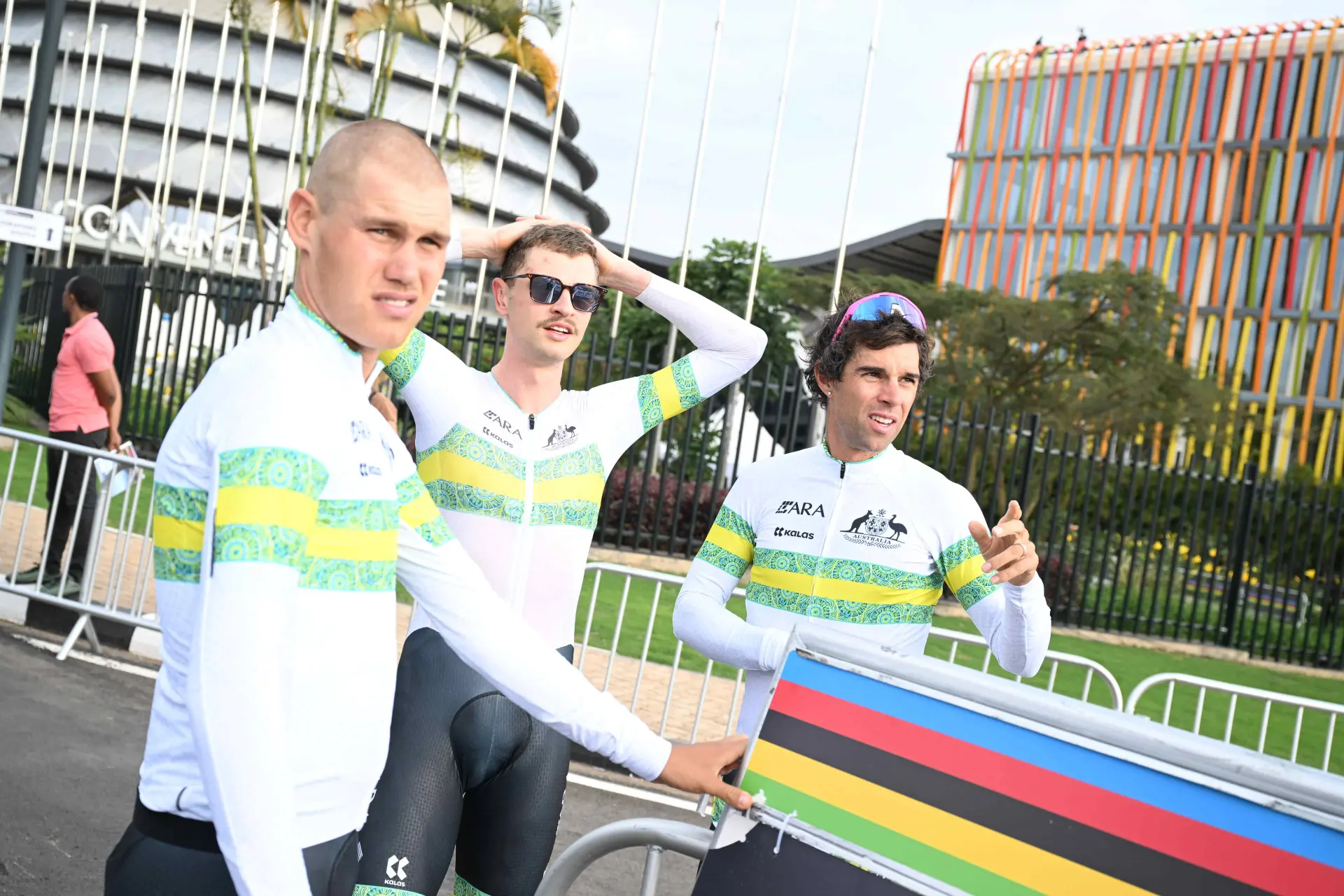
Jay Vine did not leave the 2026 Australian men’s elite road race at the National Championships quietly.
After Patrick Eddy had celebrated the biggest win of his career in Perth, Vine took to Instagram and wrote one of the most pointed post-race reactions the national championships have seen in years, accusing parts of the peloton of “strangling” the race and admitting he deliberately sacrificed his own result to make a statement.
“After it became clear I was going to be marked out of the race, a group of us tried to make a bridge, unfortunately with strong riders still wanting to sit on the move, which kept starting and stopping for about 30 mins,” Vine wrote.
In a race defined by long stalemates, hesitant chasing and tactical stand-offs between big names, Vine felt his chances were gone before the finale even took shape.
Read also

How the race got to that point
The elite men’s title was decided only after a chaotic and tactical day of racing.
An early break established itself, but the race never settled into a clean chase. Moves repeatedly formed and stalled as riders hesitated to tow dangerous names into contention. When defending champion Luke Durbridge went long from the front later in the race, the peloton again split between those willing to commit to a chase and those content to let others do the work.
Behind Durbridge, a select group containing several of the strongest riders in the country tried to organise, but cooperation was fragile. Some riders worked, others waited, and momentum regularly collapsed.
That lack of cohesion set the tone for the finale. Durbridge was only caught very late, and when the front finally came back together, it was Patrick Eddy who had the freshness and positioning to finish it off in the sprint.
Vine, though, was no longer racing for the result by then.

Vine took a silver medal in the time-trial at the 2025 World Championships in Kigali
“I decided to throw a grenade into the race”
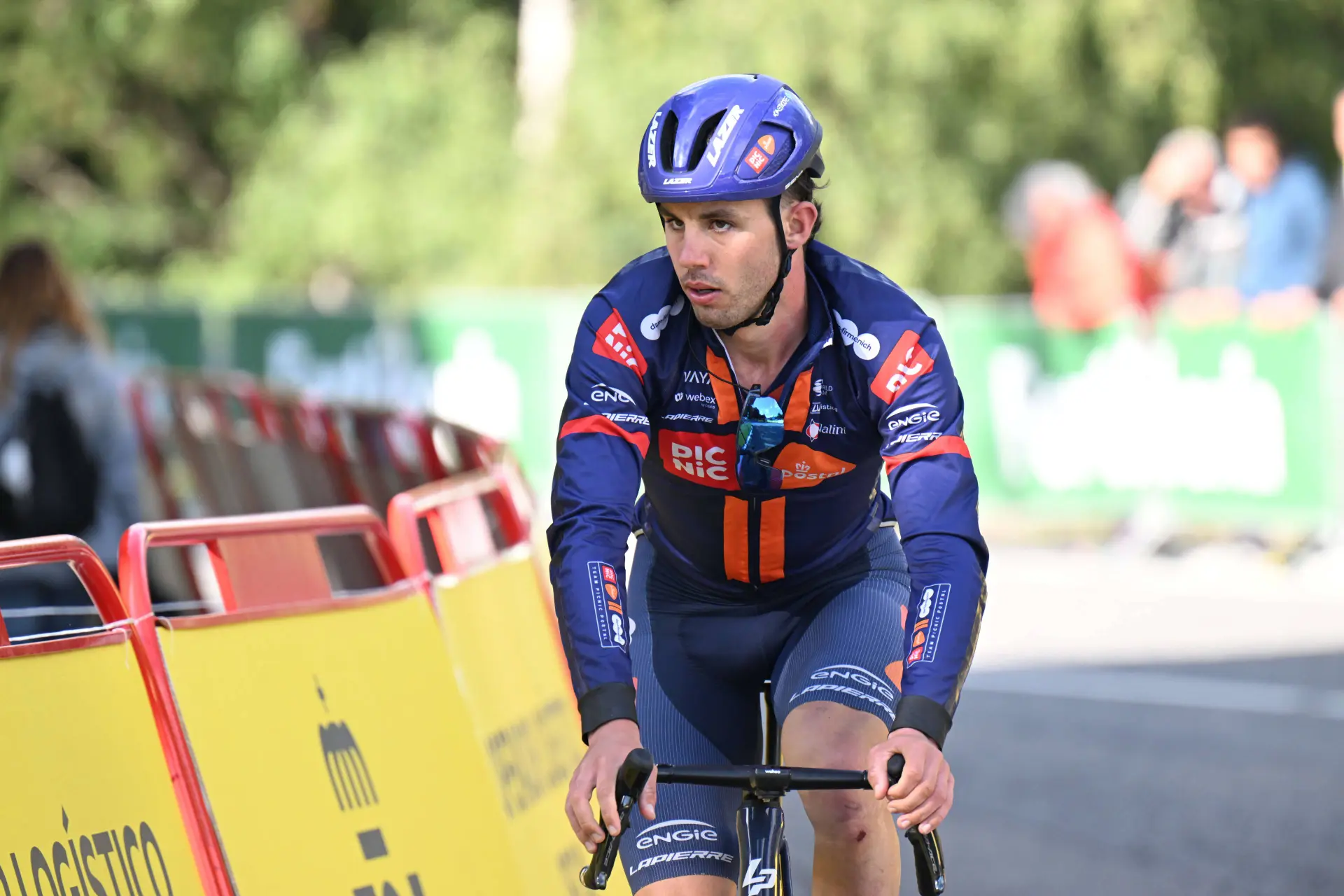
Vine says his turning point came when he realised he was being neutralised rather than allowed to race. “I decided I wasn’t just going to ride around the course 5 mins behind the bunch to only roll in, but instead I decided to throw a grenade into the race; and show that for future years I won’t just fill in numbers, and be a finisher,” he wrote.
Rather than sit in limbo between groups, Vine chose a far more confrontational role. “If you won’t work with me, or even let me race, then I will bring the race to you, even if it means I don’t get a result.”
For long stretches, Vine rode aggressively on the front of the peloton, effectively towing the race while burning his own chances. He admits the outcome for him was simple. “I had a good block of training on the front of the pelo, and then I rode back to the hotel.”
It was not a tactical play for the title. It was a message.
Calling out the style of racing
What makes Vine’s reaction unusual is that he framed it not just as personal frustration, but as a criticism of how the race was being raced. “This race is something I really respect and would love the pleasure of winning one year in the future,” he wrote. “That being said strangling a race is terrible to spectate and for all the riders involved who have travelled so far and trained so hard just to get to the start line.”
In his view, the constant marking, stalling and refusal to commit did not just hurt his own chances. It cheapened the contest itself. “So for anyone questioning why I threw my race aside and pulled for the pelo, that’s why.”
In a championship where many riders arrive with no trade-team structure and only loose alliances, negative racing is often a risk. Vine’s post turns that into a direct challenge: if riders try to neutralise him in future editions, he is prepared to make the race hard even if it costs him the jersey.
Respect for the winner
Despite the tone of his post, Vine was careful to separate his criticism of the racing from the rider who ultimately won it. “Congratulations to Patrick Eddy! Not only raced smart but in the final was super strong to finish off in 2026,” he wrote.
Eddy’s victory came from navigating exactly the kind of fractured, stop-start race Vine is criticising. While others hesitated, Eddy read the situation best and had the legs to finish it.
Vine closed by turning his focus back to his UAE Team Emirates – XRG commitments and the Tour Down Under, but the warning is clear.
He does not want to be a rider who is marked, managed and neutralised at nationals. Next time, he wants to race freely. And if he cannot, he has already told the peloton what he will do instead: bring the race to them, even if it costs him everything.
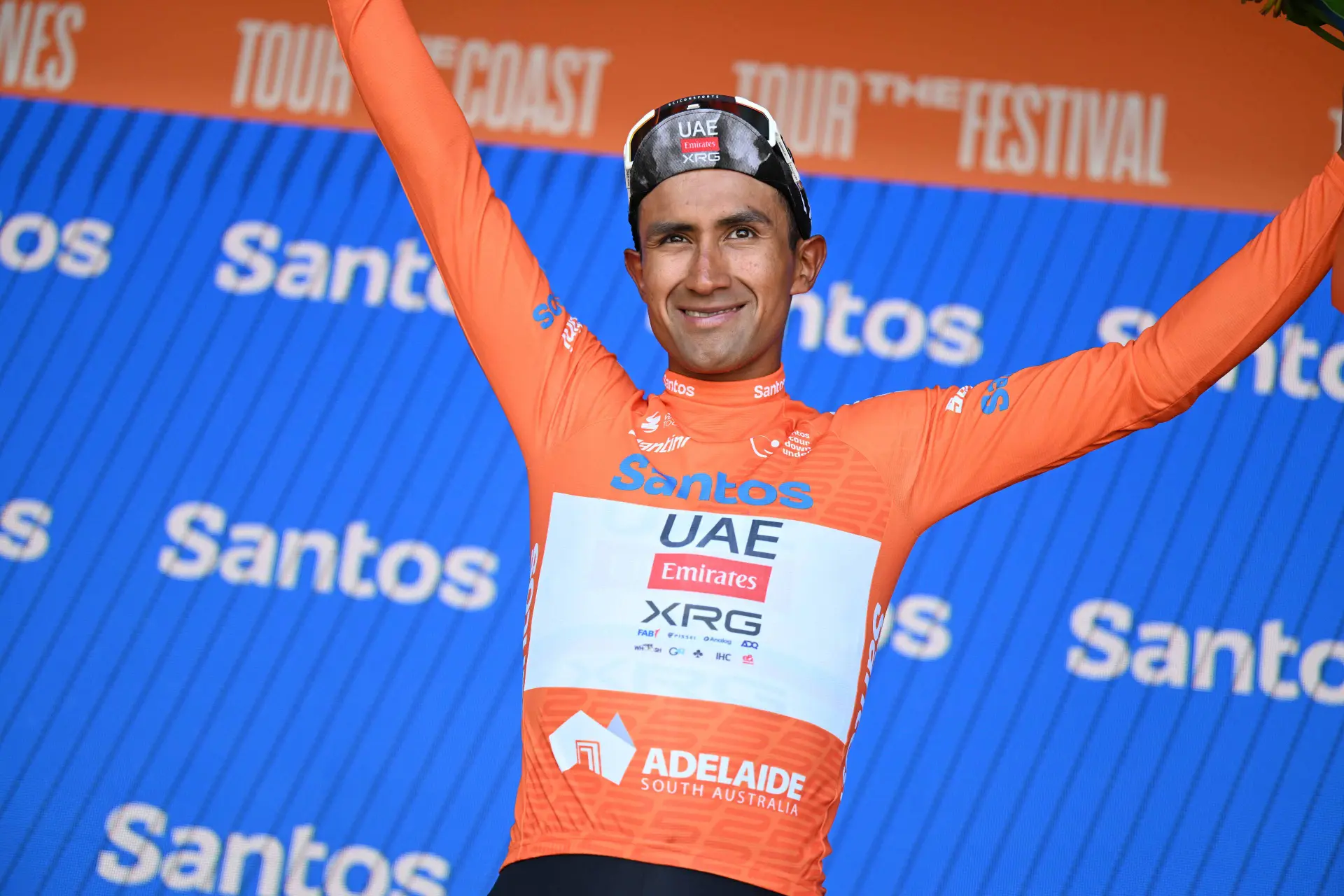

Kieran WoodDeputy Editor-in-Chief
Kieran Wood is a sports journalist based in Wales and has been active in journalism since 2022. He regularly contributes to DartsNews.com and CyclingUpToDate.com, where he covers professional cycling and darts. In cycling, his work includes liveblogs from major races, including the Tour de France, the Giro d’Italia, and La Vuelta a España, alongside race reports and analysis. He has also conducted interviews with professional riders.
His reporting spans the full racing calendar, from one-day classics to stage races, with a focus on accurate, real-time coverage and clear contextual analysis. For statistics, results, and historical context, he regularly uses resources such as ProCyclingStats. To support reporting on rider activity and training context where relevant, he also references Strava.
In his work, Kieran places strong emphasis on careful sourcing, editorial accuracy, and updating articles as new, verified information becomes available.
claps 6visitors 3
Just in
Popular news
Latest comments
- He won in exactly the same way as others. By being the fastest to complete the stages.mobk08-10-2026
- Very surprised del toro couldn't beat everyone here against lesser competition. He's well on his way to being top 5 in the worldbruins3008-10-2026
- Being the best rider left in the race is pretty much the only way to win in any edition, surely? Seems reductive to say "they only won because the entire peloton wasn't as absolutely stacked as it could've been" - you can only beat who is in front of you.wrsty08-10-2026
- I’m sorry but generally the coverage on your site is first class but this incident highlights something I just don’t get with cycling journalism. This accident should never have been allowed to happen, it comes uncomfortably close to the Finlay Tarling tragedy and two other incidents took place within days of this. I checked all of the cycling websites and you all put out basically the same story. Pidcock gave journalists the perfect opening to blow this sky high, what has the UCI got to say? What is Adam Hansen doing? What do the organisers say? Nothing, you all trot out the same easy quotes taken from Pidcocks interview after the race but do nothing to follow it up. I see it time and time again, journalists taking the easy way out but being outraged when it happens again as it surely will. Riders can’t do this but journalists should be independent and should be able to raise these uncomfortable questions but cyclinguptodate and every other on line publication prefer to take the easy way out. That’s the real tragedy here.Paul53108-10-2026
- Happy to help :-)Mistermaumau08-10-2026
- Well, ok but, it’s also a structural, team, budgeting, direction and all sorts of other issueMistermaumau08-10-2026
- I wouldn’t call it an analogy but maybe his criticism is a little unfair. On the other hand, the fact Cicco made a public affair out of it despite having received all the explanations and proof makes me feel he now deserves being criticised for not accepting there is nothing to discuss.Mistermaumau08-10-2026
- Much as I like him (one of my favourites), I do want to attract a little attention to the coincidence of his recent performances in the current context. Not the first time a rider improves noticeably when there’s a job interview to prepare. In the same lighthearted humour of his, i hope the UCI will let him wear it at home as the rules quite strictly state you can only wear it during participation in the discipline you won in, and we all know how capable they are of interpreting rule interpretation ;-) Also, if it’s going to be retirement (please not), I wouldn’t call that an agreement as somebody will probably feel they didn’t get what they wanted.Mistermaumau08-10-2026
- Agreed. There used to be a team willing to pay though. I take all these figures (that vary enormously according to who is publishing) with handfuls of salt. We don’t know how salaries are treated (especially between a UK employer and Andorran resident), we don’t know how numbers are derived and from where, if deductions have been taken into consideration, etc. but if he returns to Colombia, he’s going to need quite a bit in protection money.Mistermaumau08-10-2026
- And another one gone, another one gone, another one bites the dust. Ah gonna get you too…Mistermaumau08-10-2026
Loading
1 Comments