"Pogacar on Cofidis would be fun": Jonathan Vaughters slams "monotonous" UAE dominance and calls for urgent budget cap
CyclingMonday, 19 January 2026 at 00:30
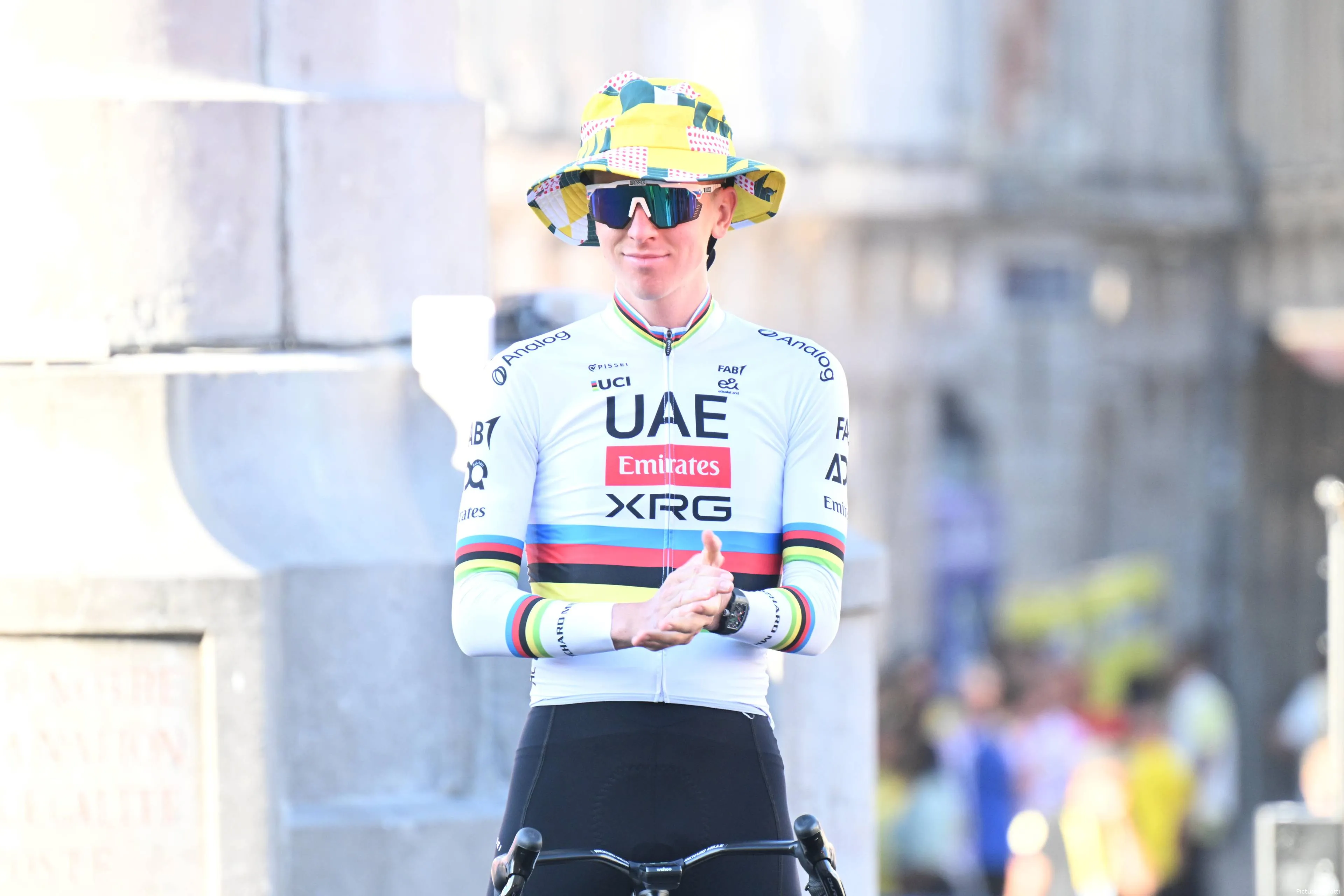
During a recent interview, Jonathan Vaughters, manager of EF Education-EasyPost, and Thomas van den Spiegel, CEO of Flanders Classics, engaged in a wide-ranging discussion regarding the economic and structural future of professional cycling.
The two figures debated the barriers preventing the sport from reaching a global audience, the overwhelming dominance of super-teams, and the potential implementation of salary caps. They argued that the current business model is unsustainable and confusing for new fans, proposing radical changes to the calendar and financial regulations to ensure competitive balance.
A sport "impossible to understand"
One of the central themes of the discussion was the complexity of the cycling calendar. Vaughters argued that for the uninitiated, the sport is a labyrinth that fails to communicate the significance of its biggest events outside of the Tour de France.
"For those of you who have been lifelong cycling fans, you probably understand it, because you’ve grown up with it... but for a new entrant, for somebody who’s a new fan of the sport, our sport is impossible to understand and it doesn’t make any sense," Vaughters began in an interview with Rouleur.
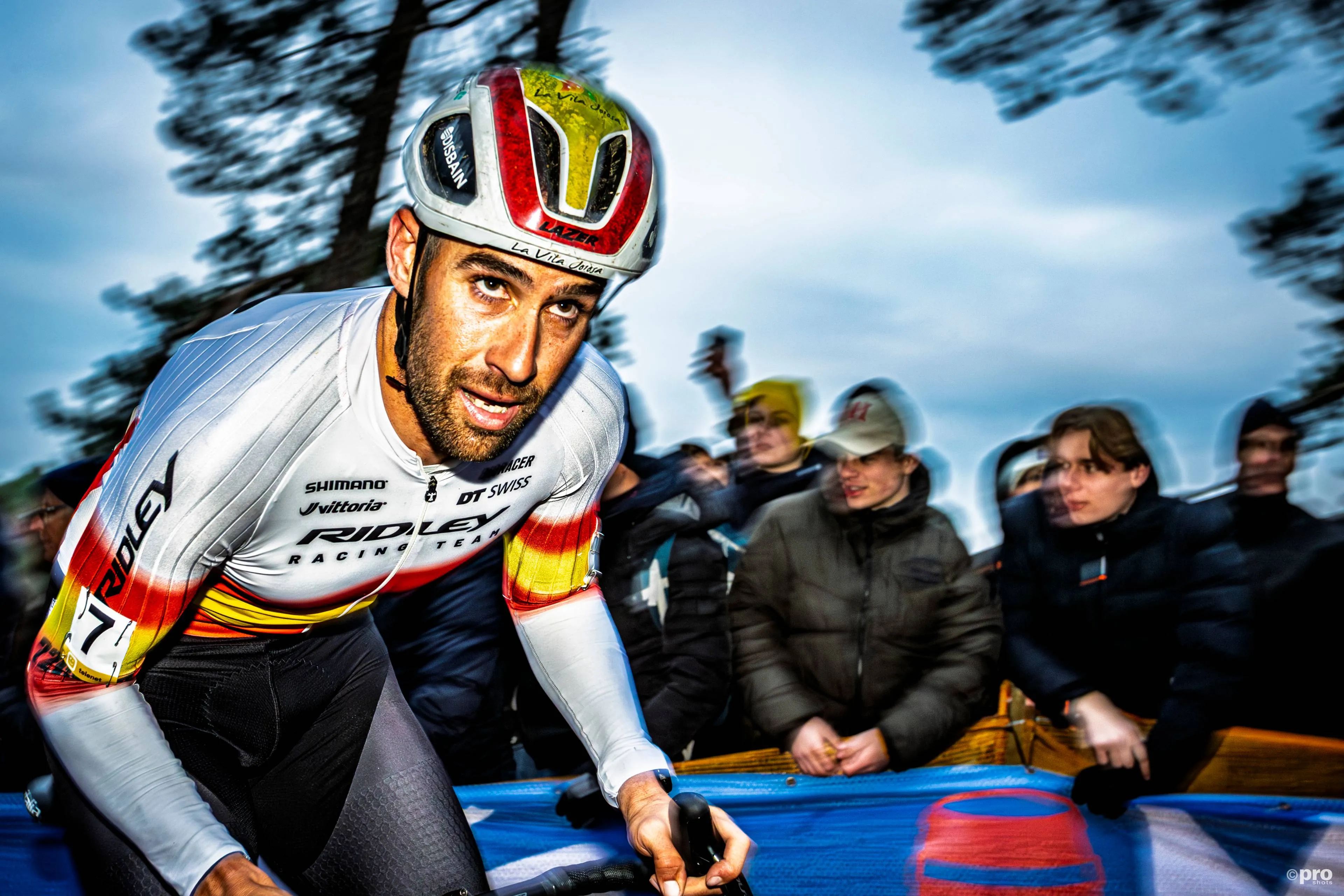
"The best example of this that I remember is in 2013, Dan Martin won Liège-Bastogne-Liège and we were sponsored by Garmin then. So very excitedly, at the finish line of Liège-Bastogne-Liège, I call up the CEO of Garmin and say, 'oh my god, we won a monument! We won Liège-Bastogne-Liège wearing a Garmin jersey!' And he says, 'oh, where’s that race?' He had no idea. He says, 'so does this mean that our team qualified for the Tour de France this year?' Again, to him Liège-Bastogne-Liège had no meaning outside the context of the Tour de France."
This confusion extends to casual interactions in the United States, where Vaughters notes that explaining his job is often impossible unless he explicitly mentions the Tour.
"For most people, even when I introduce myself when I’m in the US, they’ll say, 'what do you do?' I can’t say, 'I run a bicycle racing team'. That makes no sense to your average person in the US. If I say, 'well, have you ever watched the Tour de France on TV?' Quite a few people in the US will say, 'yes, I have.' And I’ll say, 'okay, well, I run one of the teams that races in the Tour de France.' And then they say, 'oh, great!' And that’s all well and good, but that’s extremely limiting."

For the general public, the Tour de France is often the only cycling race they recognize
The "gobbledygook" of the calendar
The reliance on a single event creates a structural weakness where the rest of the season becomes irrelevant to the broader market. Vaughters described the non-Tour calendar as "a gobbledygook of nothingness" to outsiders.
Van Den Spiegel agreed with him. "We have two hundred WorldTour racedays today. And the question is which races would be the pinnacle in the future? We need to reduce those two hundred days. That’s for sure," Van Den Spiegel stated.
"Do we go to sixty days? To eighty days? What do we do? We all believe that the Tour de France, rightfully so, is the biggest race in the world. It’s almost three and a half weeks. Should the Giro and the Vuelta in the future also be three and a half weeks? Because we need to reduce that number of race days."
Vaughters pointed out that this dilution affects the competitive integrity of smaller races. He cited the example of Juan Ayuso winning the Trofeo Laigueglia, a race where top-tier millionaires compete against semi-pros.
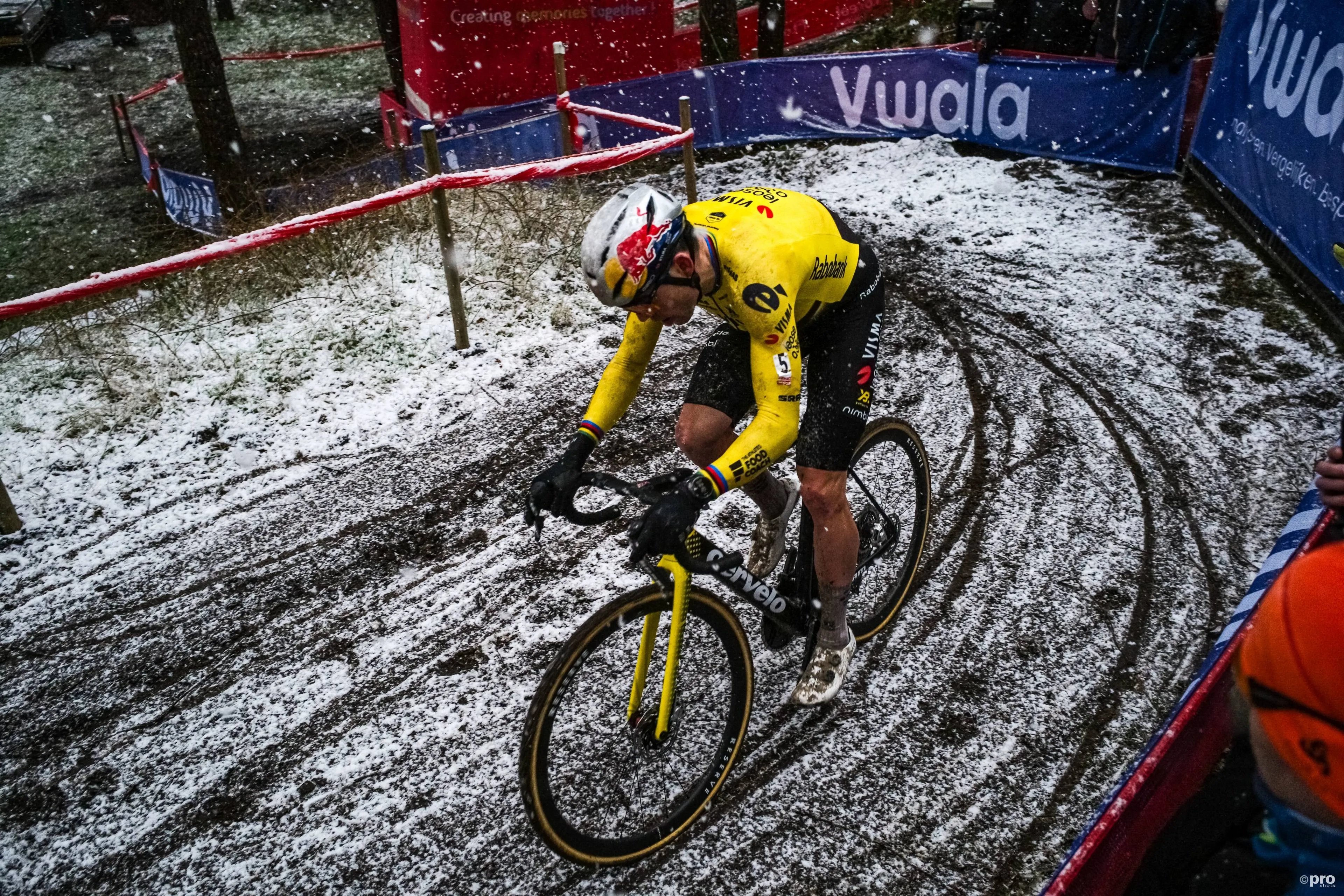
"This year in Trofeo Laigueglia... Juan Ayuso won it. Congratulations to Juan Ayuso, but here’s a rider getting paid maybe €3-4 million a year that wins the thing. There are Italian Continental-level pros there that are racing, that basically have to work in a pizza shop in the off-season in order to survive. That race should be a third division race for third division teams," Vaughters argued.
"As opposed to having UAE, who quite often this year would send a roster with a total value of probably over €10 million to a little tiny village race in the south of Italy. And we’re diluting the value of our own sport by doing that."
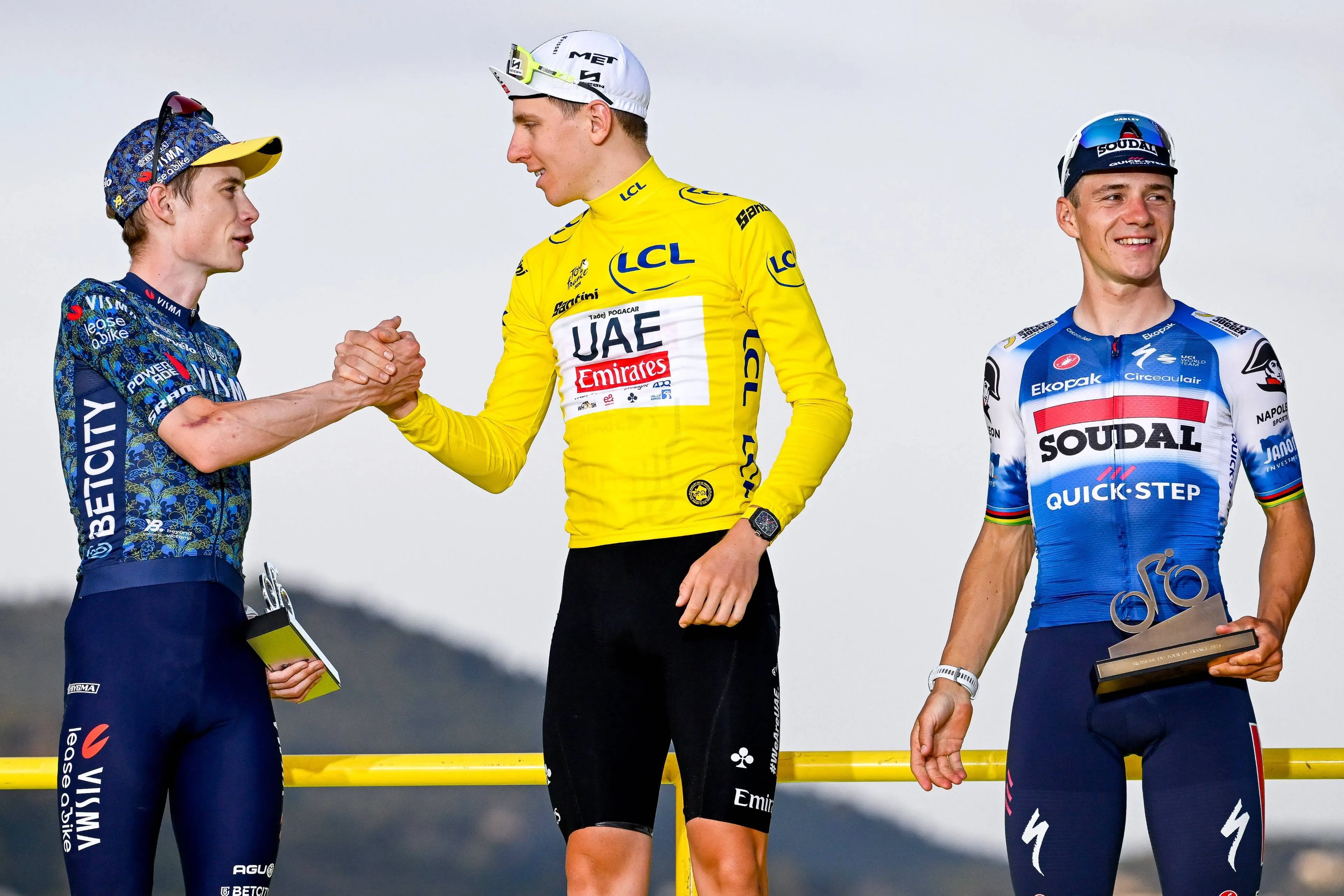
The discussion inevitably turned to the dominance of UAE Team Emirates and Tadej Pogacar. Vaughters did not shy away from addressing the massive financial disparity that currently exists in the WorldTour, suggesting that the lack of a budget cap is destroying the entertainment value of the sport.
"It’s definitely time for budget caps. I mean, you’ve got UAE, speaking in US dollars, that’s functioning on about $75 million, competing against quite a few teams that are functioning on $20 million. I mean, there’s a disparity there. It’s more than three times, so you know who’s going to win. Well, I’ll give you two guesses."
The Pogacar on Cofidis hypothesis
In perhaps the most striking moment of the debate, Vaughters proposed a thought experiment to illustrate why a salary cap would improve the fan experience. He suggested that if the best riders were forced to spread out across different teams due to financial restrictions, the racing would become unpredictable and exciting.
"Think of it this way, because people get a little bit upset about budget caps and salary caps. Why don’t you just let the best rider be on the best team? But how much fun would it be if we had this, right? So Pogacar, the greatest rider in the world... but he has to race for Cofidis," Vaughters suggested.
"Now imagine that. The racing is going to be pretty fun from this standpoint, because he’s going to have a team that has no capacity of controlling the race whatsoever. He’s going to have to figure it out on his own, whereas there’s this other team and they maybe have five strong riders. They’re not as good as Tadej by any stretch of the imagination, but they’ve got more depth. Well, now who wins? Now the race is pretty interesting, because the outcome is not certain."
He contrasted this potential excitement with the reality of the last season. "Whereas right now, we watched a hundred of the two-hundred race days that we were talking about won by one team, just monotonously over and over again."
Vaughters admitted that his perspective might stem partly from jealousy, but insisted it was ultimately about the health of the sport. "And of course, you could say, 'okay JV, you’re just jealous here.' And you’re right, I am. But what I would say is, what I’m more concerned about is that the racing becomes boring and that there’s just this one guy that keeps winning, or it’s just this one team that’s super rich that keeps winning. Then, that hurts all of the sport," he concluded.
claps 1visitors 1
Just in
Popular news
Latest comments
- Oh I know all about it. Visma is also a team that leaves no surprises to its riders. They probably did at the very least 1 full day of recon on each flat stage and maybe more on climbing stages as well as decent. Seeing he also claims he did his own recon...he should have known if a pebble was out of place on the side of the road. This is PRO cycling not once a year 5mil rides. What he really should have said is: I am not the top rider anymore Pogi has surpassed the ability I have. My crash was caused by me trying to relive my glory years. Lastly, my wife made some remarks to the media, and to be honest I said them. She just was who the press talked to. I caused a big problem on the team bus with the remarks. I also owe one of the hardest working and vest riders in the world Van Art a huge apology for calling him out in said remarks. I honestly use to like Jonas, but now I am starting to think that he thought he was better than the sport. Going as far as to blame the race organization for a fall and then "his wife" calls out his teammate during the TDF. If I was Van Art I would have sat up and not helped him at all after that. Or, maybe help another rider instead. I don't think Visma would have said much. After all, they are trying to sign Del Torro or Sexlis...for what? GCmd197503-04-2026
- Are you by chance Tadeg's daddy which is why you are so over the top here on this site with his promotion? No CAPISH !frieders303-04-2026
- It was the original plan to have Jasper Philipsen sprint for the win, it won't be that way in Flanders, MvdP will work to reel POGAČAR in.alsene03-04-2026
- The Godfather of Saunier DuvalMistermaumau02-04-2026
- We hardly have cat. 5 races anymore, too complicated for organisers, more and more they mix up plenty of categories which makes things far more dangerous, we were 180 at the start for an 8 circuitMistermaumau02-04-2026
- I gathered that but for some I was the equivalent so just a bit of fun. I gather he’s still around, maybe he just took my advice?Mistermaumau02-04-2026
- He doesn't have to quit cycling for that? And maybe they don't want kids, not everyone doesvampa02-04-2026
- Primož Roglič will be the best domestíque. In order to facilitate Pogačar's long range solo win, he will attack early to get rid of all of Team Slovenia's domestíques. Due to being such a valiantly hard working domestíque, he will pay for his selfless efforts and crack, so Pogačar can't use him anymore. This will mean that Pogačar will have to launch very early. In the chasing group behind, Roglič will have recovered. He'll disrupt the cooperation in the chase by attacking, in the form of long, powerful turns on the front. And of course Pogačar wants a challenge, he does not want it ti be easy, so Roglič will pull fir the chasers to do so. Meanwhile, 20 year old Jakob Omrzel will be tge perfect domestíque
 Rafionain-Glas02-04-2026
 - Pogačar won two years, lost two years and won two years — will he lose this year?Rafionain-Glas02-04-2026
- Pogačar to crash in a very rainy Roubaix, taking him out of the following races. Disclaimer: nit limited to this yearRafionain-Glas02-04-2026
Loading
4 Comments