“My success depends on how others perform. It’s no longer all in my hands”: Geraint Thomas on redefining control at the INEOS Grenadiers
Cycling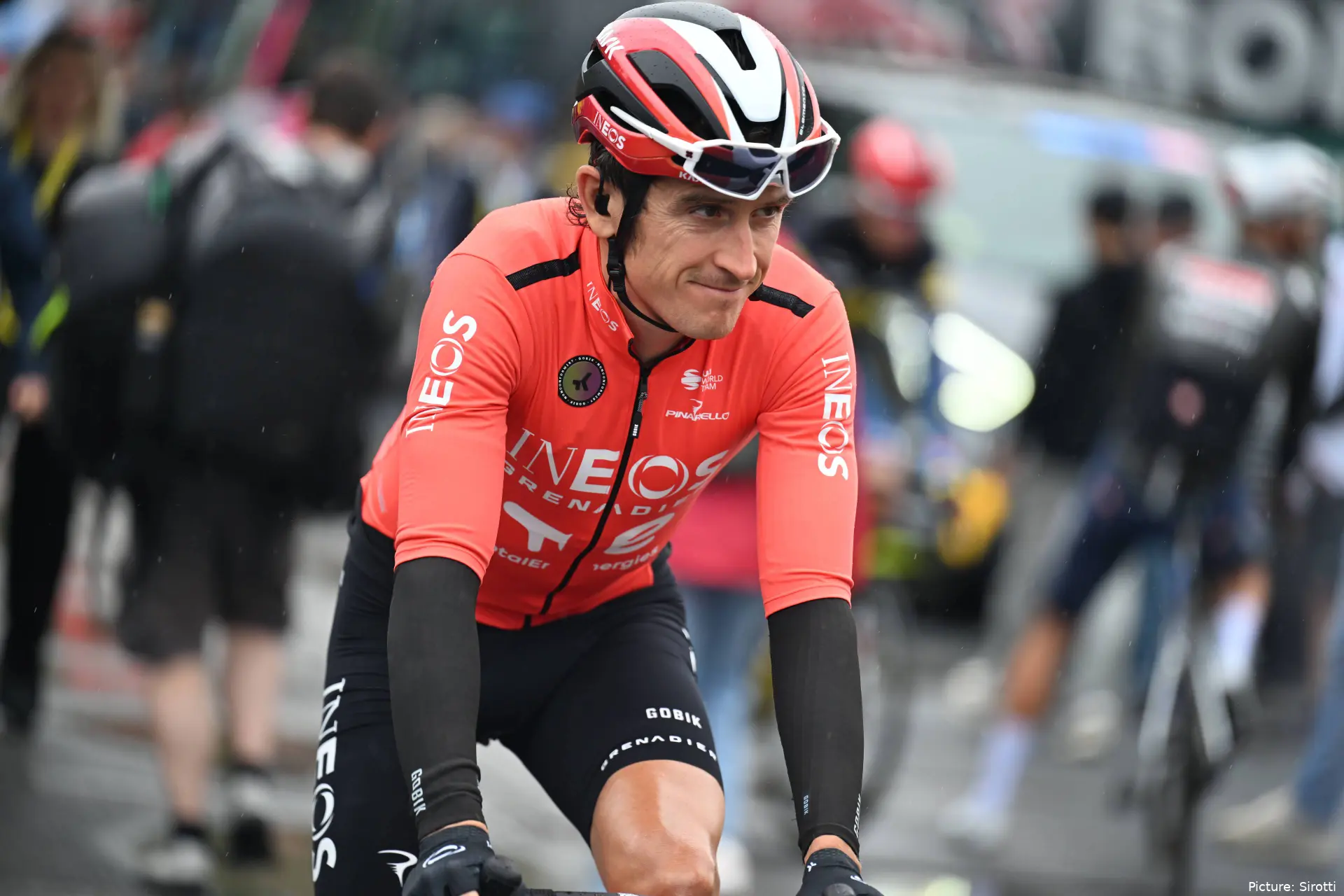
For almost two decades, Geraint Thomas built a career on measurable precision. Power numbers, race plans, marginal gains. His success was tangible, calculated and, above all, in his own hands.
Now, as Director of Racing at INEOS Grenadiers, that equation has changed.
“My success depends on how others perform. It’s no longer all in my hands,” Thomas admitted in conversation with Tutto Bici Web as he learns to live with this new reality.
It is a simple line, but it captures the sharpest contrast in his post-retirement identity. The rider who once measured his season in watts and seconds now measures it in the performances of others.
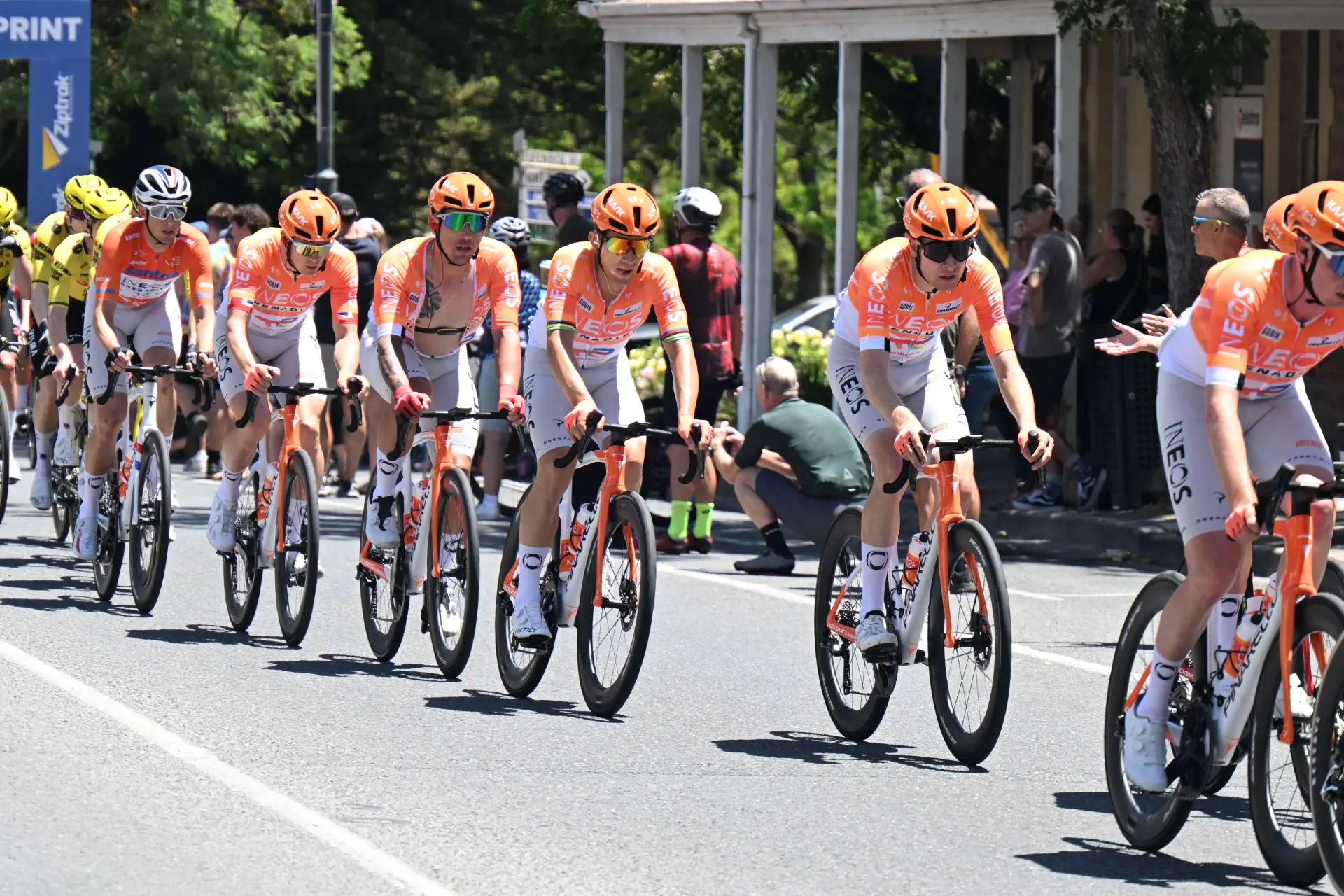
From individual execution to collective outcome
Thomas officially stepped into his new role on January 1, moving from the saddle to the team car after a 19-year professional career that included victory at the 2018 Tour de France and podium finishes at both the Tour and Giro d’Italia.
“Now I’m Director of Racing with the team, and that means I mainly focus on the individual preparation of the riders,” he explained. “The general classification riders are a priority, but I also try to support the guys for the Classics like Ganna and Tarling. I try to make sure everyone reaches their goals.”
That breadth of responsibility reflects INEOS’s broader structural reset heading into 2026. With Dave Brailsford once again exerting hands-on influence at the top of the project and a wave of younger riders integrated into the roster, Thomas occupies a crucial middle ground between legacy and evolution. “It’s an advantage knowing most of them for years. I have their trust,” he said. “But I’m also there for the new arrivals, like Vauquelin or Onley.”
His role is deliberately measured. “I don’t have to tell the guys to do this or that, but I share my experience with them. Not only with the riders, but also with the coaches and the sports directors. In short: as a rider, what mattered was how fast I was; now what matters is how fast the others are.”
The philosophy is collaborative rather than authoritarian. “I don’t impose anything, but I give my opinion when they ask for it. I find the balance between being present and not getting into their heads. As a rider, there’s nothing more annoying than someone starting to ask all kinds of questions after a race.”

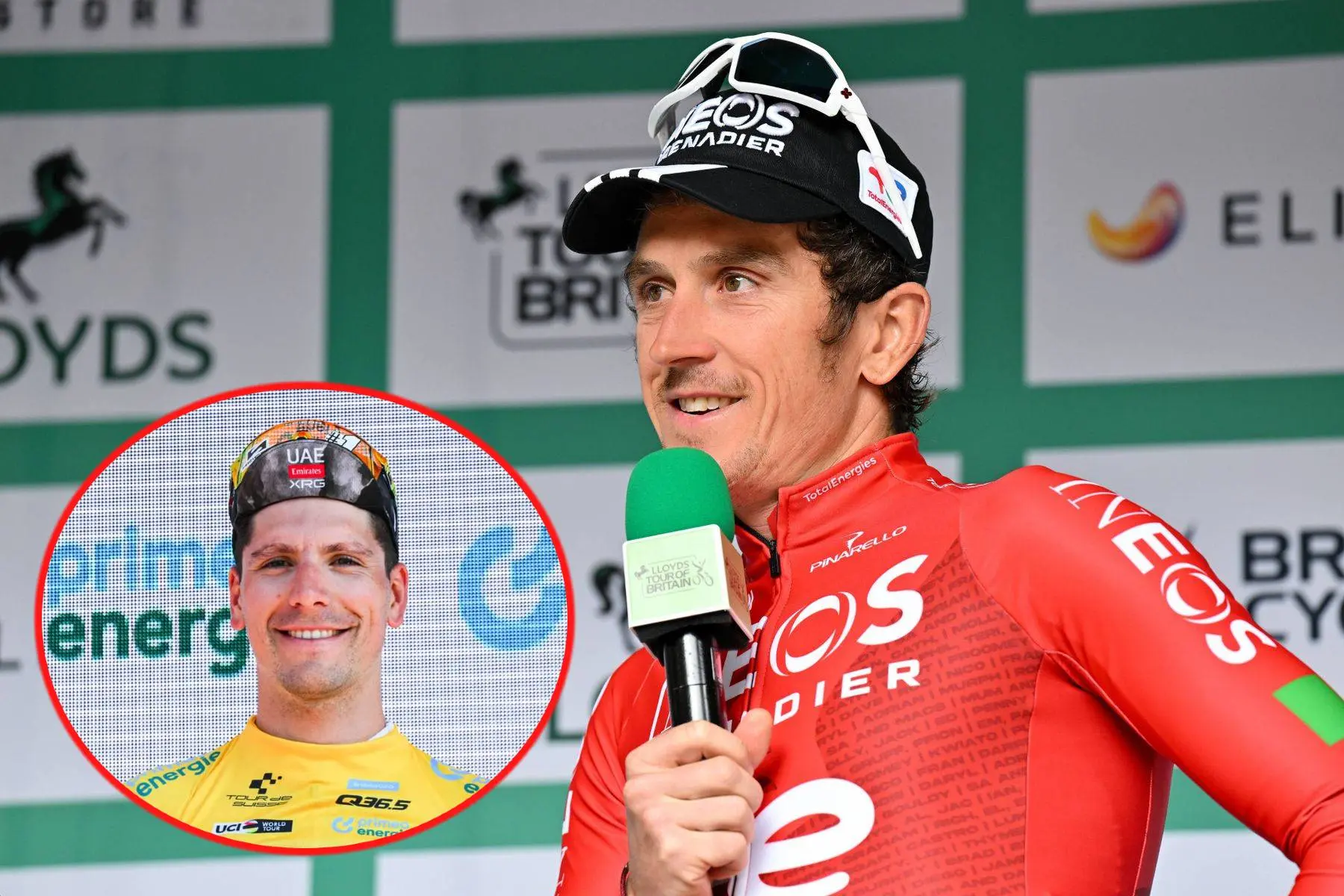
Thomas waved goodbye to his pro career at the 2025 Tour of Britain
A different kind of investment
INEOS began 2026 with early victories and renewed momentum after a period of recalibration. Whether Thomas deserves direct credit is not something he claims. “You should ask them whether I’ve had a positive impact. I just try to be a sounding board when they need one. I don’t claim to know all the answers, but I’ve seen and experienced a lot over the years.”
Yet his emotional investment is clear. When Carlos Rodriguez lost the lead at the Tour de la Provence, Thomas felt it deeply. “When Carlos Rodriguez was leading the Tour de Provence but was beaten by Riccitello, I felt really bad,” he admitted. “It’s the riders who have to cross the line first, not me. That’s the strange thing about my job.”
That strangeness defines the transition. The pressure remains, but it is refracted. Control has shifted from execution to influence.
“Nineteen years in the professional peloton is enough for me. No, I don’t miss racing and I’m really happy in my new role,” Thomas said. “I can also see how the team is evolving again in the right direction, how everyone is rowing in the same direction. There’s still a lot of work to do. We’ve started well, but it’s only February and the real work is still to come.”
For a rider whose career was defined by precision and process, redefining control may be his most subtle challenge yet. At INEOS, success is no longer measured by how fast he can go, but by how effectively he can help others do the same.
Kieran WoodDeputy Editor-in-Chief
Kieran Wood is a sports journalist based in Wales and has been active in journalism since 2022. He regularly contributes to DartsNews.com and CyclingUpToDate.com, where he covers professional cycling and darts. In cycling, his work includes liveblogs from major races, including the Tour de France, the Giro d’Italia, and La Vuelta a España, alongside race reports and analysis. He has also conducted interviews with professional riders.
His reporting spans the full racing calendar, from one-day classics to stage races, with a focus on accurate, real-time coverage and clear contextual analysis. For statistics, results, and historical context, he regularly uses resources such as ProCyclingStats. To support reporting on rider activity and training context where relevant, he also references Strava.
In his work, Kieran places strong emphasis on careful sourcing, editorial accuracy, and updating articles as new, verified information becomes available.
claps 0visitors 0
Just in
Popular news
Latest comments
- He didn't even try to sprint all outvappaxbipmv18-10-2026
- Campenaerts looked like a rolling pumpkin with that all orange leaders skinsuit !frieders318-10-2026
- He can take his dumb a$$ politics somehwere else !frieders318-10-2026
- good to have her back. fingers crossed she‘ll be able to stay!Ketterechts17-10-2026
- A tenner and he wins the Tour next year, too 😂anonymouscyclist17-10-2026
- the answer is either stick to classics or GTs but not bothabstractengineer17-10-2026
- the exodus already stared with Ciccone. Already they were struggling with two sprinters, now there are three. Also Ganna will demand leadership. Gall is the most proven GC, Ayuso has the most potential. GC leadership for everybody will be impossible. Literally a UAE style mess without pogi.abstractengineer17-10-2026
- I raced as an amateur for 12 years, including six years on my country’s national road cycling team. I secured two national titles and competed in three World Championships plus more than 15 international stage races. At 23, we travelled to Italy for a training camp—or so I assumed. On a rest day, we watched a presentation about adopting a more “professional” training approach. It was crystal clear what “professional” meant. That moment first exposed me to this dilemma. After returning from Italy, I left cycling—at least at the competitive level I had known. Over the following two years, the whole team was caught doping. I hold that everyone is innocent until proven guilty. In my view, current stakeholders operate on a different scale, and the sums involved are vast. I am unsure whether any doping would ever be revealed. I try to stay positive and enjoy the show. My 2c.
 vannpelt17-10-2026
 - Fiver he wins 🤣
 leedorney17-10-2026
 - “…measures to reduce speeds.” Might as well shorten the race course to just 50km as well? ASO generates at minimum €300m a year and 30- 40% profit. Maybe stop being greedy and spend more of the profit to protect the riders instead.b3tlla17-10-2026
Loading
1 Comments