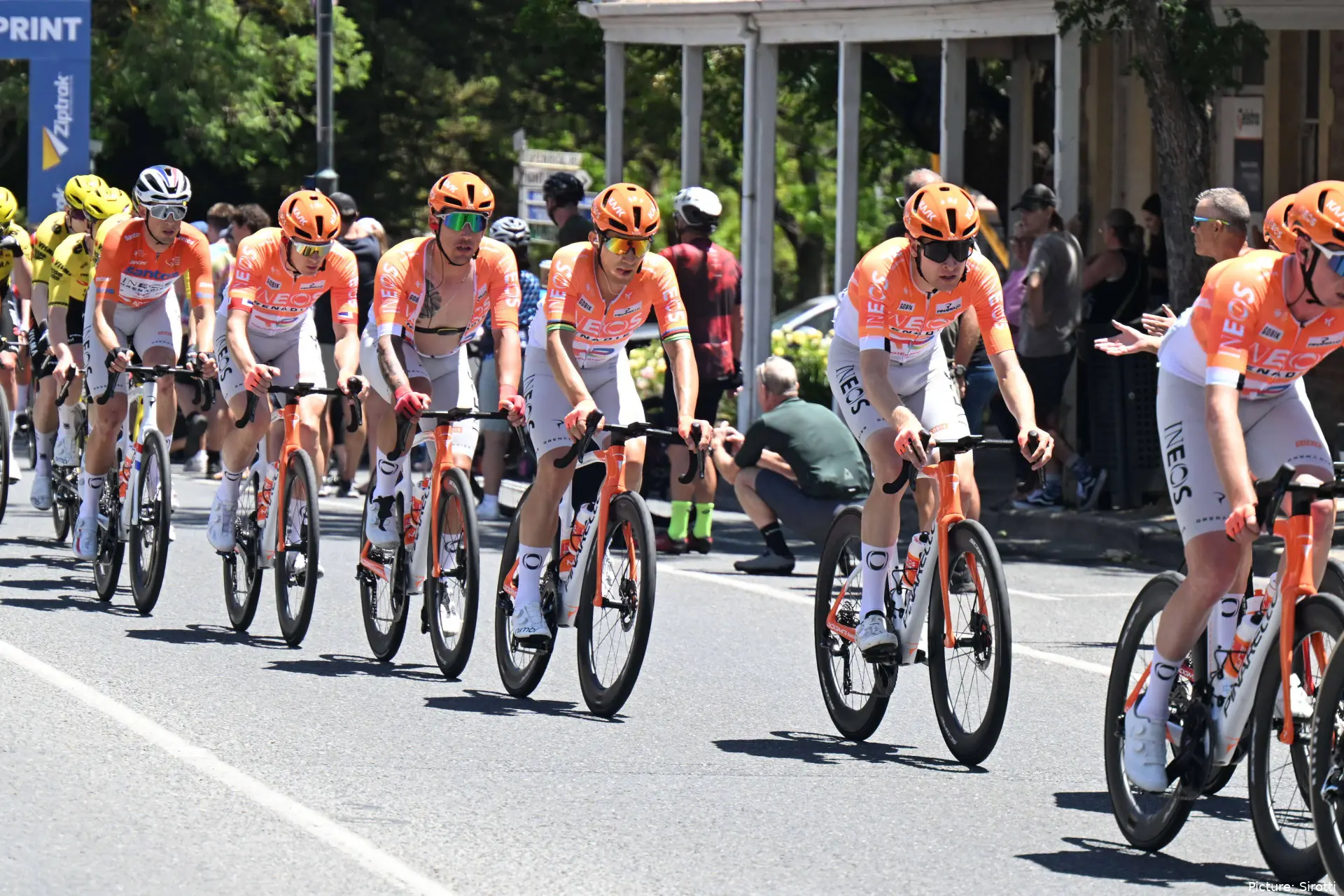
Almost 18 months after appointing him to spearhead a new performance direction, INEOS Grenadiers have ended their collaboration with Mehdi Kordi.
Respected journalist Daniel Benson reports on his SubStack that Kordi left the British WorldTour outfit last week, despite still being listed on the team’s website at the time of publication.
Kordi joined INEOS in October 2024 as Head of Performance Support and Innovation, arriving with a formidable track pedigree.
As national coach of the Dutch sprint programme, he had overseen a haul of Olympic medals in Paris and multiple world and European titles. His appointment was framed as part of a broader performance restructure inside the team.
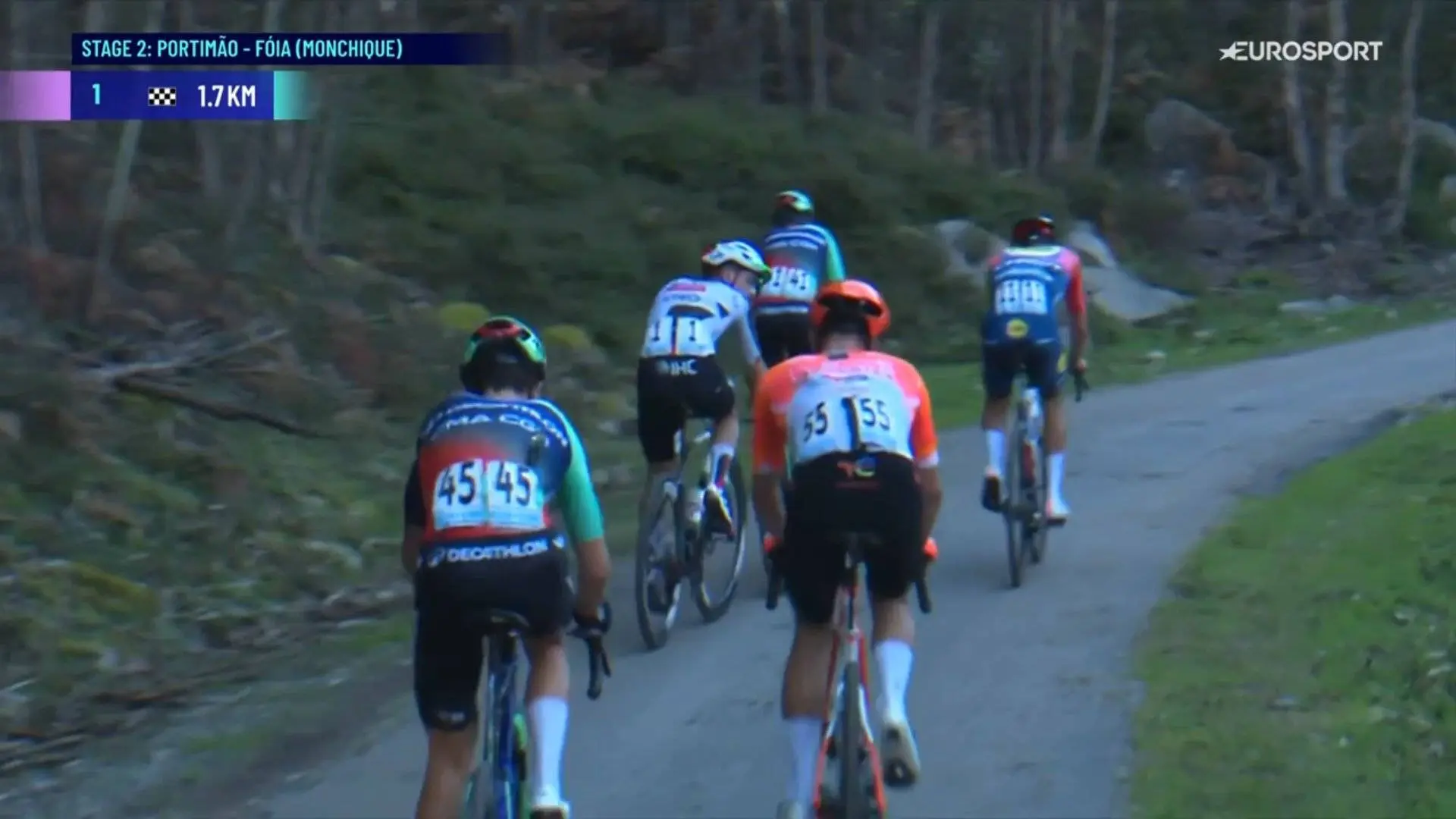
From velodrome success to road adaptation
The logic behind the hire was clear. INEOS were seeking marginal gains and fresh thinking at a time when rivals had surged ahead in key areas of performance and race execution. Kordi’s background in elite track sprinting offered a different lens on speed, aerodynamics and neuromuscular optimisation.
One of the most visible early projects under his remit was the attempt to sharpen Caleb Ewan’s lead-out and finishing speed ahead of the 2025 season. Ewan spent time back on the Manchester velodrome as part of that approach. However, the Australian’s unexpected mid-season retirement last May effectively curtailed what had been positioned as a sprint revival within the squad.
Kordi was also reported to have worked with time trial talent Joshua Tarling on track-based optimisation of his position, reinforcing the sense that INEOS were attempting to blend track science with road performance.

Caleb Ewan was initally hoped to play a key role in Kordi's work
A short chapter in a wider rebuild
The timing of the split comes amid a broader evolution at INEOS. The return of Dave Brailsford to a more hands-on leadership role and the transition of Geraint Thomas into a senior racing position have signalled a shift in emphasis towards structural clarity and modern race understanding.
Kordi’s departure does not erase the intent behind his hiring. Rather, it underscores the complexity of translating track dominance into sustained road success at WorldTour level. The performance department was one of several areas revisited after a challenging 2024 campaign, and change has continued into 2026.
INEOS have yet to issue a formal public statement regarding the split. For now, Benson’s report provides the clearest indication that the Kordi chapter has come to an end, marking another adjustment in the team’s ongoing rebuild.
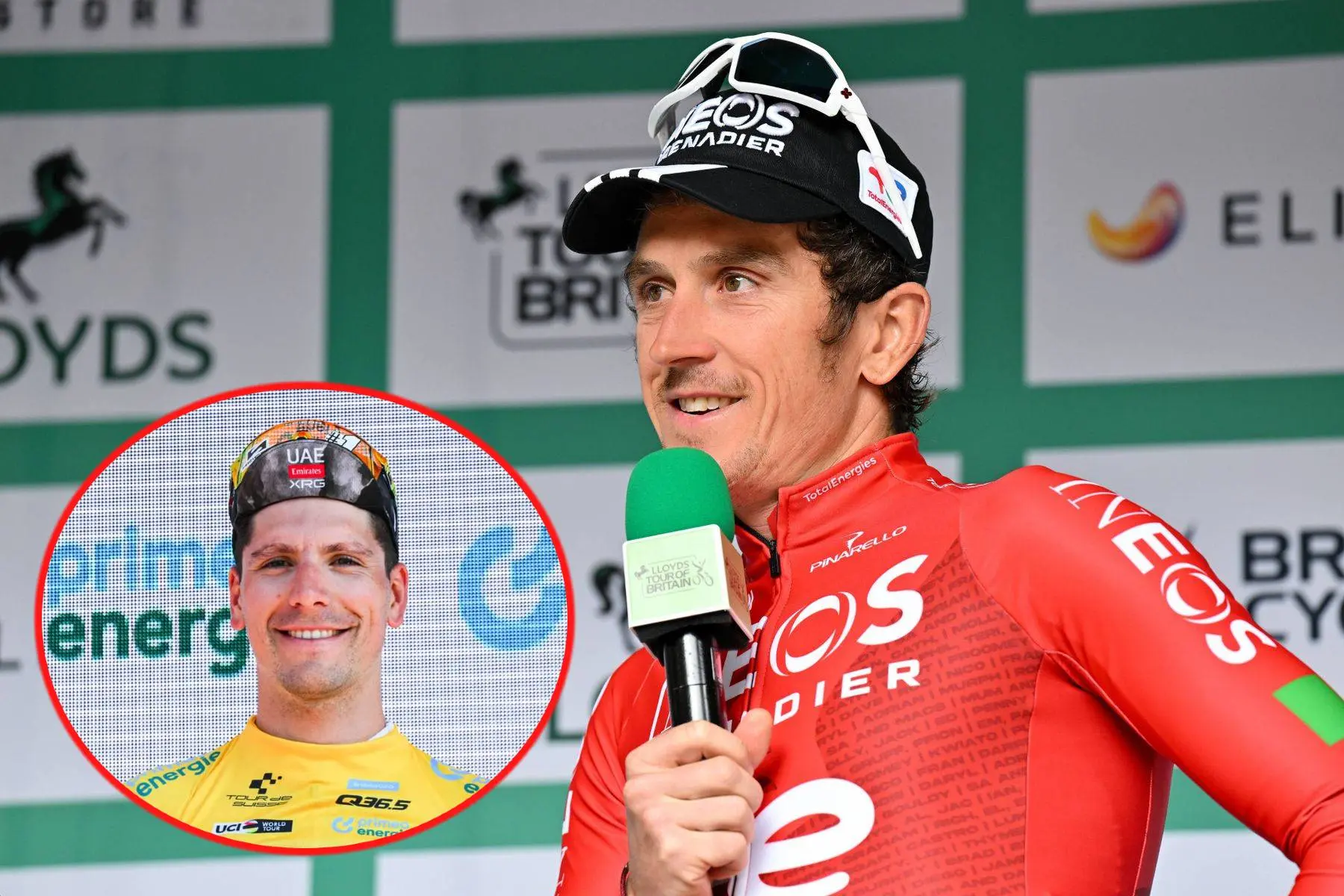

Kieran WoodDeputy Editor-in-Chief
Kieran Wood is a sports journalist based in Wales and has been active in journalism since 2022. He regularly contributes to DartsNews.com and CyclingUpToDate.com, where he covers professional cycling and darts. In cycling, his work includes liveblogs from major races, including the Tour de France, the Giro d’Italia, and La Vuelta a España, alongside race reports and analysis. He has also conducted interviews with professional riders.
His reporting spans the full racing calendar, from one-day classics to stage races, with a focus on accurate, real-time coverage and clear contextual analysis. For statistics, results, and historical context, he regularly uses resources such as ProCyclingStats. To support reporting on rider activity and training context where relevant, he also references Strava.
In his work, Kieran places strong emphasis on careful sourcing, editorial accuracy, and updating articles as new, verified information becomes available.
claps 3visitors 3
Just in
Popular news
Latest comments
- And, if I’m correct, the first monument win for this legendary team which I still call AG2R with their garish brown shorts ;)anonymouscyclist10-10-2026
- Seixas just raced a splendid race, with timing and patience and leveraging the work of all the other teams - Yates led him out beautifully, oops. A beautiful ride, truly showing off what was made clear at Strade Bianchi and Liége-Bastogne-Liége. Well deserved champion, and a new first time Monument winner for the first time in quite a while (Philipsen 2024)!RidesHills10-10-2026
- Phwoar… Chapeau Seixas. Chapeau. Taking Lombardia today has all the makings of a generational breakthrough. I have a feeling we’ll be looking back at this win as his career-defining moment.anonymouscyclist10-10-2026
- Is Del Toro goin to sh*t his pants back there???? Yep...he sh*t his pants!!!PogiSloFans10-10-2026
- Imagine being a cycling analyst and not knowing off the top of your head, a handful of riders who wanted to do the very thing he is saying no rider has ever wanted to do. There are many riders, both men and women, who choose to take a break, and spend more time with their family. Jonas, WvA, Carapaz, and Lizzie Deignan come to mind. Give me a break.anonymouscyclist10-10-2026
- Enter Paul Sexias, Bye Remco no ballsabstractengineer10-10-2026
- Bravo Seixas!!! It just goes to show what BS UAE and Del Toro are without Pogi. It just goes to show that Remco "the great" is not great. Did he win the WC? NO!!! Is he going to win Il Lombardia-a Monument? NO!!! He won a BS second class race in Slovenia (my country), but when it comes to the "big boys" he's nothing (not including ITT). In the end of the cycling season 2026, we can all see why Pogi is THE GOAT...and we can all see a new rising star PAUL SEIXAS. Everything else is a sad sad story.PogiSloFans10-10-2026
- This aged badly…anonymouscyclist10-10-2026
- Come on Seixas! This will be transforming for the young Frenchman’s career if he wins this…anonymouscyclist10-10-2026
- I know, news flash - a Dad isn’t a baby sitter. he is a parent. I can only assume something was lost in translation.mij10-10-2026
Loading

Breaking news: Ineos Grenadiers and Mehdi Kordi part ways 🇬🇧 Appointed in 2024, the Head of Performance Support and Innovation left last week dnlbenson.substack.com/p/breaking-new…

2 Comments