UAE Team Emirates - XRG's failed experiment could be a Tour de France game-changer - How lactate gels could be crucial this summer
Cycling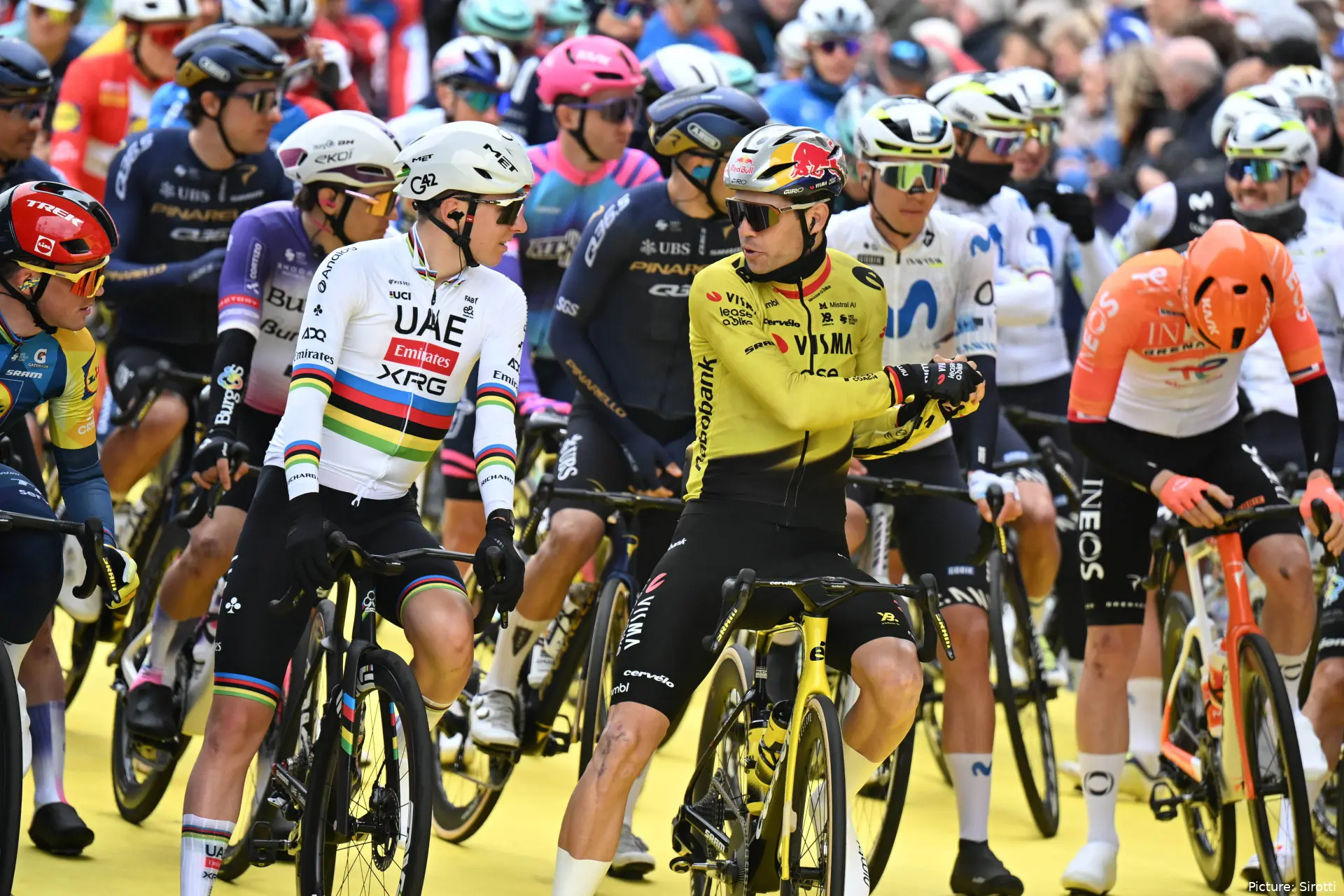
For years, cyclists have linked lactic acid to one of the bike’s most uncomfortable sensations. That moment when the legs start to stiffen, the effort bites harder, and holding pace feels increasingly difficult. But what if that changes at the next Tour de France 2026?
Lactate build-up has traditionally been seen as an unwanted consequence of intense efforts, something to flush out as quickly as possible to restore the riders’ performance.
However, that view may be shifting significantly, as reported by Wieler Revue. A new line of research and development in sports nutrition is placing lactate at the center of the debate, to the point where some specialists believe it could become a key tool for elite cyclists.
The idea is not new. For decades, scientists and performance experts have tried to find a way to introduce lactate during high-intensity exercise. The goal has always been to harness its potential energetic benefits and optimize the athlete’s physiological resource management in the most demanding races.
The theory behind this strategy is especially appealing. According to its advocates, ingesting lactic acid at low-intensity moments would promote fat use as a fuel source, preserving carbohydrate stores. That energy conservation could become decisive when explosive efforts or pivotal climbs arrive.
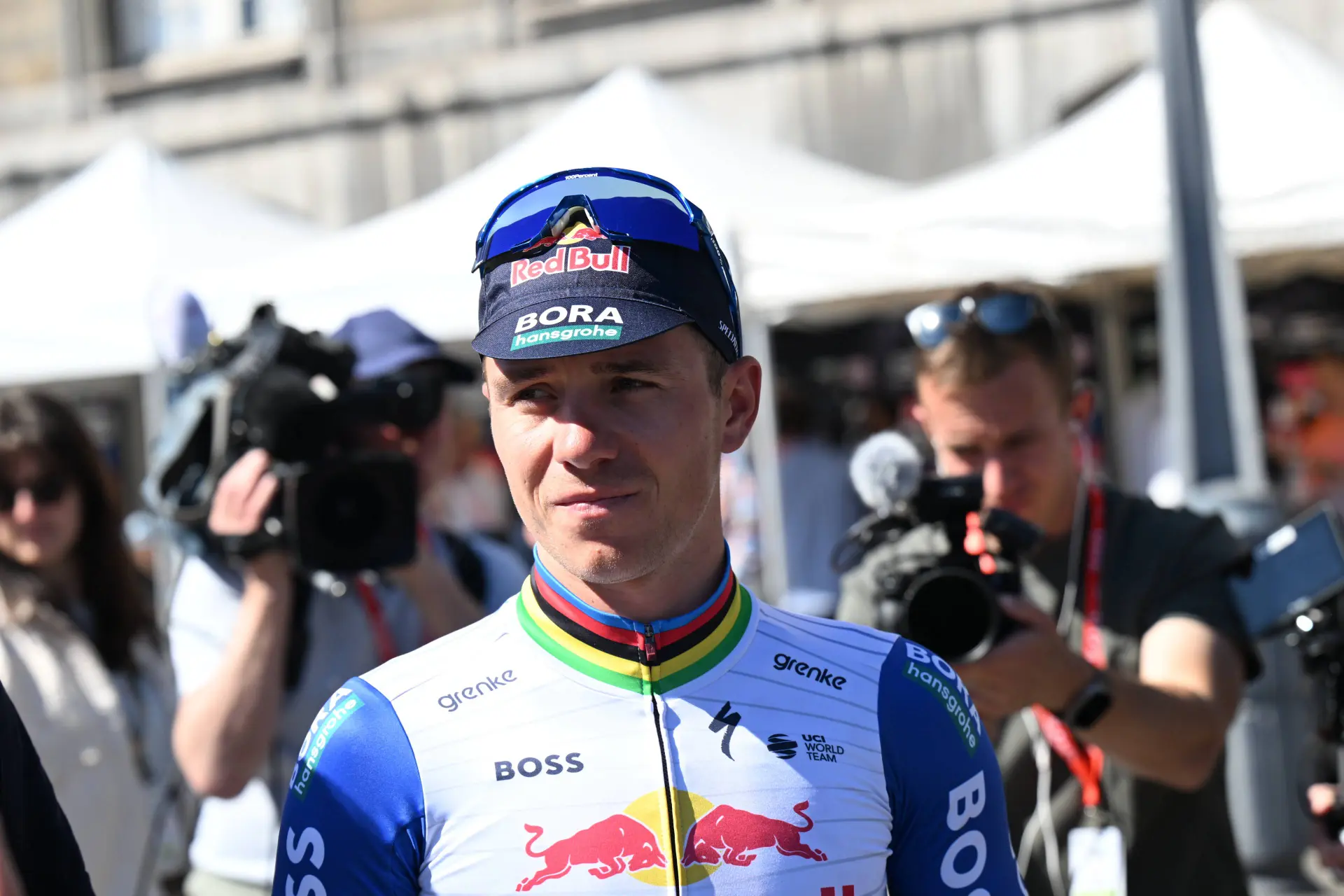
The failed attempt by UAE Team Emirates
In peak-demand scenarios, such as major mountain passes or decisive attacks in a stage race, the body would then tap into those reserved carbohydrates to generate immediate power. In addition, lactate also appears as a potential fuel for the brain in the closing phases of especially long and demanding days.
Despite the interest sparked by this line of work, attempts to turn it into practical reality have not always delivered. One of the best-known cases came in 2022, when UAE Team Emirates - XRG tried to develop a polylactate-based solution.
Tadej Pogacar’s team backed a blend that combined this compound with high amounts of carbohydrates. The intention was clear: to find a formula capable of offering a significant competitive edge in racing.
However, the on-bike tests did not deliver the expected results. The product showed major limitations and the available lactic acid concentration was too low to produce a noticeable effect. Another fundamental drawback compounded the issue: riders did not like the taste.
Faced with those problems, the project was shelved and the riders returned to the standard nutrition strategies currently dominating the professional peloton.
Aitor Viribay and the search for a definitive solution
The search did not end there. One name that has kept pushing in this direction is Aitor Viribay, a sports scientist with experience at NetCompany INEOS. For years, Viribay worked with culinary specialists on a project that combined physico-chemistry and modern techniques to solve a problem that had gone unanswered for decades.
The result is ExoLactate, an edible gel rich in lactate that, according to its developers, is completely natural. The product has already received approval from the relevant food authorities and has raised no objections from anti-doping bodies.
Viribay was notably upbeat when presenting the breakthrough, claiming that a barrier many researchers had tried to crack for roughly half a century had finally been overcome.

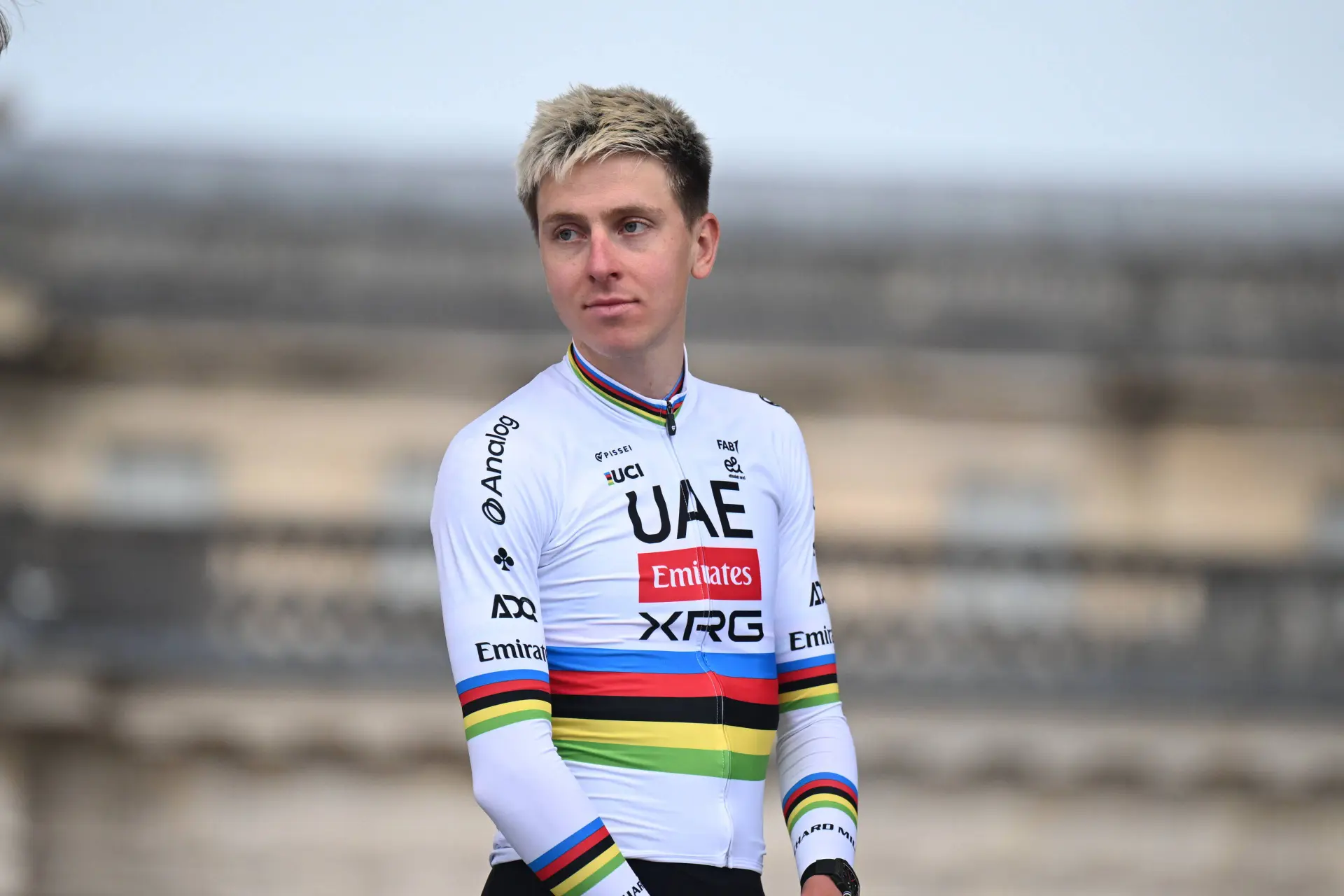
Tadej Pogacar, cycling star.
An innovation aimed squarely at the Tour de France
This innovation is now in production and has already been tested with elite athletes, including cyclists and ultramarathoners. Although it will take time to gauge its real impact in competition, the interest within performance circles is clear.
As a result, nutrition could become one of the major talking points in the coming months. Beyond traditional factors such as aerodynamics, conditioning, or grams of carbohydrate per hour, lactate is emerging as an element that could reshape how pros tackle the most demanding races.
Read also
If expectations are confirmed, lactic acid may cease to be seen solely as a byproduct of suffering on the bike and instead become one of the most valuable tools in the pursuit of performance.
Gavin QuinnCycling Journalist
Gavin Quinn is a cycling journalist and ultra-distance cyclist with a BA in Journalism from Dublin City University. Formerly the Press & Communications Officer for Cycling Ireland, Gavin has worked inside the national team at the World Championships and has reported for the Irish Mirror, Mirror UK, and The42.
His expertise is backed by elite-level access, having interviewed stars like Sam Bennett and Ben Healy, as well as immense personal endurance. In 2025, he completed a 12,000km solo cycle from Ireland to Vietnam, following a 4,600km tour across Europe. From the cobbles of Paris-Roubaix to the gradients of the Tourmalet, Gavin’s writing focuses on the "romance and brutality" of the sport. Having visited 50+ countries, he brings a global, cultural perspective to his coverage of the pro peloton for CyclingUpToDate.
claps 3visitors 3
Just in
Popular news
Latest comments
- Firstly, someone who says parenting is babysitting is delusional and shouldn't be taken seriously. Secondly, with pro athletes it is not the same as a normal worker. They are being rewarded for doing something for which they have a talent which doesn't actually help people (besides inspiration). It's quite a different dynamic
 Rafionain-Glas12-10-2026
 - only way for him to effectively learn to microdose is to go to uae. other than that there is no reason for him to go to uae.whkman12-10-2026
- that was a great win, and quite a surprise at the time. That was a loaded field, and he held of Valverde for the win. Still shocking that Valverde never won Lombardia. He seemed perfect for it. Mollema just went to work every day.mij12-10-2026
- I hope he races Volta a Majorca. We'll really be able to see if he can do one-day-races (but do they count?)Rafionain-Glas12-10-2026
- See, you can write a sensible comment without just slagging off everyone else! Well done!👏😆 🫣Lozza12-10-2026
- Seixas best chance is obviously UAE. They are the best team in history of the sport and they developed pogacar into the goat. They also developed Del Toro to be nr 2 in world. Seixas would become unstoppable at UAE. Lets see if Seixas stays at decathlon but if UAE comes knocking its impossible to say no. Barcelone and real madrid combined into one team, thats UAE in cycling it feels like..miguel12-10-2026
- I think he does or goes to whichever team gives him the scope to become the rider everyone thinks he'll be when Tadej stops.. that simpleslappers6612-10-2026
- I remember at one time he was mentioned in the same breath as Seixas. no more. Onley has a lot of work to do to be deserving of that.mij12-10-2026
- I hope he goes to Bahrain-Victorious to mentor JakobRafionain-Glas12-10-2026
- I hope he stays! Cycling is more fun with Primoz, even if he is not winning.mij12-10-2026
Loading
1 Comments