Key storylines from a historic 2026 Tour de France Grand Départ with Catalunya center stage
CyclingTuesday, 23 June 2026 at 14:00
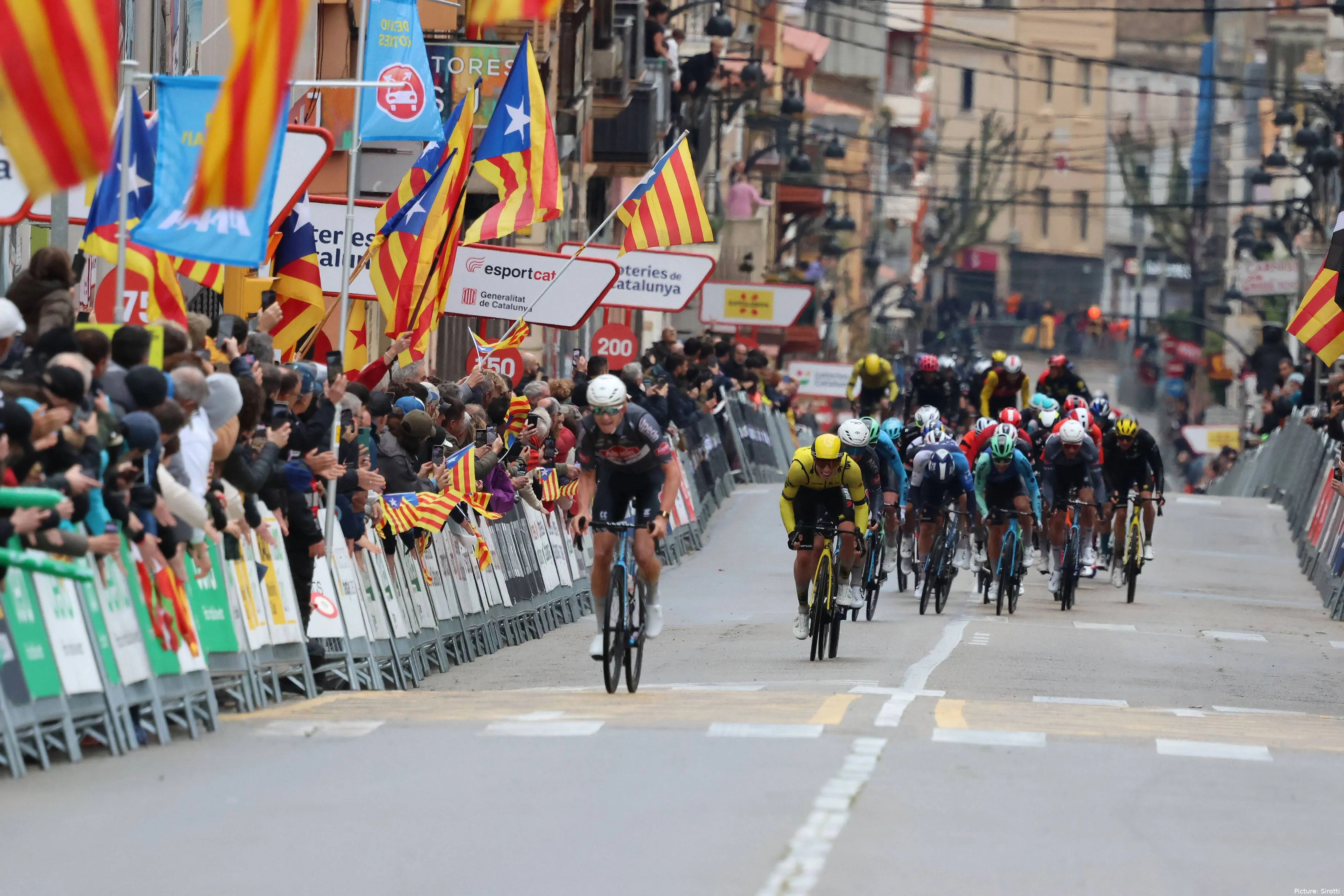
Catalunya will host a landmark date for world cycling in 2026. For the third time in its history, the Tour de France will start from Spain, with a Grand Depart firmly rooted in Catalunya. From the 4th to 6th of July, the opening three days will race on Catalan roads before the peloton heads into France.
Far from a gentle opener, the organisers have drawn up an explosive start that could create significant gaps in the general classification from day one. The blend of an innovative team time trial, a demanding medium-mountain stage with the Montjuïc circuit as judge, and a Pyrenean day towards Les Angles promises spectacle from the first flag drop.
The big favourites for yellow will have nowhere to hide. The race against the clock, Montjuïc’s punchy ramps, and the first summit finish will force the contenders to show their hand even before the first week is out.
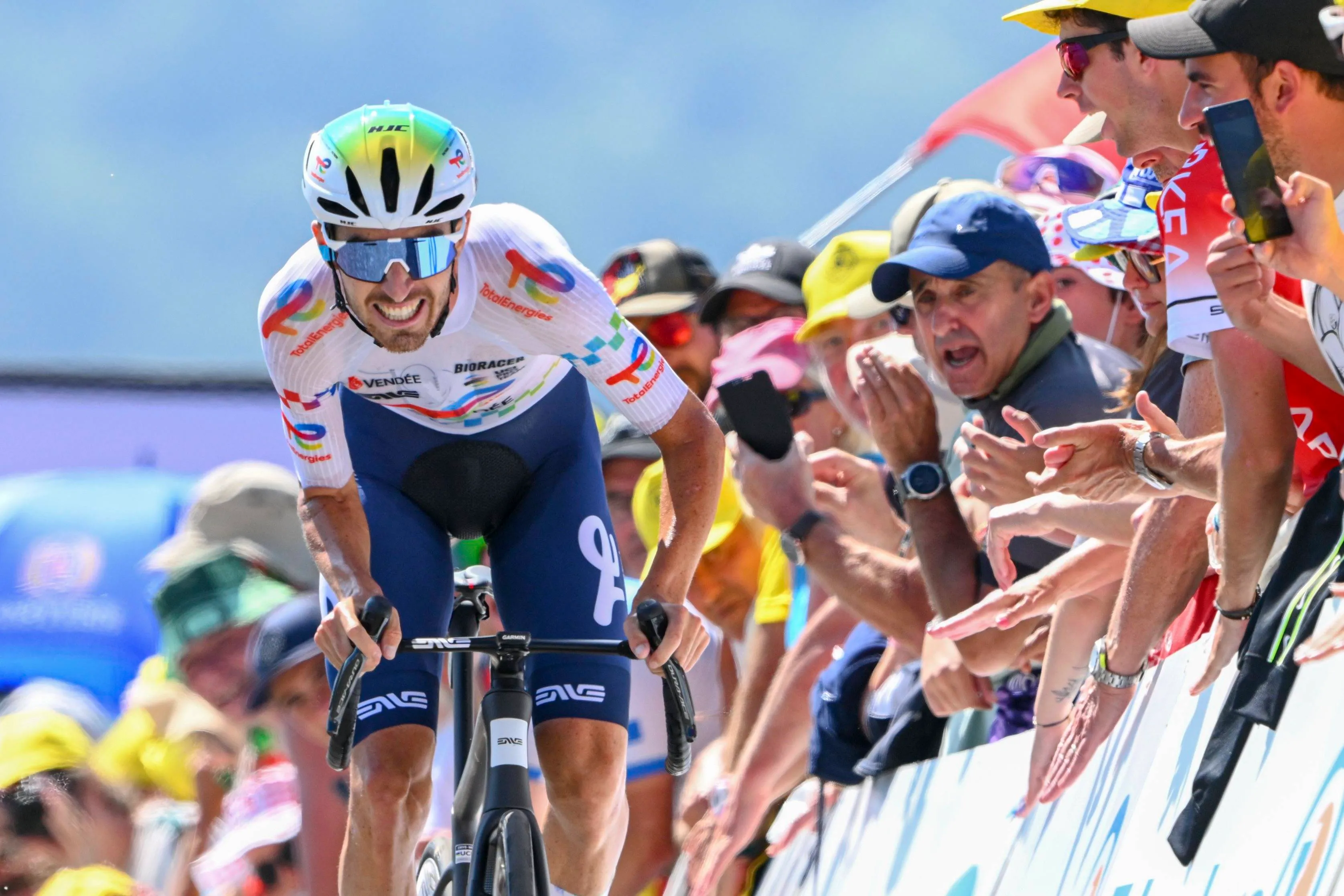
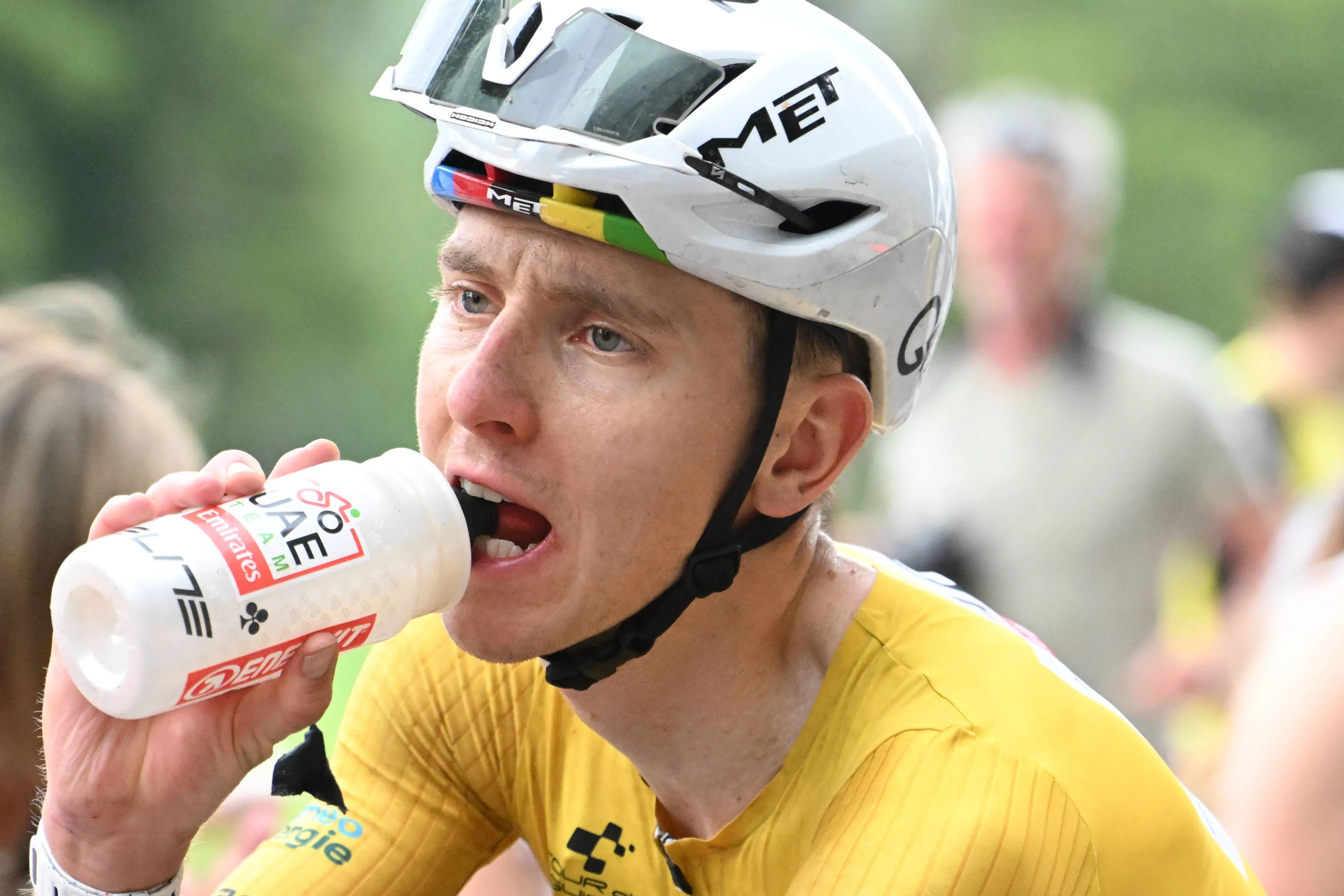
The 2026 Tour, with Tadej Pogacar as the clear favourite and Jonas Vingegaard as the main challenger. And exciting names like Remco Evenepoel, Paul Seixas, Florian Lipowitz, Isaac del Toro, and Juan Ayuso among the starters, aims to break with conservative openings, and Catalunya is the perfect area for it.
| Stage | Route | Distance | Elevation gain | Features |
| 1 (Friday 04/07) | Barcelona - Barcelona | 19.6 km | 200 m | Team time trial |
| 2 (Saturday 05/07) | Tarragona - Barcelona | 168 km | 2,500 m | Medium mountains with Montjuïc circuit |
| 3 (Sunday 06/07) | Granollers - Les Angles | 195.6 km | 3,850 m | Medium mountain stage finishing in France |
Read also
Stage 1: A game-changing team time trial to open the Tour

Barcelona - Barcelona (TTT, 19.6 km)
The Grand Départ launches in Barcelona with a 19.6-kilometre team time trial featuring a major twist on the classic format. Teams will ride together against the clock, but times will be taken individually for each rider, a system successfully used at Paris–Nice since 2023.
The route packs 200 metres of elevation gain and finishes on the climb to Montjuïc, where the general classification favourites will need to show early form. A poor collective display or an individual crack could mean meaningful time losses from the outset.
Christian Prudhomme, the Tour de France director, underlines the innovative nature of the stage:
“The 2026 Tour de France begins with something new. The last team time trial was held in 2019 in Brussels, but this time teams will face a very different format. The approach of taking individual times in team time trials has been tested successfully at Paris–Nice since 2023. One thing is clear: in this first test the favourites won’t be able to hide. The Montjuïc finale will reveal the strongest.”
Stage 2: Montjuïc once again decides among the best

Barcelona - Tarragona (168 km)
Day two takes the peloton from Tarragona to Barcelona over 168 kilometres with 2,500 metres of elevation gain. The headline act is the final Montjuïc circuit, a mythical Catalan cycling venue that often decides the Volta a Catalunya - however with a finale that is more difficult than what is traditionally seen on TV.
Relentless rises and drops, coupled with the day’s accumulated fatigue, make it prime ground for explosive riders and short-power specialists. Time gaps from the team time trial could also trigger early tactical moves.
Prudhomme does not hide the route’s sting:
“The Montjuïc hill is one of cycling’s essential backdrops, especially as it often hosts the Volta a Catalunya’s final finish. The most powerful puncheurs will feel at home here: the last three winners on Montjuïc, Primoz Roglic (2025), Tadej Pogacar (2024) and Remco Evenepoel (2023), sketch the portrait of the likely victor. The accumulation of difficulties in the closing laps makes the circuit even more draining than in the Catalan spring appointment.”
Stage 3: first mountain battle en route to Les Angles

Granollers - Les Angles (195 km)
Stage three bids farewell to Catalonia and crosses into France. Starting in Granollers and finishing at the Les Angles ski station, the peloton will cover 195.6 kilometres and around 3,850 metres of climbing on a day with a clear taste of high mountains.
Before the French border, the riders must clear the first-category Toses (9.3 km at 6.5%) before heading deeper into the Pyrenean massif. Although the Les Angles finish climb is relatively short — 1.7 kilometres at 7% average — the day’s accumulated wear could still open gaps at the line.
For Prudhomme, the profile invites both GC skirmishes and a breakaway with a real shot:
“The assault on the Pyrenean massif on day three promises a carousel of protagonists, and the stage profile may well favour a baroudeurs’ break rather than a mobilisation of the world’s best climbers. Despite the stage’s 3,850 m of elevation gain and the ascent of the Col de Toses before leaving Spain, the visit to the plateaus around Font-Romeu and the climb to Les Angles (1.7 km at a 6.5% average) will likely serve as a springboard for a surprise guest.”
claps 0visitors 0
Just in
Popular news
Latest comments
- But this thread started when someone was pointing at Tadej for not just walking off the Tour de Suisse to put his family first. And the media often commend Jonas for putting family first. Maybe no need for any outrage at all.Hills3323-06-2026
- It's better that he won't be riding in the French flag
 Rafionain-Glas23-06-2026
 - Look at the list of the last riders who won on Montjuïc - it is a great list. Remco Evenepoel, Tadej Pogačar, Primož Roglič and... Brady Gilmore?Rafionain-Glas23-06-2026
- Don't be surprised when JV finishes 3rd.zaz23-06-2026
- I have a 22 year old son that enjoys cycling and watching it with me. thankfully, he knows nothing of the Armstrong saga.mij23-06-2026
- you are entirely missing the point either because you are argumentative or dense. I do not know how they exactly treated it. nor did I ever claim to. but, if a wound is treated and cared for properly, the chance of this type of infection is basically nil. The fact that they had 2 riders get road rash - you can see the pics - and have infections that required surgery makes me question what the team did. That is all I'm saying, and it is more than a fair question, because it is statistically beyond unlikely this would ever happen. Like less than 0.5%. so the question - what is this team doing to treat these wounds - is based on the statistics around these types of infections. and the stats say it will not happen in 99.5 out of 100 chances. and last I checked this is an opinion board in which people like me can state an opinion, for you to question, which you have. and when challenged you answer questions with questions.mij23-06-2026
- No doubt Seixas is talented - I believe Maxtin may be either fantasizing out loud about a possible French champion, or feebly trying to get into rivals heads. Plus he compares to Jonas in the giro, where it sure looked like he was comfortable the entire time as he easily beat an admittedly far weaker field Let’s see where young Paul is in week three before we decide anything.Crashjames23-06-2026
- Perhaps if he was from the English-speaking world, and Lance Armstrong hadn't already existed/poisoned the whole thing - he already would be. As it stands, the Average Joe doesn't understand pro cycling, and only knows it as "that thing where people cheat" - so sadly he's never going to get the crossover exposure he's earned. I mean, he can dry his eyes on his millions of Euros and legions of devoted fans as it is but yeah, pro-cycling isn't a fundamental sport kids play/learn to understand at school, so at best it's being "the world's best guy at that thing they proved was all lies and bullshit". Unfortunately.antipodeanpedalfan23-06-2026
- Tadej's six minutes over his rival in the course of 5 days is even more impressive.
 KerisVroom23-06-2026
 - Lipo is delighted that Remco is there. Remco is the lightening rod that will attract the most scrutiny. Also there is a 50-70% chance Remco will fail due to bad day, sickness or crash while Lipo can make it into the podium or top 5. Remco will attack while Lipo tries to benefit behind. So all the criticism will fall on Remco while Lipo will receive all the plaudits. Media narrativeabstractengineer23-06-2026
Loading
1 Comments