“Let’s not lie to ourselves” - Former Tour de France stage winner says Tadej Pogacar holds genetic advantage over Maillot Jaune rivals
Cycling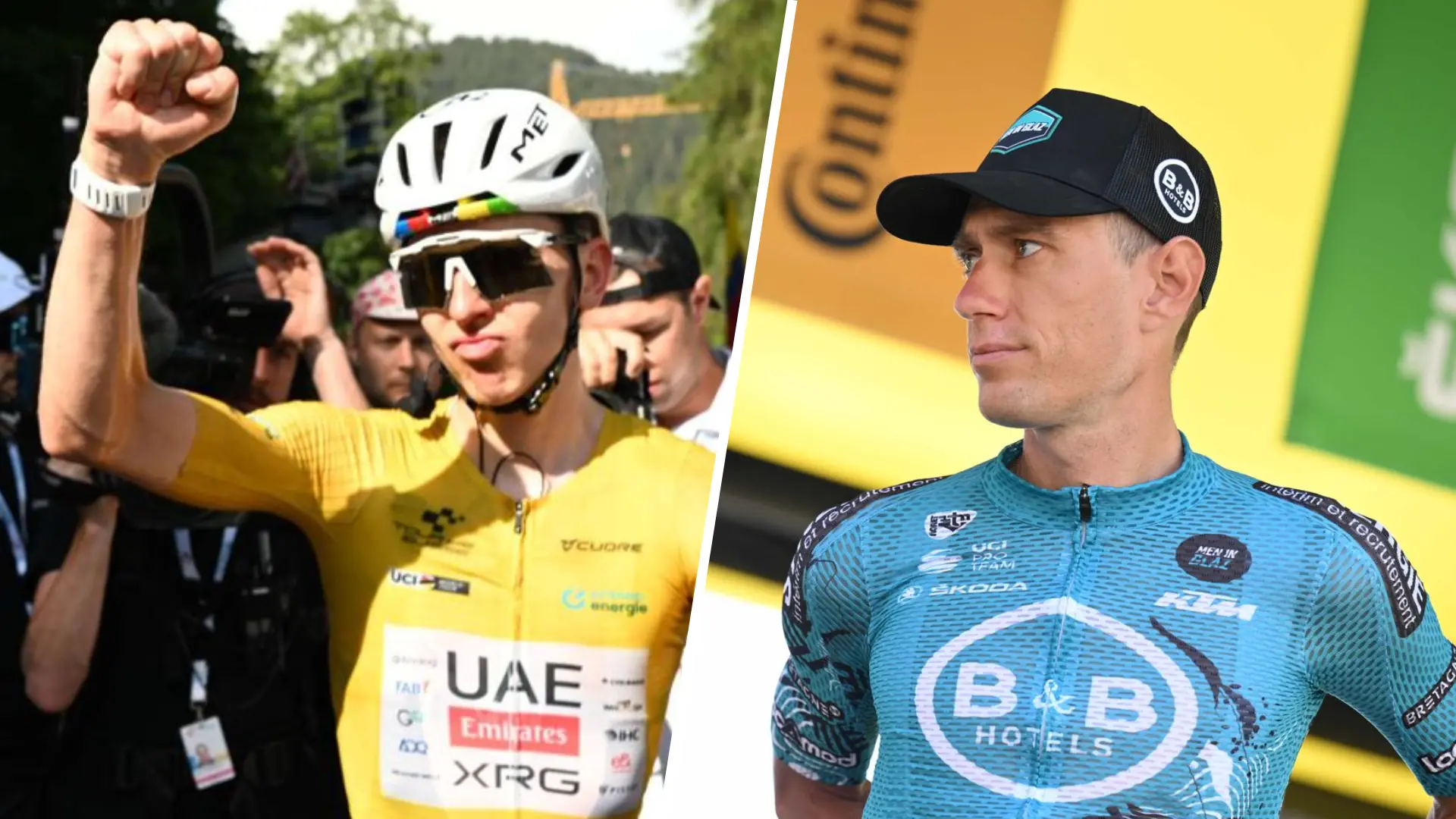
Tadej Pogacar’s Tour de France rivals have been handed a blunt reality check by Pierre Rolland, with the two-time Tour stage winner arguing that mentality cannot turn a rider into a yellow jersey contender if the physical engine is not already there.
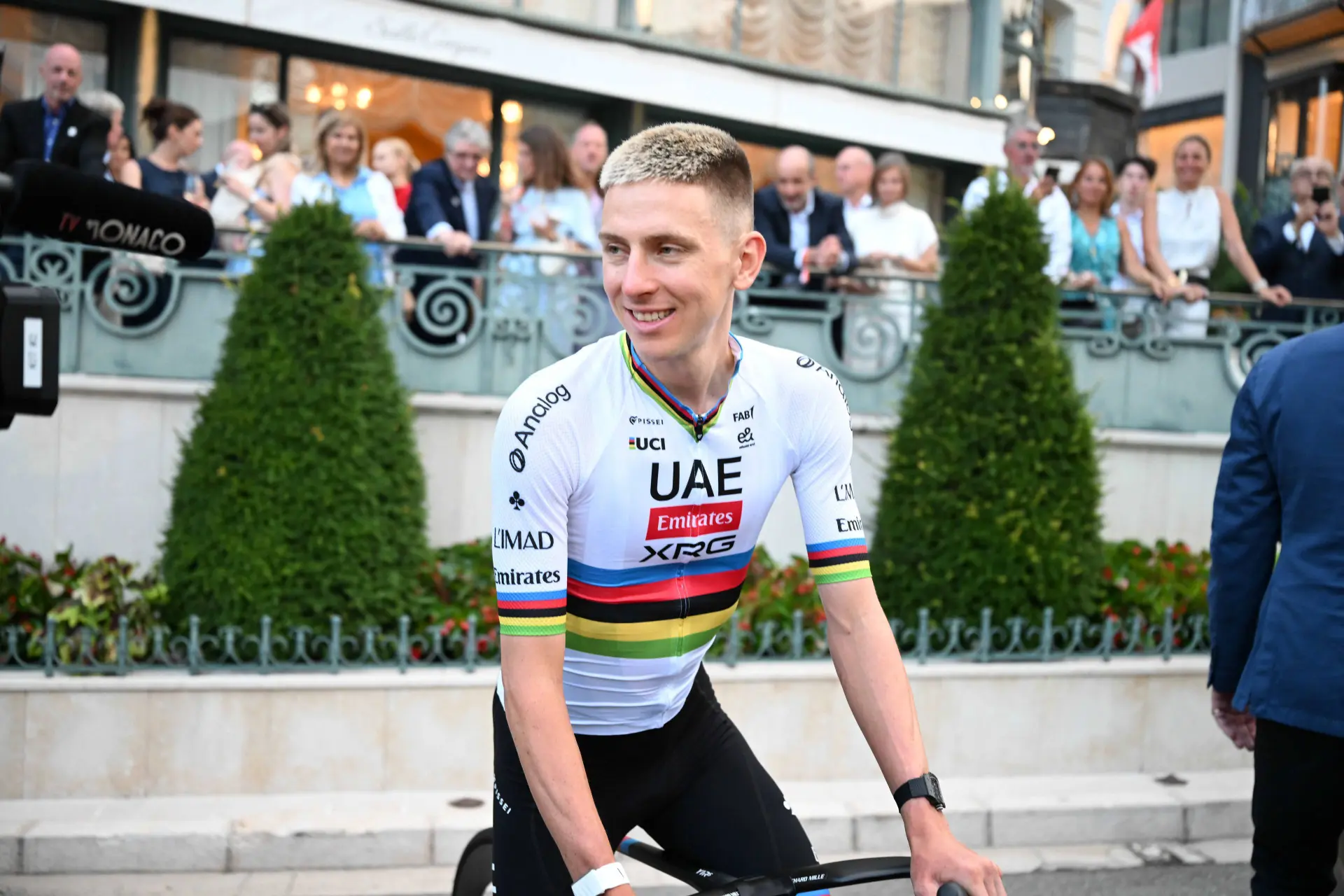
Pogacar goes towards the Tour de France after another dominant stage-race performance at the Tour de Suisse, where he won three stages, took the overall title and finished 6:32 clear of Richard Carapaz. For Rolland, speaking on RMC Sport, the identity of the favourite is not complicated.
“My favourite? I am not going to be very original: Tadej Pogacar. He is the strongest, let’s not lie to ourselves,” said Rolland.
The question then moved beyond Pogacar’s status as favourite and into what his rivals can realistically do against him. Team strength and mental resilience remain part of the Tour equation, but Rolland put a hard ceiling on how far those qualities can take a rider without the right physical base.
“If you do not have the right genetics, at some point you hit a limit”
Rolland’s answer cut straight into one of the most uncomfortable parts of Grand Tour racing. The Tour de France rewards preparation and tactical discipline, but only within the limits set by physiology.
“I am going to kill off a little bit the idea of everyone who imagines that you can just have a strong mentality and get there one day,” Rolland said. “First of all, if you do not have the right genetics, at some point you hit a limit.”
The Frenchman did not present the gap to Pogacar as something that can simply be solved by training harder. He framed Tour-winning potential around an underlying physical engine, with mentality only useful once that engine is already strong enough.
“You can have the biggest mentality in the world, train more than everyone else and all the rest, but if you do not have the engine to begin with, you cannot be a great Tour champion,” he continued.
Rolland used his own career as the example. He won twice at the Tour de France and finished eighth overall in 2012, but said he knew where his physical ceiling sat. “In my career, I had the mentality, but at a certain point I could not go any higher because physically I could not go there,” he said. “I knew that beyond seventh or eighth place at the Tour, I could not do it, because physically I could not.”

Rolland retired from the pro peloton at the end of the 2022 season
Rolland still sees mentality as part of Pogacar’s edge
Rolland did not dismiss mentality altogether. He described it as the difference between a gifted rider and one who fully uses that gift, rather than something that can create a Tour champion from the wrong physical starting point.
“I could train hard, be a killer in training, have a crazy mentality,” he said. “But on the other hand, a gifted rider, someone who is very, very, very strong, if he does not have the mentality, he will not optimise everything. He will not get 100% out of himself.”
That leaves Pogacar’s rivals with two problems rather than one. They need the physical level to match him across three weeks, then the mentality to stay with him when the race opens.
“So it is possible that there is someone who is as strong as Pogacar, and that Pogacar is mentally above him,” Rolland said. “But let’s say that without the physical side, you cannot claim to be an immense champion in an endurance sport.”
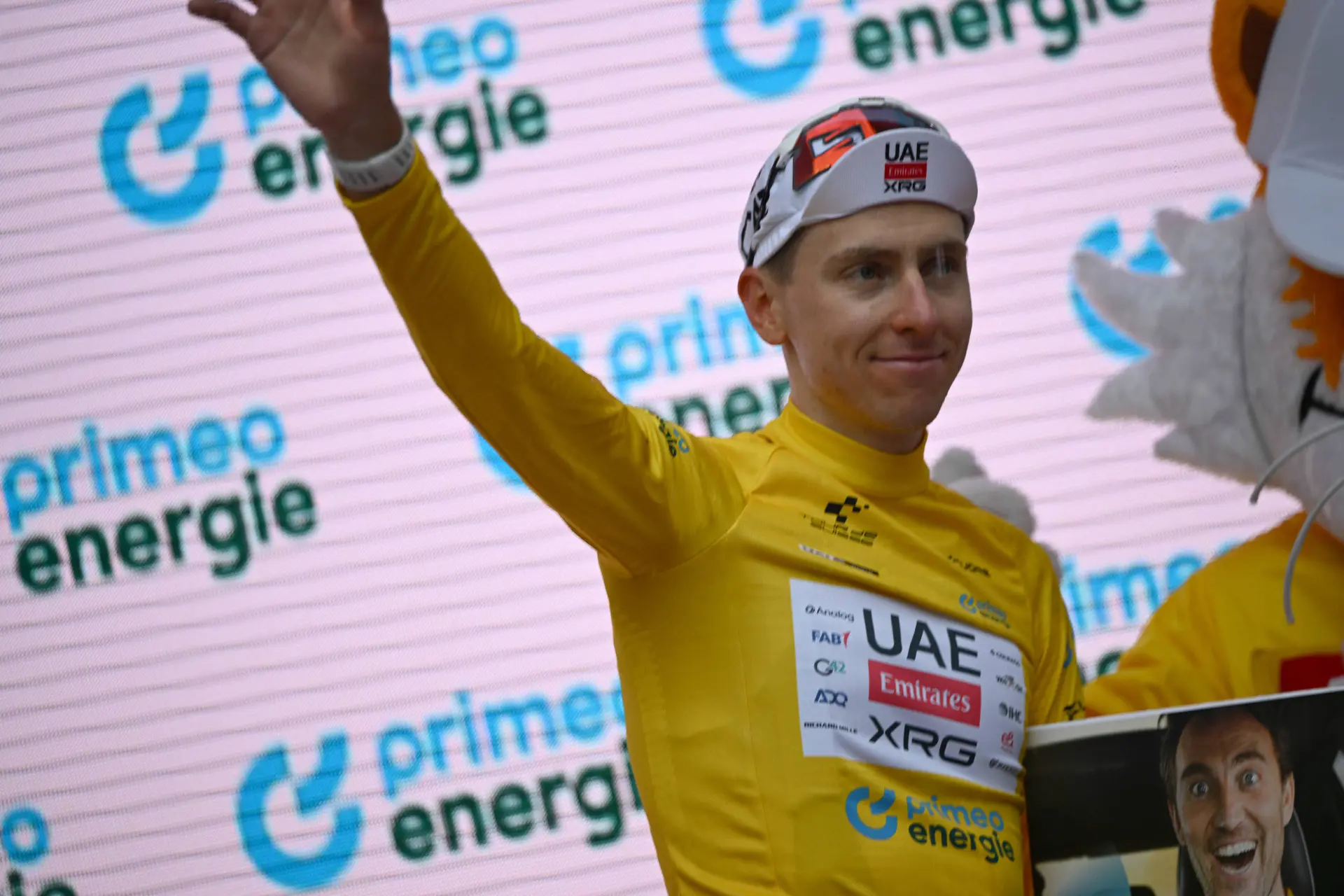
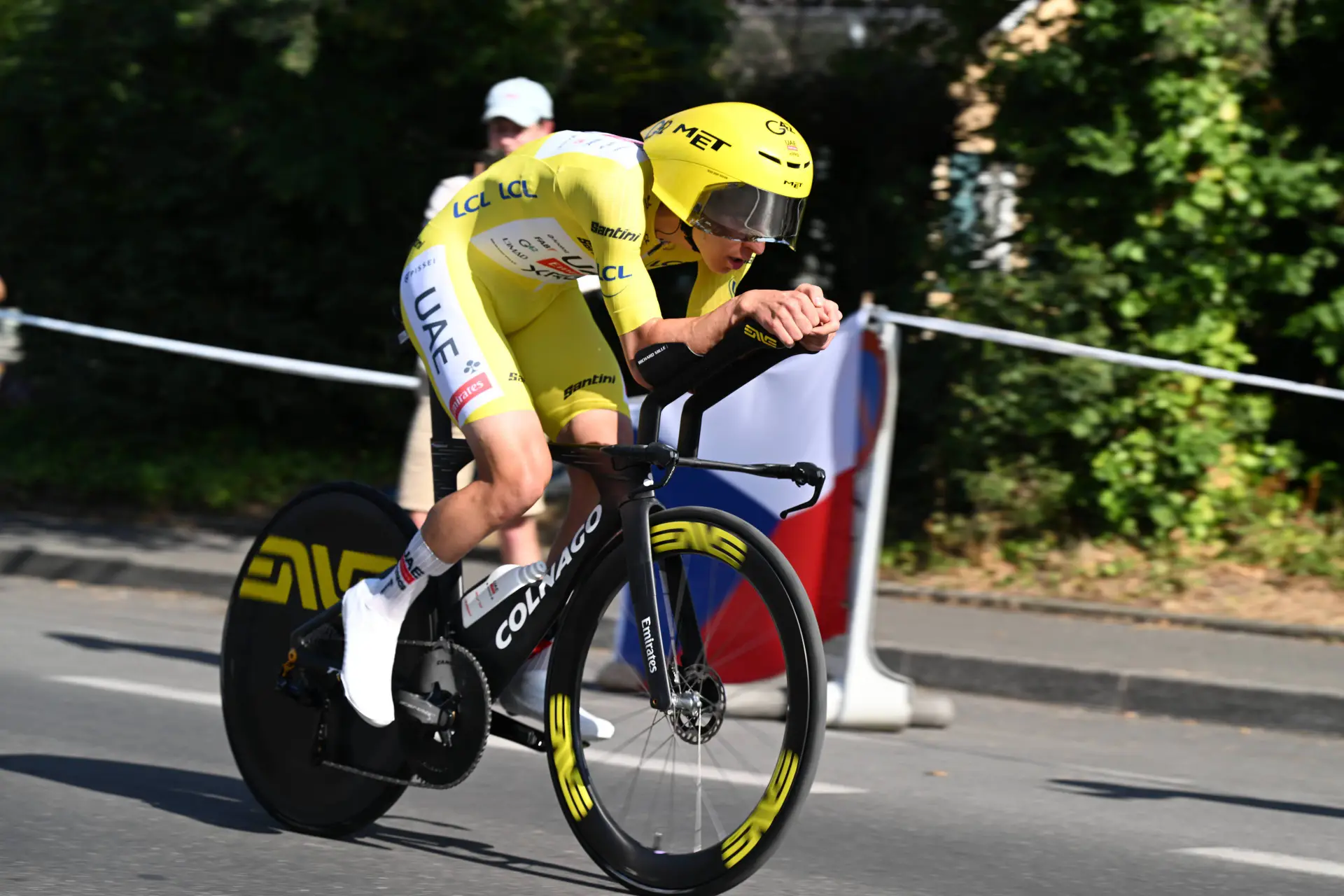
Pogacar’s Tour de Suisse only sharpened that picture. He attacked from long range on stage 1, beat Mathieu van der Poel by four hundredths of a second in the stage 4 time trial, then hunted down Lenny Martinez on the final climb to win stage 5 and seal overall victory.
His Tour rivals can arrive with form, belief and strong teams around them. Rolland’s warning is that none of it changes the first question of the Maillot Jaune fight: whether anyone else has the engine to match Pogacar when the race hits its hardest ground.

Kieran WoodDeputy Editor-in-Chief
Kieran Wood is a sports journalist based in Wales and has been active in journalism since 2022. He regularly contributes to DartsNews.com and CyclingUpToDate.com, where he covers professional cycling and darts. In cycling, his work includes liveblogs from major races, including the Tour de France, the Giro d’Italia, and La Vuelta a España, alongside race reports and analysis. He has also conducted interviews with professional riders.
His reporting spans the full racing calendar, from one-day classics to stage races, with a focus on accurate, real-time coverage and clear contextual analysis. For statistics, results, and historical context, he regularly uses resources such as ProCyclingStats. To support reporting on rider activity and training context where relevant, he also references Strava.
In his work, Kieran places strong emphasis on careful sourcing, editorial accuracy, and updating articles as new, verified information becomes available.
claps 20visitors 16
Just in

Popular news
Latest comments
- We also don't know how much Pog was really putting into gaining time. Feels like watching Usain Bolt, where you can only wonder how much faster he'd have gone if he was sprinting 100% to the line, instead of being two feet ahead and starting to pull up with ten yards to go. If any of the other riders really started to close in on Pog, I do think he'd simply have gone even deeper and crushed them. I would really like that kind of race though, none of this "4 minutes lead by the first rest day" trouncing. So if introducing more TT and less summit finish makes the race go more to the wire, I'm all for that. I don't think it'll change the outcome necessarily, but it'll make the whole thing less of a foregone conclusion by week 2.wrsty23-10-2026
- That nearly is 7 mins and you win GTs comfortably by 2 mins. Remco fans - he almost won the TDF, He beat Pogi twice in the mountains this year.abstractengineer23-10-2026
- What would be your preferred Tour design then? Just out of interestwrsty23-10-2026
- I like Remco but even I'll admit he didn't get anywhere close to Pogacar, just like everyone else.megasmacky23-10-2026
- That's what y'all said this year, "remco will come fifth"bruins3022-10-2026
- That used to be the norm, 100 kms of TTs. Now look at the '87 route...acem8222-10-2026
- Well, crashes can happen, so it's not impossible...acem8222-10-2026
- that would be kinda cool. there is a lot of untapped potential. which I'm sure the UCI will overlook. in order to get sock length correct.mij22-10-2026
- Nice! Now Remco can finally show that he cannot win the Tour!!! 😂😂😂PogiSloFans22-10-2026
- Nice! Now Remco can finally show that he cannot win the Tour. 😂PogiSloFans22-10-2026
Loading
11 Comments