Itzulia Basque Country 2026 preview, profiles, favourites & predictions - Tour de France warm-up sees Del Toro, Seixas, Lipowitz, Ayuso and Roglic go head-to-head
Cycling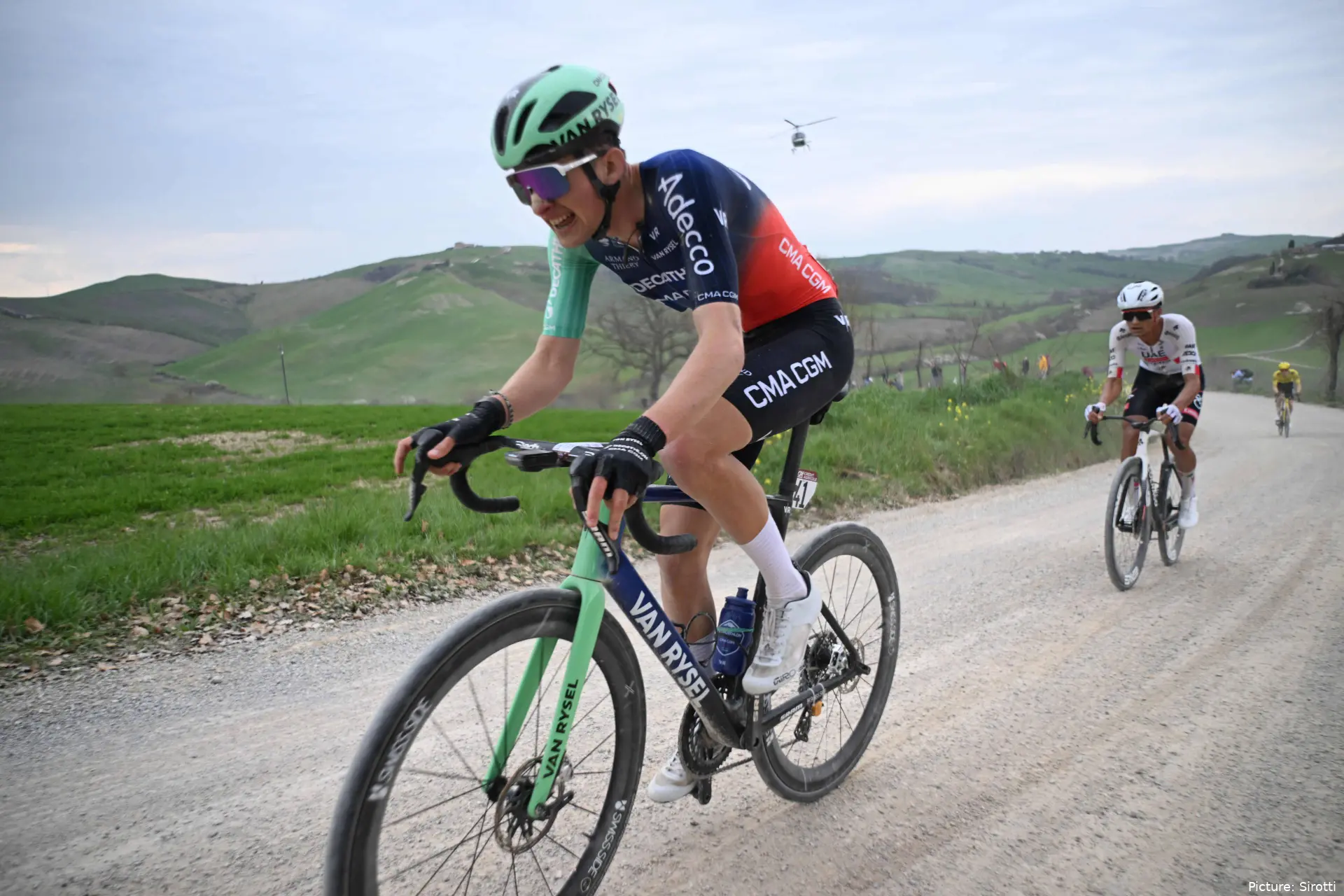
From the 6th to the 11th of April, the peloton will travel to the Basque Country, one of cycling's holy regions, for Itzulia Basque Country. The six-day stage race is always marked by the steep climbs, the narrow roads, unstable weather, and passionate fans, which are never missing in one of the spring's highlights. We take a look at its startlist.
The race was first held back in 1924, where Francis Pélissier took the first win. In 1935, Gino Bartali won an isolated edition, and then for over 30 years, the Itzulia was absent from the calendar. It wasn't until 1969 that there was a rebirth, and one with big shockwaves as none other than Jacques Anquetil won this edition.
Over the years, many legends such as Luis Ocaña, Sean Kelly, Stephen Roche, Tony Rominger, Alex Zulle and Laurent Jalabert have all won the Basque race. The number of Spanish wins in this century hasn't diminished even in the previous years, with the following being victorious: Aitor Osa, Iban Mayo, José Ángel Gómez Marchante, Juan José Cobo, Alberto Contador (four times), Sámuel Sanchez, Joaquím Rodríguez, Alejandro Valverde, Ion Izagirre, and, most recently in 2024, Juan Ayuso.
We've also had Nairo Quintana take a breakthrough win in 2013 early in his career, Primoz Roglic (2018 and 2021), Daniel Martínez, in 2023 Jonas Vingegaard and in 2025 João Almeida who dominated the race throughout its mountain stages.
Read also
Profile stage 1 (ITT): Bilbao - Bilbao

Bilbao - Bilbao, 13.8 kilometers
The race starts off as usual with a time trial and this one will be in Bilbao, perhaps the most important city in the region, for a stage that is also pretty important. It is 13.8 kilometers in length but it is a difficult ITT, very difficult.
The efforts starts with a 2.4 kilometer long climb which averages 7% right from the start line, and then the riders take on a very fast and slightly technical descent. There are only a few flat kilometers before the final 500-meter long ramp which takes the riders up to 9%, an explosive finish to an explosive time trial that is guided towards the GC riders straight away.
Profile stage 2: Pamplona - Mendukilo Kobazuloa

Pamplona - Mendukilo Kobazuloa, 164.4 kilometers
The second day of the race is hilly, as the riders will find throughout the rest of the week. It would be unfair to call it a warm-up however, as the peloton has ascents from start to finish, and even a breakaway could be considered as the start is hard enough for a very strong group to go up the road.
However the 164-kilometer long day will have its most important point in the ascent to San Miguel de Aralar, which is 9.4 kilometers long at 7.9%, a proper mountain. The climb ends with 20 kilometers to go and is likely to see some action, as most of the route to the finish is downhill, with the exception of one final climb.
In Mendukilo Kobazuloa the riders have a 3.5-kilometer long climb, which does not get significantly steep however towards the summit comes close to 10%. One way or another, there will be differences.
Profile stage 3: Bassauri - Bassauri

Bassauri - Bassauri, 152.9 kilometers
Perhaps the easiest stage of the race, and the most likely to end in a sprint - although of course this would be between climbers and classics specialists. The first half of the day isn't overly difficult and the main climb ends with 32 kilometers to go, being 8 kilometers long at 5%.
There are then two explosive hilltops in the final kilometers, one ending with just over 7 kilometers to go which is 1.5 kilometers long at 6.9%; and the final one coincides with the finish line in Bassauri which is 1.2 kilometers long at 6%. It's a likely sprint, as the ascent becomes steeper towards the summit and the final 400 meters have a 9% gradient.
Profile stage 4: Galdakao - Galdakao

Galdakao - Galdakao, 167.9 kilometers
A roller-coaster day on the fourth stage of Itzulia, it sees the riders take on seven categorized climbs and also a hilltop finish. Just over 3000 meters of climbing, although inbetween climbs the roads are flatter than the typical Itzulia stage.
They part part of the stage will begin in the last three climbs, as right before there is a long flat section where the peloton can comfortably cut gaps. But from the moment the ascent to the Alto de El Vivero begins, this changes. The climb is 4.3 kilometers long at 8.3% and ends with 29 kilometers to go.
Following the descent there is the approach to the next one, with a bonus sprint coming with 13 to go. The penultimate climb begins immediately after and it is 3.2 kilometers at 8%. This is a climb that can make serious differences, as the riders will have to go all-out from the base, with the first half of the climb averaging 10%.
This ascent ends with 9 kilometers to go and the descent back to Galdakao is technical. The climbing only ends at the finish line however, with the final kilometers averaging 7%, making gaps still possible, despite all the difficulties that have come beforehand.
Profile stage 5: Eibar - Eibar

Eibar - Eibar, 176.5 kilometers
The queen stage is the day that starts and finishes in Eibar, has been the case often in recent years. Whilst the climbs are not overly long, this is what the Basque Country has to offer in terms of climbing, which totals at over 4000 meters throughout the 176-kilometer long stage.
It is a brute, with eight categorized climbs, several of them very steep, and that being the case right from the start. There are two ascents right at the start of the stage which can make a GC selection, it can lead to the formation of a very strong breakaway, or a GC raid right away... 5.7 kilometers at 7.7% in Arzuki alone, but the gradients go above that quite a lot.
The ascent to Krabelin, which is one of vertents to go up the mythical Alto de Arrate, comes with 67 kilometers to go and is the hardest climb of the day, in total 5 kilometers long at 9.4% - but again, with much steeper gradients. Then there is a bonus sprint on the valley, the climb to Trabakua (3.4Km; 6.7%; 45Km to go) and three explosive hilltops right after...
But then the stage just continues, with the same amount of difficulty. In terms of average only then will the riders reach the steepest climb of the day to Izua, which is 3.6 kilometers long at a whole 10%, ending with 26 kilometers to go.
It's inevitable that the race has been split completely by this time, but the riders still have one more climb in Urkaregi, much more gentle (5.3Km, 4.3%), ending with 12 kilometers to go. After the descent, the final kilometers still have a slight false-flat gradient to the finish which can be used to grow or cut down gaps before the finale in Eibar.
Profile stage 6: Goiper-Antzuola - Bergara

Goiper-Antzuola - Bergara, 136.2 kilometers
The final stage of the race can still lead to immense GC action, with longer climbs to be tackled. The start of the day has a difficult one right away, 4.6 kilometers at 7.6%, which means the GC fight can open right on the first minutes of the stage.
The riders then, on two occasions, go up a two-climb combo. One is Elosua (6.9Km; 7.6%) and the other is Azkarate (3Km; 7.2%). The final team the second one is climbed comes with 40 kilometers to go, this mini-circuit can see big attacks and the race turned around once again.
But after a long flat section the riders head into Bergara, after 136 kilometers. Before the finish there is still one more ascent, not as difficult but one that can lead to tactical racing, as it is 7.2 kilometers long at 5.4%, ending with 9 kilometers to go.
The Favourites
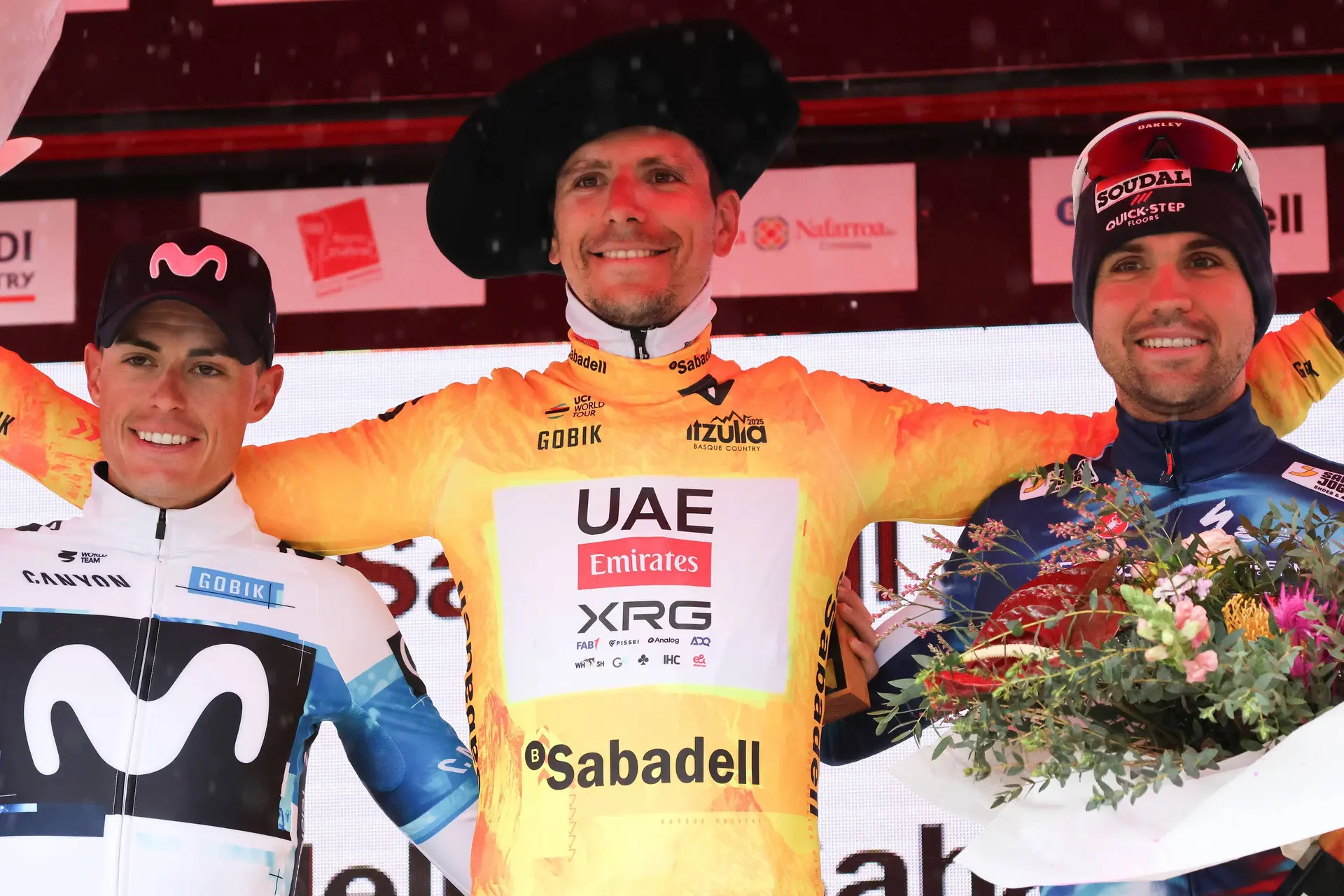
Isaac del Toro - UAE is not the team to beat here, however despite their lineup, they are the one that should put their eggs in one basket only. Marc Soler and Brandon McNulty aren't often used as domestiques but for Isaac del Toro it is worth it, as the Mexican is a very consistent rider, who handles all terrain very well. The long climbs will favour him, so will the short ones, the sprints, etc... But this is a race that is very treacherous and can change every single day, and so it won't be easy to control the race for him.
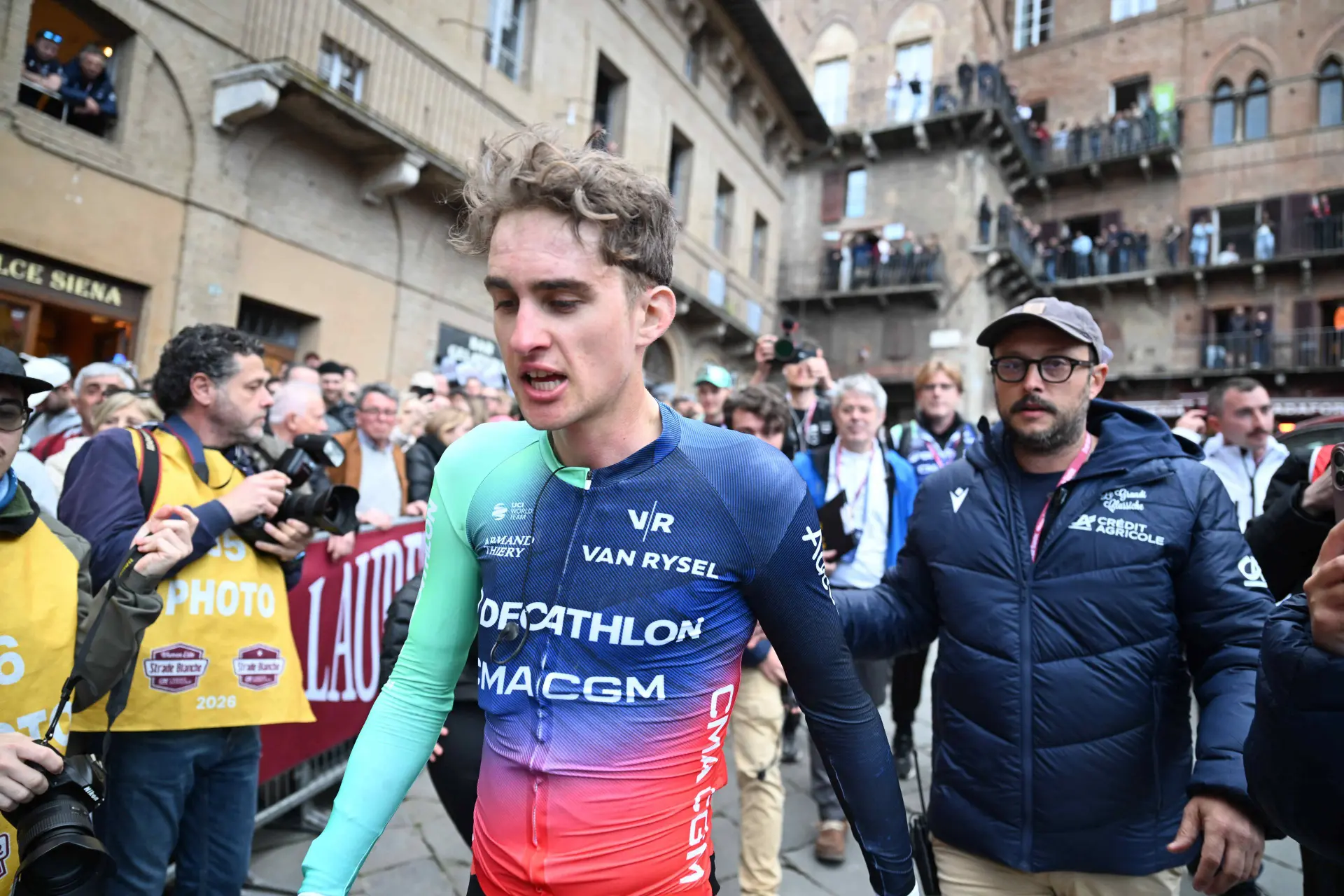
Paul Seixas - The French prodigy is back to racing after his stellar Strade Bianche and the sky is the limit. I don't put a limit onto what he can do here, on paper he won't be above his main rivals but his growth can be fast, and depend on his preparation for the race. I reckon he will be quite good and Decathlon have a mega team where he is also supported by Matthew Riccitello and Aurélien Paret-Peintre who are strong GC contenders themselves.
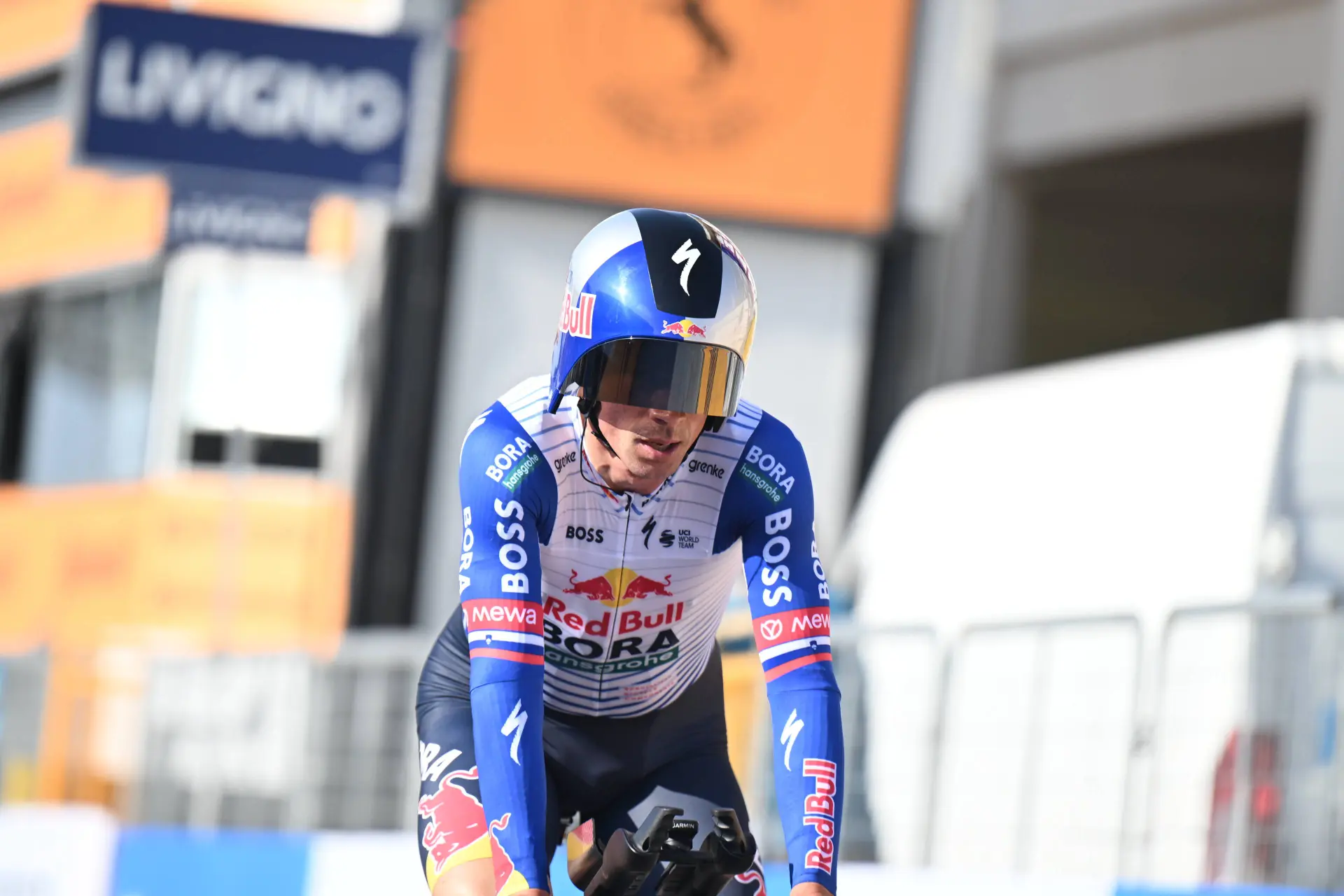
BORA - The lineup is stronger than the one that was initially expected. The German team has Primoz Roglic at the start, a man who is perfect for the short and sharp climbs of the Basque race, as well as its opening prologue and potential to grab bonifications. However, like in Catalunya, the team doesn't have to settle for a single strategy. Florian Lipowitz doesn't have that explosivity, but after a strong performance the past week he is definitely ready to aim for the win here even if the level is very high. A two-pronged approach that can work quite well if both have the legs to pull it off.
Juan Ayuso - The same can be said of Lidl-Trek, but this is a harder call. Juan Ayuso crashed out of Paris-Nice and although he didn't suffer fractures, it will have disrupted his momentum and taken training time away from him. We do not know what form he will show at the start with. On paper it's not an ideal race for him, being very explosive, however he's shown to be able to handle the terrain quite well and is backed up by Mattias Skjelmose who would rightfully have his own ambitions as well. The two can also work together to put pressure on rivals and race aggressively.
The startlist is insanely strong, truly the level of a Grand Tour, only with the 'popular names' missing. Aside from everyone mentioned above, several other teams bring their best. Kévin Vauquelin leads INEOS and at Paris-Nice he looked very strong, whilst being another rider with a perfect route for his abilities here; Tobias Johannessen showed the best legs of his career at Tirreno-Adriatico and leads Uno-X; Whilst Bahrain - Victorious have Antonio Tiberi and home rider Pello Bilbao. In this category the other home rider and former GC winner Ion Izagirre also fits in quite well after putting on a storming ride to win the GP Miguel Indurain.
Then we've got Quick-Step who have three GC men in Mikel Landa, Ilan van Wilder and Steff Cras; Astana who have three GC men also in Harold Tejada, Christian Scaroni and Lorenzo Fortunato; Cian Uijtdebroeks leading in Movistar; Ben Tulett as Visma's head of affairs; Yannis Voisard and Julian Alaphilippe who can take it up for Tudor in a punchy week of racing.
Prediction Itzulia Basque Country 2026 overall classification:
*** Isaac del Toro, Paul Seixas, Florian Lipowitz
** Primoz Roglic, Juan Ayuso, Mattias Skjelmose, Ion Izagirre, Antonio Tiberi
* Matthew Riccitello, Brandon McNulty, Kévin Vauquelin, Pello Bilbao, Tobias Johannessen, Harold Tejada, Christian Scaroni, Lorenzo Fortunato, Ben Tulett, Mikel Landa, Ilan van Wilder, Cian Uijtdebroeks
Pick: Isaac del Toro
Original: Rúben Silva
Rúben SilvaEditor-in-Chief
A founding contributor to CyclingUpToDate since its launch in January 2022, Ruben Silva has played a central role in shaping the site’s editorial direction and long-term growth. Before joining the project, he built his experience through independent blogging at Echelons Hub and by producing race previews for Ciclismo Internacional, developing a strong analytical voice rooted in daily engagement with professional cycling.
Beyond editorial work, he has been closely involved in the expansion and coordination of CyclingUpToDate’s wider network, helping establish and support sister platforms across multiple languages. This includes ongoing collaboration with CiclismoAlDia (Spanish), CiclismoAtual (Portuguese), WielrennenUpToDate (Dutch), and RadsportAktuell (German), contributing to a shared editorial vision and consistent international coverage.
He also helps oversee editorial governance across the network, setting standards for accuracy and consistency and coordinating updates or corrections when needed.
Originally from the Porto metropolitan area in Portugal, he holds a bachelor’s degree in Geography. His path into cycling journalism was shaped not through formal media training, but through independent reporting, community engagement, and sustained on-the-ground involvement in the sport.
Over the course of his career, he has conducted approximately 100 interviews across road cycling and cyclocross, ranging from one-to-one conversations and online formats to press conferences and on-site pre- and post-race coverage. His interviews include leading riders, team managers, and prominent figures within cycling media: Tadej Pogacar, Jonas Vingegaard, Mathieu van der Poel, Primoz Roglic, Wout van Aert, Joao Almeida and Tom Pidcock; managers like Patrick Lefevere and Joxean Matxin; and YouTube personality Bryan Kennedy (BKXC)...
Within 18 months of launch, he helped grow CyclingUpToDate’s English-language platform into one of the most-read cycling news websites, built entirely from the ground up. As both a professional journalist and lifelong cycling enthusiast, his focus remains on delivering accurate, timely, and well-contextualized coverage.
claps 2visitors 2
Just in

Popular news
Latest comments
- Pelizzaari is not Remco's domestiqueabstractengineer24-10-2026
- YetJumpyjohn24-10-2026
- Nibali got into the lead because he wanted the team car further forward in the caravan (I love this as a sign of tactical thinking). He solidified the lead on the rainy cobbles day when he was just brilliant, while other contenders crashed out on the wet roads. Strategic and skillful, yes, but the English roads weren’t as decisive as they might seem.RidesHills24-10-2026
- The Domedancy is the one designed for Seixas - anaerobic short climbs. Seixas isn't as good with the long climbs
 Rafionain-Glas24-10-2026
 - no i just type inivitable facts, nothing else. I wish UAE wasnt so damn good but hey the reality is they are. Visma on opposite direction crashing with no money and riders, coaches leaving mid contract ffs..i wish that wasnt the case but im not pretednig its not real when it is reality... RbH and Lidl i UAE cloesst opponents now thats clear. But if were real how can you stop that team with del toor and pogacar (greatest ever rider they made him) and you have mcnulty as a dom with (who would be captain in other teams and wins world and 10 more behind him..) history also says their the best team by far so what you want me to say? fake and be delusional and tell myself things? Its not a matter for praising anyone its a matter of beeing real nothing else, i wish visma for instance was better and like before but they cant buy any proper climbing guys cause their broke...heck they cant even keep their riders and coaches who flee mid contract what you want me to do lol.miguel24-10-2026
- Far as I recall, Nibali used the 2012 tdf UK stages to win it, most wanting to get them over with, cept he built his lead in them.. Armstrong's wrong, IF and it's an IF, the summers good in '27 like 26 then it'll be attritional.. if it's 'normal, then it'll be 50/50 on the weather, also the roads are VERY VERY narrow, very windng + on the 2nd steep short little climbs I know cause it goes thru my arse 👍
 leedorney24-10-2026
 - ❤️Lozza24-10-2026
- No, it's not about him crashing... he just won't win. Ad acta.PogiSloFans24-10-2026
- I'm always gutted to see the road season come to an end, but the excitement for cyclocross to kick off totally makes up for it.anonymouscyclist24-10-2026
- Nah, Pogi will Baby Hulk - "smash" - Remco. Ad acta !!!PogiSloFans24-10-2026
Loading
Write a comment