“I’m not someone who enjoys being in the spotlight” – Florian Lipowitz explains how Remco Evenepoel’s Red Bull arrival could suit him perfectly
CyclingMonday, 09 February 2026 at 19:00
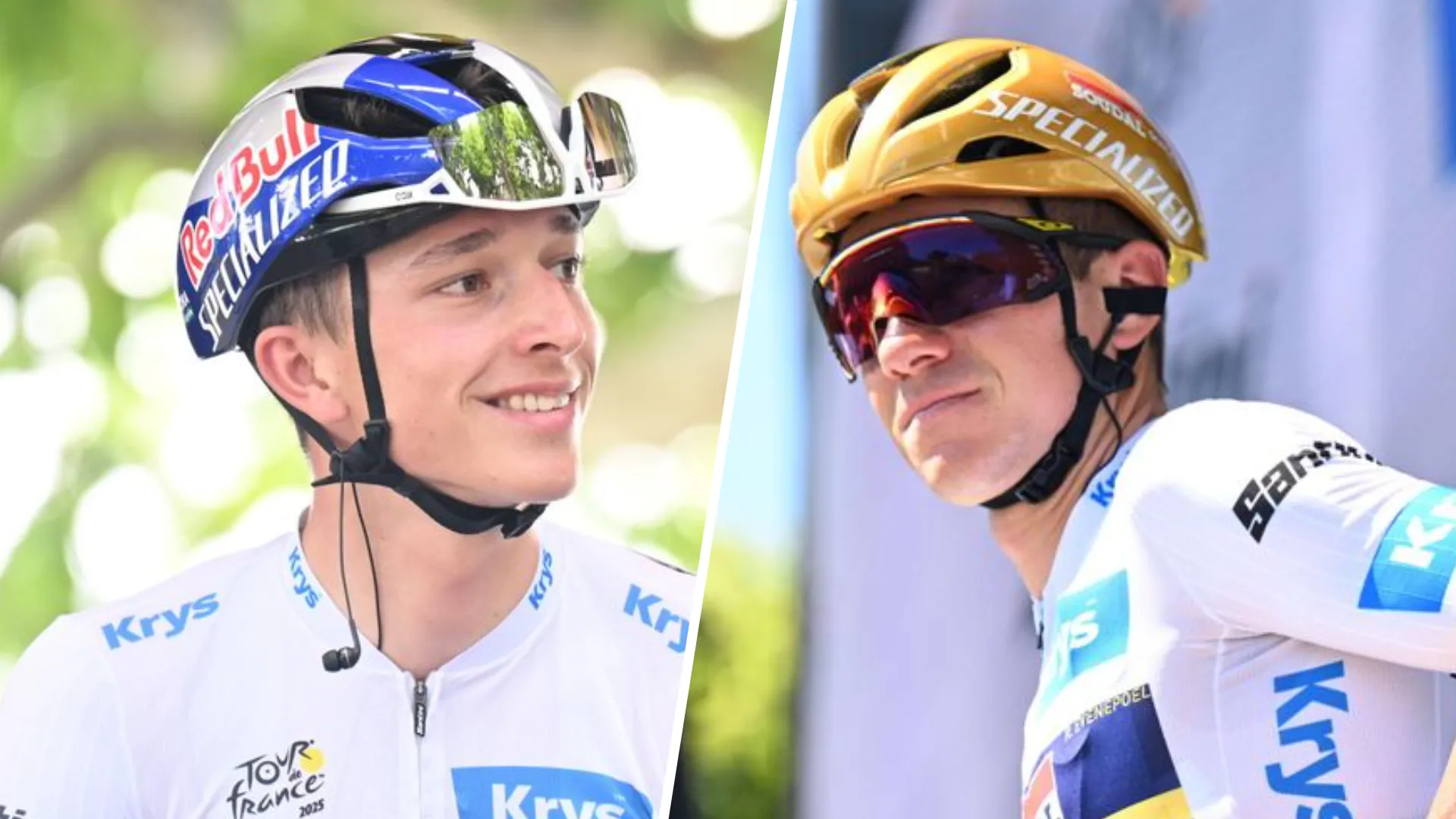
For all the talk about watts, leadership hierarchies and Grand Tour strategy, Red Bull - BORA - hansgrohe’s 2026 project is quietly grappling with a different problem. Not how to make riders stronger, but how to stop them breaking under pressure.
Modern cycling does not usually fail riders physically. It overwhelms them. Attention, expectation and constant optimisation now arrive as early as success itself. Inside that environment, Florian Lipowitz has emerged as the clearest example of why Red Bull’s structure looks the way it does.
From the outside, his 2025 season appeared seamless. A breakthrough Tour de France, a podium finish, and sudden elevation to one of the most talked about stage race riders in the peloton. Internally, Lipowitz describes something far less comfortable.
“After the Tour, I wasn’t doing that well,” he said recently on the Ulle & Rick podcast, reflecting on the weeks that followed his biggest result. “I had health issues, and it was hard to really enjoy the result.”
That admission alone reframes the narrative. What followed was not momentum, but a full stop. “I was actually eight weeks without riding. Coming back wasn’t easy, but I needed it.”
In a sport that treats continuity as sacred, eight weeks off the bike sounds reckless. Inside Red Bull’s thinking, it reads differently. Lipowitz was not stepping away from ambition. He was being protected from it.
When success becomes the problem
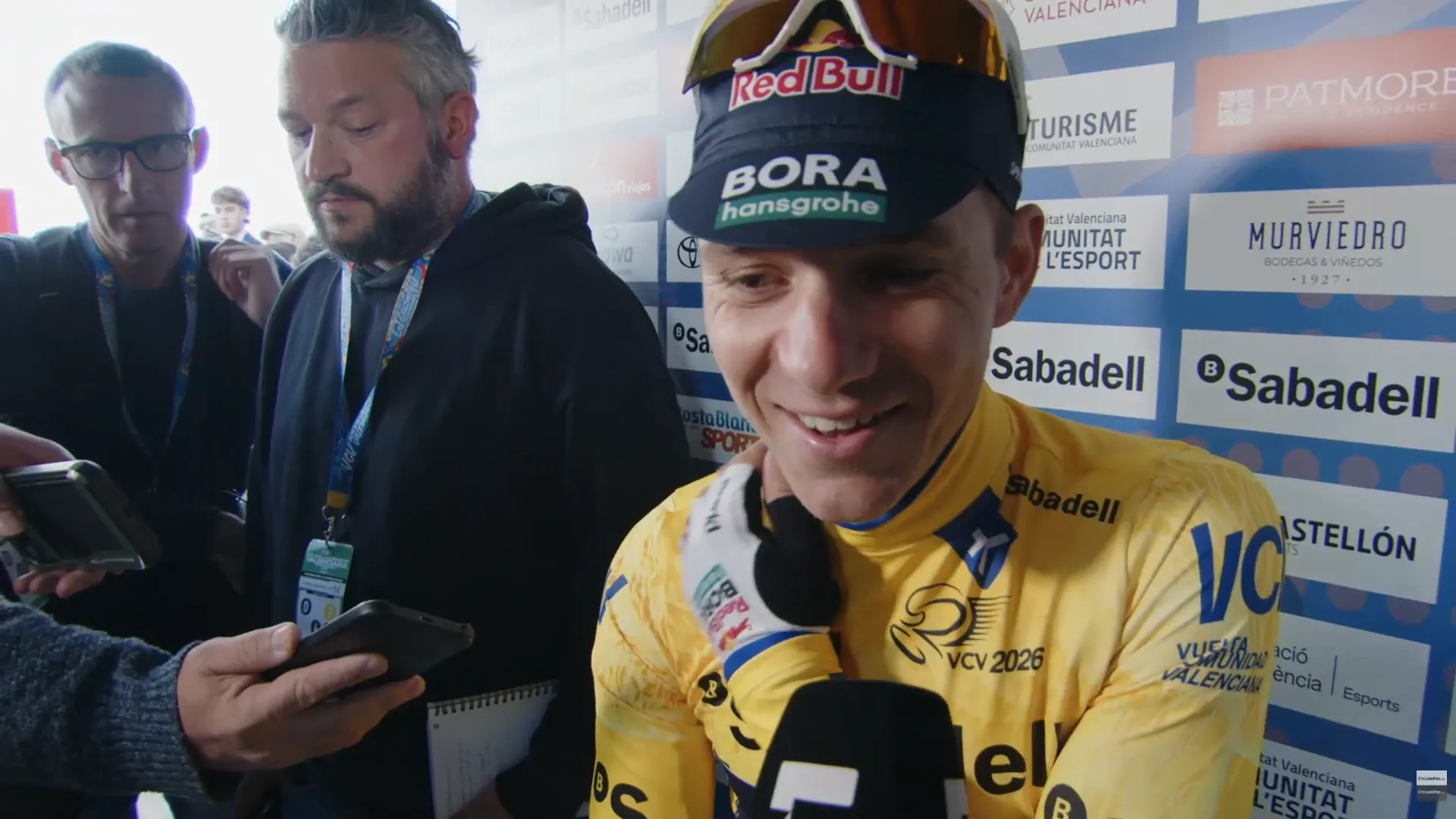
Lipowitz is unusually direct about what destabilised him. Not training load. Not racing stress. But exposure. “I’m not someone who enjoys being in the spotlight,” he said. “That was one of the things that really threw me off after the Tour.”
That line explains more than any physiological breakdown ever could. Overnight, Lipowitz was no longer a promising rider developing quietly. He was framed as Germany’s next Grand Tour hope. The attention arrived faster than his own adjustment to it.
This is precisely where the arrival of Remco Evenepoel changes the internal logic of Red Bull in a way many outside the team have missed.
Most assumed tension. Lipowitz saw relief. “Remco is someone who likes being at the centre of attention,” he said. “That might actually be good for me, because I can focus more on my own work.”
Rather than a rivalry, Lipowitz describes a pressure valve.
A structure built for different personalities
That view aligns closely with what Red Bull’s leadership has been signalling since the project took shape. Ralph Denk has consistently framed the team not as a single leader system, but as one designed around complementary roles and personalities.
Evenepoel thrives under scrutiny. He feeds off visibility and expectation. Lipowitz does not. In that sense, the Belgian’s presence does not crowd him out. It absorbs the noise.
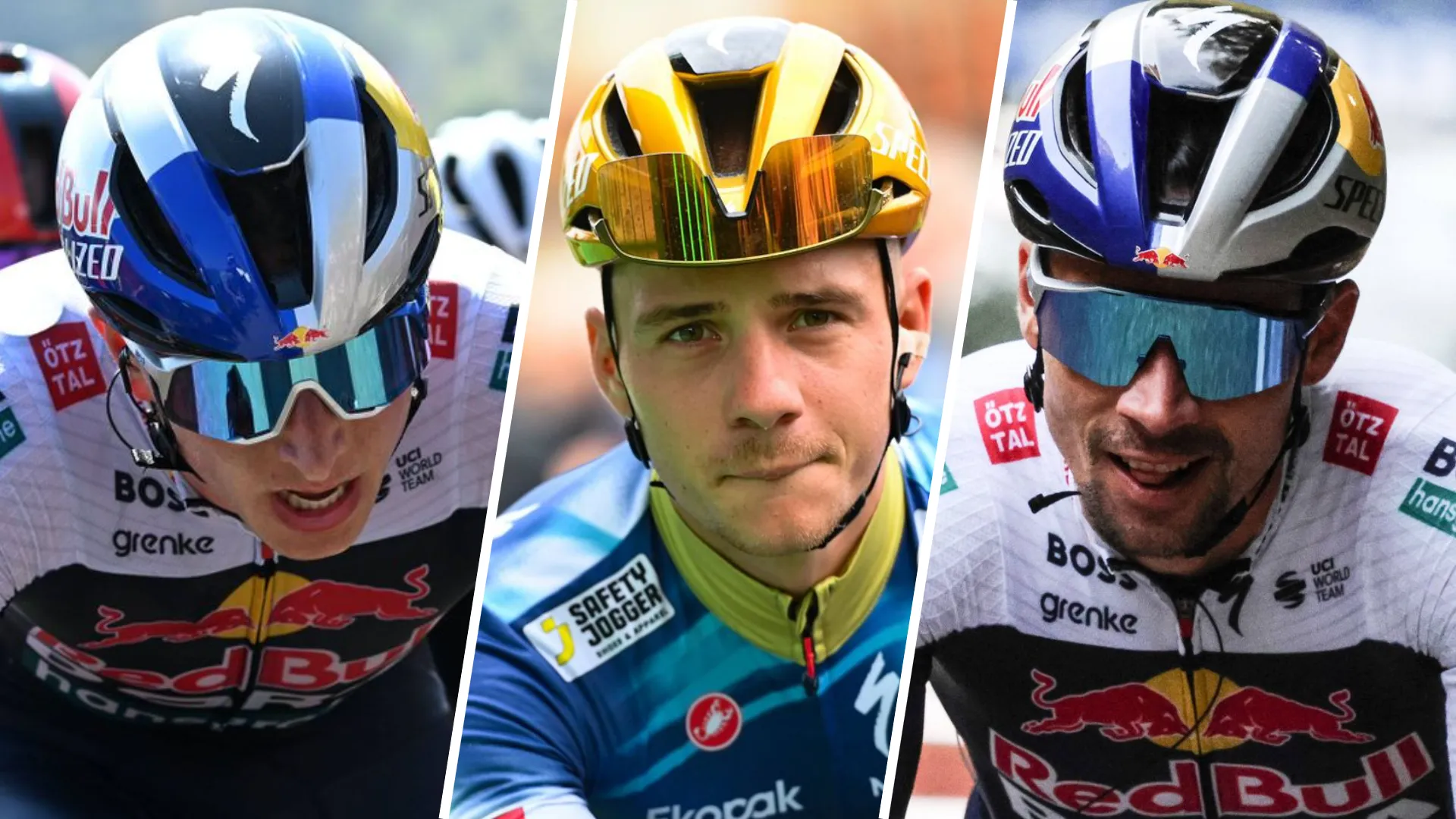
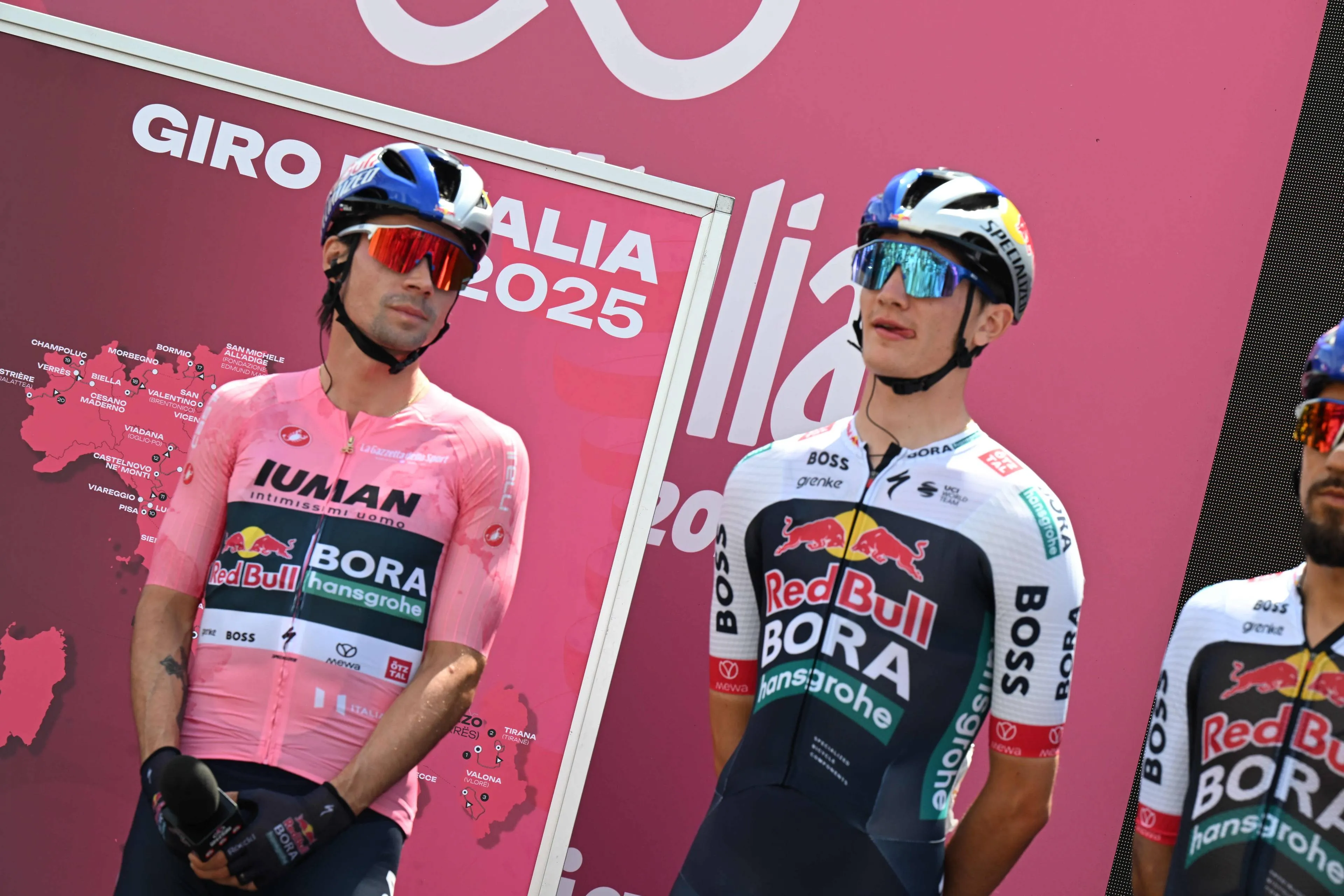
Alongside Primoz Roglic, whose experience anchors the structure elsewhere in the season, Red Bull suddenly has something most teams lack. Riders who want different things from leadership, and a system that allows them to coexist without forcing conformity.
Quiet resistance to cycling excess
Lipowitz’s outlook extends beyond media attention. He is also quietly pushing back against parts of modern cycling culture that, in his view, drain more than they give.
“I’m not someone who sits on the roller with one of those heat suits,” he said. “I’d rather ride outside at forty degrees.”
The same applies to nutrition. “I also enjoy a bag of Haribo or a bar of chocolate. You still need joy, otherwise this sport becomes too draining.”
These are not throwaway comments. They sit neatly alongside Red Bull’s broader rejection of hyper-controlled, Sky era orthodoxy. Performance still matters. But not at the expense of the person producing it.
The real cost of the job
Perhaps the most revealing line came when Lipowitz was asked what he already looks forward to leaving behind one day. “Being away from home so much is what really takes energy.”
It is a reminder that Grand Tour projects are not only built on training blocks and race plans. They are sustained by how riders cope with life inside the system.
Lipowitz does not need to be the face of Red Bull’s ambitions. He does not want to be. What he needs is space, routine and a structure that allows him to perform without constant exposure.
In that context, Evenepoel’s arrival does not complicate Red Bull’s plans. It clarifies them.
One rider absorbs pressure. Another is shielded from it. Experience anchors the rest. The advantage may not be immediately visible on a results sheet, but in a sport increasingly defined by burnout as much as brilliance, Red Bull’s willingness to distribute attention rather than concentrate it could yet prove decisive.
claps 1visitors 1
Just in
Popular news
Latest comments
- Tadej better watch his back if he drops them one by one coz if they regroup behind him they’ll be back in no time and in a sprint, well, just about on Pidcock’s level. Remember, you only need a Remco and Skjelmose to reel in a Tadej.Mistermaumau03-04-2026
- Love Domenico - hope he has a good time without more injuries.Katla03-04-2026
- If we take into consideration all the excuses Remco has made: loose bike saddles, air conditioners, punctures that didn't occur, pot holes that don't exist (two journalists confirmed there was no pot hole in Catalunya), kicking water bottles, telling cyclists they have no balls, throwing tantrums... Remco is probably lying.Mou-Cro-HR03-04-2026
- Good for you Domenico, leave it all out there on the road my friend.Jezla03-04-2026
- It will be like the "And Then There Were None" from Agatha Christie. Pogi will drop them one by one. Redbull secret or not will not matter at all. Regarding the article both are lyingabstractengineer03-04-2026
- RE riding sets for an extra exciting race...
 leedorney03-04-2026
 - This is great!mij03-04-2026
- as a Belgian, to win Flanders, especially on one’s debut against this field, would be history.mij03-04-2026
- I'm not gonna lie, I definitely wanted Wout to win, but at the same time, everyone treats him differently than van Der, or pog. When cyclists race against the latter ones, they basically resign themselves and let them win. With Wout, they want to chase and beat him. Does this mean they consider Wout the one to measure against? I'll never be a fan of the latter, and always will root for Wout even if this means an eternal 2nd like Sagan used to be until he won both Roubaix and Flanders. Besides, these 2 don't have to prove anything to anyone.Colnago-fan03-04-2026
- Hardly a god. He is great, but not what you're salivating over.Colnago-fan03-04-2026
Loading
1 Comments