"I thought he was bluffing" – 19-year-old Paul Seixas cracks Matteo Jorgenson in commanding Faun-Ardeche Classic solo
CyclingSaturday, 28 February 2026 at 18:15
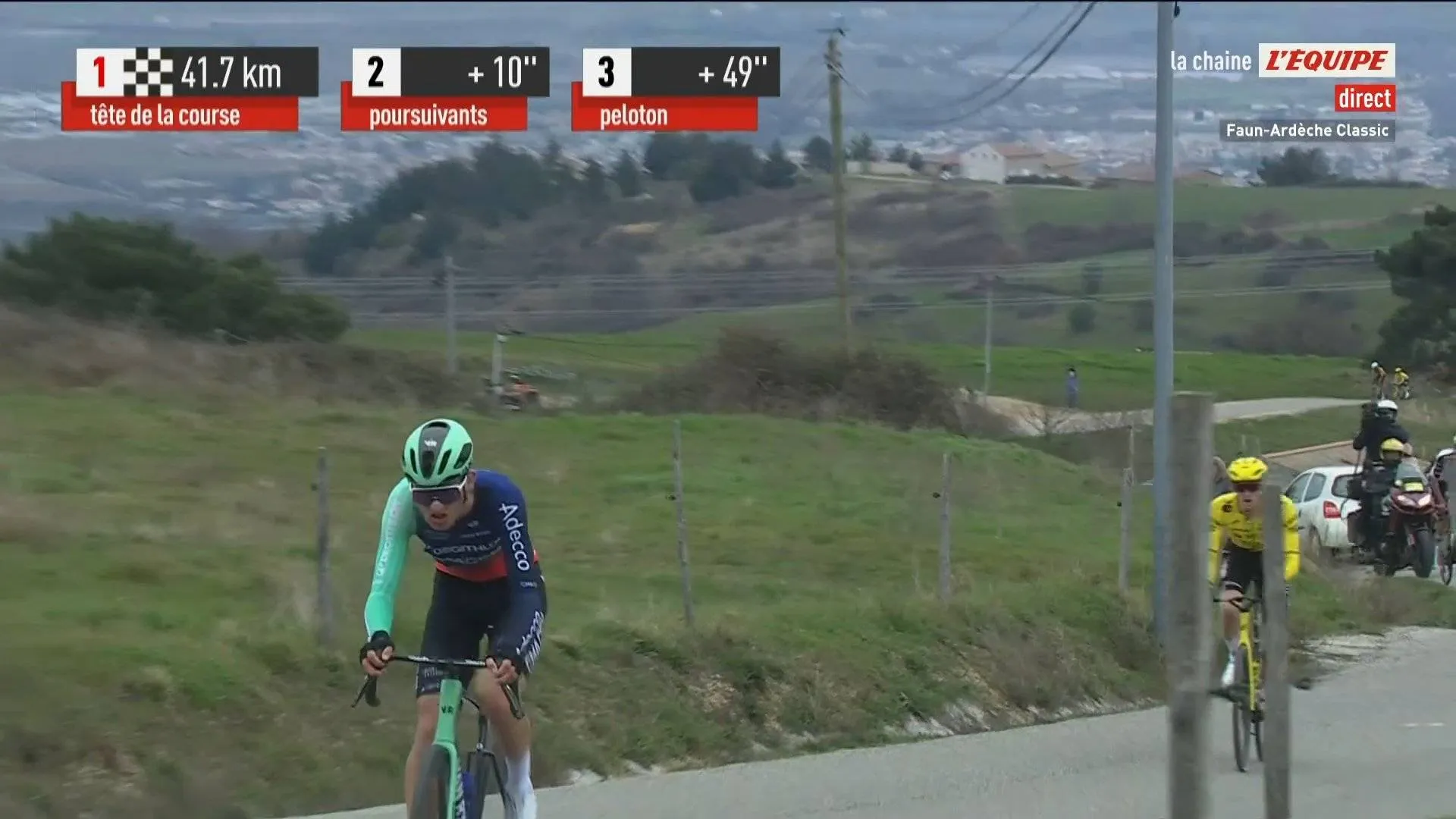
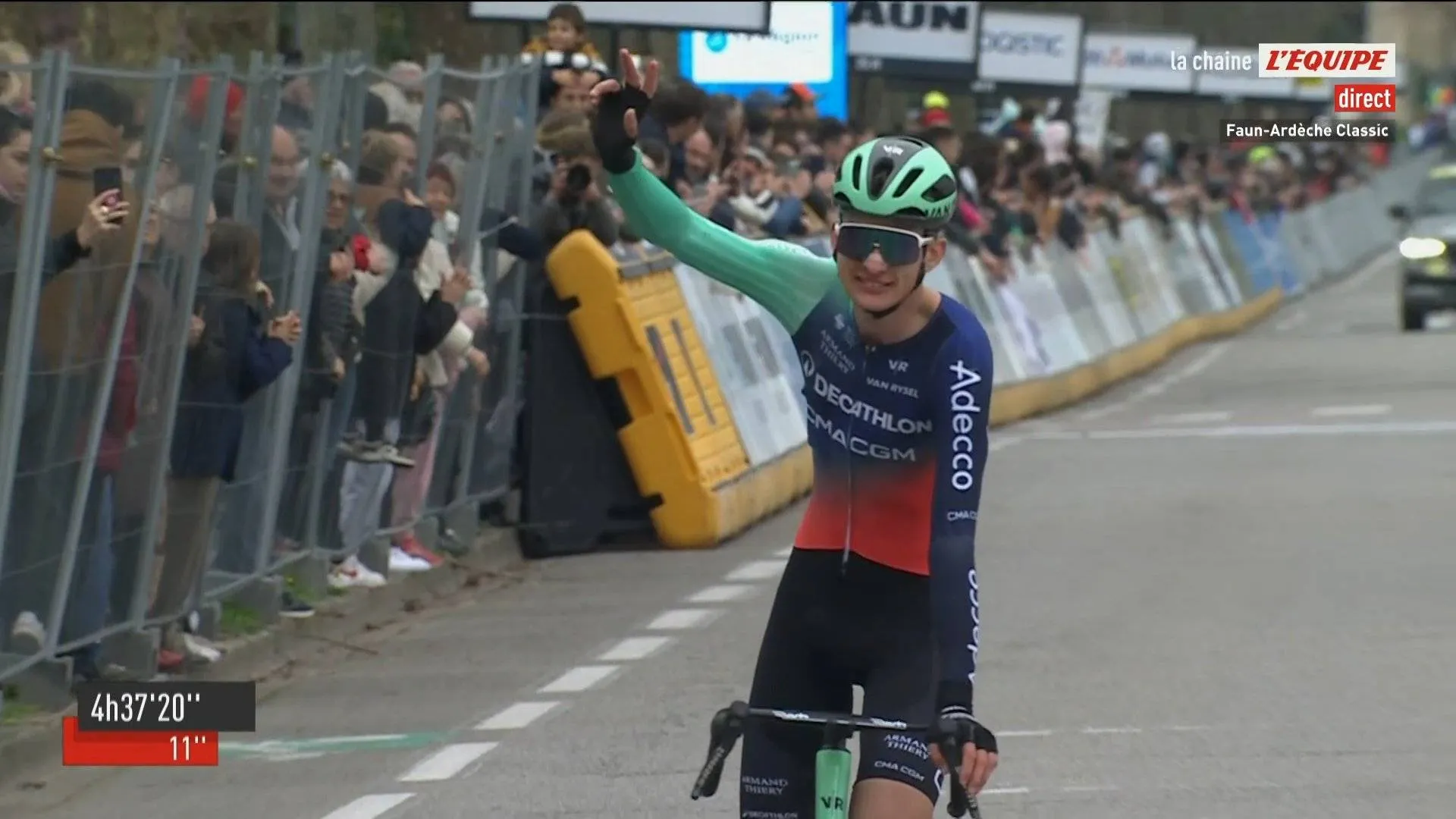
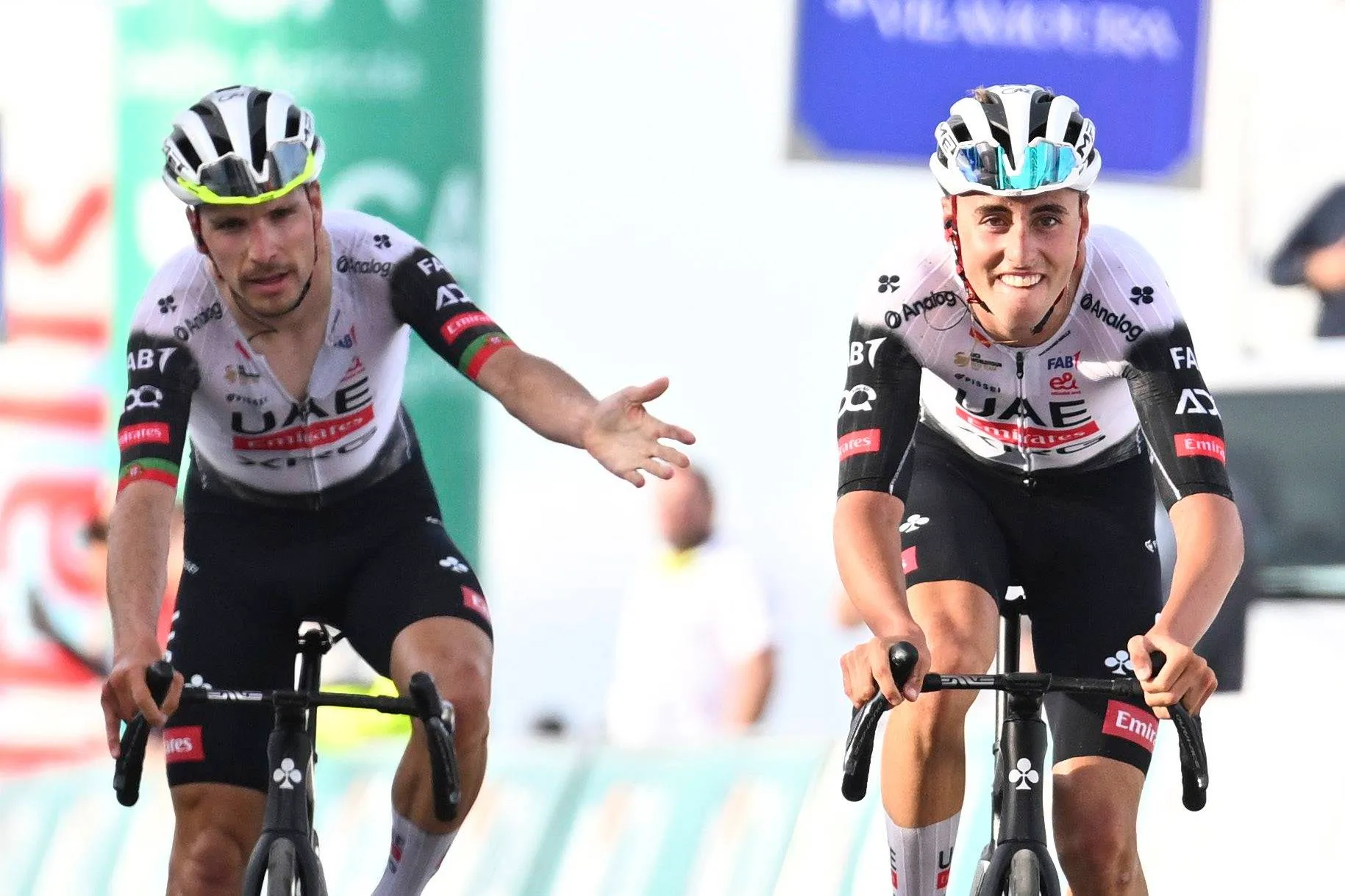
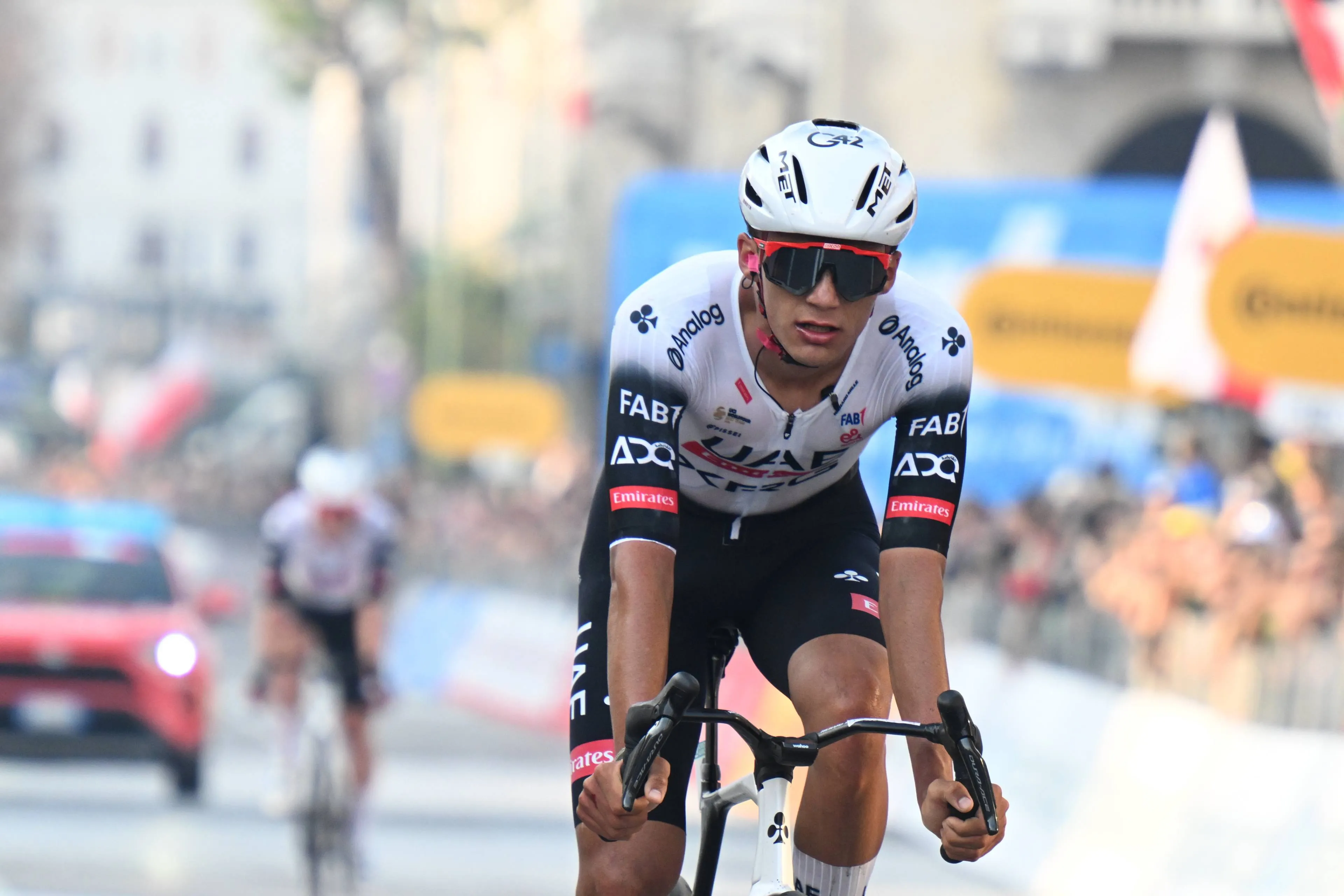
Paul Seixas did not begin the 2026 Faun-Ardeche Classic intending to ride alone for more than 40 kilometres. The plan was controlled aggression, numbers in support, and collaboration after the selection. The solo only became real when he realised the rider beside him was not fully committing.
"I had incredible legs. I settled into a rhythm that suited me on the climb, and I could always push again," recalled Seixas in post-race quotes collected by Le Gruppetto.
"We had planned to have three to five riders on my wheel to collaborate afterwards," Seixas added. "I did not really believe in a solo raid unless it was a very great day."
That assessment came before the decisive moment. What changed was the behaviour of the man next to him. "Jorgenson was not taking many turns. At first, I thought he was bluffing."
Read also
When the balance shifted
The two were at the front when the break was caught, and the race finally split among the favourites. On paper, it was a balance of power: a 19-year-old French prospect alongside the Team Visma | Lease a Bike leader and one of the peloton’s most established stage racers.
Seixas felt something different. "On the flatter section I took most of the pulls but I did not go full gas."
He was measuring. Not panicking. Not overextending.
Then the road tilted upward. "On the steeper part I accelerated again. I kept my effort going and decided to try the solo raid."
Turning instinct into separation
That was the point of separation.
The initial gap was small. Ten seconds. The type of margin that invites cooperation behind. Instead, the chase faltered. Jorgenson slipped back into the group that had been formed by the acceleration. The hesitation Seixas sensed was not theatre.
What followed was not an impulsive move from a teenager riding on instinct. It was a controlled escalation from a rider who understood both his sensations and the dynamics around him.
He had the legs to commit. He had the awareness to recognise vulnerability. And once he chose to go, he did not half commit.
The gap grew beyond a minute. The race fractured into layers behind him. The solo stopped being a gamble and became a statement.
Seixas had said he would only believe in a long raid on a very great day. In Guilherand-Granges, he found one and used it to drop one of the sport’s biggest names not through brute force alone, but through clarity.
At 19 years old, that might be the most significant part of all.
claps 4visitors 3
Just in

Popular news

Latest comments
- Del Toro has 15 years to seek results, Horners’ was a last gasp attempt to become relevant just like our slickheaded friend from UAEMistermaumau28-02-2026
- What about doing your own research? Emilia San Sebastian 2x Euro RR WC RR Not many tour matchups exist and until recently those weren’t Remco’s order of the day, it remains to be seen how motivated he stays to convert but considering he had zero cycling background he’d be wise to take time to build a base of volume to catch up those bred on bikes.Mistermaumau28-02-2026
- LOL.....you beat me to this ....you hit the nail on the head.Zone0Rider28-02-2026
- I said TOO! Don’t miss the few occasions where I grant you your feelings ;-) I’m humble too, when I’m silent, so the smart thing to do is to avoid provoking me :-)Mistermaumau28-02-2026
- The fact they dominated by spending capacity is reason enough for me. They’d be the Bayern of Cycling in Germany.Mistermaumau28-02-2026
- I’m pretty sure anyone who watched any of today’s races is not disappointed regardless of who they support. If it means we lose out on low loyalty, populist wannabe fans, that’s probably for the better in the long run. Look how athletics is struggling since the retirement of Bolt because the institutions didn’t realise most spectators weren’t really interested in athletics at all.Mistermaumau28-02-2026
- Perfect jobMistermaumau28-02-2026
- Fluke excuses starting to look more and more ridiculous.Mistermaumau28-02-2026
- Where was Lidl-Trek? Were they gambling on a bunch sprint with Balsamo? Or were they simply not equipped with enough team power?Ride197428-02-2026
- Not that I have any good reasons to dislike SD Worx, but since they've dominated so much recently, I like to see other teams putting them into unrecoverable pressure situations. Congrats to Demi and Kasia.Ride197428-02-2026
Loading
1 Comments