“I enjoy the sport a lot more now” - Simon Yates reveals how change in diet reinvigorated his cycling career
Cycling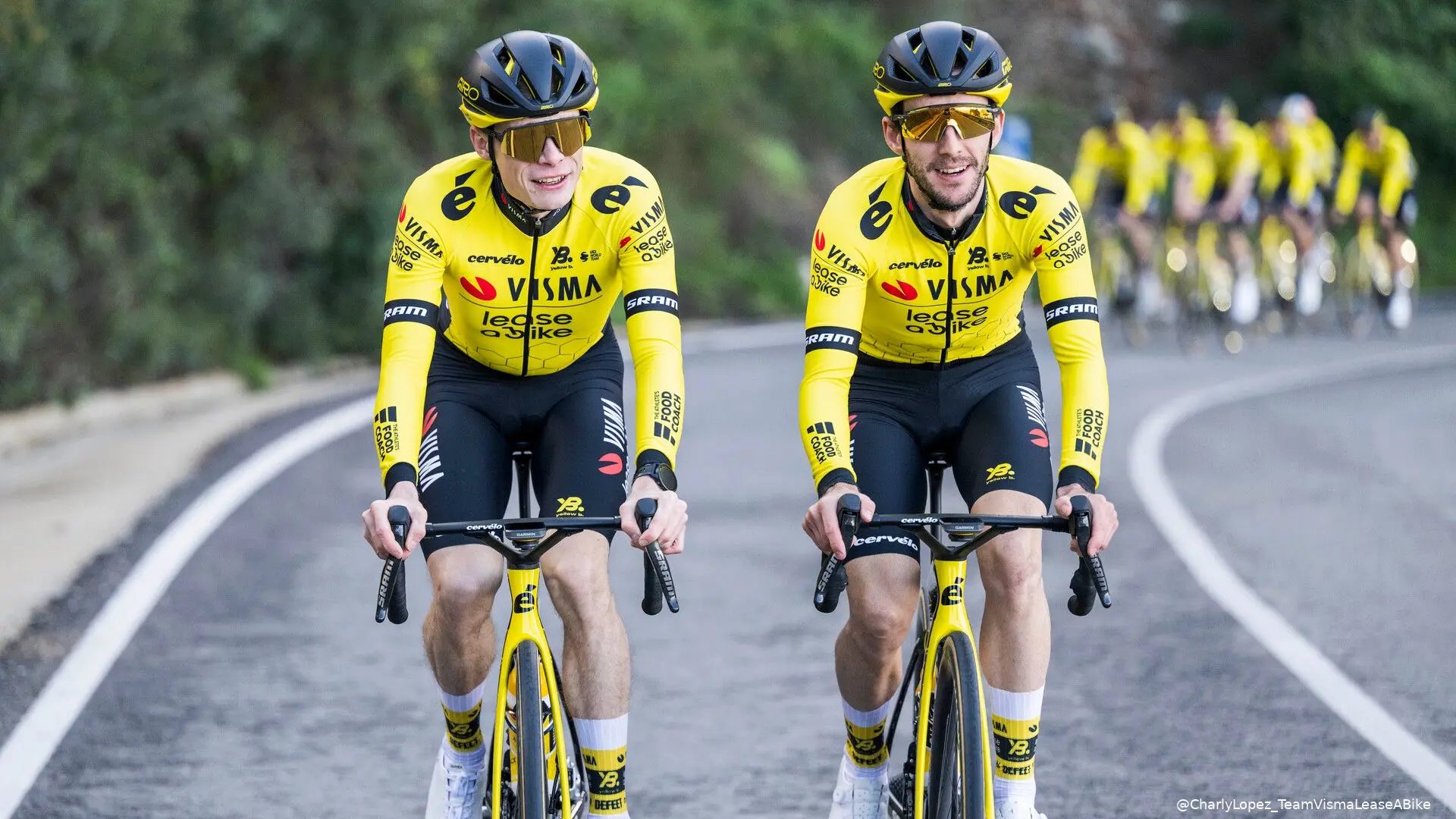
Simon Yates starts the 2025 season as one of the riders to look out for. After a decade at Team Jayco AlUla under the team's various guises, Yates has moved to Team Visma | Lease a Bike for the new campaign, and starts this new challenge with much excitement.
Aged 32 now, the former Vuelta a Espana winner has seen plenty of change during his career in the peloton. One change in particular stands out as a positive for the Brit, the switch up in the required diet of a rider. “It’s easier now with nutrition,” Yates explains in conversation with Velo. “The sport is way more healthier now. I enjoy my riding much more now than I did seven, eight years ago.”
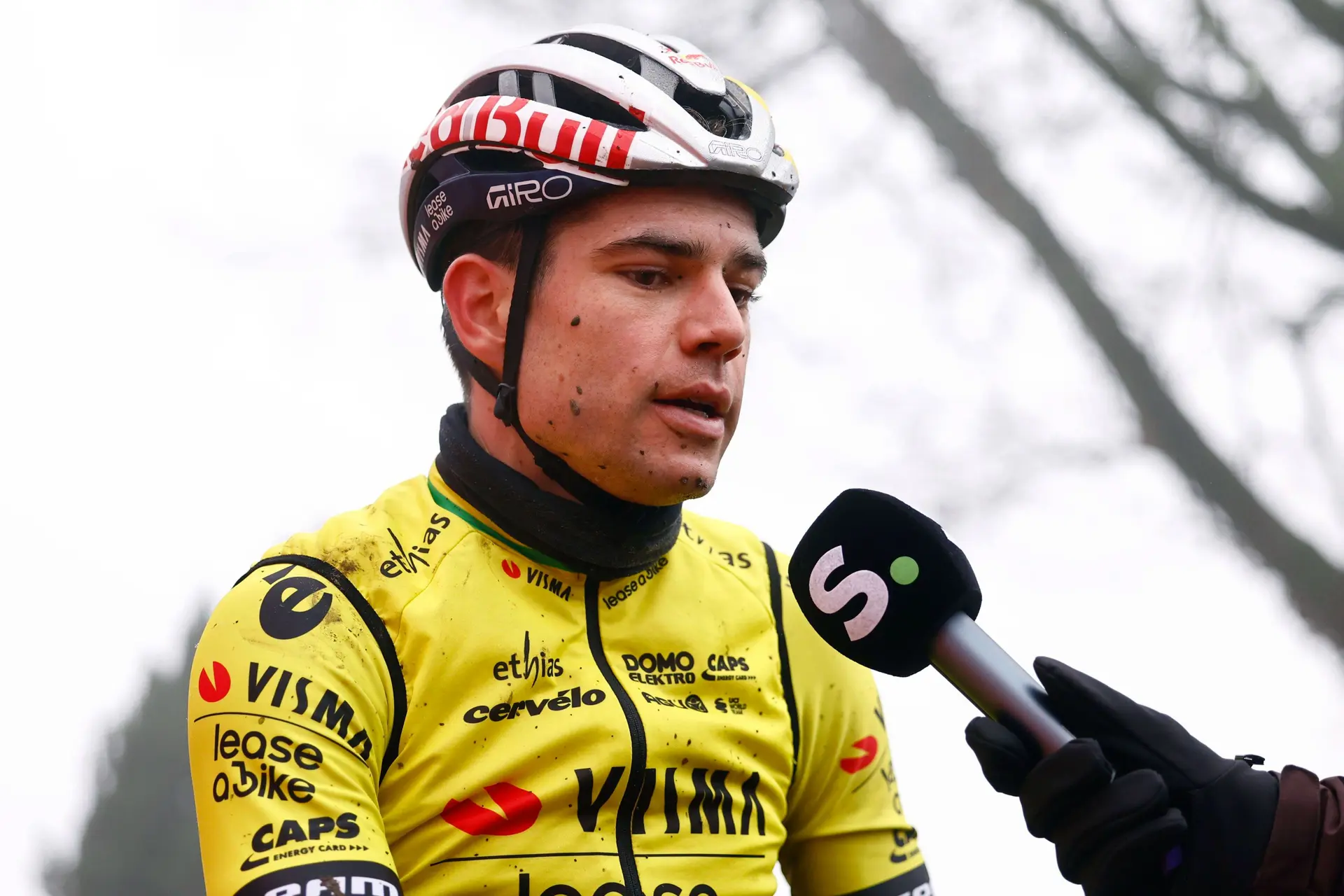
Whereas at the start of his career, a rider's diet was focused on limitation and counting calories, nowadays teams favour their riders to opt for a more carb heavy approach to eating. “I enjoy the sport a lot more now,” Yates says. “Before this huge carb boom came around, it was the opposite. It was low-carb, saving your carbs, and that was hard not just on the mind, but on your body. You were just completely tired all the time. You’re fatigued all the time. I’d get back from hard rides and remembering that you’d have to just lie down on the bed, completely knackered. You get back, OK, that was hard, you feel it in the legs, but you would feel that in the body. Now you don’t feel any sort of deficiency.”
“It used to be a lot of low-carb stuff,” Yates adds. “Two eggs for breakfast and off your pop, see you later, five-six hours, water in the bottles. Now we have a mountain of rice for breakfast, 120g of carbs an hour, it’s changed. Now it is all high carbs.”
Even since his Vuelta a Espana victory in 2018, Yates believes the sport is almost unrecognisable. “Everything’s changed,” Yates concludes. “Not that the sport was unprofessional before, but now no one takes a day off. Now training wise, everyone is laser focused about every little detail. In 2018, you could take a week off and have a few beers if you want. Now that is not the case. You cannot miss anything. You get sick for a few days and you’re already weeks behind. It’s not easy to be like that all the time, but that’s how it is.”
Kieran WoodDeputy Editor-in-Chief
Kieran Wood is a sports journalist based in Wales and has been active in journalism since 2022. He regularly contributes to DartsNews.com and CyclingUpToDate.com, where he covers professional cycling and darts. In cycling, his work includes liveblogs from major races, including the Tour de France, the Giro d’Italia, and La Vuelta a España, alongside race reports and analysis. He has also conducted interviews with professional riders.
His reporting spans the full racing calendar, from one-day classics to stage races, with a focus on accurate, real-time coverage and clear contextual analysis. For statistics, results, and historical context, he regularly uses resources such as ProCyclingStats. To support reporting on rider activity and training context where relevant, he also references Strava.
In his work, Kieran places strong emphasis on careful sourcing, editorial accuracy, and updating articles as new, verified information becomes available.
claps 11visitors 11
Just in
Popular news
Latest comments
- Nothing. Against Pogi nothingabstractengineer18-10-2026
- He didn't even try to sprint all outvappaxbipmv18-10-2026
- Campenaerts looked like a rolling pumpkin with that all orange leaders skinsuit !frieders318-10-2026
- He can take his dumb a$$ politics somehwere else !frieders318-10-2026
- good to have her back. fingers crossed she‘ll be able to stay!Ketterechts17-10-2026
- A tenner and he wins the Tour next year, too 😂anonymouscyclist17-10-2026
- the answer is either stick to classics or GTs but not bothabstractengineer17-10-2026
- the exodus already stared with Ciccone. Already they were struggling with two sprinters, now there are three. Also Ganna will demand leadership. Gall is the most proven GC, Ayuso has the most potential. GC leadership for everybody will be impossible. Literally a UAE style mess without pogi.abstractengineer17-10-2026
- I raced as an amateur for 12 years, including six years on my country’s national road cycling team. I secured two national titles and competed in three World Championships plus more than 15 international stage races. At 23, we travelled to Italy for a training camp—or so I assumed. On a rest day, we watched a presentation about adopting a more “professional” training approach. It was crystal clear what “professional” meant. That moment first exposed me to this dilemma. After returning from Italy, I left cycling—at least at the competitive level I had known. Over the following two years, the whole team was caught doping. I hold that everyone is innocent until proven guilty. In my view, current stakeholders operate on a different scale, and the sums involved are vast. I am unsure whether any doping would ever be revealed. I try to stay positive and enjoy the show. My 2c.
 vannpelt17-10-2026
 - Fiver he wins 🤣
 leedorney17-10-2026
Loading
1 Comments