“He remains that reserved person and that will not change”: Inside Jonas Vingegaard’s quiet rise, told by his coach
Cycling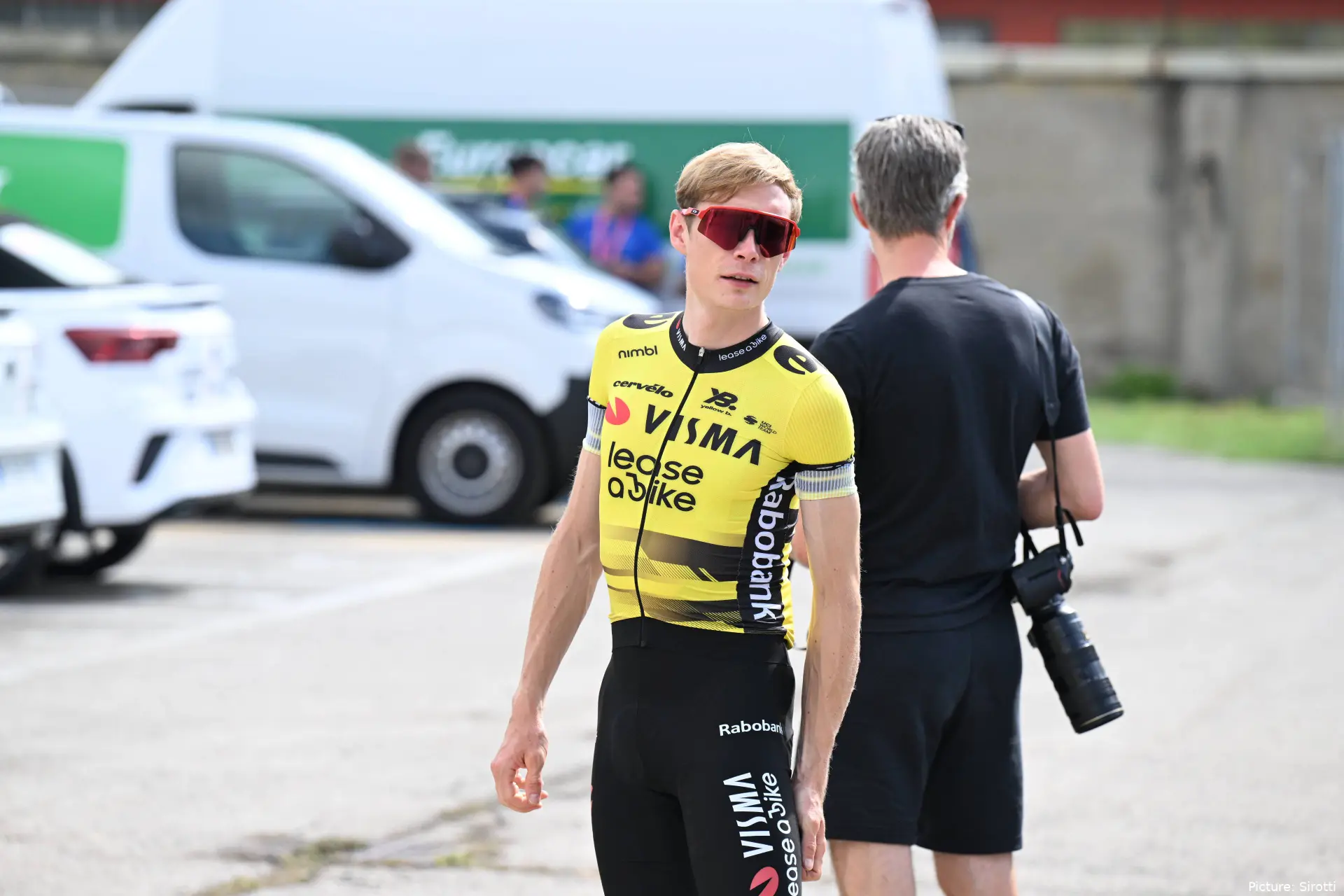
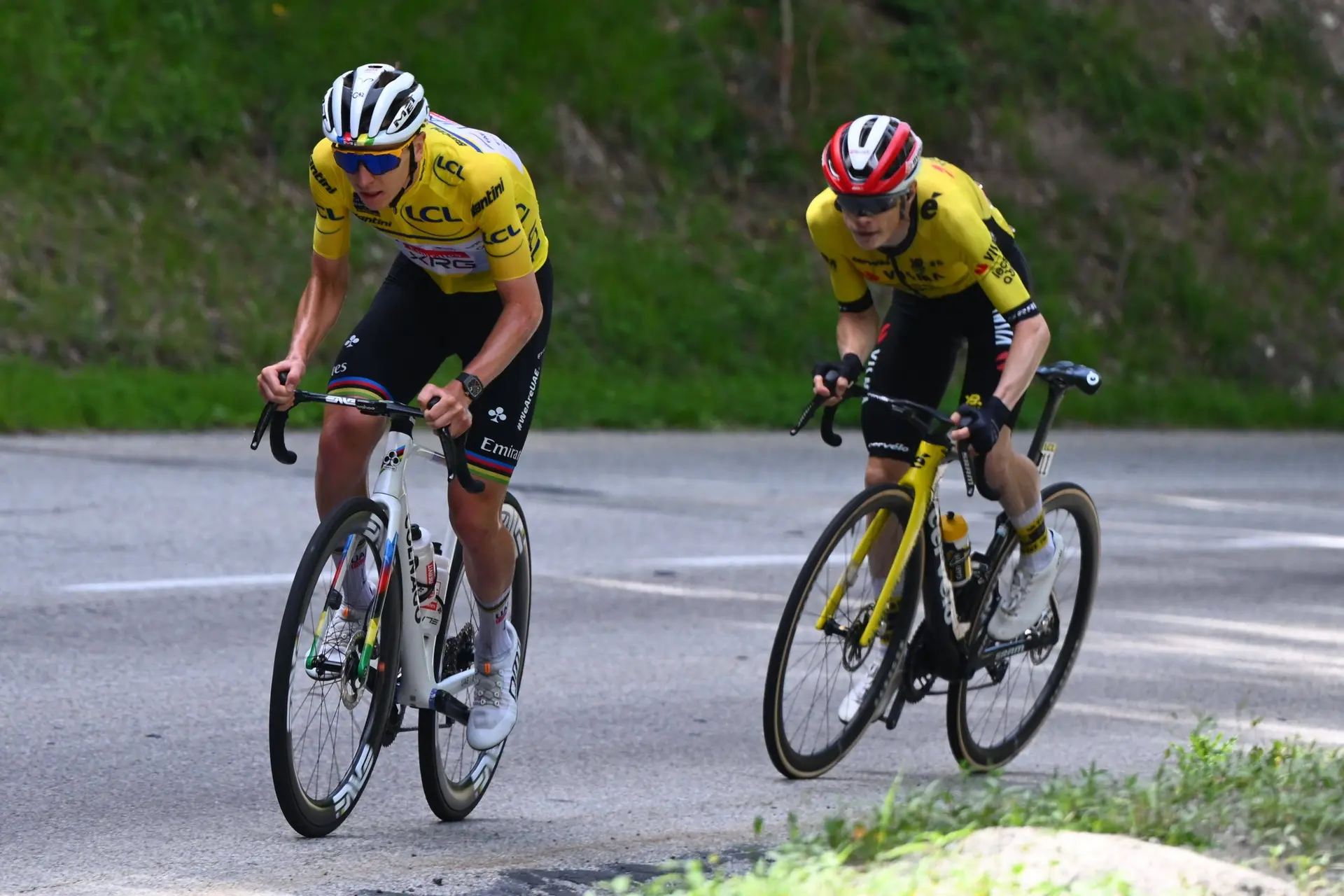
Jonas Vingegaard has defined an era of modern Tour de France racing through control, discipline and relentless consistency rather than outward charisma. While the Dane’s rivalry with Tadej Pogacar has shaped recent editions of the race, those closest to him insist his defining characteristics have barely shifted since his earliest days in the WorldTour.
In a wide-ranging interview with Wielerflits, long-time coach Tim Heemskerk offered rare insight into how Vingegaard has developed and why success has not altered the core of his personality.
Heemskerk first met Jonas Vingegaard when both were new to the then Jumbo setup. Even in that initial meeting, the coach noticed something distinctive. “I had no idea who he was. I found him a bit on the outside of the room. I quickly realised that he was introverted. Someone who prefers to stay in the background rather than be central in the group.”
That reserved nature, far from being a limitation, became the foundation of a working relationship built on trust and shared temperament. “In being calm. Our introverted characters suit each other. A certain trust developed very quickly between us.”
From unknown climber to Tour winner
When Heemskerk began working with Vingegaard, expectations were modest. His climbing ability was clear, but little else was defined. “What kind of rider he would eventually become, we had no idea at that point. That he would win the Tour de France twice? No, we never expected that back then.”
Vingegaard’s background stood in contrast to many of his peers. He was still working part-time at the fish market in Hanstholm and had limited exposure to elite training environments. “I quickly realised that Jonas still had a lot to learn. In training, for example, he would just put water in his bottle.”
Early progress was rapid but uneven. Physical gains came quickly, while racing brought its own challenges. “In his first race, the Ruta del Sol, we saw that he was still very nervous in competition. That stress limited his performance.” Even when results arrived, responsibility weighed heavily. After taking the leader’s jersey in the Tour de Pologne, Heemskerk recalls that “the responsibility kept him awake all night, which meant he recovered poorly from the effort the day before.”
Discipline over instinct
One of the clearest themes running through Heemskerk’s reflections is Vingegaard’s absolute commitment to structure. “In terms of compliance, following schedules, he does everything, so to speak, to a few decimal places. If you tell him to train for five hours in a certain zone, he rides those five hours in that zone.”
That precision is not blind obedience. “He understands very well that by following training schedules perfectly, you can discover exactly what works and what does not work for him.” According to Heemskerk, this consistency has allowed the performance staff to refine preparation with unusual clarity.
Success has not changed him
Despite becoming one of the defining figures of modern Tour racing, Vingegaard’s routines have remained intact. “The only thing that has changed him is becoming a father, being a family man. He now has two children.” Beyond that, Heemskerk insists little has shifted in how they work together.
“He remains that reserved person and that will not change. That is who he is.” Celebration, when it comes, is brief. Outward emotion fades quickly, with joy shared privately with family and team-mates rather than publicly displayed.
Resilience forged through adversity
Heemskerk also reflected on the impact of Vingegaard’s heavy crash and subsequent recovery. “If you experience a crash like that, it affects you emotionally, especially in the beginning.” Yet he believes the episode strengthened his rider mentally.
That resilience was evident during hospital visits. “He already expressed his will to make the Tour. He had already had a small pedal bike delivered, one without resistance to place under a desk.” The message was clear. Preparation began immediately.
“All the exercises and training sessions we then planned towards the Tour, he executed very precisely, just as he does every year.” Once the Tour focus begins, Heemskerk sees a transformation. “Then it is essentially Vingegaard version 2.0. He has a goal, he is on a mission, and he will do everything throughout that entire period to succeed.”

Kieran WoodDeputy Editor-in-Chief
Kieran Wood is a sports journalist based in Wales and has been active in journalism since 2022. He regularly contributes to DartsNews.com and CyclingUpToDate.com, where he covers professional cycling and darts. In cycling, his work includes liveblogs from major races, including the Tour de France, the Giro d’Italia, and La Vuelta a España, alongside race reports and analysis. He has also conducted interviews with professional riders.
His reporting spans the full racing calendar, from one-day classics to stage races, with a focus on accurate, real-time coverage and clear contextual analysis. For statistics, results, and historical context, he regularly uses resources such as ProCyclingStats. To support reporting on rider activity and training context where relevant, he also references Strava.
In his work, Kieran places strong emphasis on careful sourcing, editorial accuracy, and updating articles as new, verified information becomes available.
claps 24visitors 14
Just in

Popular news
Latest comments
- Seixas is exactly what I would like Pogi to be mentally and in his statements. Both come across as shy and who don't talk much but with Seixas, you can see that he enjoys success, that it boosts his ego, unlike Pogačar who seems to feel increasingly uncomfortable the more he wins. He's won so many times, people are saying he's boring. The french media hate him for winning so much, the french cycling fans are booing him... etc. etc. But remember one thing, Seixas will never physically reach Pogi's level. He's excellent, but he isn't at that level nor will ever be. His talking to the media, his relationship with people is already at a high level.PogiSloFans13-10-2026
- Paul Seixas is now the second-best rider in the world.megasmacky13-10-2026
- When will they start dropping Pogi? Oh yeah, when Pogi reaches 40+ years, that's when young cyclists will start dropping him. But until then... eat your hearts out and cry. Pogi will remain the G.O.A.T. for years to come. Capish?PogiSloFans13-10-2026
- I figure he would have found out how to outsprint Paul and take the win, maybe. He's 28 now but I would say he's right at the peak of his powers. It was great race though, Paul showed me something different about himself.awp13-10-2026
- Slowly, very slowly... 5-7 yrs. ;)MajorPayne13-10-2026
- Up to this point: "It is just not yet at the level of Vingegaard and Pogacar." First Jonas, and then level of Tadej. Period!MajorPayne13-10-2026
- The sport has long had a divide between the more diesel-like riders and the more explosive riders. Where does Pogačar fit? His explosive attacks are followed by a high speed diesel climb and he's rarely been caught in the past 5 years (people can name the moments, it's so rare). Seixas is young and we have no idea where his body will end up on this spectrum (just like we didn't with Pogačar when he was 20 and being a diesel up the Vuelta mountains of 2019). Speculation is fun, being a fan while it unfolds is going to be more fun.RidesHills13-10-2026
- yeah it'll be an epoch shift when Pog can't drop people, and/or when they start dropping him.wrsty13-10-2026
- Yes, he won't ride away yet, but he will and that day will be notable
 leedorney13-10-2026
 - Expect the young French rider to slowly asphyxiate the Slovenian into retirement.
 Front24213-10-2026
Loading
1 Comments