DISCUSSION | Itzulia Basque Country stage 6 - Seixas’s lack of maturity, UNO-X snatched Red Bull, whilst UAE and Visma were KO in Spain
Cycling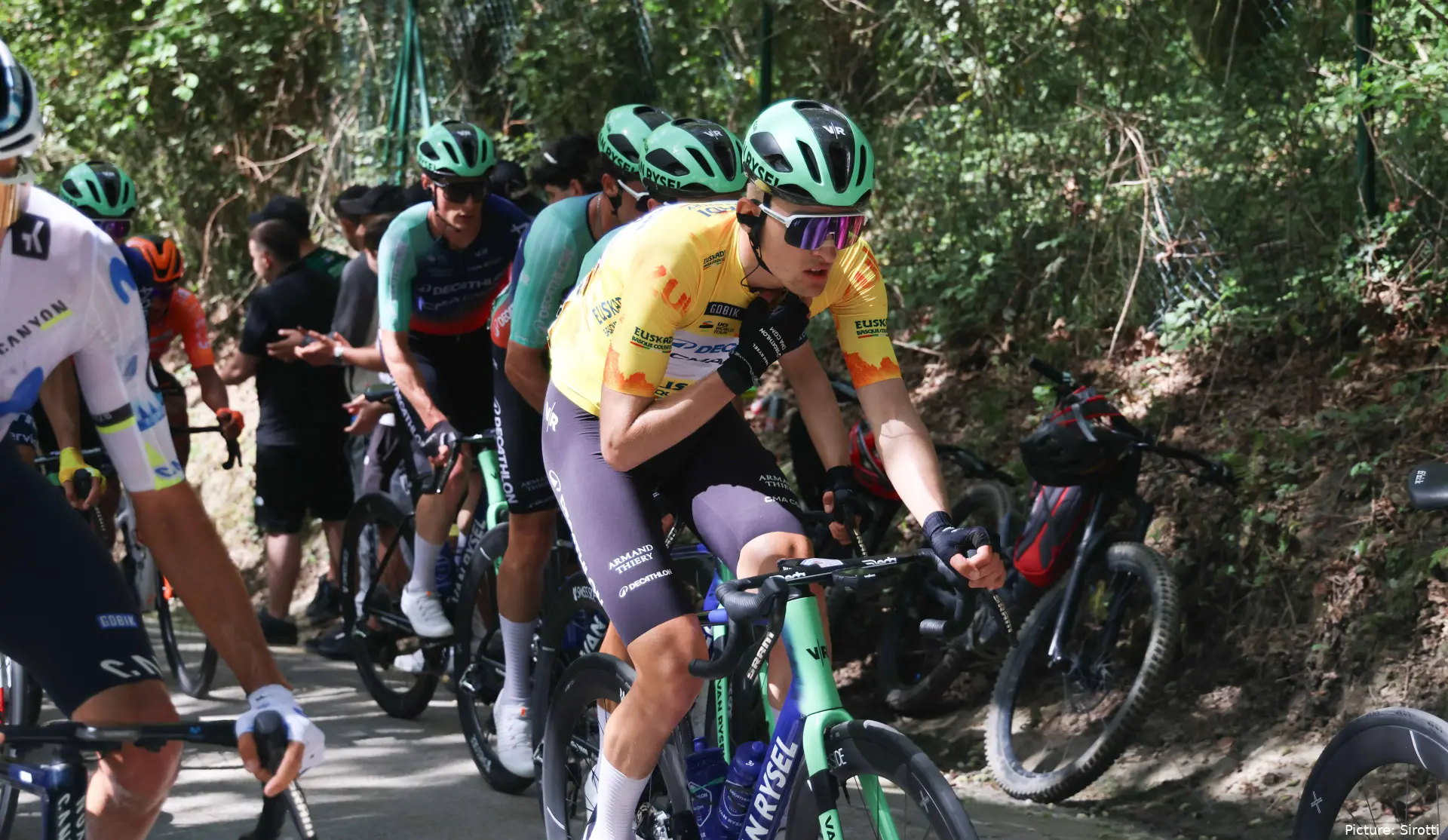
The sixth and final stage of the Itzulia Basque Country delivered a compelling mix of tactical racing, harsh weather conditions, and breakthrough performances, ultimately culminating in a memorable victory for 20-year-old Andrew August.
The young American rider proved to be the strongest from a reduced front group after a demanding day in the saddle, while Paul Seixas confidently secured the overall classification without ever looking in real danger.
Despite the relatively short distance of 135 kilometers, the stage was far from easy. The route featured multiple challenging climbs, most notably the Elosua, which the riders had to tackle twice, and the Asentzio, the final ascent of the day before a descent into Bergara.
However, the terrain was not the only obstacle. Persistent rain added an extra layer of difficulty, especially on the technical descents, making conditions treacherous and forcing riders to balance aggression with caution.
The wet weather initially dampened attacking ambitions in the peloton, delaying the formation of an early breakaway. It took around thirty minutes before the first serious move developed, with Marc Soler, Mattias Skjelmose, and Ben Healy pushing clear.
Soon after, Peter Oxenberg and Juan Pedro Lopez bridged across, forming a five-man leading group. Still, behind them, the race was far from settled.
Uno- X Mobility emerged as a major protagonist in the peloton, setting a fierce tempo on the climbs. Their aggressive approach was driven by Tobias Halland Johannessen, who had been steadily climbing the general classification throughout the race.
Sitting just outside the top ten at the start of the stage, Johannessen was given some leeway, and his team took full advantage. Their efforts sparked a large chasing group of over thirty riders, including several teammates, which significantly altered the race dynamics.
This second group featured a number of strong and recognizable riders, including Guillaume Martin, Bruno Armirail, Menno Huising, Frank van den Broek, Ramses Debruyne, Emiel Verstrynge, and Brandon Rivera.
However, bridging the gap to the leaders proved difficult, particularly as Soler and Skjelmose pushed hard at the front, clearly aiming to contest the stage victory themselves. Healy later rejoined them, briefly restoring the leading trio.
Meanwhile, in the peloton, the general classification battle intensified on the slopes of the Elosua. Red Bull - BORA - hansgrohe launched a determined offensive, with Florian Lipowitz repeatedly attacking in an effort to put pressure on race leader Paul Seixas.
Despite these efforts, the Frenchman remained composed and unshaken. In a show of strength, Seixas even launched a counterattack near the summit, distancing his rivals and riding clear alone.
His move raised questions about his intentions, especially given the significant gap to the front of the race and the flat sections that followed. Nevertheless, Seixas committed fully to his effort, maintaining a strong pace despite limited team support behind him.
Eventually, with around 20 kilometers remaining, he was caught by a chasing group led by EF Education - EasyPost, effectively neutralizing his solo move but reinforcing his control over the race.
Up ahead, the original breakaway began to lose cohesion just before the final climb. Healy, Soler, and Skjelmose were all reeled in by the chasing group, now heavily influenced by Uno - X Mobility. Soler then shifted roles, working at the front in support of his teammates.
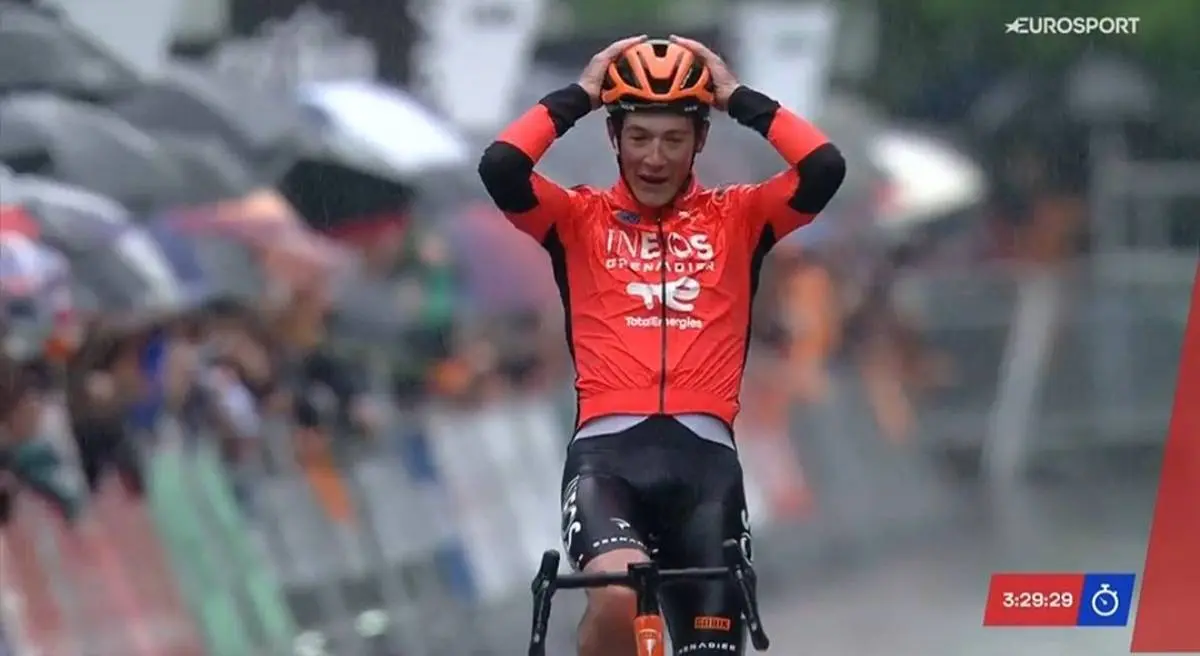
The decisive moment came on the steep slopes of the Asentzio, when Andrew August launched a powerful acceleration. The young INEOS Grenadiers rider quickly distanced all his rivals, showcasing both explosive power and composure beyond his years.
Raul Garcia Pierna attempted to respond but was unable to match August’s pace. From that point on, the outcome seemed inevitable, as August powered his way to his second professional victory, adding to his earlier success in Valencia.
Behind him, the battle for the remaining podium spots saw Frank van den Broek sprint to third place, while Emiel Verstrynge delivered an impressive performance to finish sixth. Further back, Johannessen’s efforts paid off handsomely.
The Norwegian not only held his ground but made a significant leap in the general classification, moving up to third overall and displacing Primoz Roglic from the podium positions.
As for Paul Seixas, the final climb brought no further threats. With Red Bull - BORA - hansgrohe unable to mount another serious challenge, the French rider safely navigated the closing kilometers to secure his first overall victory in a WorldTour stage race.
It was a composed and mature performance, capping off a week in which he consistently proved to be the strongest and most resilient rider in the field.
Carlos Silva (CiclismoAtual)
Today marked the coming-of-age moment for two hugely talented young riders. Paul Seixas, just 19 years old, whom I had tipped from the very start to win the race, and Andrew August, aged 20.
For the rider from INEOS Grenadiers, this victory could well open the door to more selections in the British team’s line-ups for upcoming races on the calendar.
As for the young Frenchman, this was a clear statement on the road. The top teams in the peloton are already scrambling to secure his signature for the coming years, and rightly so.
Today, he simply swept everything aside, taking home every leader’s jersey, GC, KOM, youth, and sprints. Never before in the history of Itzulia Basque Country has such a feat been achieved.
As for the stage itself, Uno- X Mobility set out with clear intent to attack Red Bull – BORA – hansgrohe and push them off the podium. They partially achieved their goal, snatching third place from Primoz Roglic and coming within seconds of dislodging Florian Lipowitz from second overall.
The Scandinavian outfit may not have the financial power to sign the biggest stars, but they ride with heart, passion, grit, and determination. And Halland, this season, has been a remarkably consistent rider, showing significant growth, with his performances on the road becoming increasingly frequent.
Final word for UAE Team Emirates - XRG and Team Visma | Lease a Bike. Emirates saw Del Toro abandon after a crash, while Soler cracked on the final climb of the day, when he only needed to take two points to secure the KOM classification overall.
And Visma… did anyone actually see them? Were they even in Spain? Because if they were, I certainly didn’t notice them. Two of the most powerful teams in the peloton, two complete failures.
Ruben Silva (CyclingUpToDate)
A very strange day. Paul Seixas is comically superior to the rest of the field in this race at this point in time, and that is why he managed to secure the overall win today. Because for a regular rider, it could well have been lost today.
With the stage starting off with a climb, you know attacks will come. There were conflicting reports on whether Matthew Riccitello was in front or not, but from the moment Paul Seixas attacked to the moment he was caught by the group of his rivals, he was alone the whole time.
Decathlon did not try to control the breakaway and let DOZENS of riders go up the road, including GC threats, and either put only 1 rider who had no utility later on in it, or had no-one, which I cannot understand for my life.
It is horrible tactics and if the Frenchman hadn't won minutes over everyone else over the whole week with attacks where he simply was unmatched, then he could've lost the race.
Read also
Because from the moment the race began being pushed in the peloton, he was isolated within minutes. Then he attacked and was alone in flat roads against a peloton out front and a group of his rivals behind.
A situation where only a Pogacar could still make it work. Seixas was close, but there's times where you can only defy logic so far. It was a bizarre day of racing, which is entertaining, but I can't say I understand what was behind many decisions from the GC group.
Luck rewards the brave then, in this case it didn't take much bravery, but Uno-X placing 5 riders including their leader in the breakaway is exactly the kind of tactics I look to see smaller teams do.
They get rewarded heavily with a spot on the final podium after a massive collective effort, and I hope it encourages other teams to do the same in the future.
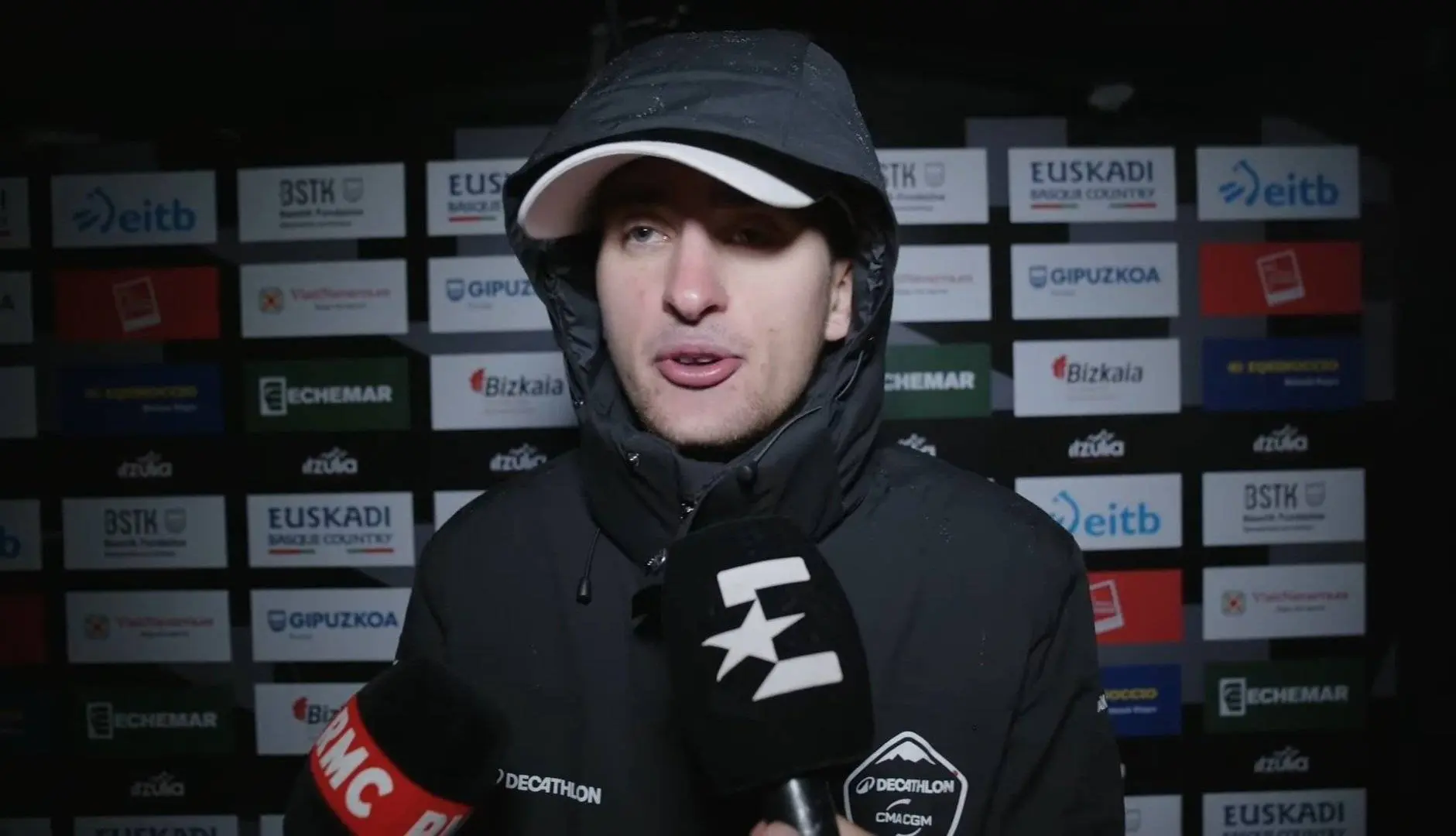
Jorge Borreguero (CiclismoAlDia)
The final stage of the 2026 Itzulia Basque Country sent a very clear message: a double success, both as a team and individually, on an incredibly tough day that rewarded ambition.
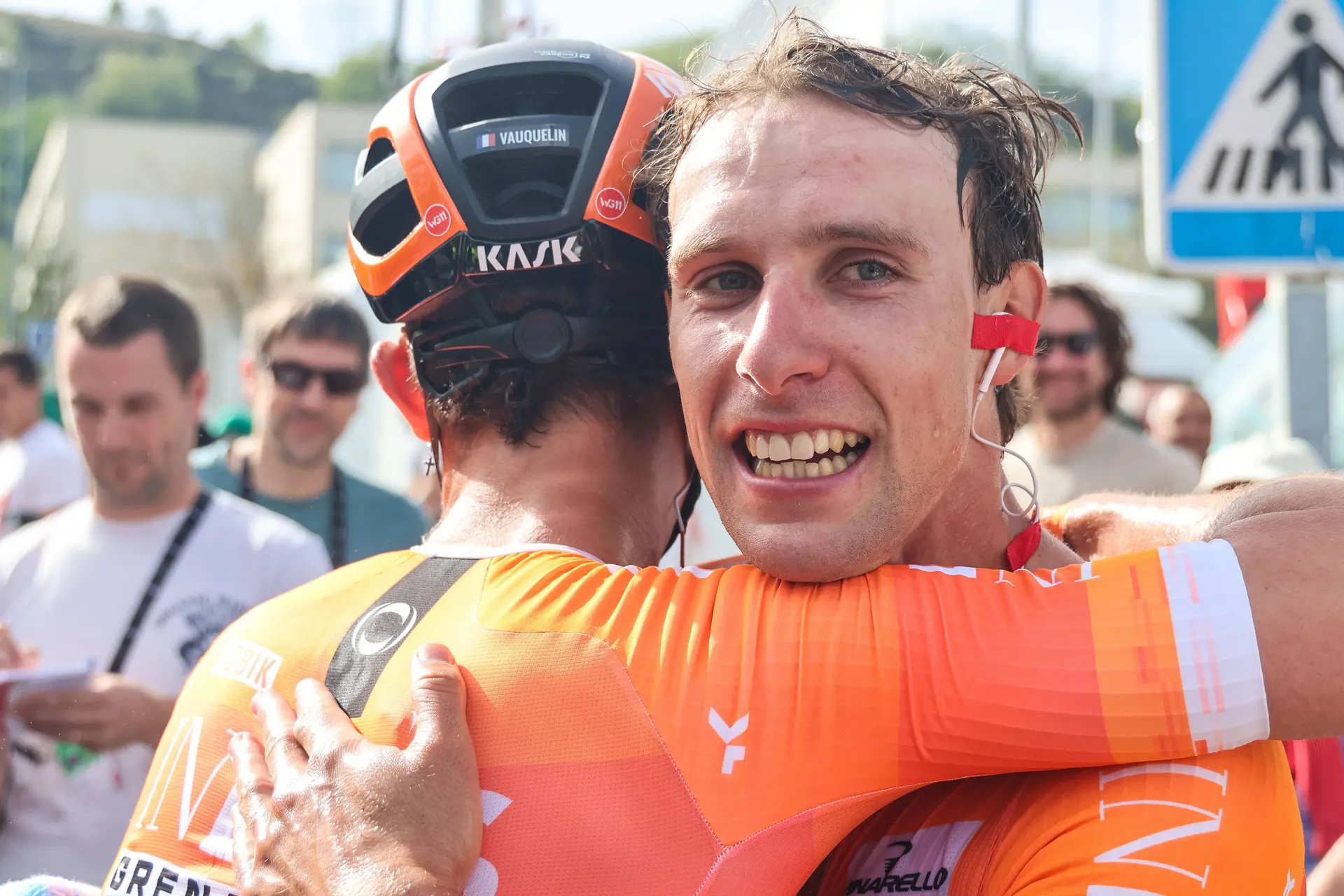
On the one hand, Andrew August’s victory confirms INEOS Grenadiers’ excellent form. It was not an opportunistic win, but one built on courage: a long-range attack, a breakaway from the leading group and a finish at just the right moment.
He read the race perfectly and, above all, managed the head-to-head battle with Raúl García Pierna, whom he eventually dropped at the most decisive moment. It is the kind of victory that speaks of strength… but also of competitive maturity.
But the big name of the day - and of the week - is Paul Seixas. Beyond ‘defending’ the general classification, what he did was something far more significant: riding without fear.
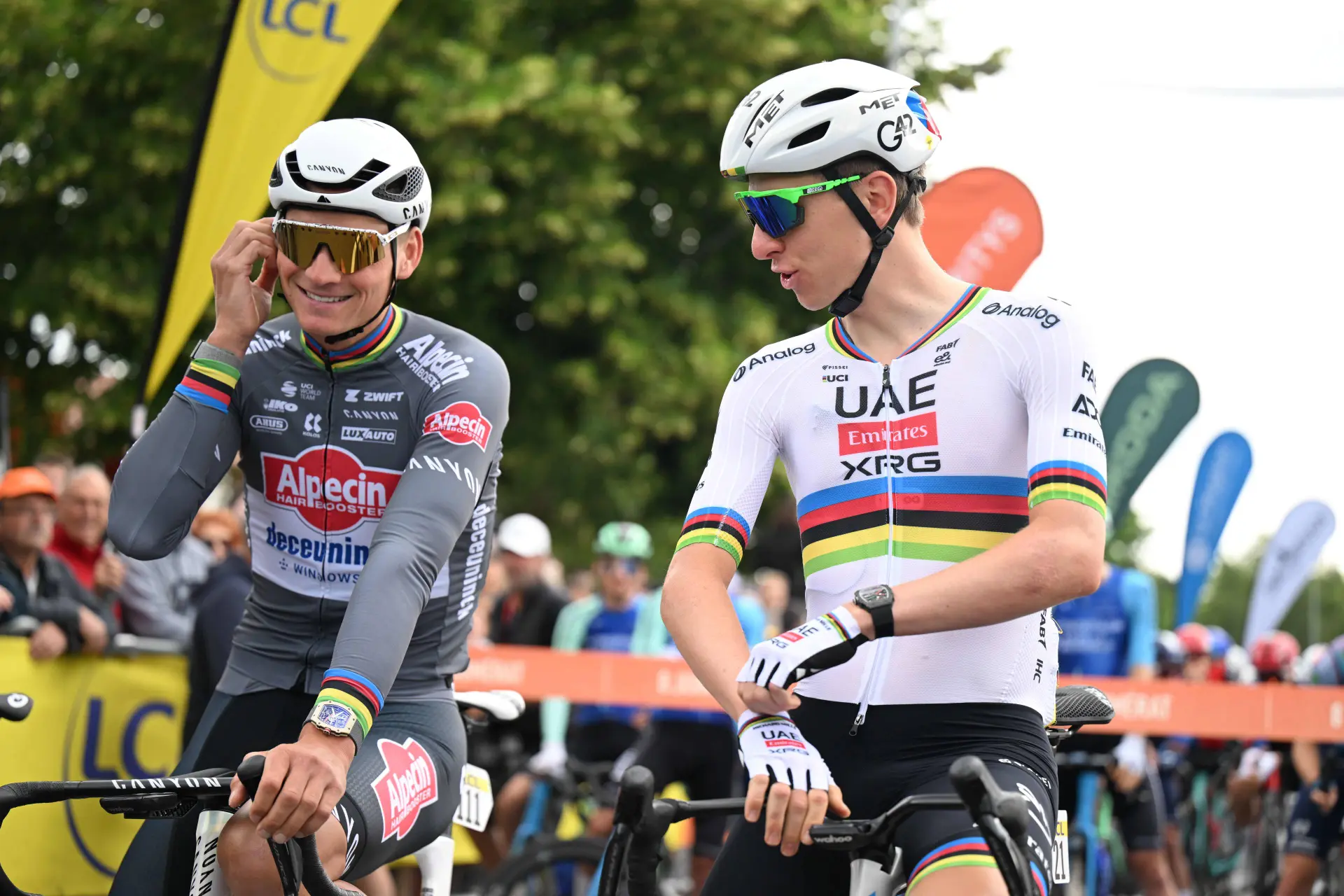
In a chaotic, rain-soaked stage with multiple open scenarios, he did not limit himself to controlling the race, but even allowed himself to attack and get involved in dangerous moves. That attitude, unusual for someone so young and the leader of a WorldTour tour, is what truly elevates his victory.
Because winning the Itzulia isn’t just a matter of legs: it’s a tactical, explosive and highly treacherous race. And Seixas has dominated it from day one, capping it off with an active defence reminiscent of the great stage racers in their prime.
In summary: INEOS continues to build a case for itself as a solid, winning team. Andrew August has established himself as a rider to watch very closely. And Paul Seixas isn’t just winning… he’s starting to establish a new pecking order in the peloton.
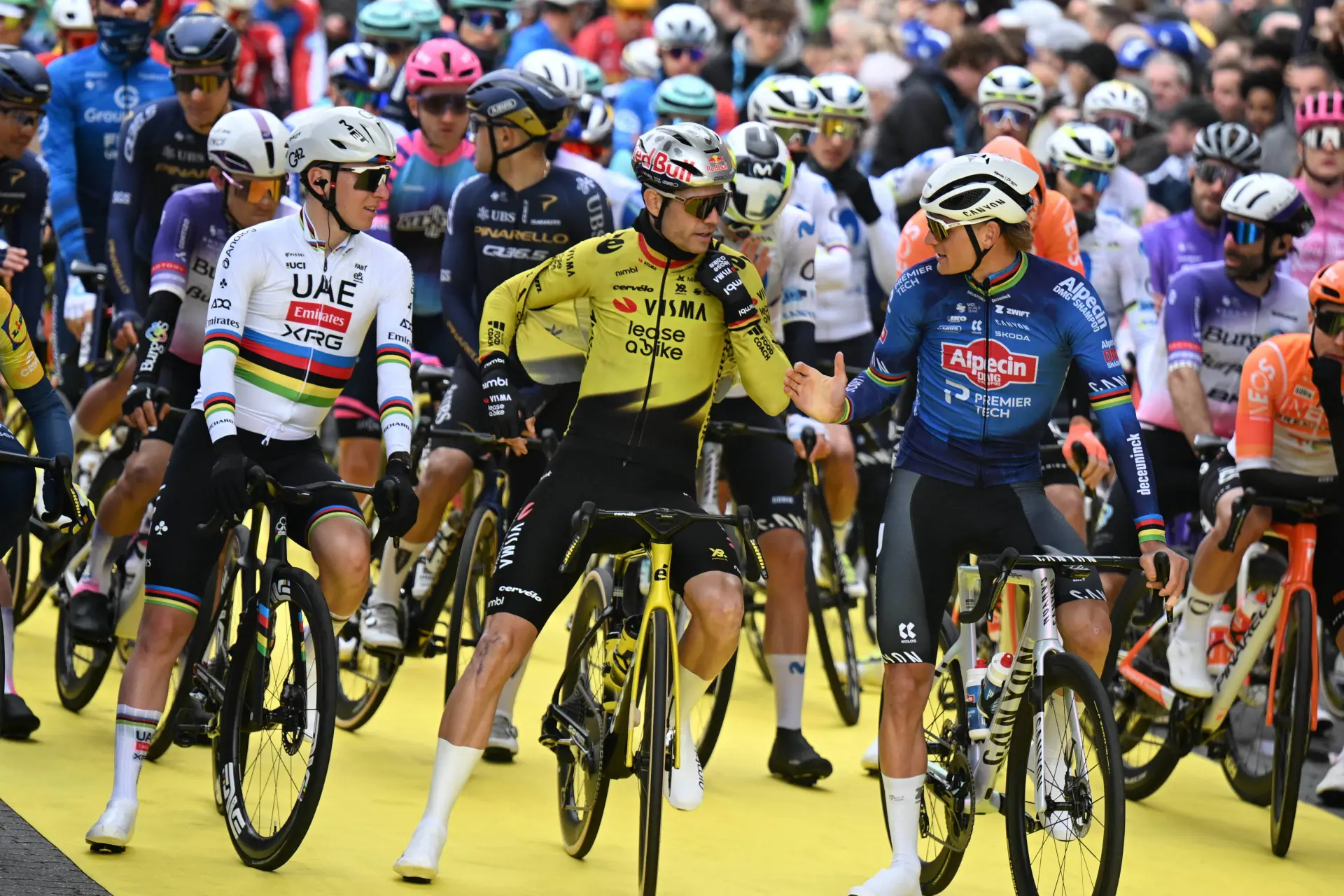
And you? What’s your opinion on Itzulia Basque Country Stage 6? Tell us what you think and join the discussion.
Carlos Silva is a writer for CyclingUpToDate.com, where he contributes race reports, interviews, analysis pieces, and live coverage of the international cycling calendar. Holding a degree in Sports from the Jean Piaget Institute, he combines academic knowledge of performance, training, and competition with hands-on journalism experience in professional cycling.
Throughout his career, Carlos has conducted interviews with leading figures in the sport, including Alberto Contador, Joaquim Rodríguez, Óscar Pereiro, João Almeida, Isaac del Toro, Derek Gee, John Degenkolb and Geraint Thomas. These conversations reflect direct engagement with Grand Tour winners, Classics specialists, and emerging talents.
He has provided on-site coverage at major events ranging from the Vuelta a España to the Tour de France, alongside stage races such as Vuelta a Andalucía, Volta ao Algarve, Volta a Portugal and O Gran Camiño. Covering the mythical climbs of the Giro d'Italia remains one of his professional ambitions.
Carlos is responsible for liveblog coverage of all major WorldTour races and beyond, including the Tour de France, Giro d'Italia and Vuelta a España. His reporting integrates verified data from ProCyclingStats to ensure statistical accuracy, contextual depth, and analytical precision.
A lifelong cycling enthusiast, he approaches storytelling across written, photographic, and video formats with a focus on credibility, tactical insight, and informed race interpretation.
claps 2visitors 2
Just in

Popular news
Latest comments
- I didn't see it so I can't comment, but I'll take your word for it, and your stats.mij20-10-2026
- disrespectful thats a joke ...
 Davide20-10-2026
 - EF’s “island of misfit toys” squad is probably one of my favorites in the peloton. They are fun to watch, always trying stuff - they ride with heart and panache, and their kits are excellent.wrsty20-10-2026
- 'Children these days'... Wout, since the caveman learned to say "Ug", older generations have always said this about younger generations. Not every young rider is a cowboy. So what's to say that the fact that Poels was respectful meant that his peers were equally so?
 Rafionain-Glas19-10-2026
 - "...In a weakened field" Most definitely ! YAWN !frieders319-10-2026
- Noted. But I had to appease his fans.MajorPayne19-10-2026
- I wonder if he'll race Challenge MallorcaRafionain-Glas19-10-2026
- Head to head time-splits: Jay Vine vs Remco Evenepoel: 10.5 km - Vine lost 45 seconds to Evenepoel 34.2 km - Vine lost a further 1:10, and was caught in the vicinity of that checkpoint. Note: I remember Vine getting caught before the second checkpoint, and ProCyclingStats log supports that, however, the gap at the second checkpoint was less than 2 minutes. 45.4 km - Vine lost only 16 seconds Of course, Vine lost less time in the middle section than the early section, but at the final segment rate, he'd have lost 15 seconds in the opening section and and 34 seconds in the middle. It is possible that Vine paced himself very well but that seems unlikely. In comparison with Stefan Küng: Kung lost: 26 seconds at T1. A further 1:11 by T2. A further 40 seconds by the finish. Relative to Evenepoel, Küng did slow down by the end. Maxime Decomble: Lost 47 seconds at T1. A further 1:20 by T2. A further 26 seconds by the finish. Mikkel Bjerg: Lost 37 seconds at T1. A further 1:34 by T2. A further 46 seconds by the finish. It is not concrete evidence that Vine cheated though it certainly doesn't absolve him. However, watching the race, I am 100% sure that Vine did not pull over and follow a different line when Remco passed him. Remco pulled away quite quickly, but the gap did not balloon and Vine definitely got aero assistance.Rafionain-Glas19-10-2026
- That ship has sailed years agovappaxbipmv19-10-2026
- He doesn't have to. I'd be perfectly happy if he loses SB if he then wins everything elsevappaxbipmv19-10-2026
Loading
1 Comments