"Be careful not to push too hard mentally" - Chris Froome sends warning to Tadej Pogacar amid burnout fears
Cycling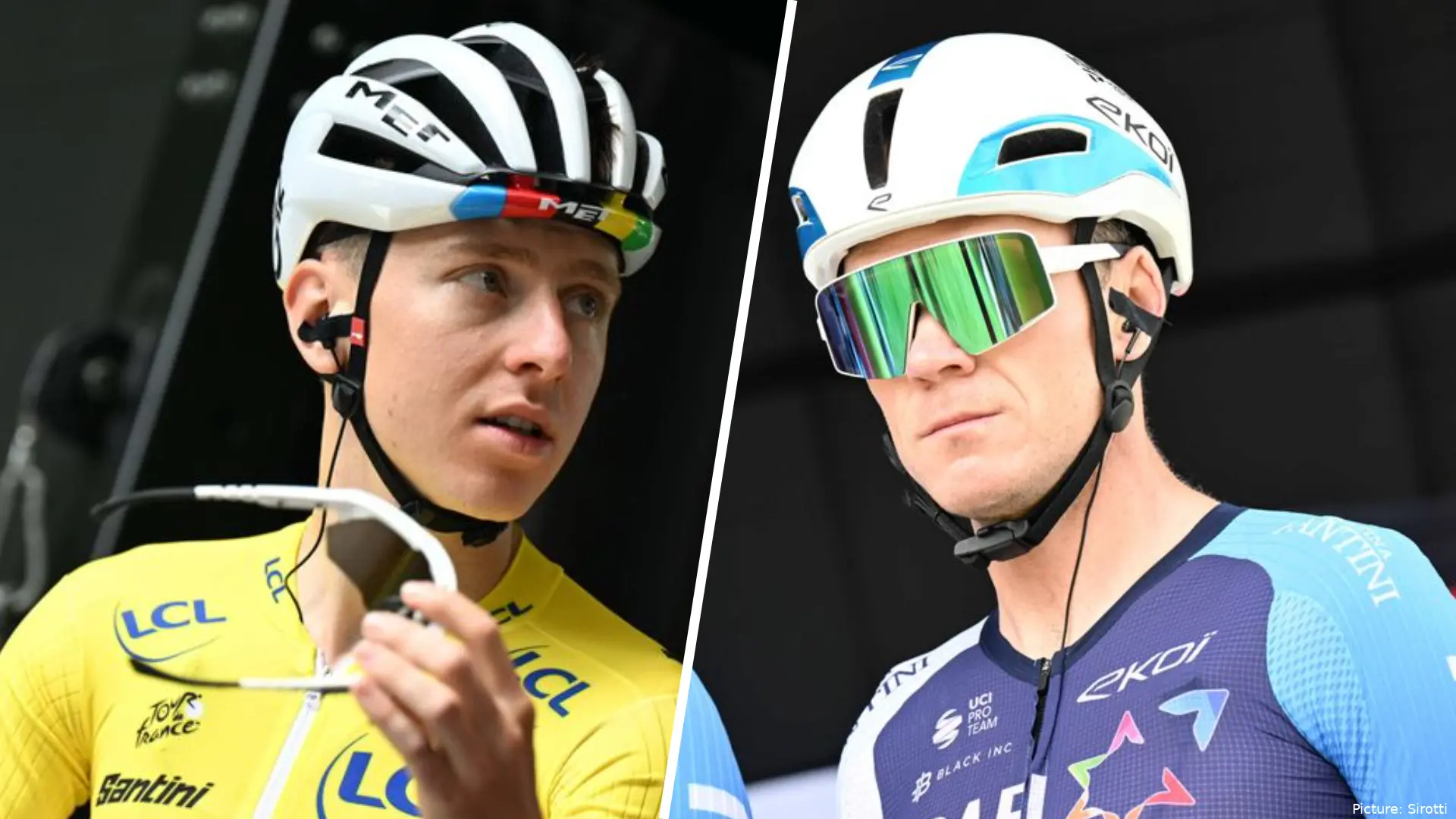
As Tadej Pogacar sealed his fourth Tour de France title in July, drawing level with Chris Froome’s own tally, comparisons between the two were inevitable. Both phenoms of their era, both shaped by their dominance at cycling’s biggest race — and both, it seems, aware of the fine line between greatness and overexertion.
Speaking to Bici.Pro at the 2025 Tour de Pologne, Froome offered a quietly reflective perspective on Pogacar’s achievement, nodding not just to the physical toll of winning Grand Tours, but the mental strain that accumulates season after season. “I didn’t pay that much attention to how Pogacar looked,” Froome said. “But I do think it’s completely normal for him to appear tired. He’s been racing at the top level for a long time, and each year more is expected of him. In a way, I see a bit of myself in that.”
He may be a shadow of his former self now, but Froome — between 2013 and 2018 — was inescapable at the sharp end of GC battles. His run of four Tours, two Vuelta a Espanas, and a Giro d'Italia across six seasons was as relentless as it was dominant. Yet even he admits the margins eventually wear thin. “When I won the Tour, Vuelta and Giro in quick succession between 2017 and 2018, I arrived at the Tour that year in good form, but mentally I was running on empty," he remembers honestly. "I still finished third, but the signs were there.”
What Froome learned then — and what he hints Pogacar may soon reckon with — is the necessity of selective sacrifice. “At some point, you realise you need to start saying ‘no’ to certain things, or at least plan your season differently," he explains. "The only way to stay sharp over so many years of structured training is motivation. You need fresh goals to keep you focused, but you also have to be careful. Pushing too hard mentally is draining — and it makes everything harder.”
The Cost of Yellow
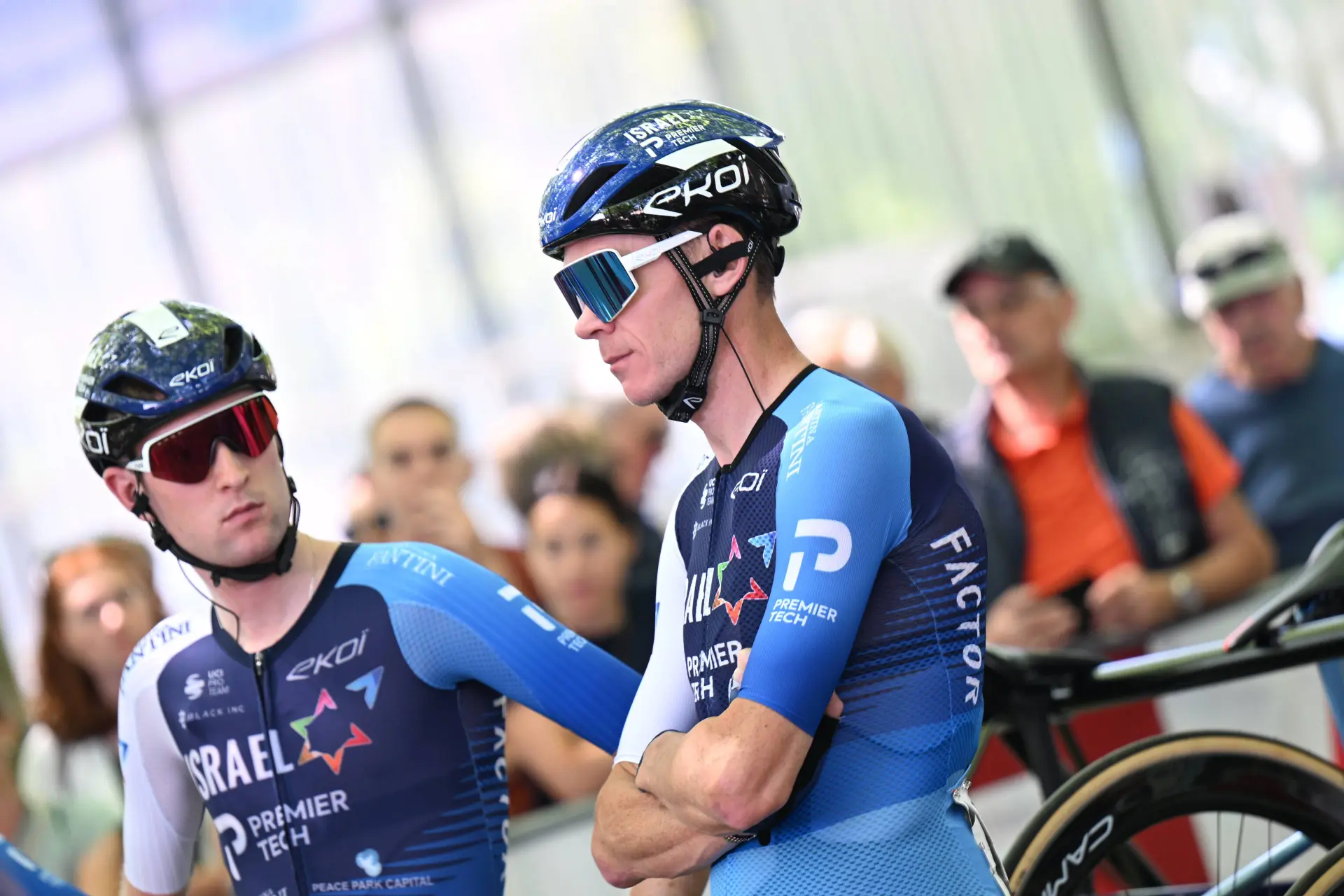
Froome knows, too, that the race doesn’t end at the line. One of the most sobering lessons of his early dominance came not from the climbs of the Alps or the pavé of northern France — but from the endless obligations of the podium. After his breakthrough Tour win in 2013, Froome started targeting even smaller stage races just to study how post-race ceremonies cut into recovery. “Two hours gone” was the rough tally. “Two hours not spent eating, getting massage, or sleeping.”
It’s no surprise then that Pogacar — always an instinctive rider — let the polka dot jersey pass to Tim Wellens early in this year’s Tour, or didn’t fight to keep the yellow on every stage. These are calculated decisions, made not out of laziness, but longevity.

Froome was the most successful Grand Tour rider of the 2010s
“I’ve Started Counting the Years”
Pogačar himself recently hinted at the creeping awareness of wear and tear. Speaking to Slovenian outlet RTVSlo following his Tour victory, he said: “I’ve started counting the years until retirement. I began winning early, so I know there can also be seasons with fewer results. But I will probably ride a few more Tours — it’s the biggest race, and I doubt the team will leave me out for years to come.”
If Pogacar is already glancing at the exit ramp, it may reflect the sheer emotional intensity of a career lived entirely at the top. The Tour may be a dream to win, but it’s a burden to carry, year after year.
For Froome — who has endured both the highs of yellow and the lonely rehab following his near-fatal 2019 crash — the message is clear: preservation is not weakness; it’s a strategy. “Motivation is everything,” he says. “But you have to give yourself space to breathe. If you don’t, eventually, the whole structure starts to crack.”
It's clear that Froome's reflection isn’t a criticism. It’s the quiet counsel of someone who’s been there — and perhaps wishes he’d listened to that same voice a little sooner.
Read also
Kieran WoodDeputy Editor-in-Chief
Kieran Wood is a sports journalist based in Wales and has been active in journalism since 2022. He regularly contributes to DartsNews.com and CyclingUpToDate.com, where he covers professional cycling and darts. In cycling, his work includes liveblogs from major races, including the Tour de France, the Giro d’Italia, and La Vuelta a España, alongside race reports and analysis. He has also conducted interviews with professional riders.
His reporting spans the full racing calendar, from one-day classics to stage races, with a focus on accurate, real-time coverage and clear contextual analysis. For statistics, results, and historical context, he regularly uses resources such as ProCyclingStats. To support reporting on rider activity and training context where relevant, he also references Strava.
In his work, Kieran places strong emphasis on careful sourcing, editorial accuracy, and updating articles as new, verified information becomes available.
claps 15visitors 7
Just in
Popular news
Latest comments
- Nothing. Against Pogi nothingabstractengineer18-10-2026
- He didn't even try to sprint all outvappaxbipmv18-10-2026
- Campenaerts looked like a rolling pumpkin with that all orange leaders skinsuit !frieders318-10-2026
- He can take his dumb a$$ politics somehwere else !frieders318-10-2026
- good to have her back. fingers crossed she‘ll be able to stay!Ketterechts17-10-2026
- A tenner and he wins the Tour next year, too 😂anonymouscyclist17-10-2026
- the answer is either stick to classics or GTs but not bothabstractengineer17-10-2026
- the exodus already stared with Ciccone. Already they were struggling with two sprinters, now there are three. Also Ganna will demand leadership. Gall is the most proven GC, Ayuso has the most potential. GC leadership for everybody will be impossible. Literally a UAE style mess without pogi.abstractengineer17-10-2026
- I raced as an amateur for 12 years, including six years on my country’s national road cycling team. I secured two national titles and competed in three World Championships plus more than 15 international stage races. At 23, we travelled to Italy for a training camp—or so I assumed. On a rest day, we watched a presentation about adopting a more “professional” training approach. It was crystal clear what “professional” meant. That moment first exposed me to this dilemma. After returning from Italy, I left cycling—at least at the competitive level I had known. Over the following two years, the whole team was caught doping. I hold that everyone is innocent until proven guilty. In my view, current stakeholders operate on a different scale, and the sums involved are vast. I am unsure whether any doping would ever be revealed. I try to stay positive and enjoy the show. My 2c.
 vannpelt17-10-2026
 - Fiver he wins 🤣
 leedorney17-10-2026
Loading
Write a comment