"13-year-old children doing high altitude training" - Spanish ex-pro blames modern cycling for Pogacar's retirement comments
Cycling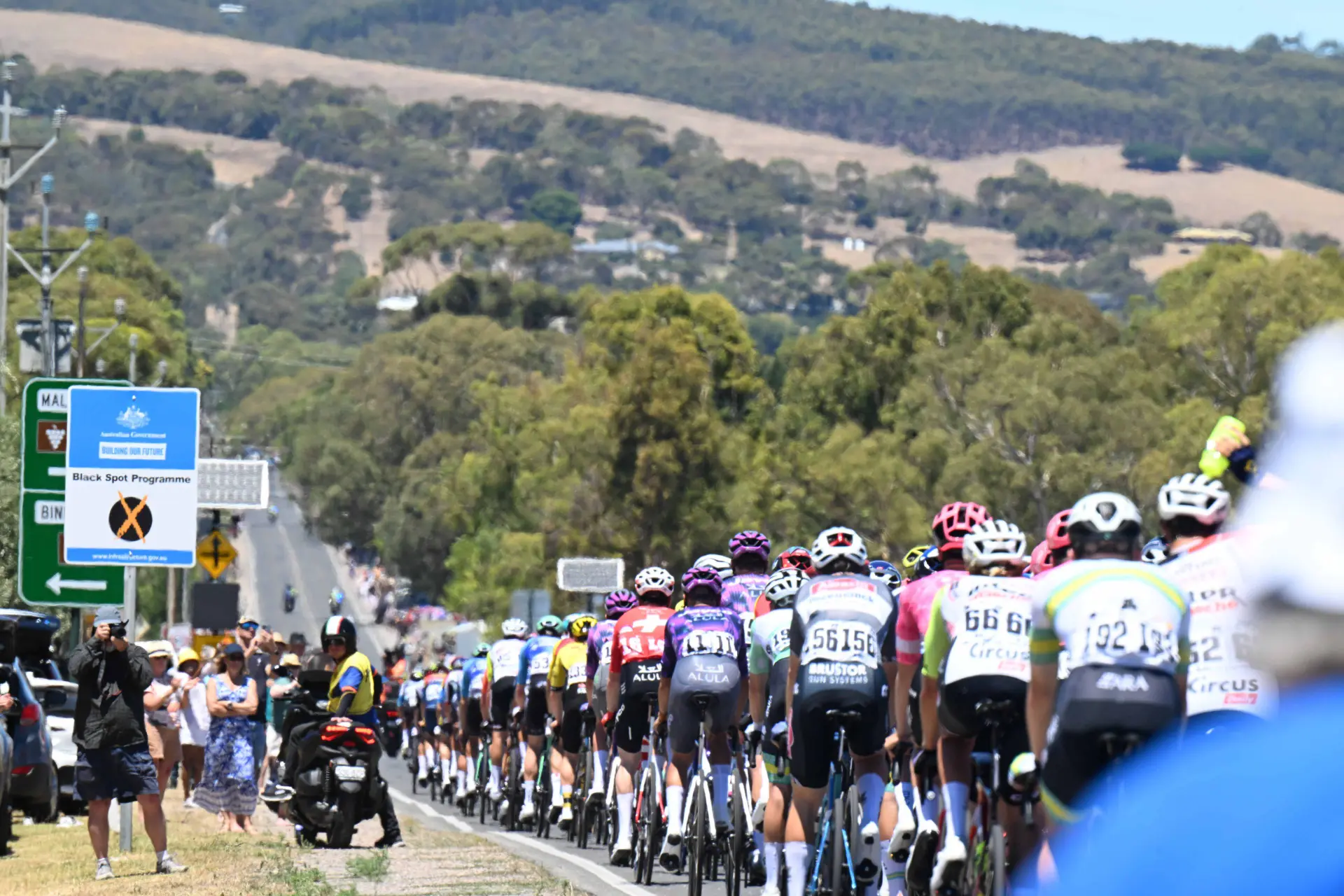
Professional cycling is built on sacrifice, but for many riders, the demands begin years before they ever sign a professional contract. According to former Movistar rider Luis Pasamontes, the culture of pushing young riders to their limits has reached dangerous extremes. He warns that excessive training volumes, high-altitude camps, and an obsession with early success in junior categories risk harming both the physical and mental well-being of future professionals. His concerns surfaced just as Tadej Pogacar, one of the sport’s brightest stars, admitted he is already thinking about retirement, underscoring the toll the sport takes at every level.
Pasamontes voiced his criticism publicly through his official X account, where he regularly comments on the state of cycling. His post was a blunt indictment of current youth training trends: "Cyclists of 13 years old training 200 kilometers and doing concentrations at high altitude, promoted by the team. Of course, also by the parents. Being the best in lower categories is not synonymous with doing things well. I will denounce it. I don't understand anything about cycling." In his view, this drive to create young winners ignores the fact that success at that age rarely predicts a sustainable career.
The timing of his statement is notable. Pogacar, the reigning world champion and one of the most successful riders ever, has recently been candid about the pressures he faces at the pinnacle of the sport. After finishing an exhausting Tour de France and withdrawing from the Vuelta a España to recover, he hosted his own criterium in Komenda, Slovenia.
It was there that the UAE Team Emirates leader admitted, "I've started counting down the years until retirement. It's true that sometimes I'd like to be a little less famous. Taking photos and signing autographs sometimes gets tiring, sometimes less, but I try to please everyone."
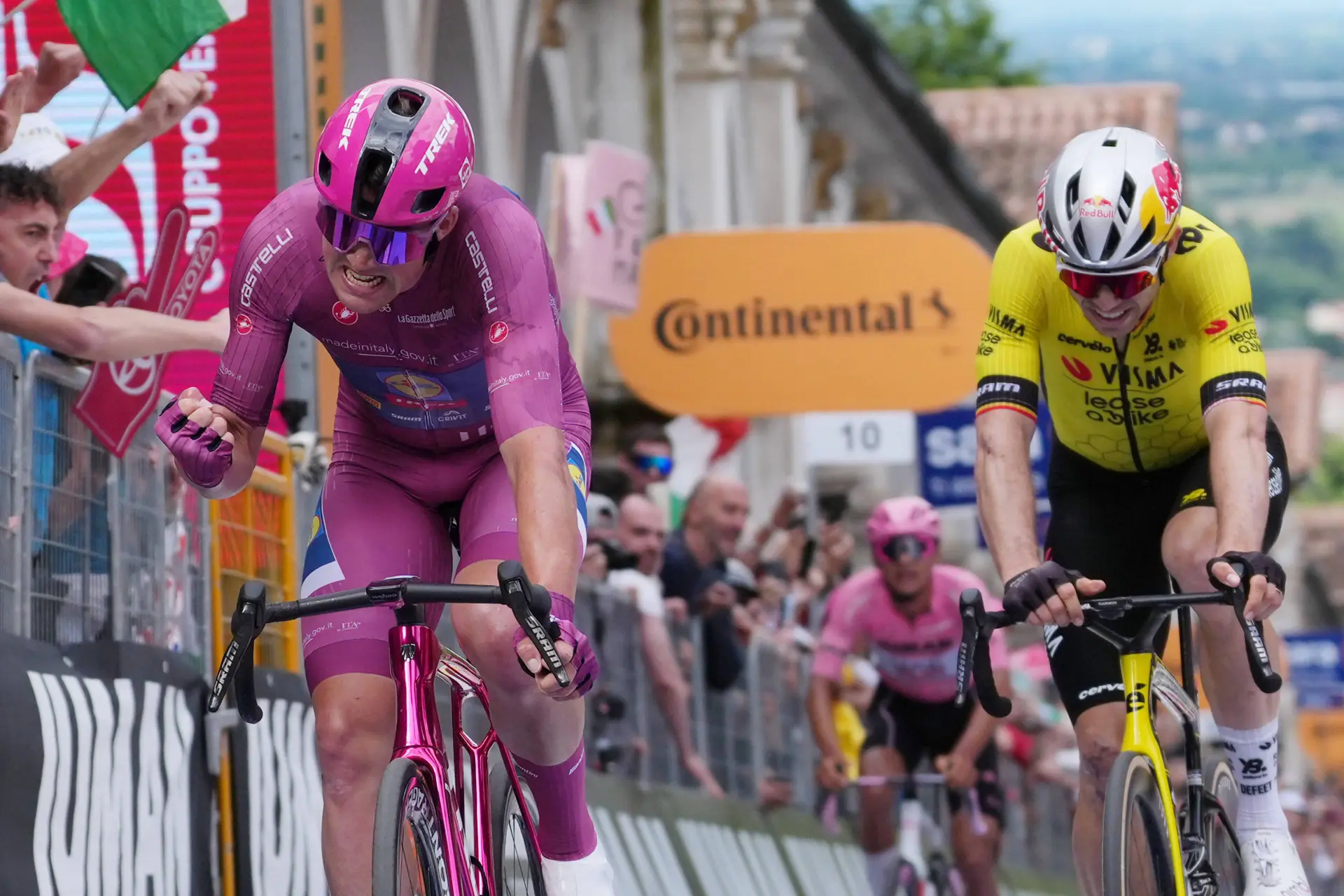
Pasamontes responded directly to those comments, expressing empathy for the Slovenian’s mindset. "Pogačar thinks about his retirement. For me it is normal, logical and understandable. Cyclists live tied to the numbers of potentiometers and scales. They live between concentrations and competition, little at home.
"That's how it is, it's the moment they have to live to be professionals. It's hard," he said. For him, Pogacar’s situation illustrates the broader problem: the sport’s structure forces riders into an all-consuming cycle of training, travel, and racing, often from a very young age.
For now, Pogacar will step away from competition until September, skipping the remainder of the summer calendar. His return will come at the Canadian WorldTour classics, the Grand Prix Cycliste de Québec and Grand Prix Cycliste de Montréal, events he will use to prepare for his title defence at the 2025 World Championships in Rwanda. The rainbow jersey remains one of his prime objectives, but his remarks suggest that even chasing cycling’s most prestigious prizes comes at a personal cost.
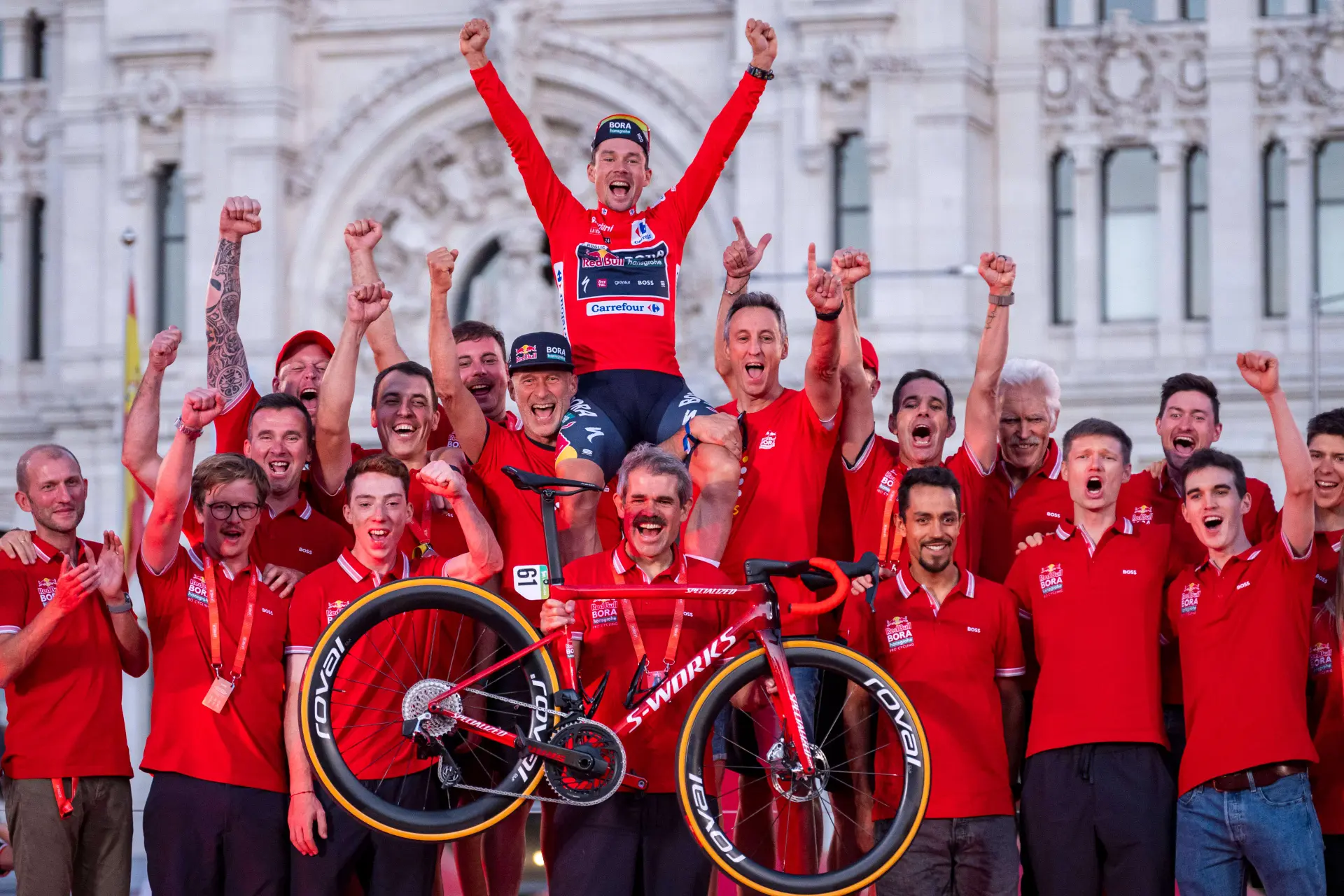
Following the Worlds, Pogacar is scheduled to take on the European Championships, an event where he has only competed once before, in 2021, when he placed fifth. Whether this appearance is part of ticking off career goals before stepping away is unclear, but it marks another high-profile target in a packed season.
He will then close his campaign in familiar fashion at Il Lombardia. Having already won the Italian monument four years in a row, he will seek a fifth consecutive victory, a record, before finally putting an end to what has been one of the longest and most demanding seasons of his career.
Pasamontes’ warnings about youth overtraining, paired with Pogacar’s reflections on burnout, present a stark portrait of professional cycling. From 13-year-olds riding 200 kilometers in a day to world champions publicly counting down to retirement, the message is consistent: the sport’s demands, both physical and mental, are immense. For those inside the peloton, the conversation is not just about winning races, it is about surviving the sport itself.
Read also


Fin MajorCycling Journalist
Fin Major is a UK-based writer at CyclingUpToDate and has been part of the team since 2024. He is the site’s main writer for FAQs and evergreen explainers and has written around 2,000 pieces for the platform. Alongside this work, he focuses on in-depth analysis and covers the biggest races on the calendar, including the Tour de France, the Giro d’Italia, and La Vuelta a España, providing clear context around performance trends, tactics, and key storylines.
In his reporting, Fin uses reputable data sources such as ProCyclingStats for results, statistics, and historical context. He places strong emphasis on careful sourcing, editorial accuracy, and updating articles promptly when new, verified information becomes available. Outside of writing, Fin is an active cyclist, which supports his practical understanding of the sport and its demands.
claps 9visitors 8
Just in

Popular news
Latest comments
- Nothing. Against Pogi nothingabstractengineer18-10-2026
- He didn't even try to sprint all outvappaxbipmv18-10-2026
- Campenaerts looked like a rolling pumpkin with that all orange leaders skinsuit !frieders318-10-2026
- He can take his dumb a$$ politics somehwere else !frieders318-10-2026
- good to have her back. fingers crossed she‘ll be able to stay!Ketterechts17-10-2026
- A tenner and he wins the Tour next year, too 😂anonymouscyclist17-10-2026
- the answer is either stick to classics or GTs but not bothabstractengineer17-10-2026
- the exodus already stared with Ciccone. Already they were struggling with two sprinters, now there are three. Also Ganna will demand leadership. Gall is the most proven GC, Ayuso has the most potential. GC leadership for everybody will be impossible. Literally a UAE style mess without pogi.abstractengineer17-10-2026
- I raced as an amateur for 12 years, including six years on my country’s national road cycling team. I secured two national titles and competed in three World Championships plus more than 15 international stage races. At 23, we travelled to Italy for a training camp—or so I assumed. On a rest day, we watched a presentation about adopting a more “professional” training approach. It was crystal clear what “professional” meant. That moment first exposed me to this dilemma. After returning from Italy, I left cycling—at least at the competitive level I had known. Over the following two years, the whole team was caught doping. I hold that everyone is innocent until proven guilty. In my view, current stakeholders operate on a different scale, and the sums involved are vast. I am unsure whether any doping would ever be revealed. I try to stay positive and enjoy the show. My 2c.
 vannpelt17-10-2026
 - Fiver he wins 🤣
 leedorney17-10-2026
Loading
2 Comments