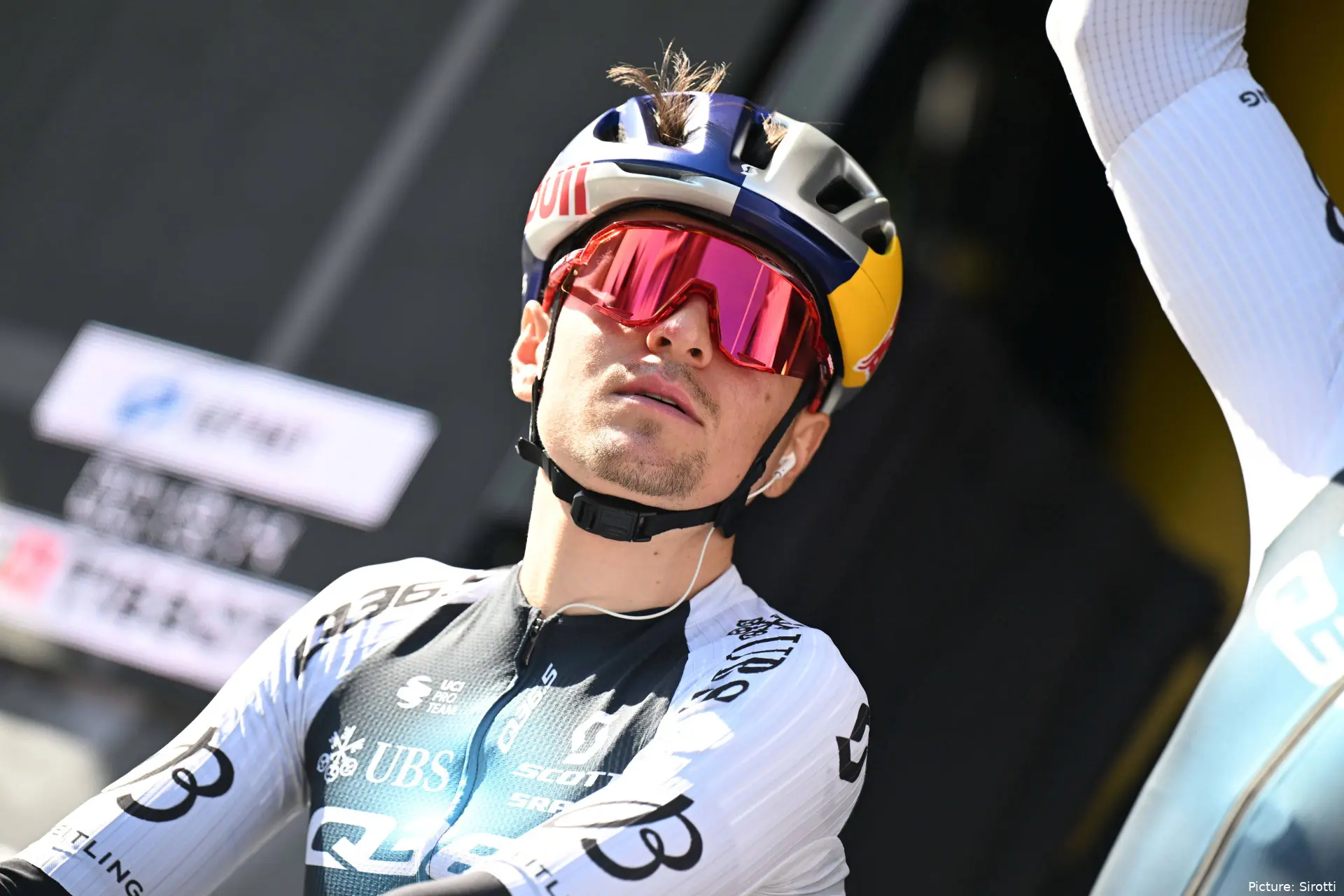
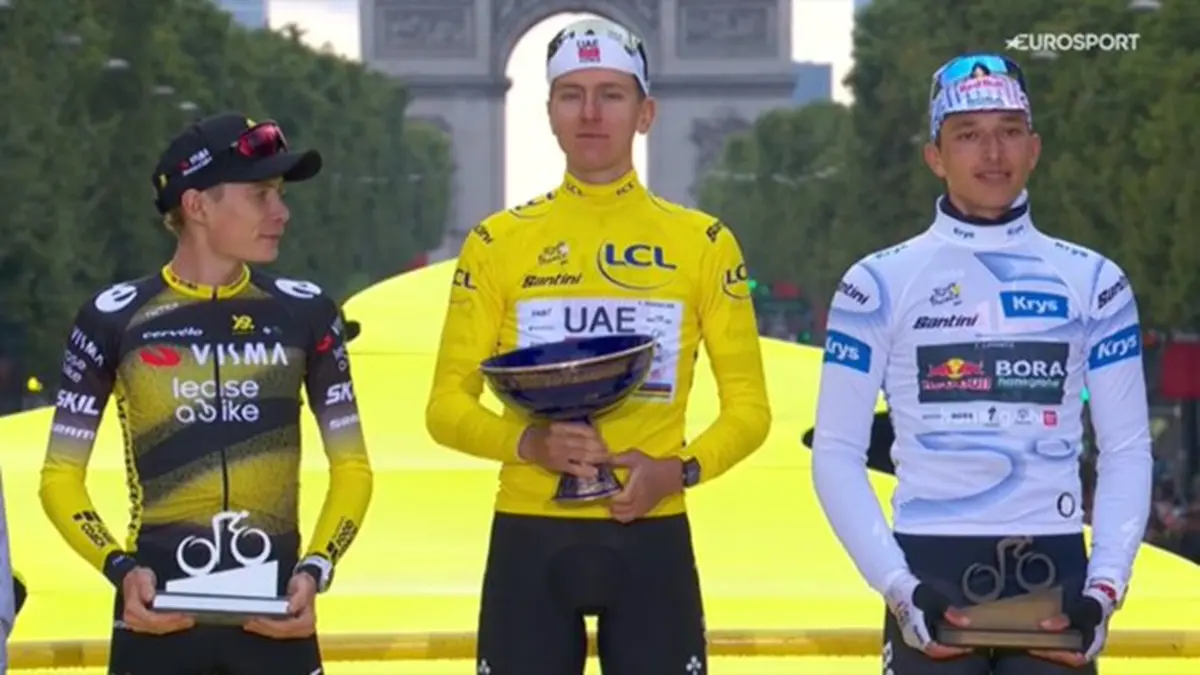
By the time Oscar Onley rolled into Paris as Britain’s
breakout star of the 2025 Tour de France, most UK fans felt that they were
entering a new era. The once-familiar rhythms of free-to-air cycling, the
commentary of Boulting and Millar, the iconic “Beat Route” intro, the feeling
of the Tour being part of the British summer, are now gone. ITV signed off
after over 2 decades with an emotional highlight show on July 27, and live coverage
of the world’s biggest race now sits behind a £33.99 paywall on TNT Sports and
Discovery+.
It’s not just a blow to casual fans, it’s a problem for the
entire British cycling ecosystem. Riders like Onley used to emerge in plain
sight, visible to every family with a TV. Now, they’ll have to break through in
silence, unless you’re paying for the privilege. Yesterday we reported that Ned Boulting had warned of a crisis for British road racing, but with riders like Onley has it truly become such a severe problem?
“It’s definitely sparked a bit of a dream,” Onley said,
after finishing fourth overall in only his second Tour. And it should. The
young Scot was the only rider able to stay with Pogacar and Vingegaard on the
brutal slopes of the Col de la Loze, and oh so nearly challenged Florian
Lipowitz for third overall.
On a day when GC contenders were shelled out of contention,
Onley was still standing. “I don’t really realise it yet,” he admitted in
Paris. “Just from talking to other riders in the bunch, going forward, we have
something to build on and an exciting project for the future.”
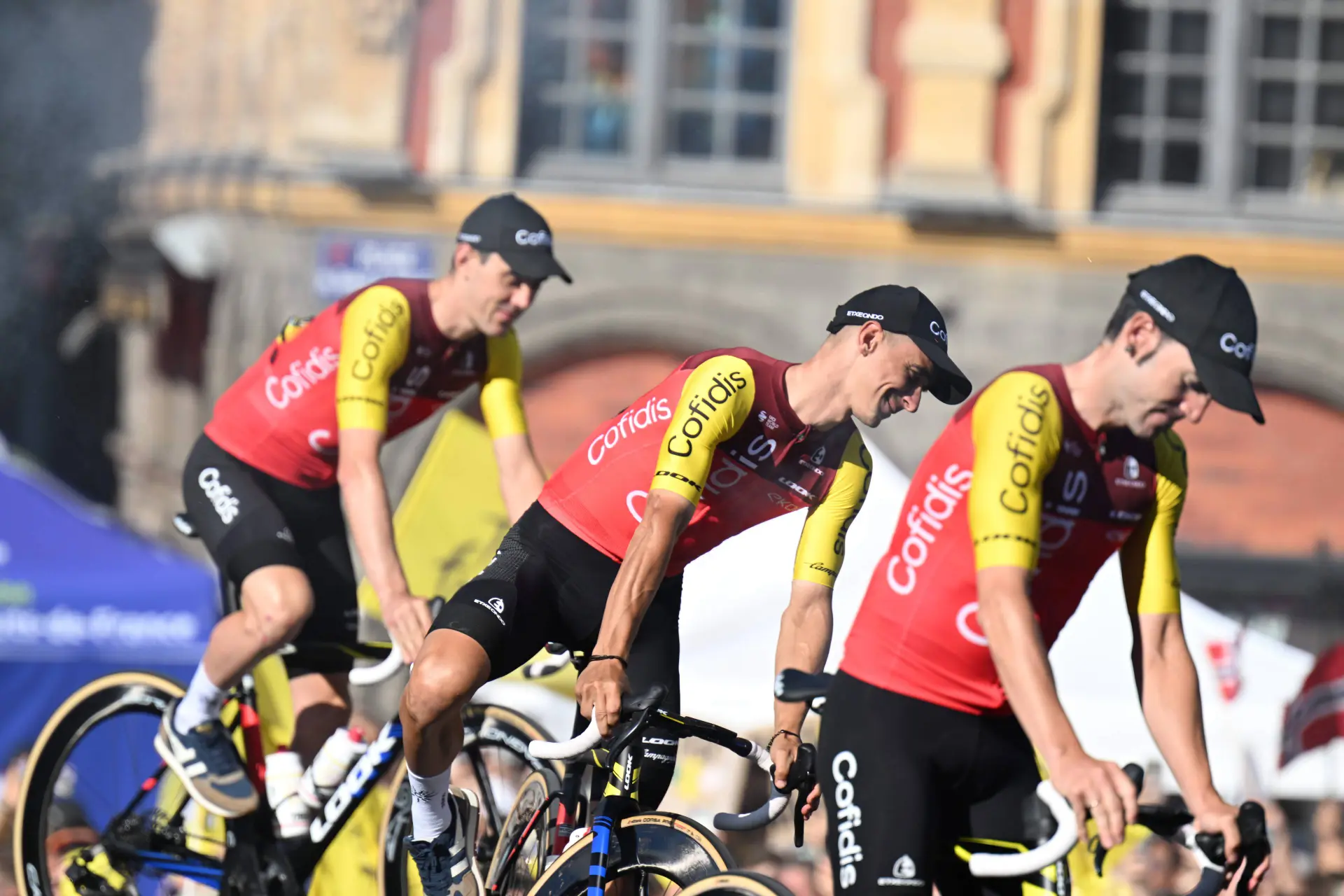
After several years lacking a true GC contender, Onley has
announced himself at precisely the right time. A new British GC hope, finishing
fourth at the Tour, matching the sport’s giants in the Alps. But, will he be
able to inspire fans and young riders the same way the likes of Cavendish,
Thomas and Froome did before him?
Let’s take a close look at the current state of British
cycling, and whether there are severe causes for concern.
Thomas waves farewell
The end of the ITV era wasn’t the only goodbye in Paris.
Geraint Thomas rode his final Tour this summer, eighteen years after his debut
in 2007. He entered that first race as its youngest rider. This year, at 39, he
was the oldest. “Maybe it’s more of a young man’s sport these days, and I’m too
old. It’s a good time to stop,” he said in his final press conference. On the
rainy Champs-Élysées, Thomas described the chaos of the last stage as both
“horrific” and “the best last lap I’ve ever done.”
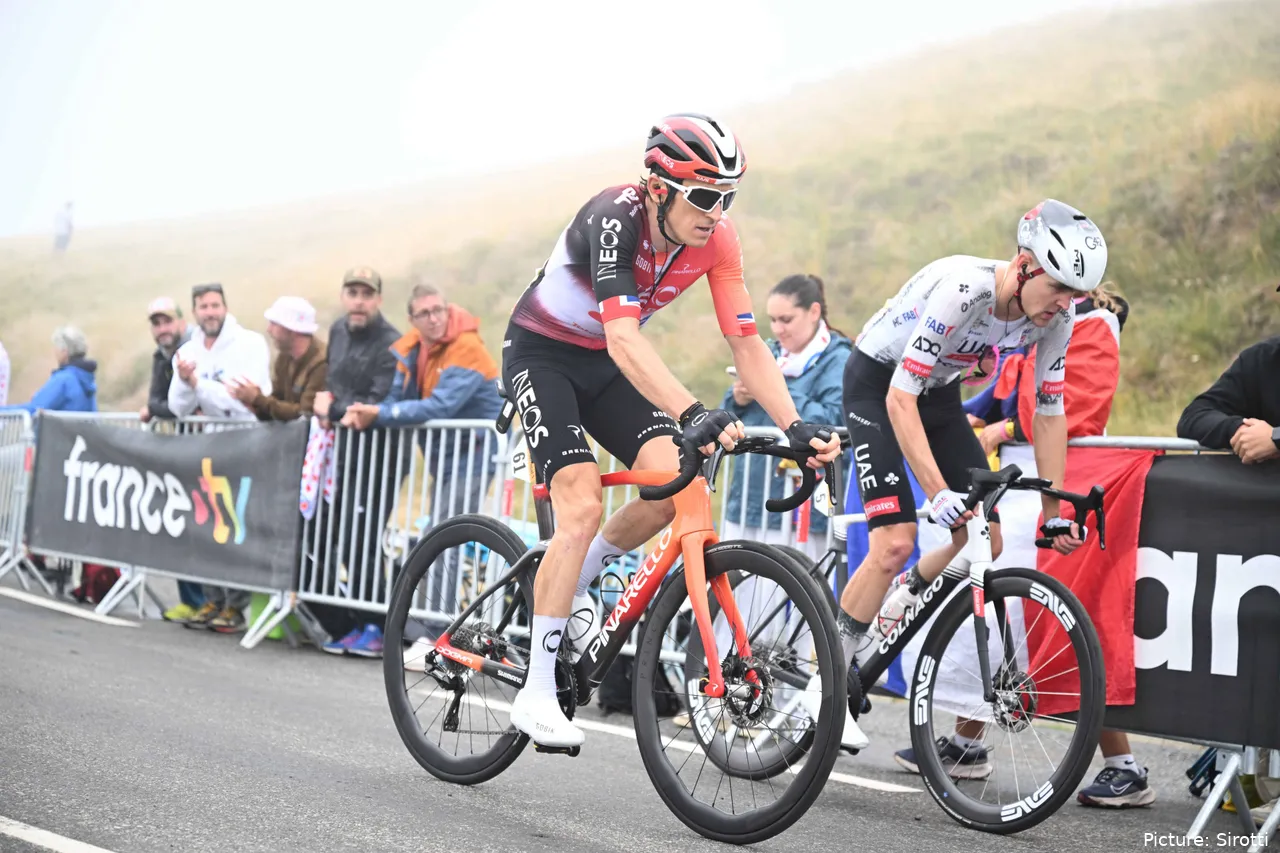
Geraint Thomas will retire after the Tour of Britain
That lap also felt like a full stop on an era. Thomas,
Froome, Wiggins, Cavendish, they made British road cycling mainstream. They
brought Grand Tour wins, headlines, knighthoods. They were the backbone of British
cycling, Team Sky and later INEOS. Even with Froome still racing, with Thomas
gone, it feels like that era is officially over. And the new generation will inherit
a vastly different landscape.
Oscar Onley: A new hope?
Oscar Onley has already proven he can carry part of that
burden, yet he wasn’t even supposed to ride for GC at the Tour. His job was to
support stage hunters, but he rode his way into contention and stayed there. By
the final week, Red Bull was eyeing him with caution, and Visma respected his
wheel. He may not be a household name yet, but inside the peloton, he’s no
longer under the radar.
“He can climb with the best guys in the world,” his sports
director said. That alone is more than most British riders of the past decade
have managed outside of Thomas and Froome.
But for Onley to truly lead this new era, he can’t do it
alone. Others need to step forward, and one of them is non other than Tom
Pidcock.
Has Pidcock underachieved?
Few riders in the world are more versatile than Pidcock.
He’s a double Olympic mountain bike champion, a cyclocross world champion, and
a Classics winner on the road. But so far, his Grand Tour record doesn’t match
his reputation, as it is now three years since he incredibly won on Alpe d’Huez.
After a disappointing Giro d’Italia in May, where he faded
in the second half of the race, Pidcock now heads to the Vuelta a España with
both something to prove and a chance to finally do it. It is true that the Giro
came soon after the classics, and Pidcock had sub-optimal preparation, and he
was unfortunate to miss out on the gravel stage 9 due to a crash and puncture. Still,
he needs an important result on the road.
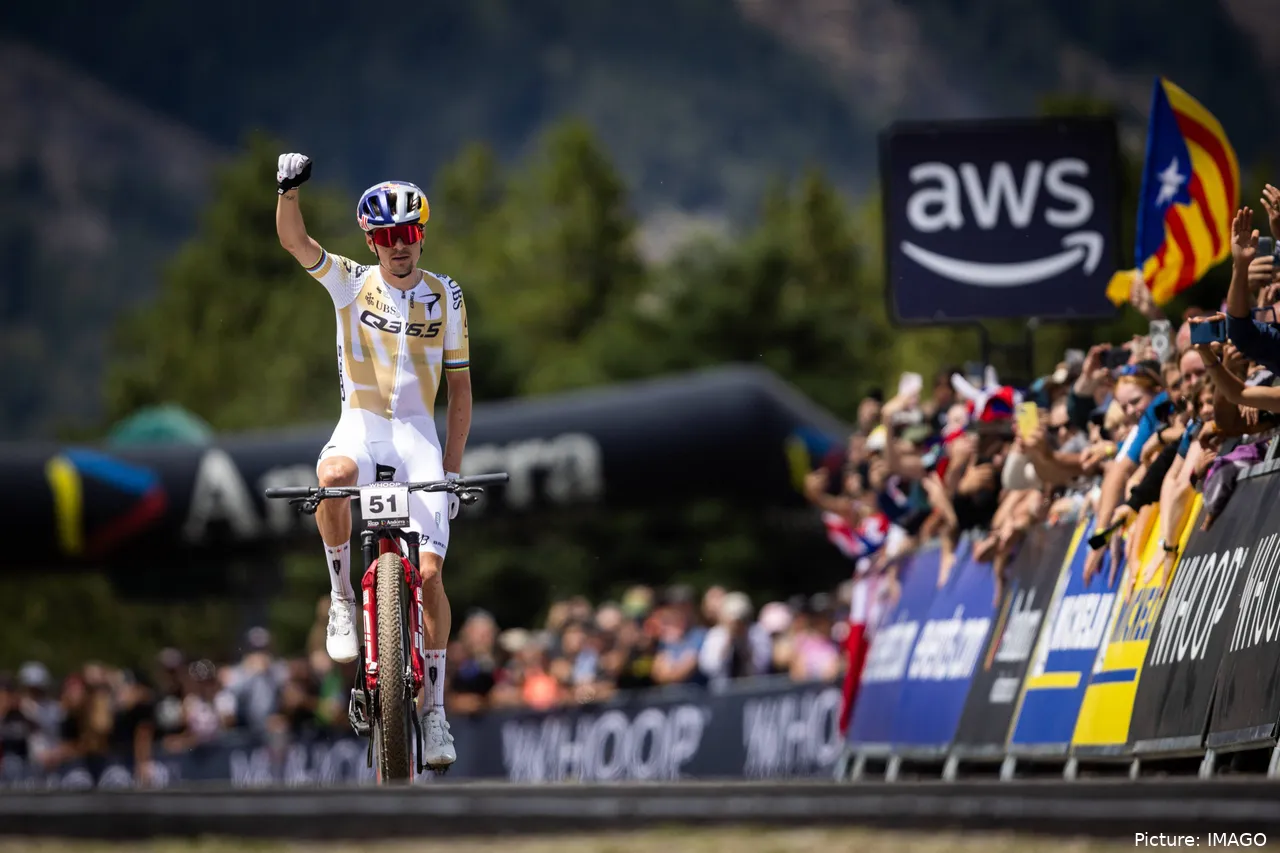
Pidcock has been flying high on his mountain bike this summer
The Vuelta is his opportunity. With Pogacar resting, Ayuso
and Almeida leading UAE, and questions surrounding Vingegaard’s recovery
post-Tour, a strong GC result at the Vuelta is still possible. Pidcock will
have the freedom, and the pressure, to ride for himself. His move from INEOS to
Q36.5 was a clear attempt to reset expectations and take ownership of his
career. Now, he needs to deliver.
He has the talent. But Grand Tours demand more than that.
They demand consistency and the ability to suffer quietly for three weeks. Pidcock
has recently been off road mountain biking, winning the European championships.
But if he wants to become a true GC contender, he needs a top 5 finish at La
Vuelta at the end of this summer.
Cat Ferguson
On the women’s side, there is one name already standing out:
Cat Ferguson. At just 19, Ferguson is part of a new generation of riders
breaking through as British Cycling grapples with the gap left by Lizzie
Deignan’s looming retirement and the likes of Katie Archibald’s focus on the
track. Ferguson has been dominant in the junior ranks, and is a star in the
making on the road, in cyclocross, and on the track.
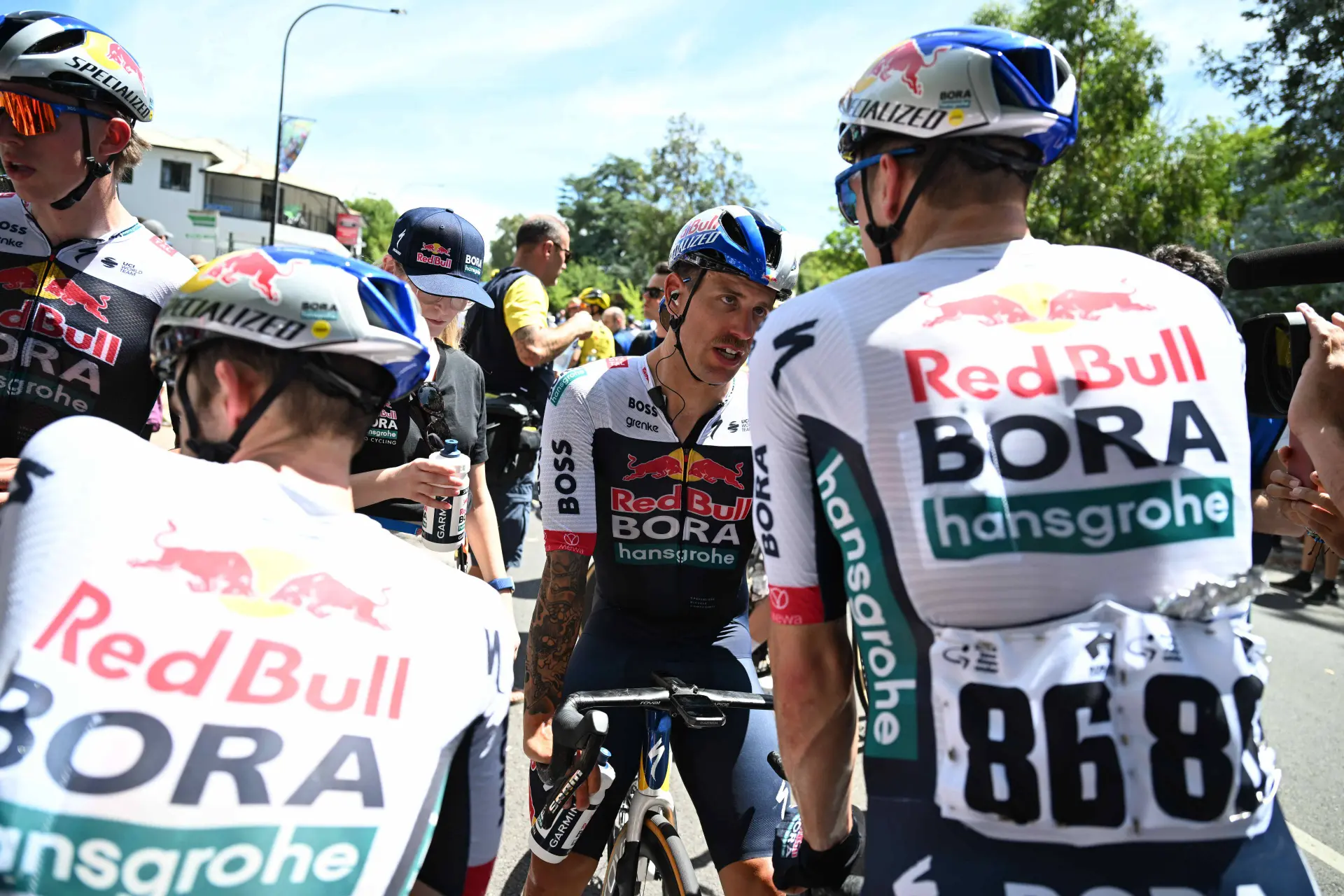
The women’s road scene in Britain needs a consistent figure
to rally behind, and Movistar’s Ferguson could be that rider. She’s won the
Clasica Femenina Navarra this year, as an impressive 2nd overall at
the Tour of Britain, as well as winning a stage, the young rider’s
classification, and the points classification. Undoubtedly, Ferguson is one to
get excited about.
ITV disappears
That’s the real question facing British road cycling: will
anyone see this next era?
For years, the Tour de France was part of Britain’s sporting
summer, and it was easy to watch, accessible to kids who didn’t have Eurosport
or TNT. Ultimately, it created casual fans who tuned in every July, whilst it also
brought in new riders. It built the audience that once filled Olympic
velodromes and lined Yorkshire’s roads for the Tour in 2014.
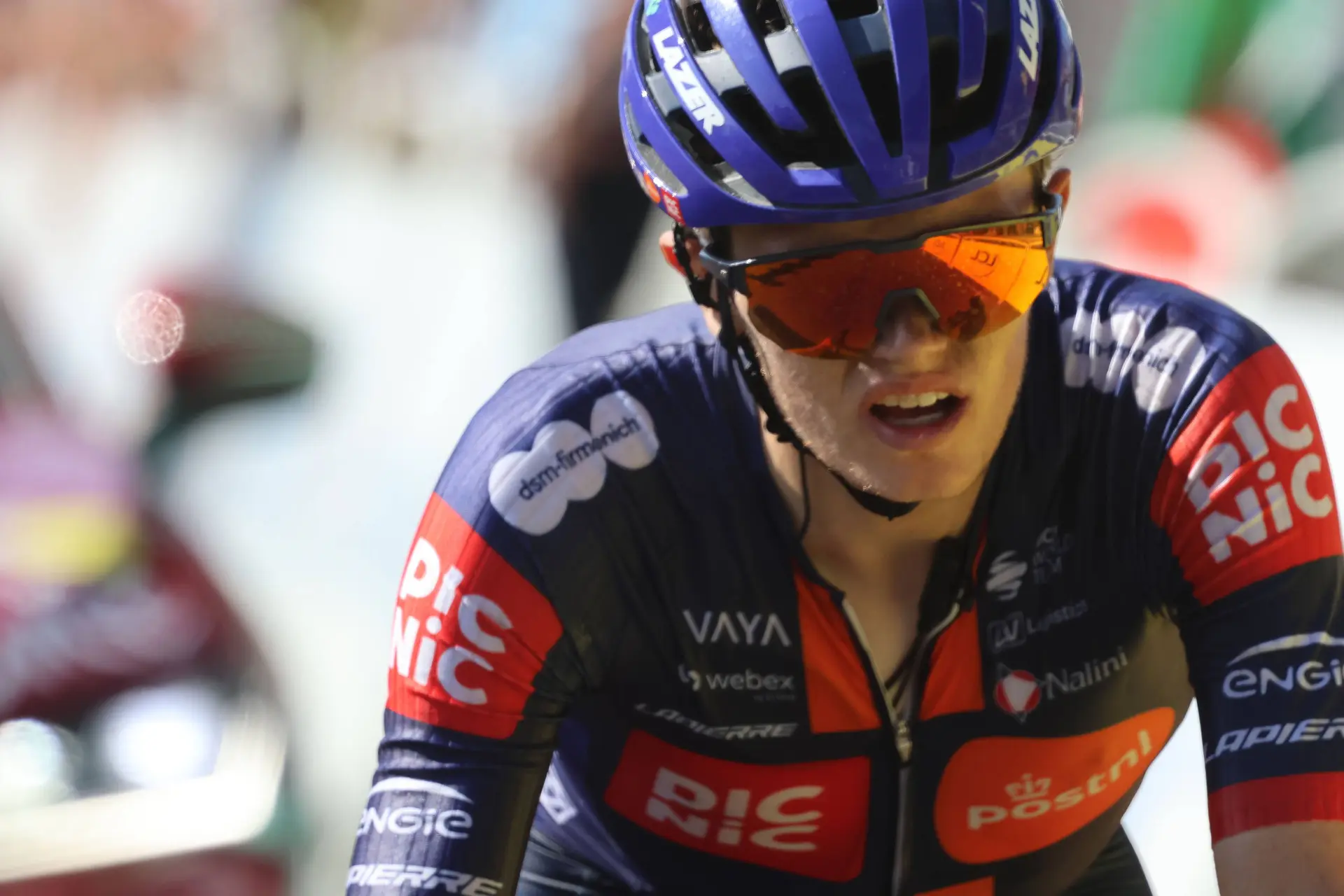
Now, live coverage costs nearly £34 a month, over £400 a
year for cycling fans alone. That’s not a casual investment, that’s a genuine
barrier.
And what happens when new stars rise with no one watching?
Will sponsors still come? Will local clubs still grow? Will a kid see Onley or Ferguson
in yellow and decide they want to be next?
The truth is, British road cycling isn’t in crisis, as the
riders are very much here. Onley and Pidcock have the potential to pick up
strong results, but they must come to terms with the fact that they ride in an
era of a certain Slovenian star who may just be the greatest rider we have ever
seen. Still, Pidcock and Onley could still win a grand tour, and Ferguson might
be the rider to get most excited about.
But visibility is everything, as without it, greatness is
just data. Just numbers in a results sheet.

Fin MajorCycling Journalist
Fin Major is a UK-based writer at CyclingUpToDate and has been part of the team since 2024. He is the site’s main writer for FAQs and evergreen explainers and has written around 2,000 pieces for the platform. Alongside this work, he focuses on in-depth analysis and covers the biggest races on the calendar, including the Tour de France, the Giro d’Italia, and La Vuelta a España, providing clear context around performance trends, tactics, and key storylines.
In his reporting, Fin uses reputable data sources such as ProCyclingStats for results, statistics, and historical context. He places strong emphasis on careful sourcing, editorial accuracy, and updating articles promptly when new, verified information becomes available. Outside of writing, Fin is an active cyclist, which supports his practical understanding of the sport and its demands.
claps 5visitors 5
Just in

Popular news
Latest comments
- Great. Thrilled. Oh, how I miss the days of GCN. Still wear my GCN hoodie with pride.anonymouscyclist19-10-2026
- You could also look at it another way. How many riders have had better or more consistent results since the Tour?Jumpyjohn19-10-2026
- Whilst I love Tadej (and Remco, who deserves to be mentioned here, too), @JumpyJohn makes a valid point, and he isn’t wrong @MajorPayne. It is a fact that today’s official broadcasters of cycling struggle to keep our attention once the likes of Tadej (or Remco) attacks at ~80km or so. In the 142nd issue of Rouleur, Ned Boulting reflects on the often stressful paradox of commentating on a race that is effectively over before the broadcast window even hits its stride. In this edition, he centres on Remco’s 1hr solo at the Challenge Mallorca this year, and captures the panic and dread shared by the commentators when a dominant rider kills off the racing tension early. I recommend you read it, it’s a fascinating insight into the world of commentary, and the true viewing figures of today’s cycling. I must add here, I love Tadej and Remco, but I would be lying if my heart rate wasn’t higher when watching the World Championships this year. And I’m sure Rob Hatch would say something akin regarding his commentary!anonymouscyclist19-10-2026
- The shattered women’s marathon record was clean and highly surprising and then a few months later the athlete was very positive in another test for something not taken by mistake when recording far less impressive results. Sounds to me like the problem is still the age old one, detection is often way behind. Just like with crime, it’s not because you can’t catch the criminals that you aren’t aware of the crime.Jumpyjohn19-10-2026
- Listen, you have a point but on the other hand in cycling, once some of the riders go solo and build a minute’s gap, there’s hardly any action left to watch. Cycling is definitely not for today’s generations of accelerated viewing. Other people find skydiving or chess exciting but you can’t force everyone to feel the same.Jumpyjohn19-10-2026
- That’s a funny one. Yeah obviously he’s more aero than some but most of the aero effect at elite level is the bike. Now you have me starting to feel sorry for the guy behind him when he pulls a groupetto.Jumpyjohn19-10-2026
- Knew a World Tour promotion was coming for Ben this season. Thrilled for him, and can't wait to see what he can do at this level. Another one to watch at the TTs.anonymouscyclist19-10-2026
- It honestly breaks my heart to see this. I had a feeling this might happen over the last few years, but I kept praying it wouldn't, and that Joey would find his niche, especially back racing alongside his brother. After growing up racing alongside PH-MAS, the Pidcock brothers have always felt like one of our own, as we’ve watched them grow from Club level all the way up to PC and WT. I wish Joey nothing but the best of luck in whatever he does next, but selfishly… I do wish for him to move into the role of Q36.5 team staff.anonymouscyclist19-10-2026
- Predictable, sure! But boring??? OMG! Was Mike Tyson predictable and boring in his prime? Air Jordan? Schumacher or Senna? OMG!!!MajorPayne19-10-2026
- how it is "We’ve taken another big step forward for next year" he just lost in lombardia to a 20 year old, and two 30+ year olds. and not even top 10 for WCRR.abstractengineer19-10-2026
Loading
3 Comments