“After the crash I didn’t receive any contact from the UCI” – Tom Pidcock hits out over lack of meaningful safety changes after terrifying Catalunya ravine scare
Cycling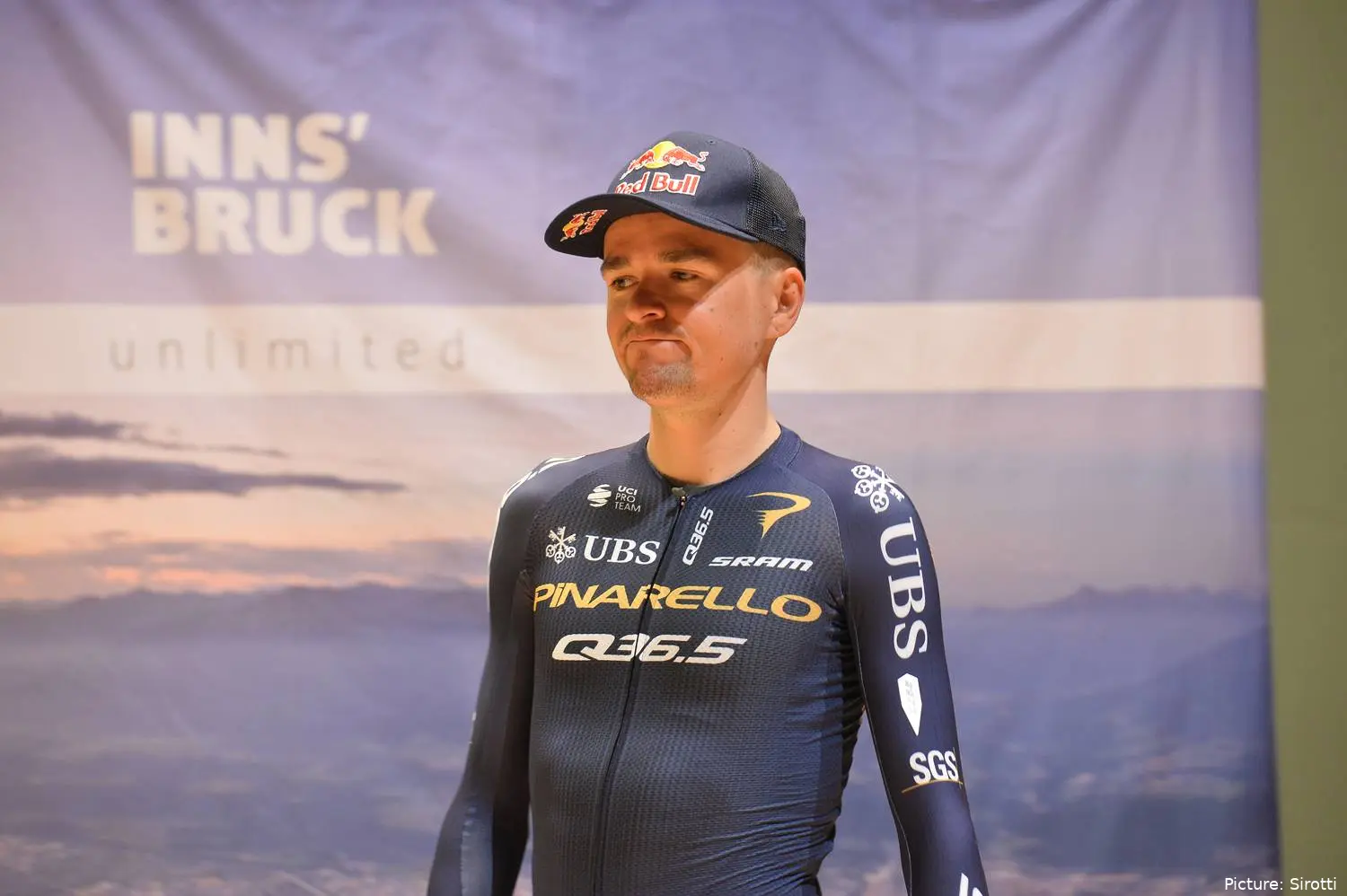
Tom Pidcock’s return to racing at the Tour of the Alps comes with far more than just questions over form. The British rider heads back into competition still processing a Volta a Catalunya crash that not only derailed his season, but reignited debate around rider safety and the systems designed to protect them.
The incident itself was as dramatic as it was alarming. On a high-speed descent, Pidcock misjudged a corner while taking a drink and went off the road, plunging down a ravine and completely out of sight of the race. There were no immediate visuals, no automatic alerts, and no indication to those around him of where he had gone.
The most striking detail is also the most concerning. Had he not remained conscious and been able to alert his team car, the situation could have unfolded very differently. In that moment, the sport’s reliance on riders themselves to communicate danger was laid bare.
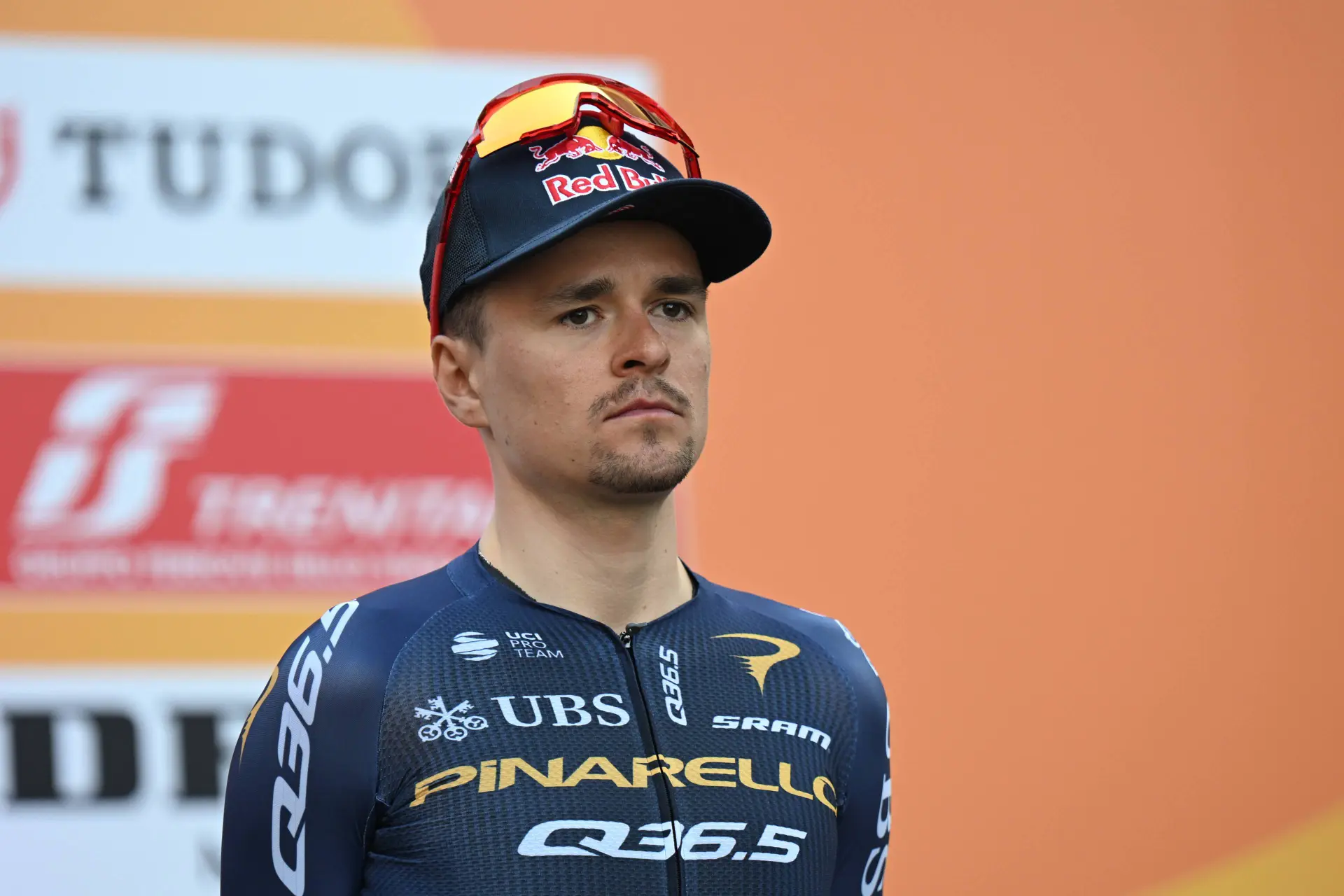
“After the crash I didn’t receive any contact from the UCI,” Pidcock said ahead of his return. “It’s always a delicate topic, safety. I have the impression that the changes that have been made haven’t actually made the sport safer, but were introduced without real reasons. The key, in my opinion, is technology. If there were no radios… I can understand the reasons for wanting to remove them, but from a safety point of view they are fundamental.”
A crash that exposed more than just risk
Crashes are an unavoidable part of professional cycling, particularly on technical descents where margins are thin and speeds are high. What made this one different was not just the fall itself, but what followed.
Pidcock disappeared from the race. No cameras captured it, no riders immediately reacted, and there was no system in place to flag his absence. Only once he was able to communicate did the response begin.
That sequence has become central to the wider discussion. In a sport that has seen repeated calls for improved safety measures, the lack of immediate awareness in such a scenario raises difficult questions about what has changed, and what has not.
Pidcock’s comments reflect that frustration. His focus on technology, particularly the role of race radios, speaks to a concern that current debates around reducing their use may overlook their importance in situations like this.
No hesitation despite the impact
Despite the severity of the crash, Pidcock has been quick to downplay any lasting mental effect. For him, risk remains part of the profession, even when the consequences are as stark as they were in Catalunya.
“I don’t think that crash will affect me or worry me ahead of the next races,” he said. “A series of unfortunate circumstances came together, and that’s why I crashed. It’s difficult for all of those things to happen every day, fortunately.”
Physically, however, the damage was unavoidable. Knee ligament issues and other injuries forced him into a period off the bike, ruling him out of key races and interrupting what had been a strong early season.

A return with uncertainty, not expectation
That context shapes his presence at the Tour of the Alps. This is not a rider arriving at peak condition with a clear objective, but one using the race to rebuild rhythm and test his level against a demanding parcours.
“I was off the bike for around ten days, and then for a few more days I didn’t ride for more than two hours,” Pidcock explained. “I’m lucky because I feel like the more I ride, the more I recover. If I wasn’t a cyclist, my recovery time would probably have been much longer.”
“The condition is good. The team even wanted me to ride La Fleche Wallonne, but there you really have to be at 100 percent, you can’t hide. I preferred to come here and do longer climbs, which are what I need to improve. After that we’ll go to Liege-Bastogne-Liege and see how it goes.”
That choice underlines the role the race will play. The longer climbs and sustained efforts offer a different kind of test, one that aligns more closely with his immediate needs as he works his way back towards full fitness.

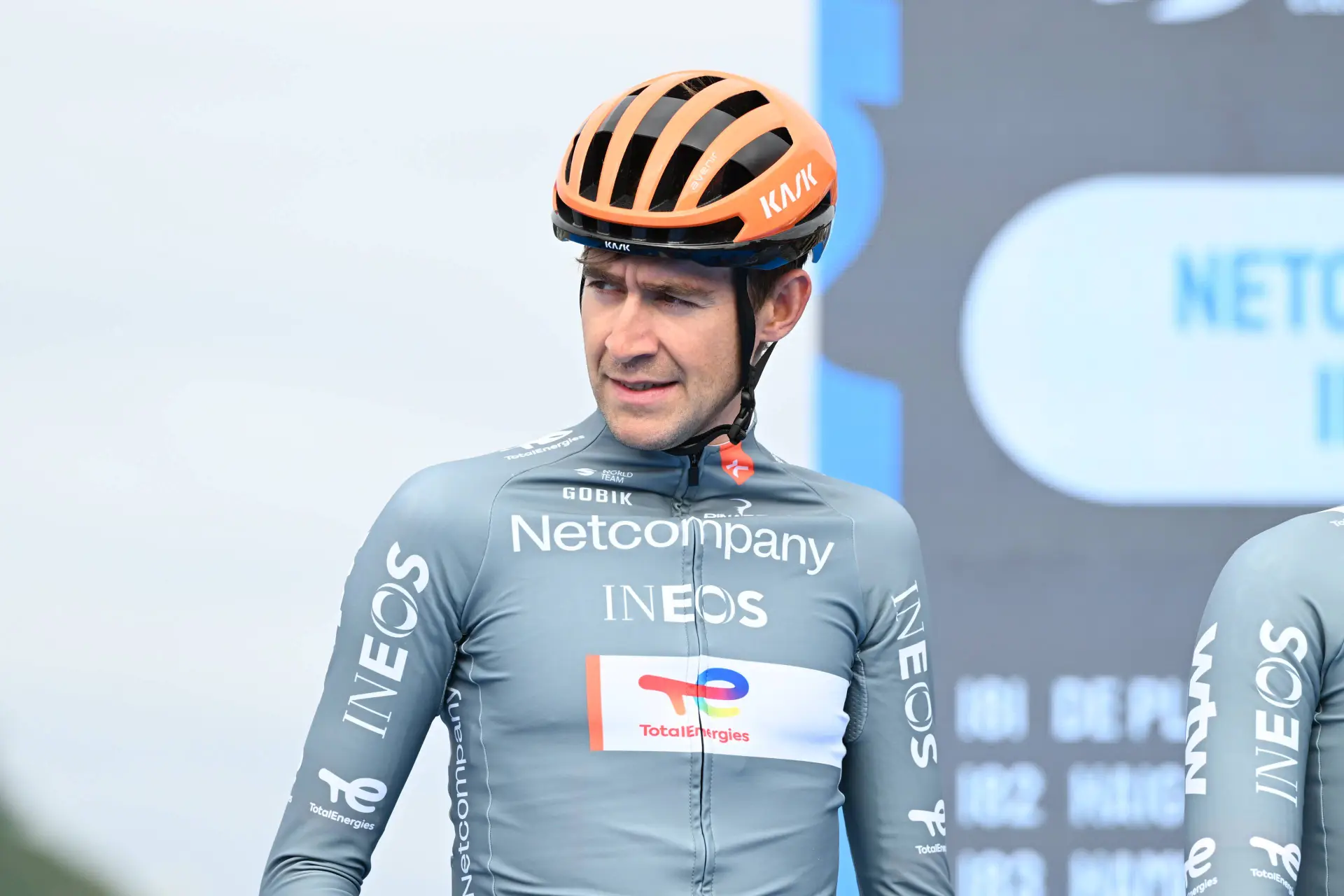
Pinarello-Q36.5 Pro Cycling Team at the pre-2026 Tour of the Alps press conference
A week that will define the next steps
With little certainty over his condition, Pidcock is approaching the race with a pragmatic outlook. The opening stages, he suggests, will quickly provide the answers he needs. “I still don’t know how I am, but already tomorrow is quite an explosive stage, so I’ll quickly understand what my ambitions can be this week.”
That uncertainty mirrors the wider situation. His return adds intrigue to the race, but the larger story sits beyond the results themselves. The crash in Catalunya has already left its mark, not only on his season, but on the ongoing conversation around safety in the sport.
As he lines up once again, the focus is not just on how he rides, but on what his experience has revealed.

Kieran WoodDeputy Editor-in-Chief
Kieran Wood is a sports journalist based in Wales and has been active in journalism since 2022. He regularly contributes to DartsNews.com and CyclingUpToDate.com, where he covers professional cycling and darts. In cycling, his work includes liveblogs from major races, including the Tour de France, the Giro d’Italia, and La Vuelta a España, alongside race reports and analysis. He has also conducted interviews with professional riders.
His reporting spans the full racing calendar, from one-day classics to stage races, with a focus on accurate, real-time coverage and clear contextual analysis. For statistics, results, and historical context, he regularly uses resources such as ProCyclingStats. To support reporting on rider activity and training context where relevant, he also references Strava.
In his work, Kieran places strong emphasis on careful sourcing, editorial accuracy, and updating articles as new, verified information becomes available.
claps 1visitors 1
Just in

Popular news
Latest comments
- The message to honour the leaving Felix Gall's performances was more enthusiastic
 Rafionain-Glas20-10-2026
 - "We all know he would have won by a big margin if he didn't crash out." But he did crash out, so why does it matter?Rafionain-Glas20-10-2026
- UAE and pogacar are the greatest ever but this Ruben silva who constantly hate and let me remdind you guys think visma rode a good tour de france and is a top 3 strong team still...gonne lecture the greatest ever team and rider in cycling history what they should do. Haha this site has truly become the joke ppl say it is haha wtfmiguel20-10-2026
- Who are you asking?Jumpyjohn20-10-2026
- Ah yes, thanksJumpyjohn20-10-2026
- And all World Tour wins for Pogi!Lozza20-10-2026
- I hope visma does find some sponsors cause right now visma is a shitshow and a sinking ship. Very worriying seeing they cant compete with other teams for the best guys and even riders, coaches and staff leave mid contract, doesnt seem good for visma now.. No way to keep up with lidl and rbh for them and no point thinking about UAE even who obv is nr 1..miguel20-10-2026
- What news he is training again and???? It is his jobpaultryan200220-10-2026
- Can’t wait! Go Pogi! ❤️Lozza20-10-2026
- Strada BianchiLozza20-10-2026
Loading
Write a comment