“An unusually disciplined Remco Evenepoel... he didn’t put on much of a show” – Expert highlights new side of Red Bull leader at Amstel Gold Race
Cycling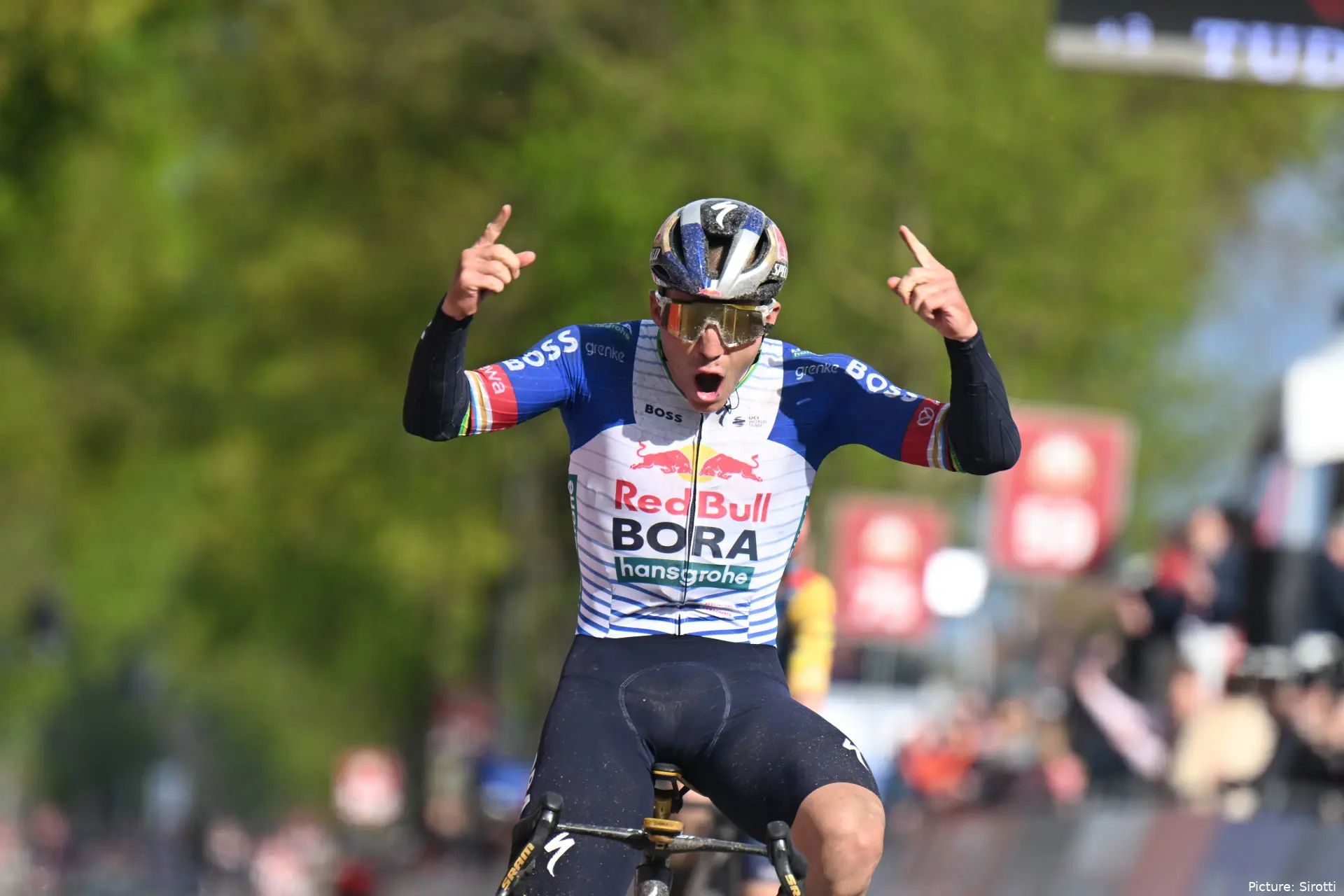
A controlled and calculated victory at the Amstel Gold Race has prompted fresh analysis of Remco Evenepoel, with one leading voice pointing to a more measured and composed approach from the Belgian in a decisive finale against Mattias Skjelmose.
Evenepoel’s win came at the end of a tactical race that developed without several major contenders, before being settled in a reduced sprint after the Cauberg. The execution, rather than outright aggression, proved decisive.
Speaking after the race in conversation with Eurosport.dk, cycling analyst and former Danish national coach Anders Lund highlighted the defining quality of Evenepoel’s ride. “He did what was needed to secure the win. In the absence of several favourites, it became a more straightforward race for him. He only had to focus on Skjelmose, and not also Jorgenson, Vauquelin and Pidcock.”
“I think today he is beaten by an unusually disciplined Evenepoel,” Lund said, reflecting on the sprint that decided the race.
That discipline was reflected in the way Evenepoel approached the finale, avoiding unnecessary risks and committing only when it mattered most. “Evenepoel had a kind of coolness throughout. He trusts his sprint, and he didn’t put on much of a show today. He had his eyes on the finish line,” Lund added.
Skjelmose delivers high level performance despite defeat
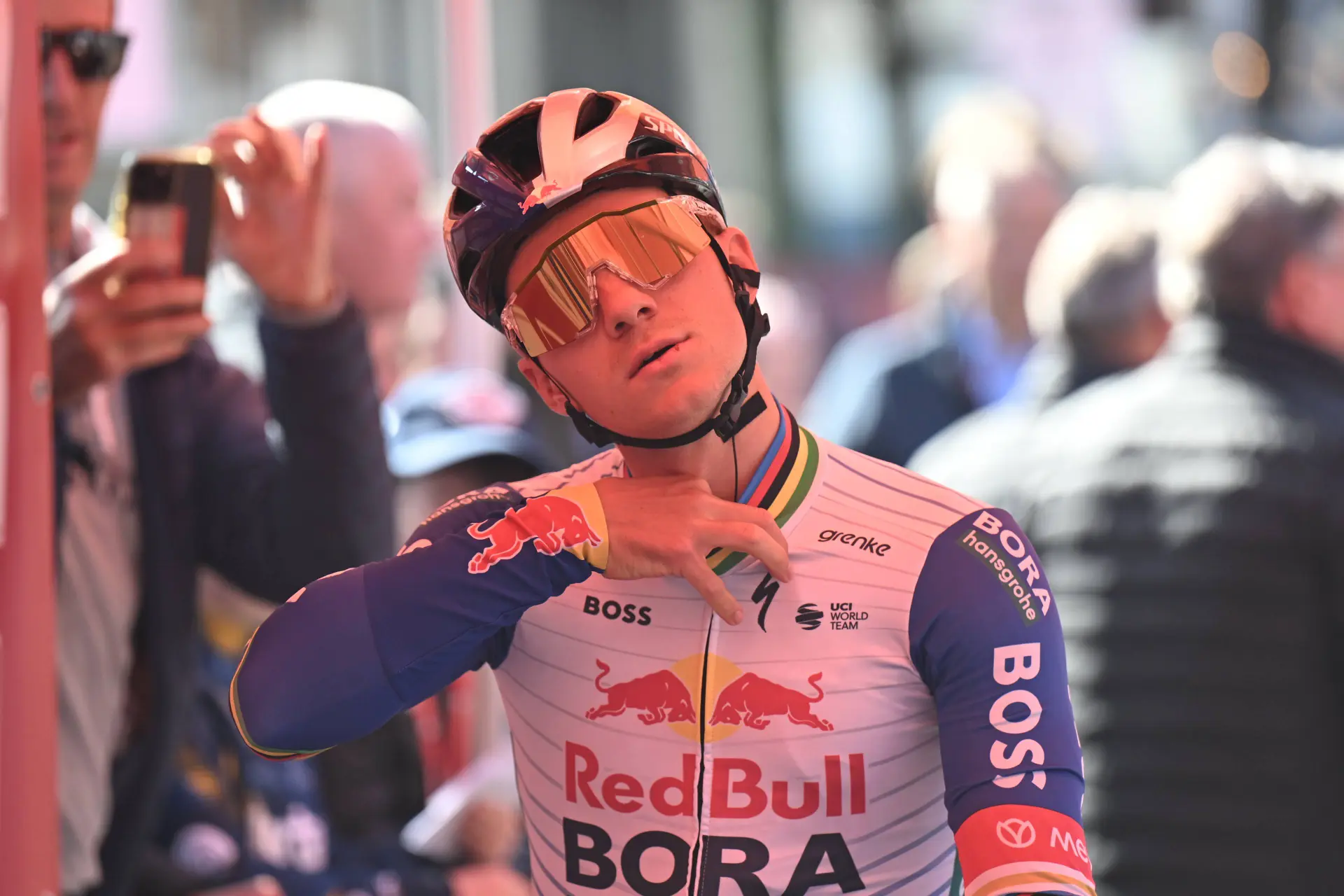
While Evenepoel secured the victory, Lund was equally clear in his assessment of Skjelmose’s performance, emphasising both the result and the level he showed across the race.
“He finishes second, and that is an excellent result. Regardless of the fact that he won last year and you naturally dream that he can beat Remco Evenepoel again, he loses to by far the biggest favourite in the race.”
The Dane’s ride was framed not as a missed opportunity, but as confirmation of his place among the leading contenders in this terrain. “Skjelmose rode a really strong race and shows that he is ready for the Ardennes week. So huge, huge congratulations to him for that ride. I think today he is beaten by an unusually disciplined Evenepoel,” Lund said.
A result shaped by clarity and execution
The structure of the race itself also played a role in how the finale unfolded. With fewer rivals to track and fewer scenarios to consider, Evenepoel was able to ride with a clear focus on a single objective. That clarity translated into a controlled performance, where positioning and timing proved more important than repeated attacks.
For Skjelmose, the outcome reinforces his consistency at the highest level, while for Evenepoel, the manner of the win suggests an approach built as much on discipline as on strength.
Both performances now feed directly into the narrative heading into the remainder of the Ardennes Classics, where the balance between control and aggression is likely to be tested again.

Kieran WoodDeputy Editor-in-Chief
Kieran Wood is a sports journalist based in Wales and has been active in journalism since 2022. He regularly contributes to DartsNews.com and CyclingUpToDate.com, where he covers professional cycling and darts. In cycling, his work includes liveblogs from major races, including the Tour de France, the Giro d’Italia, and La Vuelta a España, alongside race reports and analysis. He has also conducted interviews with professional riders.
His reporting spans the full racing calendar, from one-day classics to stage races, with a focus on accurate, real-time coverage and clear contextual analysis. For statistics, results, and historical context, he regularly uses resources such as ProCyclingStats. To support reporting on rider activity and training context where relevant, he also references Strava.
In his work, Kieran places strong emphasis on careful sourcing, editorial accuracy, and updating articles as new, verified information becomes available.
claps 1visitors 1
Just in

Popular news
Latest comments
- The message to honour the leaving Felix Gall's performances was more enthusiastic
 Rafionain-Glas20-10-2026
 - "We all know he would have won by a big margin if he didn't crash out." But he did crash out, so why does it matter?Rafionain-Glas20-10-2026
- UAE and pogacar are the greatest ever but this Ruben silva who constantly hate and let me remdind you guys think visma rode a good tour de france and is a top 3 strong team still...gonne lecture the greatest ever team and rider in cycling history what they should do. Haha this site has truly become the joke ppl say it is haha wtfmiguel20-10-2026
- Who are you asking?Jumpyjohn20-10-2026
- Ah yes, thanksJumpyjohn20-10-2026
- And all World Tour wins for Pogi!Lozza20-10-2026
- I hope visma does find some sponsors cause right now visma is a shitshow and a sinking ship. Very worriying seeing they cant compete with other teams for the best guys and even riders, coaches and staff leave mid contract, doesnt seem good for visma now.. No way to keep up with lidl and rbh for them and no point thinking about UAE even who obv is nr 1..miguel20-10-2026
- What news he is training again and???? It is his jobpaultryan200220-10-2026
- Can’t wait! Go Pogi! ❤️Lozza20-10-2026
- Strada BianchiLozza20-10-2026
Loading
Write a comment