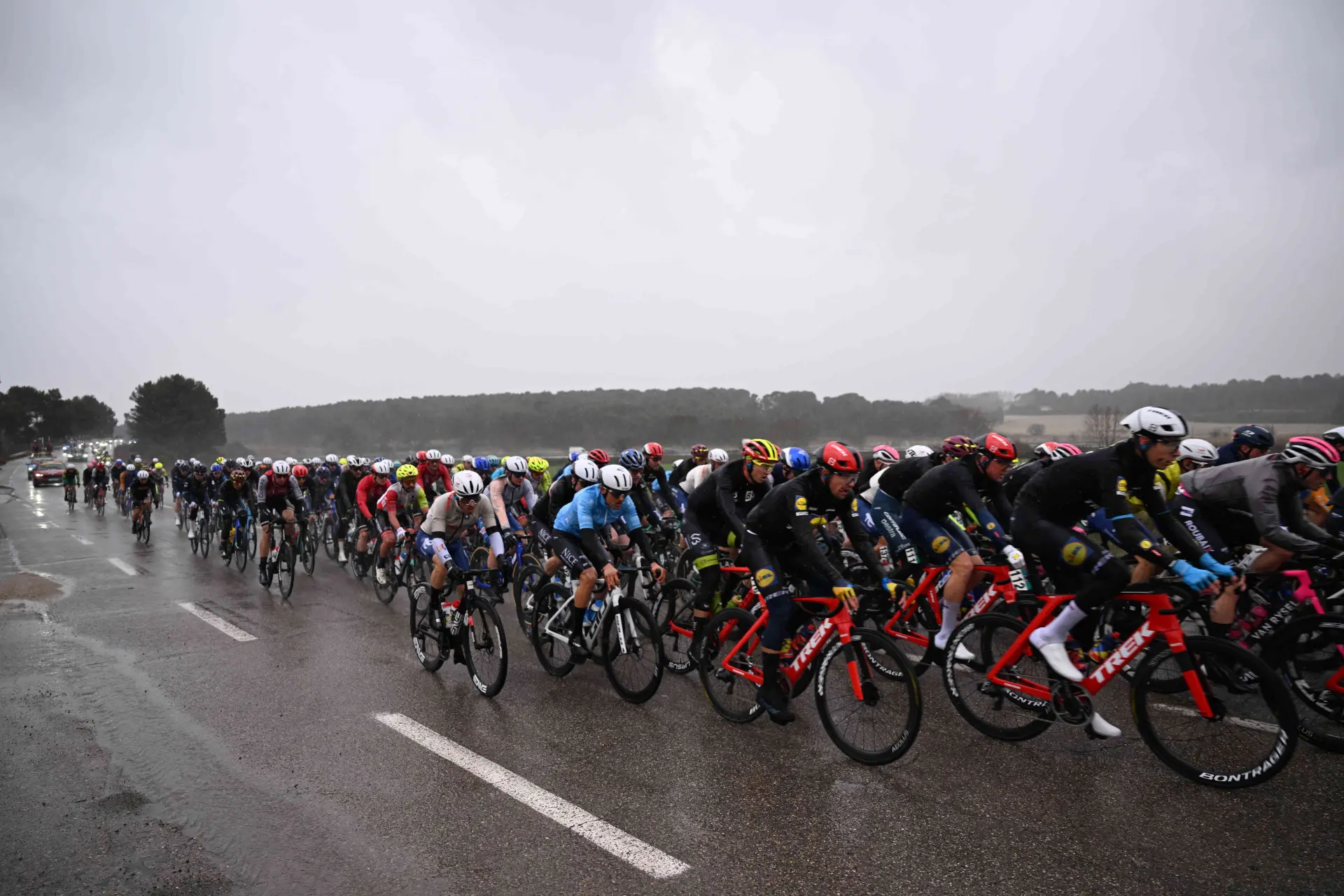
Indoor training used to be the last resort: something cyclists did when the weather turned grim, or daylight ran out. Now it’s a core part of the sport. Virtual riding platforms have turned garages, spare rooms, and corners of small apartments into realistic training environments, and that shift is changing how people ride once they get back outside.
The Blended Routine: Where Data From Indoors Meets the Road
Virtual platforms are no longer just a winter escape. They shape weekly training decisions, pacing expectations, and even how riders approach local climbs. Many cyclists say the structured workouts and race simulations give them a clearer sense of their numbers, particularly threshold and repeatability. And the more that data becomes part of daily planning, the more riders look for ways to compare their habits to broader trends in sports and digital training.
Some riders fall down odd research rabbit holes during the winter, especially when comparing how different sports use digital platforms. Bitcoin betting sites come up in those conversations now and then, not because cyclists are wagering, but because those sites publish a surprising amount of data on how people react to virtual competition and real-time performance numbers. It’s the analytics angle that catches attention, not the betting.
That curiosity is what occasionally leads people to read more on CasinoBeats.com, since coverage of bitcoin betting sites often includes breakdowns of pacing behavior, decision timing, and how players adjust when the environment shifts from physical to digital. Cyclists recognize those patterns from indoor racing: the surge instincts, the over-pacing, the tighter reaction windows.
And the parallel goes the other way, too. Once you see how numbers influence behavior in a completely different sport, it’s easier to understand why indoor efforts sometimes feel stronger than anything you produce outdoors and why that difference doesn’t always carry over cleanly to the road.
Indoor Racing Is Reshaping How Riders Think About Intensity
Virtual races aren’t perfect replicas of road events, but they teach something valuable: how to respond quickly. The jump from steady tempo to high power is more abrupt indoors, and that rhythm tends to carry over. Riders who race online often show smoother surges and better pacing when they return to group rides.
There’s also the simple fact that virtual races remove logistics. No traveling, no sign-in queues, no waiting for neutralized starts. A rider can jump into a race on Tuesday evening, get a full hour of high-quality intensity, shower, and still be eating dinner on time. That kind of reliability makes hard training easier to sustain.
Climbing Styles Are Shifting
One unexpected effect of virtual platforms is how they’ve changed climbing psychology. Indoors, climbs are numbers rather than terrain. Riders stare at gradient percentages, estimated time remaining, and power targets instead of switchbacks or elevation markers.
Outdoors, this shifts how riders break down longer ascents. Many describe climbing in “sections” now, the digital habit of thinking in intervals. Instead of attacking the hill, they manage it like a structured effort. It leads to smoother pacing and fewer blow-ups halfway up.
Group Rides Feel Different After Months Online
Virtual group rides have their own rhythm: predictable drafting, controlled gaps, steady pacing. Outdoor group rides are messier, louder, and far more variable. But riders who spent months online often report that they sit in the pack more comfortably afterwards. The feeling of where to hold the wheel and when to ease off transfers surprisingly well.
On the flip side, some cyclists say that returning outdoors highlights what virtual riding can’t simulate: road texture, wind, uneven accelerations, and roadside distractions. The transition back can take a week or two, but the fitness carries over cleanly.
Equipment Choices Are Changing Too
Indoor training used to wear out tires and chains long before anything else. Now, with direct-drive trainers and power-matched smart setups, riders treat indoor equipment the way they treat outdoor gear: carefully and deliberately.
The rise of indoor training has also influenced what bikes people buy. Many now look for frames with more tire clearance, not only for gravel excursions but because they want a bike that feels stable on the trainer. Comfort matters more than ever, especially when winter training blocks stretch into late March.
Motivation Looks Different Than It Did a Decade Ago
Cyclists talk about motivation in new ways. Instead of dreading winter, they plan around it. Instead of fighting for weekend riding time, they fill gaps with targeted indoor sessions. Virtual platforms make consistency easier, and consistency makes the spring transition smoother.
There’s also the social side. Virtual platforms allow riders of different fitness levels, sometimes even from other countries, to train together. That sense of shared routine becomes part of people’s weekly rhythm. Outdoor rides benefit from this too, because riders come into the season fitter and more confident than before.
The Line Between Coaching and Self-Coaching Is Thinner
Many cyclists now build training plans almost entirely from data from virtual platforms. They know their numbers more clearly than riders did ten years ago. That doesn’t replace the depth of a coach, but it does mean cyclists walk into outdoor rides with better instincts.
It’s a funny contrast when you remember that organised cycling as a sport dates back to the late 19th century, long before power meters, smart trainers, or anything resembling virtual riding. Racing began with nothing more than timing, grit, and a road. Now riders have dashboards and data windows guiding efforts that once relied only on feel.
More riders now experiment with periodization on their own. They use a platform’s training tools, follow a series of workouts, and adapt them to outdoor rides. It’s made the amateur side of the sport far more informed than it used to be.
claps 0visitors 0
Just in




Popular news


Latest comments
- You can add weight to a bike and limit gears or make it single speed if you like. I doubt that would reduce crashes. It would just add another dymanique. All good and well, but It wont stop cars getting on to the course.Cyclingsbestfan18-10-2026
- Seixas is probably second best in the World on short climbs. But that hasn't translated as well to long climbs
 Rafionain-Glas18-10-2026
 - Idiotic fellaRafionain-Glas18-10-2026
- Nothing. Against Pogi nothingabstractengineer18-10-2026
- He didn't even try to sprint all outvappaxbipmv18-10-2026
- Campenaerts looked like a rolling pumpkin with that all orange leaders skinsuit !frieders318-10-2026
- He can take his dumb a$$ politics somehwere else !frieders318-10-2026
- good to have her back. fingers crossed she‘ll be able to stay!Ketterechts17-10-2026
- A tenner and he wins the Tour next year, too 😂anonymouscyclist17-10-2026
- the answer is either stick to classics or GTs but not bothabstractengineer17-10-2026
Loading