“World Championships are for nations, not for trade teams” – UCI rejects revolutionary change to gravel cycling after 2025 controversy
Gravel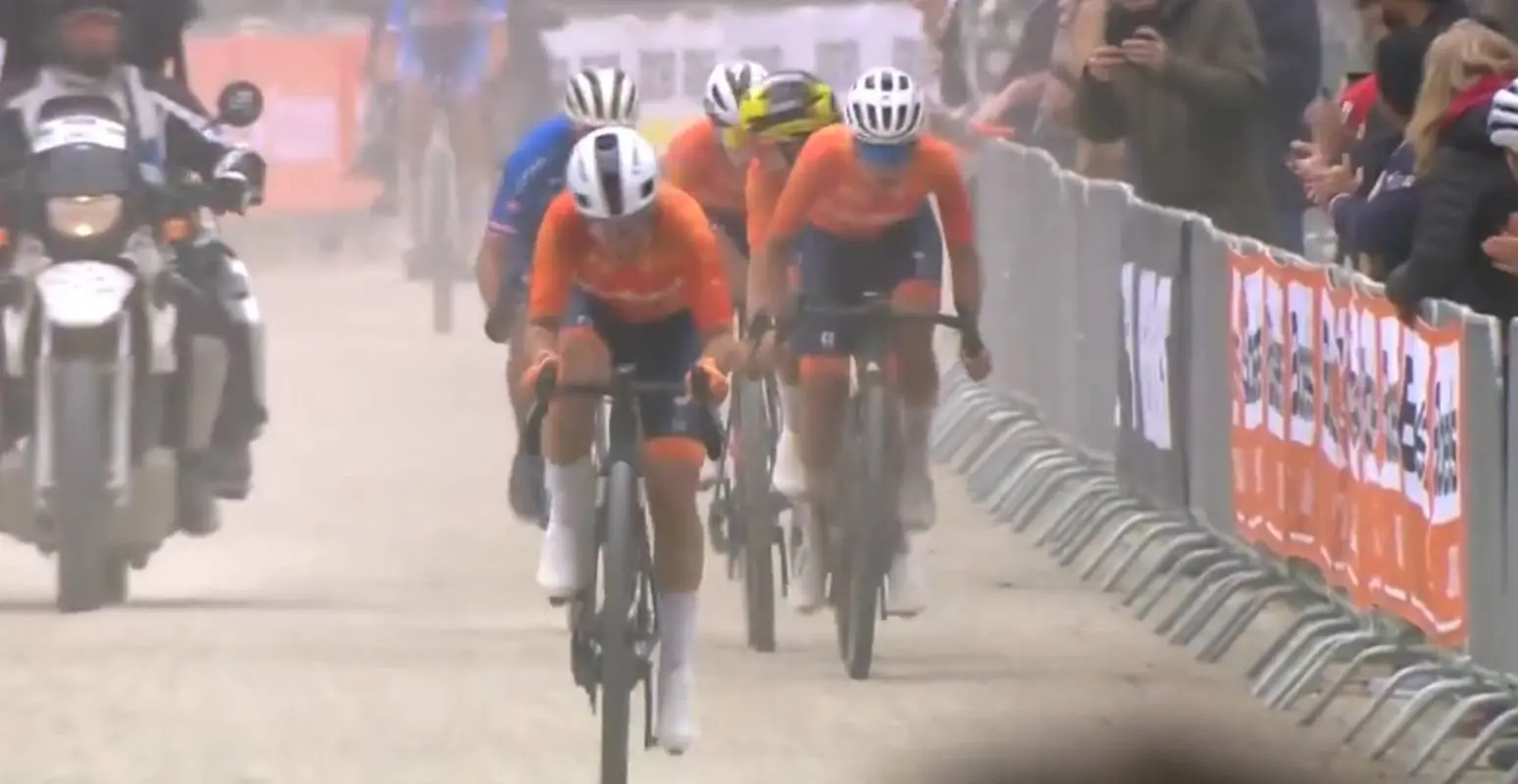
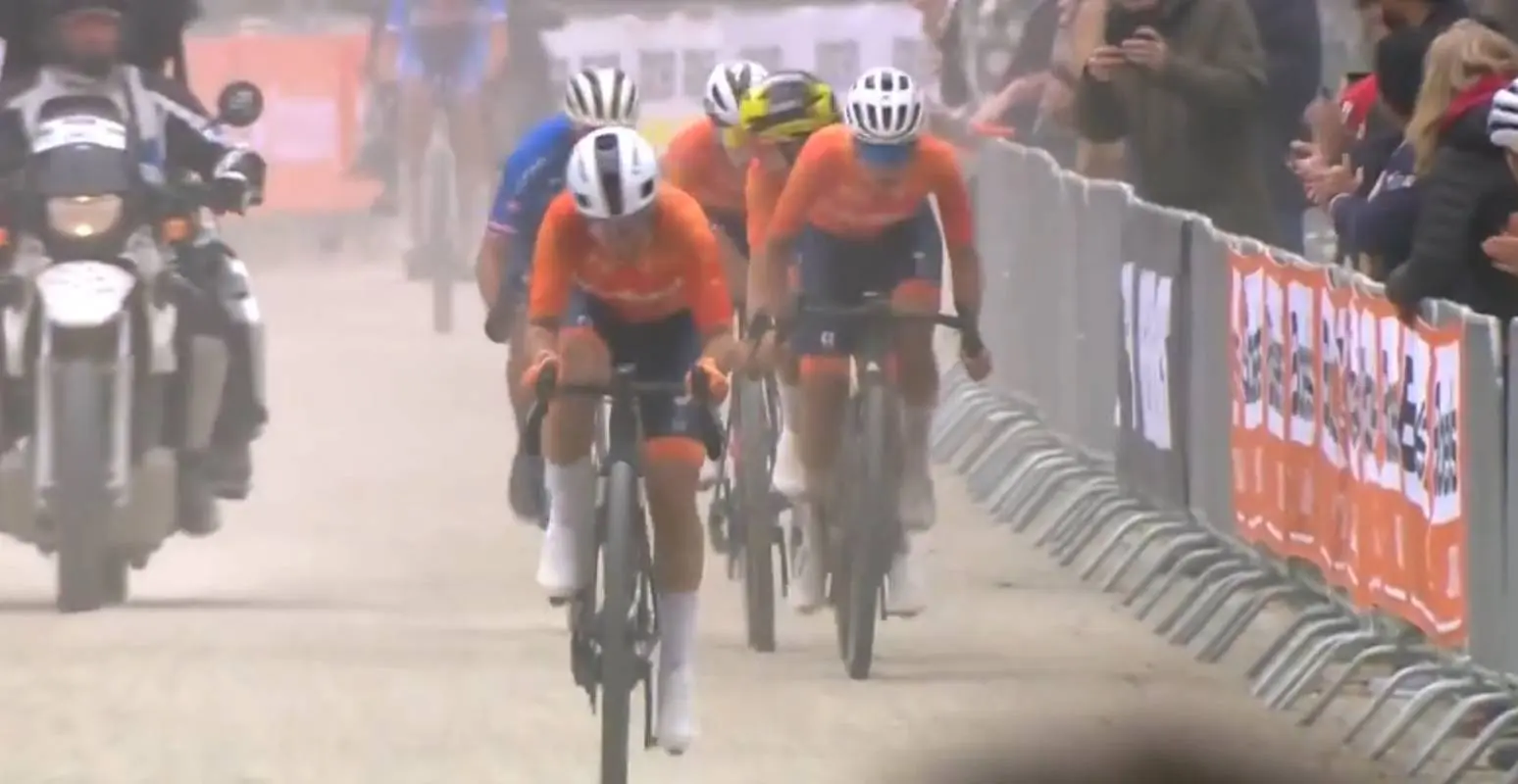
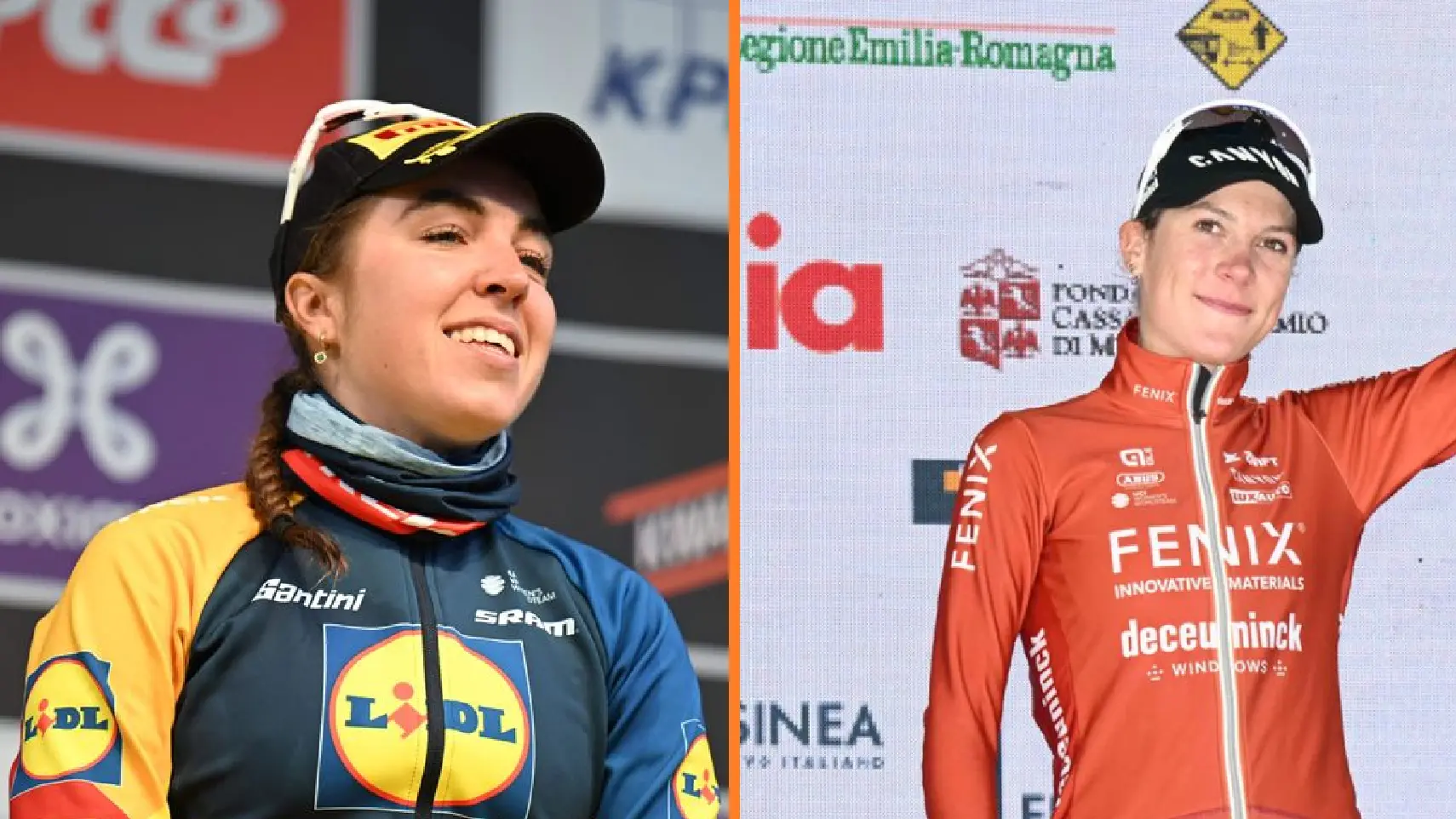
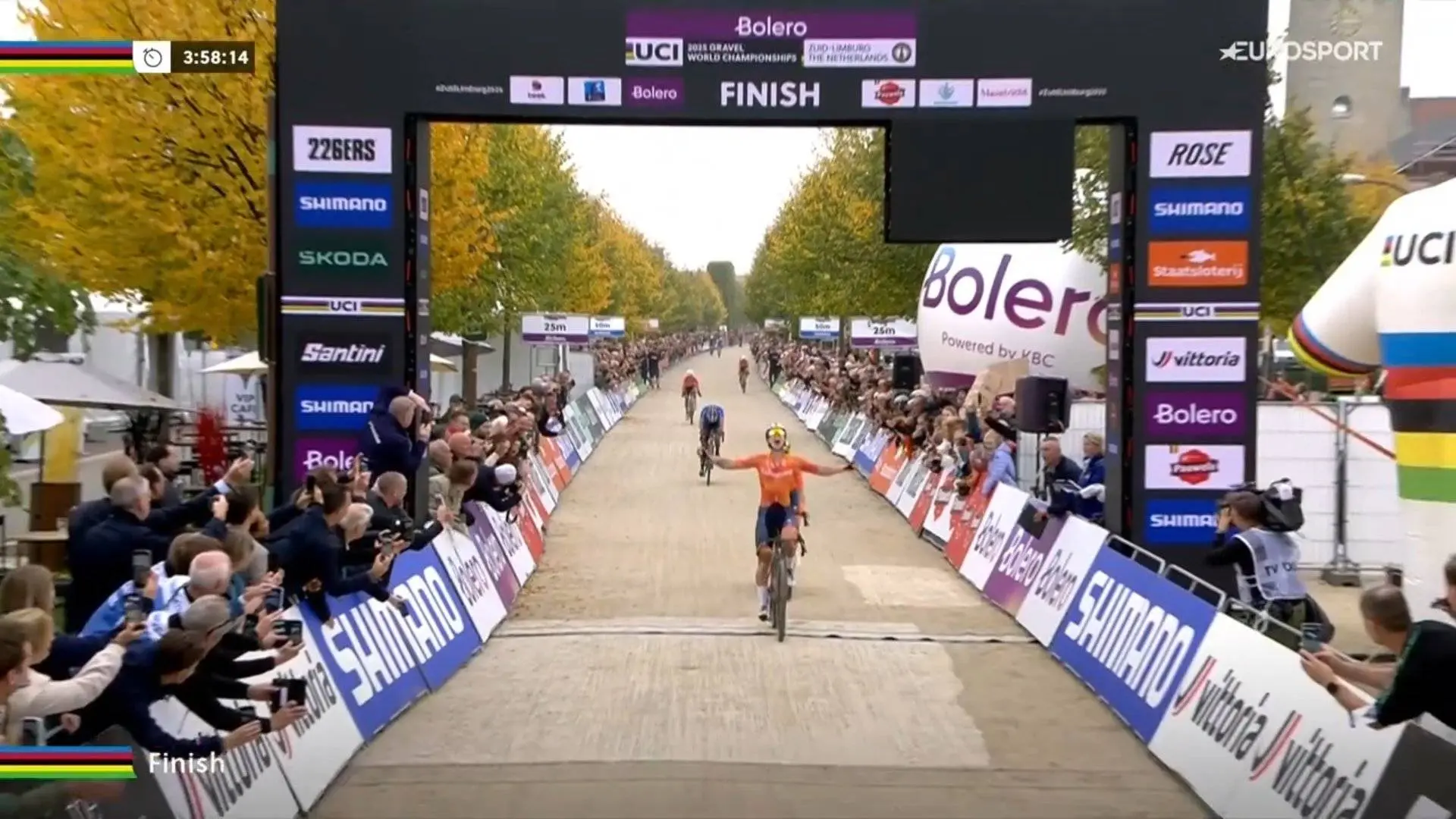
What should have been a showcase of gravel racing’s explosive growth has turned into a heated debate about the sport’s future. The 2025 Gravel World Championships descended into controversy when Dutch rider Yara Kastelijn chased down compatriot Shirin van Anrooij in the final kilometres, allowing a different Dutch rider - Lorena Wiebes - to claim the title and inadvertently sparking a wider discussion over whether national teams still make sense in a discipline so deeply rooted in trade team structures.
The scene was remarkable: seven of the top ten finishers in the elite women’s race wore the Dutch national jersey, but they weren’t working together. Instead, it was Czech rider Julia Kopecky — a trade teammate of the eventual winner at Team SD Worx-ProTime — who proved to be the most effective ally.
The spectacle prompted calls to rethink the very concept of the event. Should gravel Worlds be raced in trade team kits rather than national colours?
UCI stands firm on tradition
“These are growing pains of a discipline that has evolved very quickly,” said the UCI's Peter Van Den Abeele in an interview with Sporza. “We’ll certainly discuss it during the Gravel Worlds debriefing. But World Championships are for nations, not for trade teams.”
The Dutch situation was unique: almost 30 riders from the Netherlands started the women’s elite race, qualifying individually rather than being selected. That’s because, unlike the road Worlds, national selectors do not choose their squads — riders earn their place through qualifying events or via wildcards.
With such a large number of riders under one flag but no coherent tactical plan, the race dynamic fractured, opening the door to confusion and criticism. “It’s up to the national coach to set the strategy,” Van Den Abeele added. “Italy did come with a proper national team and followed the coach’s orders.”
Read also
Call for reform from within the Dutch camp
Dutch national coach Laurens ten Dam has admitted that the current model makes cohesive tactics nearly impossible to implement. “I can’t impose a race strategy,” he said. “All I told them was not to work against each other — and to make sure a Dutchwoman won.”
Ten Dam suggested a potential compromise: limiting each country to ten elite starters selected by the national coach. Those who don’t make the cut could still race in age-group categories, preserving the mass-participation ethos that has defined gravel since its inception. “I would completely understand if the Gravel Worlds were raced in trade team kits rather than national jerseys in the future,” Ten Dam said.
For the UCI, however, the balance between elite competition and gravel’s open, accessible identity remains the key issue. “We definitely want to preserve the mass-participation element,” Van Den Abeele emphasised. “The stars racing in the same peloton as hundreds of amateur riders is part of what makes these Worlds so special.”
That sentiment appears to rule out a wholesale shift to trade teams — at least for now. But with tensions rising between the traditional World Championships format and the commercial and competitive realities of gravel racing, this year’s events have almost certainly ensured the issue won’t disappear after the debrief.

Kieran WoodDeputy Editor-in-Chief
Kieran Wood is a sports journalist based in Wales and has been active in journalism since 2022. He regularly contributes to DartsNews.com and CyclingUpToDate.com, where he covers professional cycling and darts. In cycling, his work includes liveblogs from major races, including the Tour de France, the Giro d’Italia, and La Vuelta a España, alongside race reports and analysis. He has also conducted interviews with professional riders.
His reporting spans the full racing calendar, from one-day classics to stage races, with a focus on accurate, real-time coverage and clear contextual analysis. For statistics, results, and historical context, he regularly uses resources such as ProCyclingStats. To support reporting on rider activity and training context where relevant, he also references Strava.
In his work, Kieran places strong emphasis on careful sourcing, editorial accuracy, and updating articles as new, verified information becomes available.
claps 0visitors 0
Just in

Popular news
Latest comments
- He didn't even try to sprint all outvappaxbipmv18-10-2026
- Campenaerts looked like a rolling pumpkin with that all orange leaders skinsuit !frieders318-10-2026
- He can take his dumb a$$ politics somehwere else !frieders318-10-2026
- good to have her back. fingers crossed she‘ll be able to stay!Ketterechts17-10-2026
- A tenner and he wins the Tour next year, too 😂anonymouscyclist17-10-2026
- the answer is either stick to classics or GTs but not bothabstractengineer17-10-2026
- the exodus already stared with Ciccone. Already they were struggling with two sprinters, now there are three. Also Ganna will demand leadership. Gall is the most proven GC, Ayuso has the most potential. GC leadership for everybody will be impossible. Literally a UAE style mess without pogi.abstractengineer17-10-2026
- I raced as an amateur for 12 years, including six years on my country’s national road cycling team. I secured two national titles and competed in three World Championships plus more than 15 international stage races. At 23, we travelled to Italy for a training camp—or so I assumed. On a rest day, we watched a presentation about adopting a more “professional” training approach. It was crystal clear what “professional” meant. That moment first exposed me to this dilemma. After returning from Italy, I left cycling—at least at the competitive level I had known. Over the following two years, the whole team was caught doping. I hold that everyone is innocent until proven guilty. In my view, current stakeholders operate on a different scale, and the sums involved are vast. I am unsure whether any doping would ever be revealed. I try to stay positive and enjoy the show. My 2c.
 vannpelt17-10-2026
 - Fiver he wins 🤣
 leedorney17-10-2026
 - “…measures to reduce speeds.” Might as well shorten the race course to just 50km as well? ASO generates at minimum €300m a year and 30- 40% profit. Maybe stop being greedy and spend more of the profit to protect the riders instead.b3tlla17-10-2026
Loading
1 Comments