“Sooner or later Thibau Nys will adopt a calendar like Van der Poel and Van Aert” – Belgian champion set to step away from full cyclocross winter
Cyclocross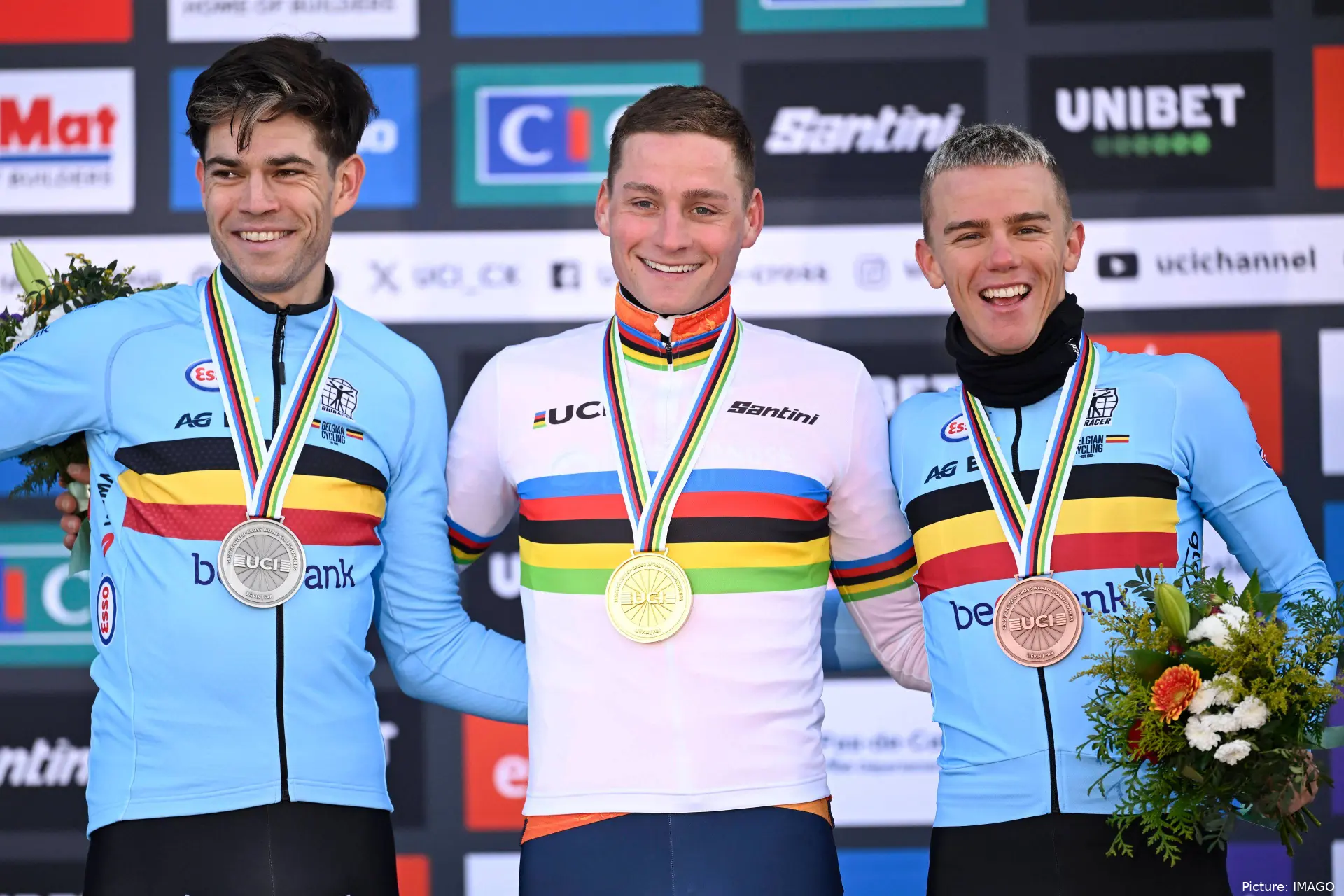
Thibau Nys is building a career that refuses to fit neatly into one season or one discipline. While he is still deep in another elite-level cyclocross campaign, the long game around him is already being redrawn.
Not around mud and tape alone, but around what he can become when his road ambitions are given first claim on his year.
That future is being openly discussed inside Lidl-Trek. Sports director Maxime Monfort made the direction clear in conversation with Sudinfo, saying, “Sooner or later Thibau will adopt a calendar like Mathieu van der Poel and Wout van Aert.”
That comparison is not about copying style. It is about copying structure. Van der Poel and Van Aert race cyclocross because they choose to, not because their whole season depends on it. Their winters are shaped around their roads, not the other way round. Lidl-Trek see Nys moving into that same category.
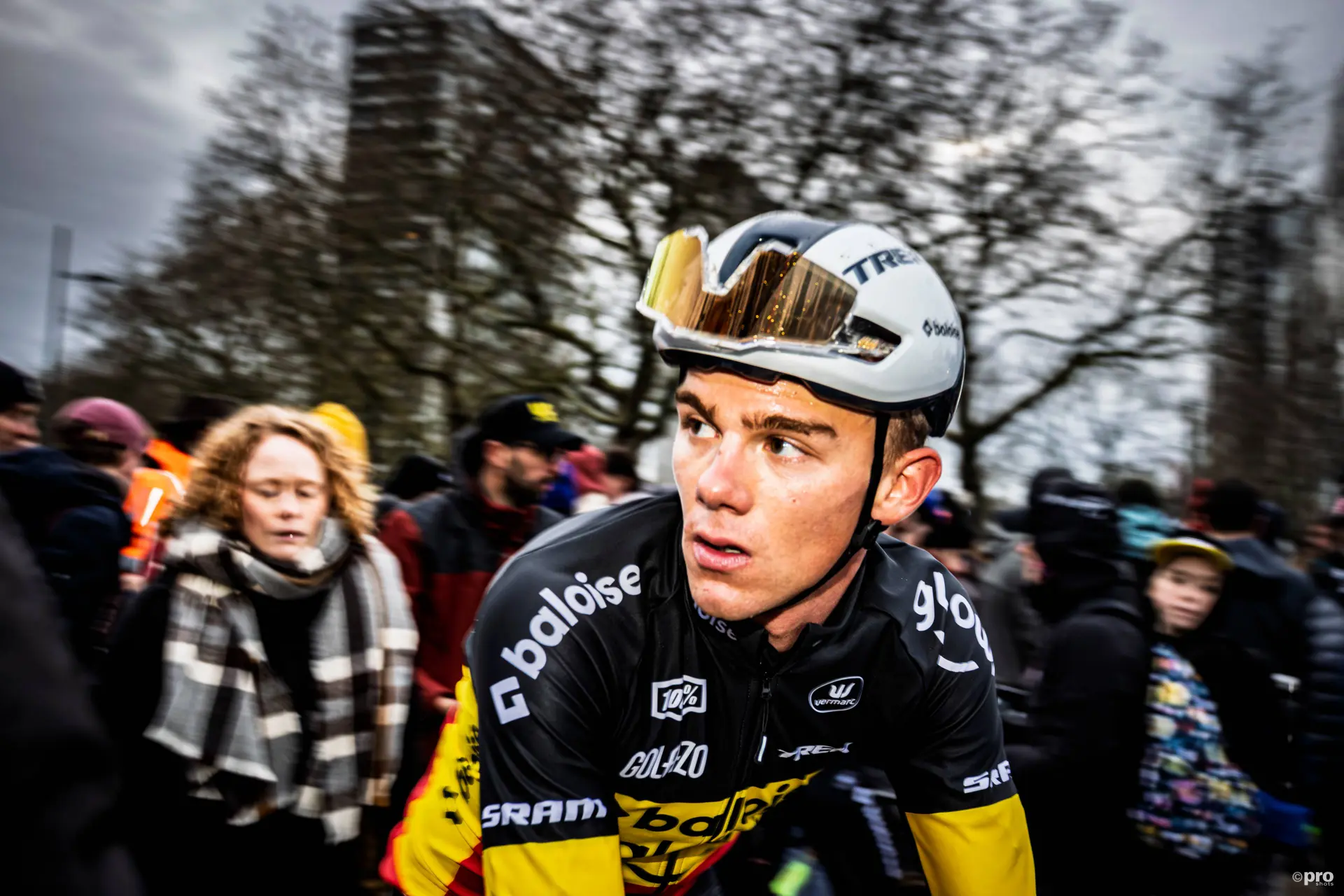
Why the calendar matters more than the races
Nys is not being treated as a winter specialist who occasionally visits the road. His road results already show he belongs in the thick of selective one-day races and hard stages. Explosive acceleration, short climb power and comfort in chaotic racing come from cyclocross, but they are increasingly being spent on tarmac.
The problem is not ability. It is time.
Monfort explained that in future Nys will likely start his cyclocross season later, saying, “He will only return to cyclocross in December, because a full winter takes too much away from him on the road.” That single line explains the whole strategy. A full cross winter means constant racing from autumn into the new year. That limits base work, recovery and growth for the road. If Nys is to reach his ceiling outside winter, something has to give.
This is not a rejection of cyclocross. It is a repositioning of it. Cross becomes a chosen weapon, not the foundation of the year.
The planning is not being imposed. Monfort said the process will be built with those closest to Nys, adding, “The cooperation is straightforward,” in reference to working together with his father.
A rider already living in two worlds
What makes this shift logical is that Nys already races like someone who belongs in more than one discipline. He does not look like a crosser surviving on the road. He looks like a rider who can decide races late, not just follow them.
That places him naturally in the same broad category as Van der Poel and Van Aert. Not because he races like either of them, but because his career is being designed around the same idea. Be dangerous everywhere, but organise the year so that the biggest stages come first.
For Lidl-Trek, that means the road season is becoming the spine of his calendar, with cyclocross fitted around it rather than dominating it.
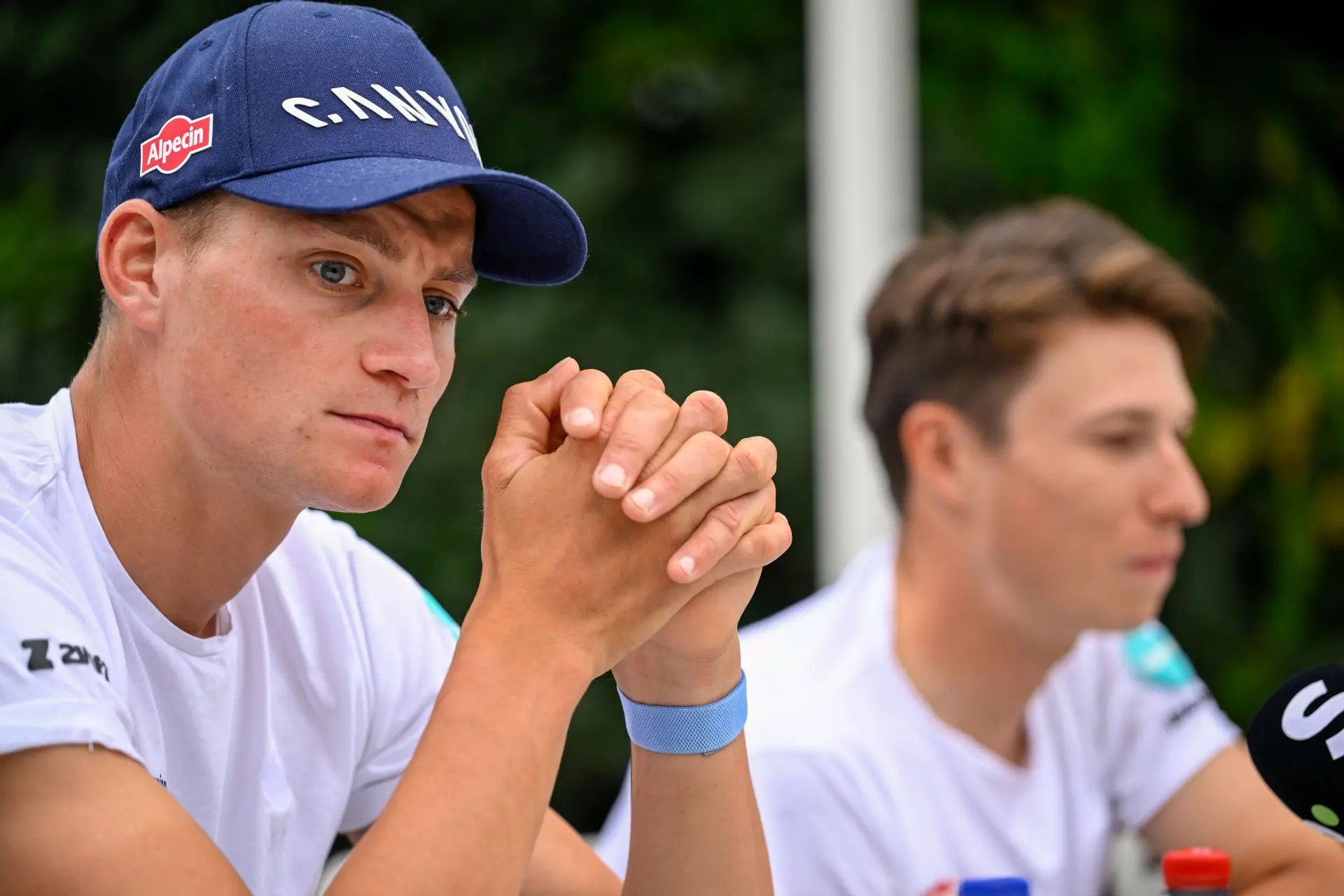
Lessons from a hard road year
That future is being shaped with full awareness that the road has not always been kind to Nys. His last road season, including the Tour de France, was difficult. Monfort acknowledged that, but added, “But there are mitigating circumstances.”
He pointed to the illness Nys suffered near the end of the Baloise Belgium Tour, which disrupted his preparation for the Tour. Then came a crash on the opening stage. The sequence left him chasing form rather than building it.
Monfort’s final judgement was simple: “But all of this has taught him a lot.”
Those lessons matter if Nys is to make the jump from being excellent in winter to being truly dangerous across the whole year. The direction is now clear. He is not being asked to abandon cyclocross. He is being asked to stop letting it define everything else.
Kieran WoodDeputy Editor-in-Chief
Kieran Wood is a sports journalist based in Wales and has been active in journalism since 2022. He regularly contributes to DartsNews.com and CyclingUpToDate.com, where he covers professional cycling and darts. In cycling, his work includes liveblogs from major races, including the Tour de France, the Giro d’Italia, and La Vuelta a España, alongside race reports and analysis. He has also conducted interviews with professional riders.
His reporting spans the full racing calendar, from one-day classics to stage races, with a focus on accurate, real-time coverage and clear contextual analysis. For statistics, results, and historical context, he regularly uses resources such as ProCyclingStats. To support reporting on rider activity and training context where relevant, he also references Strava.
In his work, Kieran places strong emphasis on careful sourcing, editorial accuracy, and updating articles as new, verified information becomes available.
claps 0visitors 0
Just in

Popular news
Latest comments
- He didn't even try to sprint all outvappaxbipmv18-10-2026
- Campenaerts looked like a rolling pumpkin with that all orange leaders skinsuit !frieders318-10-2026
- He can take his dumb a$$ politics somehwere else !frieders318-10-2026
- good to have her back. fingers crossed she‘ll be able to stay!Ketterechts17-10-2026
- A tenner and he wins the Tour next year, too 😂anonymouscyclist17-10-2026
- the answer is either stick to classics or GTs but not bothabstractengineer17-10-2026
- the exodus already stared with Ciccone. Already they were struggling with two sprinters, now there are three. Also Ganna will demand leadership. Gall is the most proven GC, Ayuso has the most potential. GC leadership for everybody will be impossible. Literally a UAE style mess without pogi.abstractengineer17-10-2026
- I raced as an amateur for 12 years, including six years on my country’s national road cycling team. I secured two national titles and competed in three World Championships plus more than 15 international stage races. At 23, we travelled to Italy for a training camp—or so I assumed. On a rest day, we watched a presentation about adopting a more “professional” training approach. It was crystal clear what “professional” meant. That moment first exposed me to this dilemma. After returning from Italy, I left cycling—at least at the competitive level I had known. Over the following two years, the whole team was caught doping. I hold that everyone is innocent until proven guilty. In my view, current stakeholders operate on a different scale, and the sums involved are vast. I am unsure whether any doping would ever be revealed. I try to stay positive and enjoy the show. My 2c.
 vannpelt17-10-2026
 - Fiver he wins 🤣
 leedorney17-10-2026
 - “…measures to reduce speeds.” Might as well shorten the race course to just 50km as well? ASO generates at minimum €300m a year and 30- 40% profit. Maybe stop being greedy and spend more of the profit to protect the riders instead.b3tlla17-10-2026
Loading
Write a comment