“You get tears in your eyes” – Primoz Roglic watches Slovenian ski jumper fall just short of Olympic gold in Milan
Cycling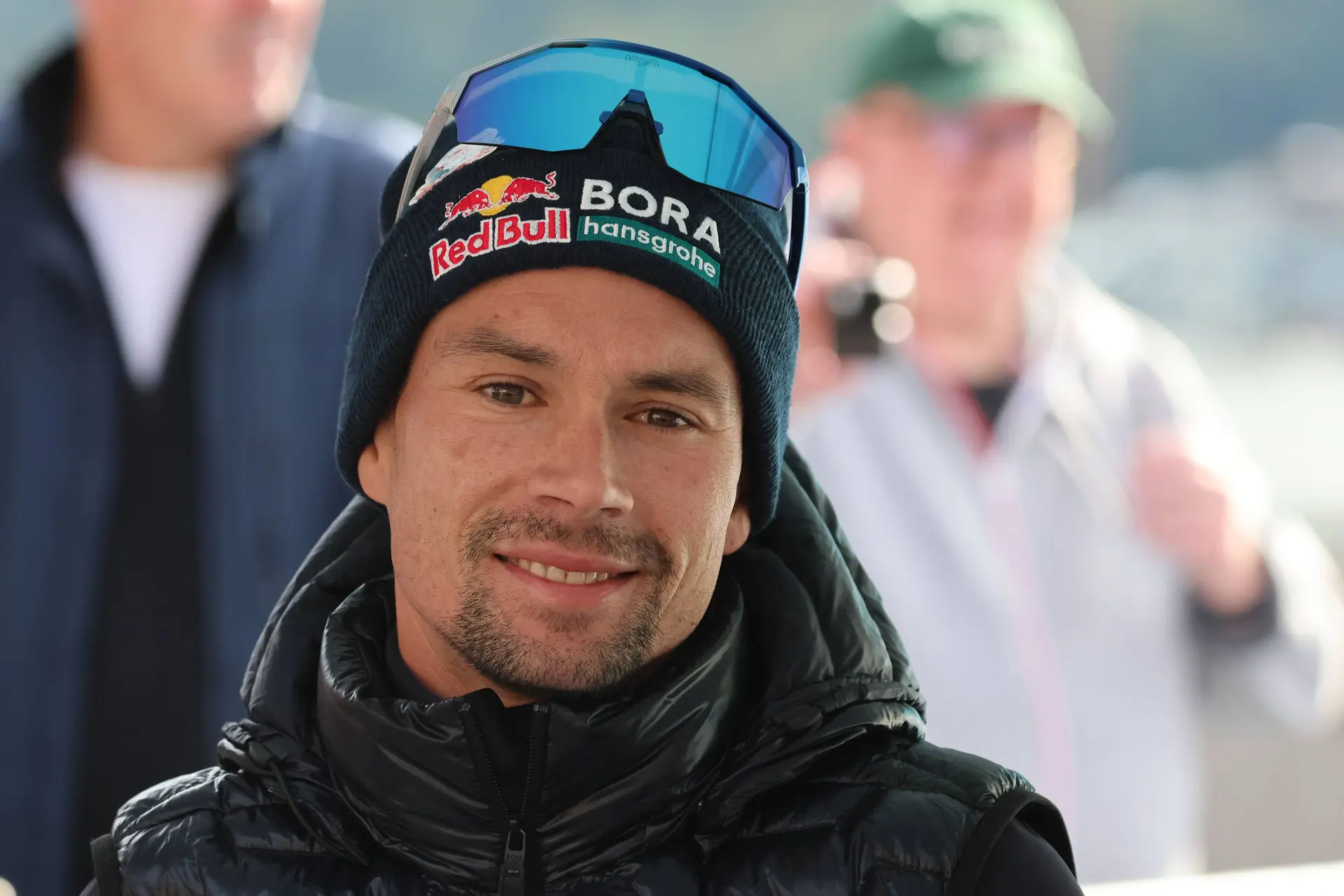
For most of the cycling world, the Winter Olympics sit firmly in the background once February training camps are done. For Primoz Roglic, they never do. His journey into elite sport began on the ski jumping hill long before it took him to the top of the Grand Tour podiums and Olympic time trial gold.
So when the Winter Games arrived in Milan, Roglic did not attend as a distant observer or a celebrity guest. He travelled as someone who understands the moment from the inside.
Roglic was present at the Slovenian House in Cortina d’Ampezzo during the Games, watching events unfold as a supporter rather than a competitor. He followed the women’s ski jumping competition on television and attended the women’s downhill in person. What he saw stirred something deeply familiar. When Nika Prevc fell just short of Olympic gold, the reaction from one of Slovenia’s most decorated modern athletes was immediate and unguarded.
“You get tears in your eyes. Simply that,” Roglic said in quotes collected by Siol, describing how it felt to watch the competition unfold. “Especially when I was watching her.”
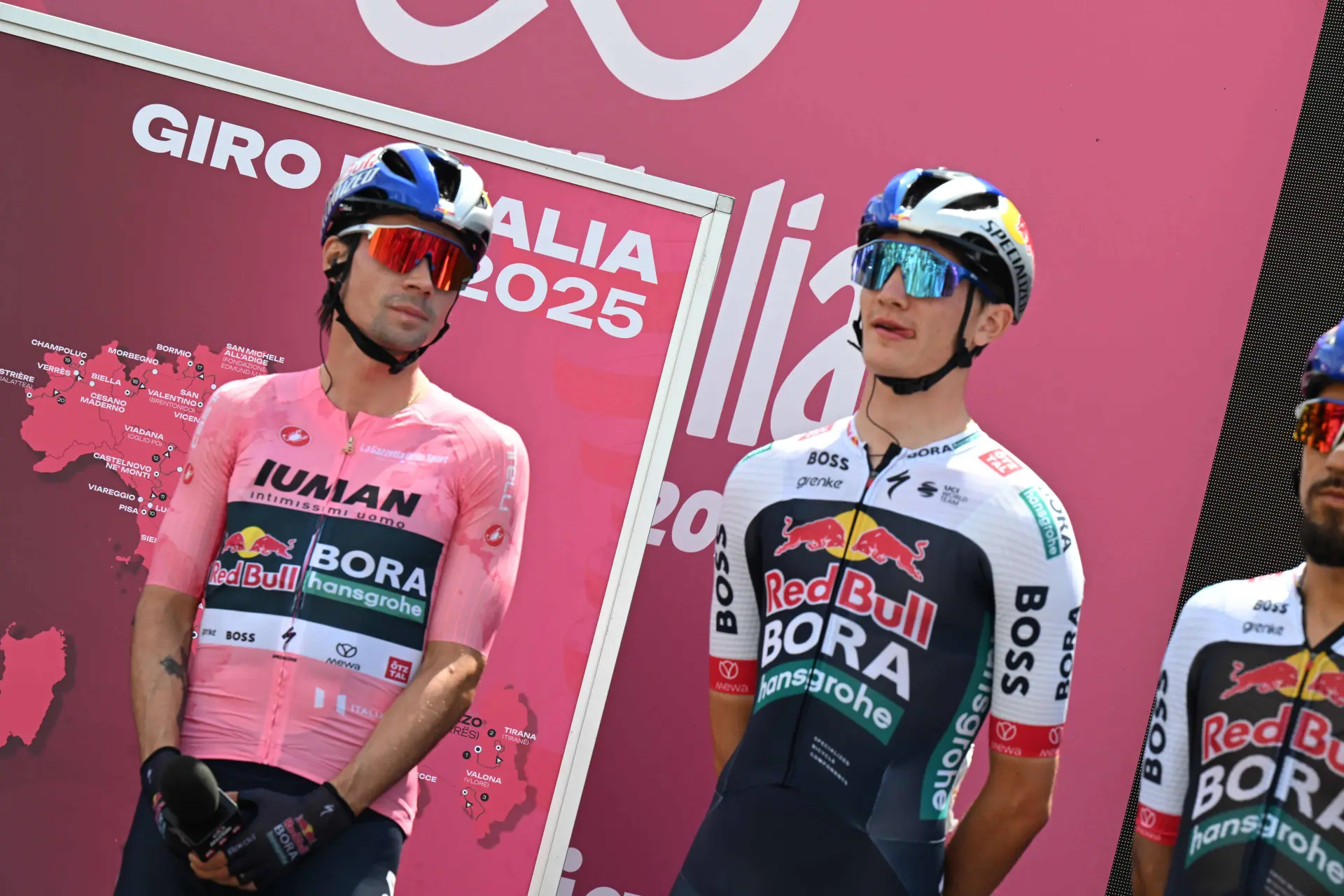
A champion watching a moment he knows too well
For cycling fans, Roglic’s response lands with particular force. His career has been defined as much by near misses, crashes and narrow defeats as by Grand Tour victories. Few riders understand better how thin the line is between triumph and heartbreak on sport’s biggest stages.
That context framed his reaction to Prevc’s silver medal. Roglic did not downplay the disappointment or try to soften it with platitudes. Instead, he explained why the pain was both natural and, in his eyes, necessary for athletes who are wired to win.
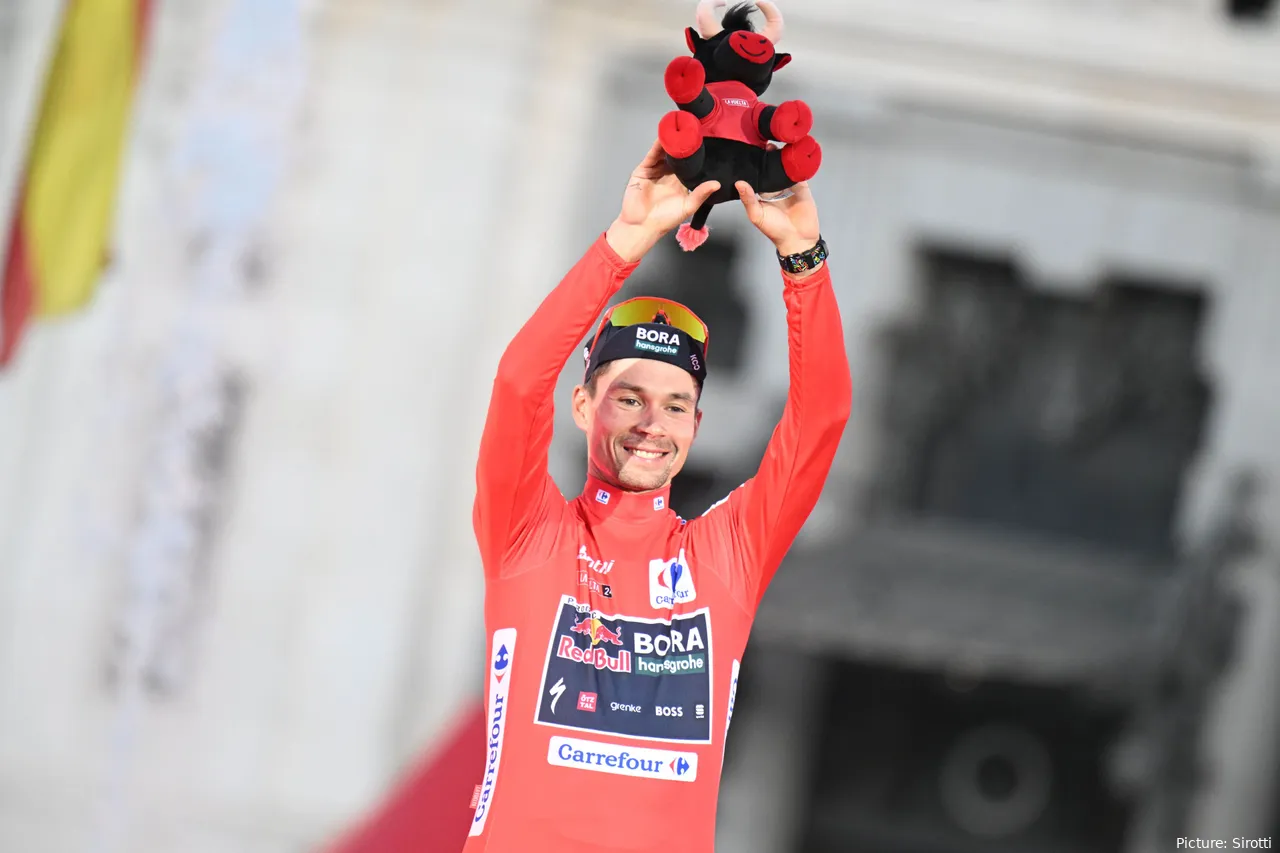
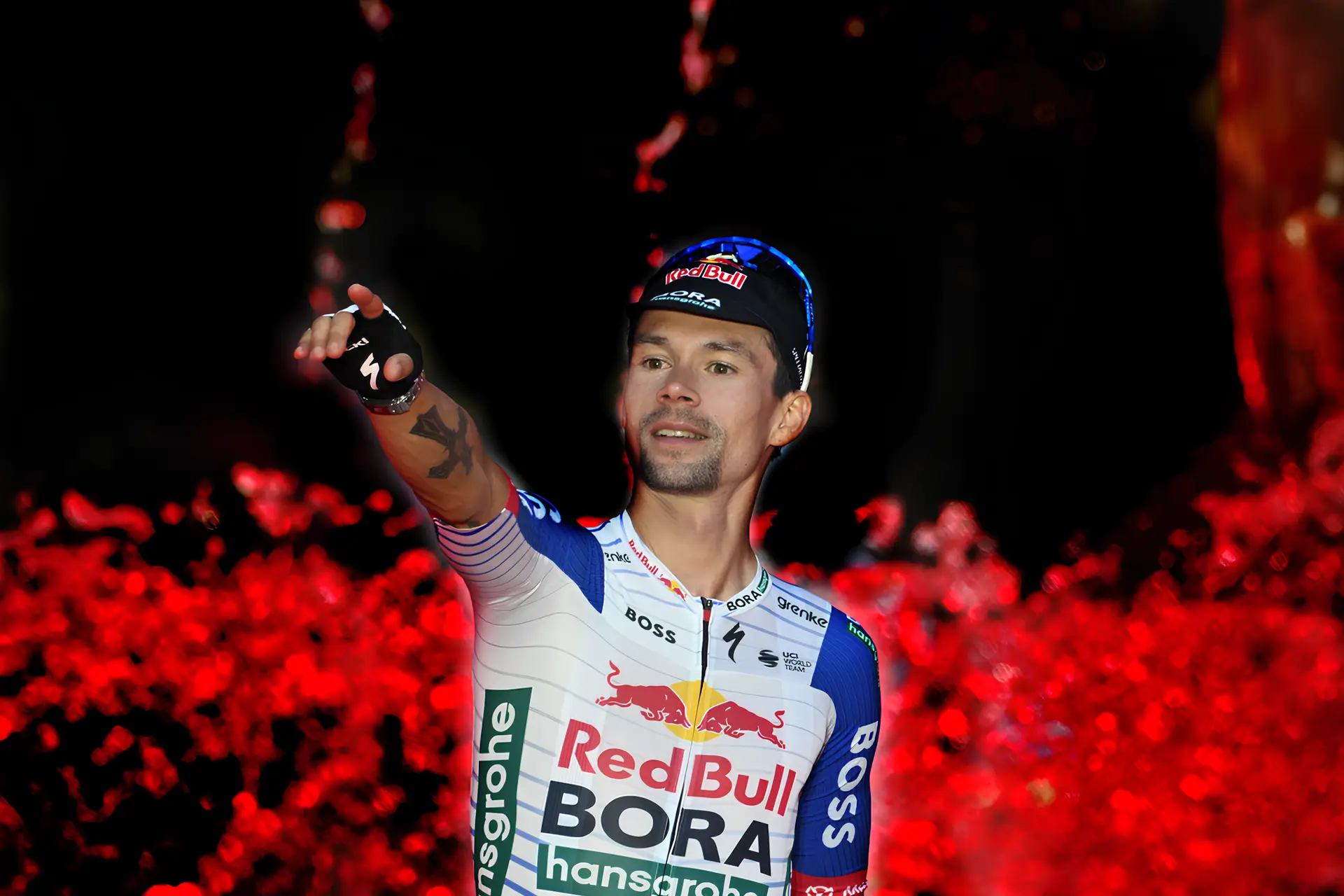
Roglic has evolved from a ski jumper to one of the most successful Grand Tour riders of his generation
“Nika is a winner because she has already won so many competitions,” he said. “And it certainly holds true that if, as an athlete, you are satisfied with second place, then you will never win. It was understandable, and also necessary.”
The words carry weight coming from a rider who has lived through Olympic pressure himself. Roglic won gold in the individual time trial at the Tokyo Games, but his relationship with the Olympics long predates that success. As a former ski jumper, the Winter Games were once the dream that defined his sporting ambitions.
“I dreamed of the Winter Olympics. More than the Summer ones, that’s for sure,” he admitted. “It’s nice to feel them, even if only as a spectator.”

Why silver still hurts at the highest level
Roglic’s comments also offered a rare window into how elite athletes measure success. From the outside, silver medals and podium finishes are career-defining moments. Inside the peloton, they often carry a more complicated emotional cost.
“What people see are first places and medals,” Roglic said. “But all of us athletes know that you don’t just say one year before, ‘I’ll go to the Olympic Games next year.’ You have to live and dream this your whole life for it to happen. And then you still have to be that much better to achieve something significant, a medal or some other success.”
That perspective resonates far beyond ski jumping. Cycling careers are built on years of sacrifice for moments that may last only seconds. For Roglic, watching Prevc was not about analysing technique or results. It was about recognising the familiar mix of pride, frustration and ambition that defines top-level sport.
“She absolutely has to be very proud of that medal,” he said. “She can now just enjoy it. What she showed throughout the whole season and now is just a bonus. We will cheer, and we will enjoy it.”
In Milan, Roglic was not the rider fighting for seconds on the road. He was the former ski jumper, the Olympic champion and the seasoned cyclist watching a compatriot live through a moment he knows intimately. For a sport that often measures success in watts and margins, his reaction was a reminder that at the very top, emotion still cuts deepest.


Kieran WoodDeputy Editor-in-Chief
Kieran Wood is a sports journalist based in Wales and has been active in journalism since 2022. He regularly contributes to DartsNews.com and CyclingUpToDate.com, where he covers professional cycling and darts. In cycling, his work includes liveblogs from major races, including the Tour de France, the Giro d’Italia, and La Vuelta a España, alongside race reports and analysis. He has also conducted interviews with professional riders.
His reporting spans the full racing calendar, from one-day classics to stage races, with a focus on accurate, real-time coverage and clear contextual analysis. For statistics, results, and historical context, he regularly uses resources such as ProCyclingStats. To support reporting on rider activity and training context where relevant, he also references Strava.
In his work, Kieran places strong emphasis on careful sourcing, editorial accuracy, and updating articles as new, verified information becomes available.
claps 1visitors 1
Just in
Popular news
Latest comments
- i think he can continue to race for maybe another 2 years till he drops out of podium contention. With his TT and his follow the leader in the Mountains,he should not need too many teammates too.abstractengineer14-10-2026
- Aren't they still shopping around for a main sponsor for next year?wrsty14-10-2026
- How broke is visma now? wtf they cant even fight moviestar and decathlon for riders and lose both their mid targets based on their budget and they cant even get those? Crazy...:/miguel13-10-2026
- TT But he won by a minute so he could have cut down on some of it
 Rafionain-Glas13-10-2026
 - weight is measurable. power is measurable. So why didn't he prepare that way from the TDF if he wanted to beat Pogi and after Pogi wasn't going to be there, to win.abstractengineer13-10-2026
- I hope Thibau and Tibor don't do the sameRafionain-Glas13-10-2026
- Seixas is exactly what I would like Pogi to be mentally and in his statements. Both come across as shy and who don't talk much but with Seixas, you can see that he enjoys success, that it boosts his ego, unlike Pogačar who seems to feel increasingly uncomfortable the more he wins. He's won so many times, people are saying he's boring. The french media hate him for winning so much, the french cycling fans are booing him... etc. etc. But remember one thing, Seixas will never physically reach Pogi's level. He's excellent, but he isn't at that level nor will ever be. His talking to the media, his relationship with people is already at a high level.PogiSloFans13-10-2026
- Paul Seixas is now the second-best rider in the world.megasmacky13-10-2026
- When will they start dropping Pogi? Oh yeah, when Pogi reaches 40+ years, that's when young cyclists will start dropping him. But until then... eat your hearts out and cry. Pogi will remain the G.O.A.T. for years to come. Capish?PogiSloFans13-10-2026
- I figure he would have found out how to outsprint Paul and take the win, maybe. He's 28 now but I would say he's right at the peak of his powers. It was great race though, Paul showed me something different about himself.awp13-10-2026
Loading
Write a comment