“Today, cyclists take too many unnecessary risks. It’s much more dangerous” – Nairo Quintana warns modern peloton has changed
Cycling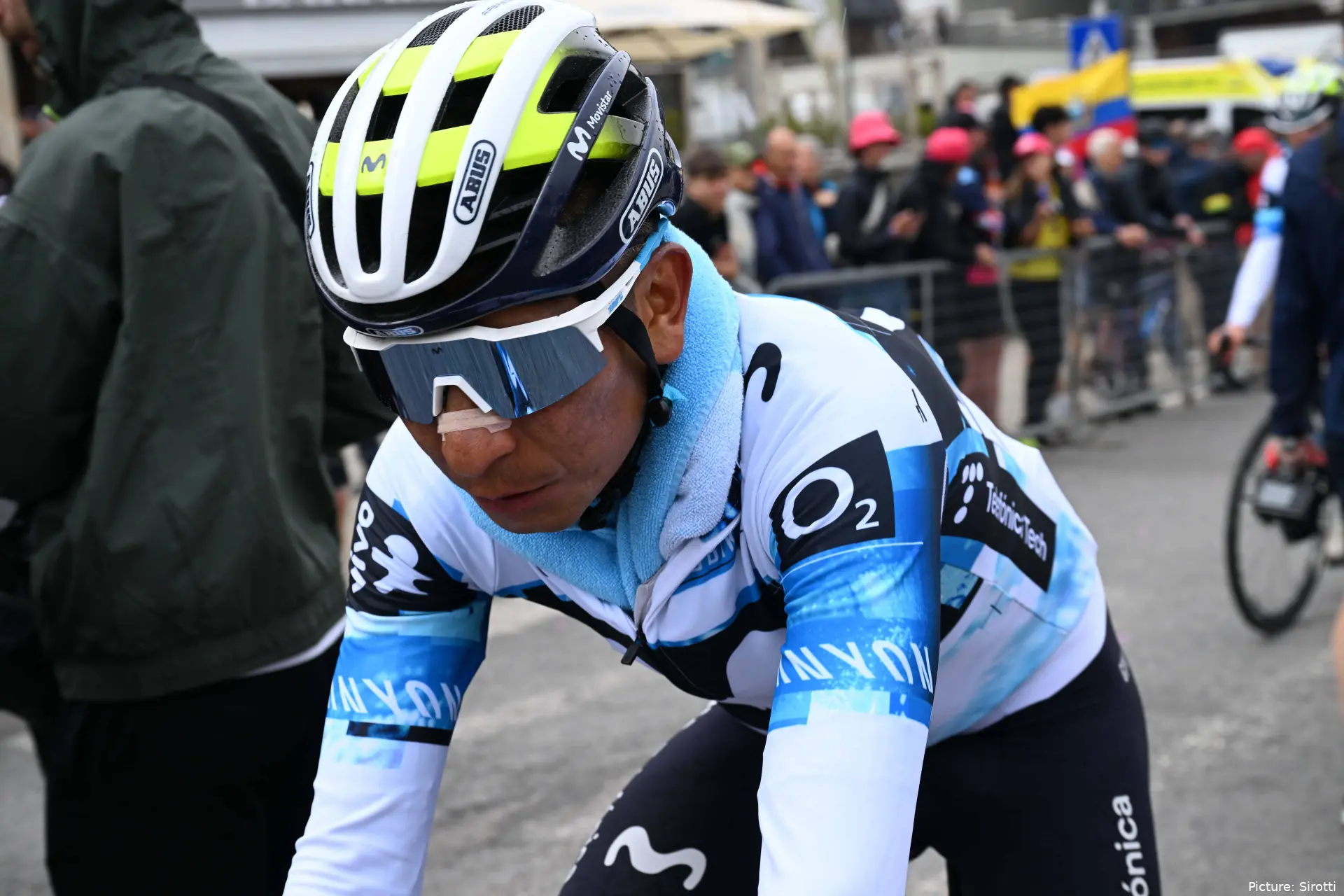
The observation was calm, but the message was unmistakable. Speaking in Oman, Nairo Quintana did not frame his concerns as nostalgia or complaint. Instead, he described a peloton that no longer behaves as it once did, one shaped by constant pressure and heightened tension.
“Today, cyclists take too many unnecessary risks; there is a lot of tension at moments that are not important,” Quintana said in conversation with Marca. “It makes cycling more interesting, but in terms of safety, we notice it is much more dangerous.”
For a rider who has spent more than a decade at the top of the sport, the warning carries weight.
Quintana is not reacting to a single incident, but to a shift he believes has become embedded in everyday racing.
A peloton under constant pressure
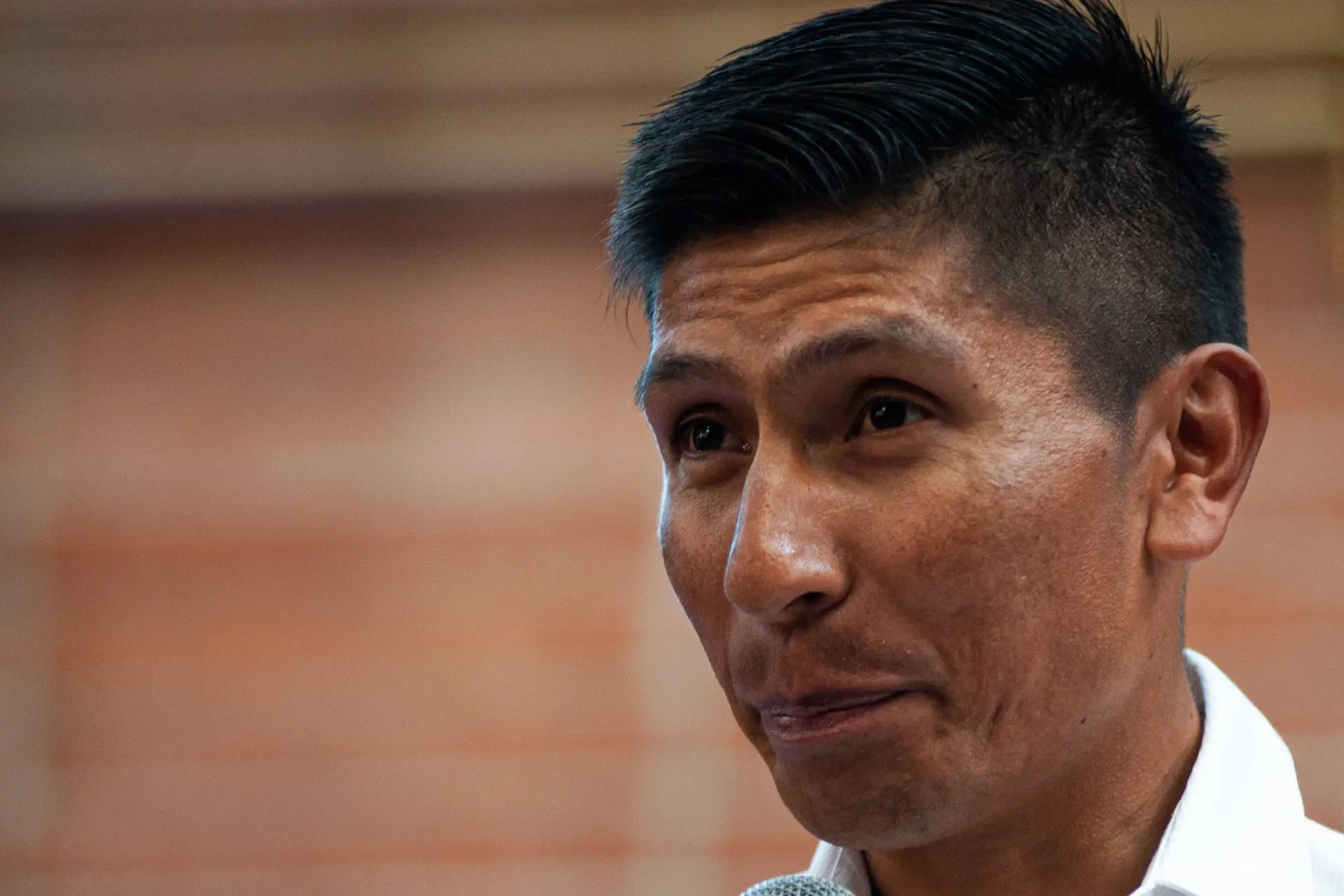
According to Quintana, the modern structure of professional cycling has altered how riders behave throughout a race day, not just at decisive moments. He points in particular to the influence of the points system, which has intensified competition far beyond traditional flashpoints.
“We see crashes every day and, although measures have been taken, they are not enough to avoid all that tension caused by trying to collect points that are so valuable for every team and every rider,” he said.
The result, in his view, is a peloton that is permanently on edge, where riders take risks even when the sporting stakes do not demand it.

Quintana won both the Giro d'Italia and the Vuelta a Espana during his pomp
Racing on instinct, not nostalgia
Despite his concerns, Quintana is not racing with a sense of detachment. At 36, he has begun the season early, deliberately choosing conditions that allow him to build form and remain competitive rather than simply fulfil a supporting role.
“I wanted to start early to take advantage of the heat and begin riding properly,” he explained. “I am still at a good level, and I have to take advantage of it.”
That approach has seen him active at the Tour of Oman, a race whose terrain suits his strengths and offers a useful measure of where he stands in the current peloton.

Experience as reference point
Within Movistar, Quintana’s role is fluid, shaped by the demands of each stage rather than fixed expectations. He speaks openly about helping sprinters and younger teammates when required, while remaining ready to step forward when opportunities arise. “When it is our opportunity, we have to be there with the best,” he said.
That flexibility extends beyond tactics. Quintana has become a reference point for younger riders, not only within his own team but across the peloton, many of whom continue to seek him out despite the changing competitive landscape.
“The joy of sharing with young riders is that you continue to feel young,” he said. “They motivate me a lot and allow me to guide them in the moments when they need it.”
A changed sport, but familiar instinct
While Quintana acknowledges that the sport around him has evolved, his own approach remains rooted in instinct and competition rather than caution.
“I am a lion,” he said. “Every day I pin on a number, I think about being at the front, about my team winning, about fighting, defending myself, and why not, attacking.”
That instinct has not disappeared, even as he recognises that the broader environment has become more volatile.

Looking ahead without forcing an ending
The discussion inevitably touches on time and longevity, though Quintana avoids framing the season as a farewell.
“We will see how the year goes,” he said. “I feel good, I am in very good condition, I ride well and happily. For now, I am very focused on doing the whole season, and we will see later on.”
For now, his focus remains on racing within a peloton he believes has fundamentally changed, navigating its risks with the benefit of experience while continuing to compete on his own terms.


Kieran WoodDeputy Editor-in-Chief
Kieran Wood is a sports journalist based in Wales and has been active in journalism since 2022. He regularly contributes to DartsNews.com and CyclingUpToDate.com, where he covers professional cycling and darts. In cycling, his work includes liveblogs from major races, including the Tour de France, the Giro d’Italia, and La Vuelta a España, alongside race reports and analysis. He has also conducted interviews with professional riders.
His reporting spans the full racing calendar, from one-day classics to stage races, with a focus on accurate, real-time coverage and clear contextual analysis. For statistics, results, and historical context, he regularly uses resources such as ProCyclingStats. To support reporting on rider activity and training context where relevant, he also references Strava.
In his work, Kieran places strong emphasis on careful sourcing, editorial accuracy, and updating articles as new, verified information becomes available.
claps 1visitors 1
Just in
Popular news
Latest comments
- Eventually Pogi will get older and slower. Father Time will favor the young. The question is whether he can beat Pogi before Pogi decides to retire. You never know... Pogi may retire after winning paris-roubaix :)b3tlla14-10-2026
- i think he can continue to race for maybe another 2 years till he drops out of podium contention. With his TT and his follow the leader in the Mountains,he should not need too many teammates too.abstractengineer14-10-2026
- Aren't they still shopping around for a main sponsor for next year?wrsty14-10-2026
- How broke is visma now? wtf they cant even fight moviestar and decathlon for riders and lose both their mid targets based on their budget and they cant even get those? Crazy...:/miguel13-10-2026
- TT But he won by a minute so he could have cut down on some of it
 Rafionain-Glas13-10-2026
 - weight is measurable. power is measurable. So why didn't he prepare that way from the TDF if he wanted to beat Pogi and after Pogi wasn't going to be there, to win.abstractengineer13-10-2026
- I hope Thibau and Tibor don't do the sameRafionain-Glas13-10-2026
- Seixas is exactly what I would like Pogi to be mentally and in his statements. Both come across as shy and who don't talk much but with Seixas, you can see that he enjoys success, that it boosts his ego, unlike Pogačar who seems to feel increasingly uncomfortable the more he wins. He's won so many times, people are saying he's boring. The french media hate him for winning so much, the french cycling fans are booing him... etc. etc. But remember one thing, Seixas will never physically reach Pogi's level. He's excellent, but he isn't at that level nor will ever be. His talking to the media, his relationship with people is already at a high level.PogiSloFans13-10-2026
- Paul Seixas is now the second-best rider in the world.megasmacky13-10-2026
- When will they start dropping Pogi? Oh yeah, when Pogi reaches 40+ years, that's when young cyclists will start dropping him. But until then... eat your hearts out and cry. Pogi will remain the G.O.A.T. for years to come. Capish?PogiSloFans13-10-2026
Loading
Write a comment