“You can’t pretend nothing is happening” – Kwiatkowski slams the UCI’s handling of the Vuelta a Espana protests
Cycling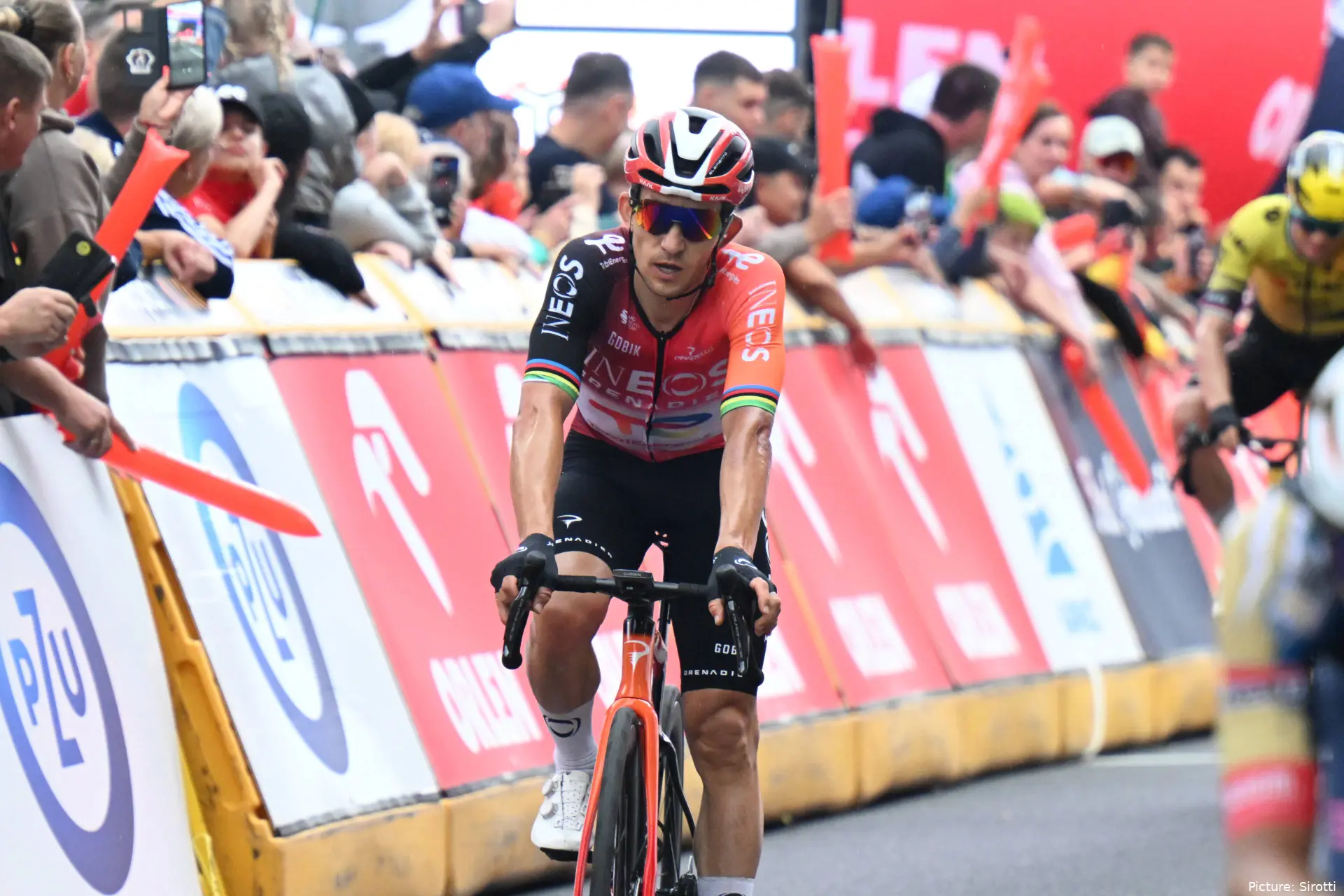
The 2025 Vuelta a España will be remembered less for Jonas
Vingegaard’s overall victory and more for the unprecedented disruptions that
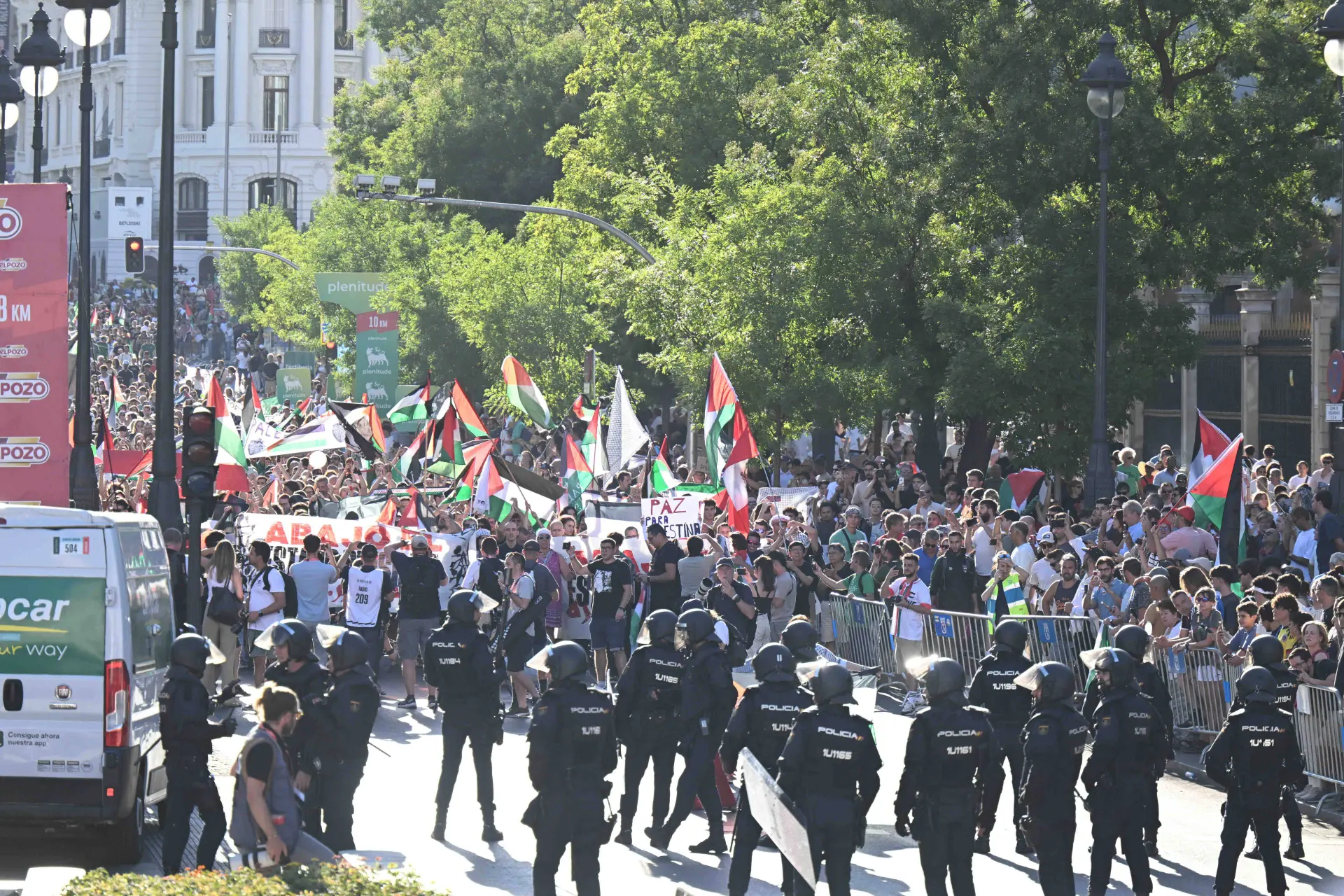
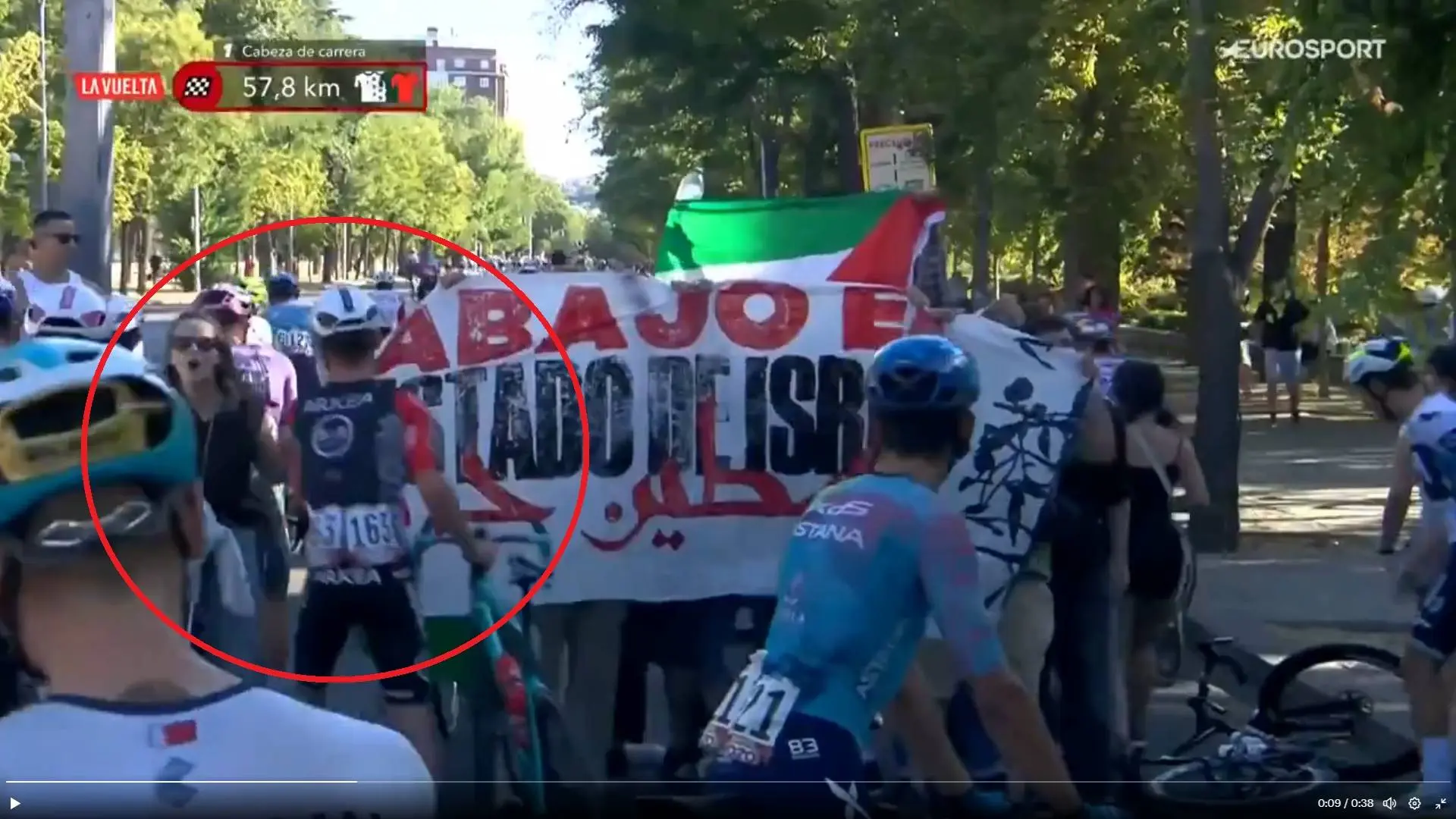
defined it from the outset. Pro-Palestinian protests forced the shortening of
multiple stages, the neutralisation of sprints, and finally, the complete
cancellation of the finale in Madrid on Sunday. In the aftermath, voices across
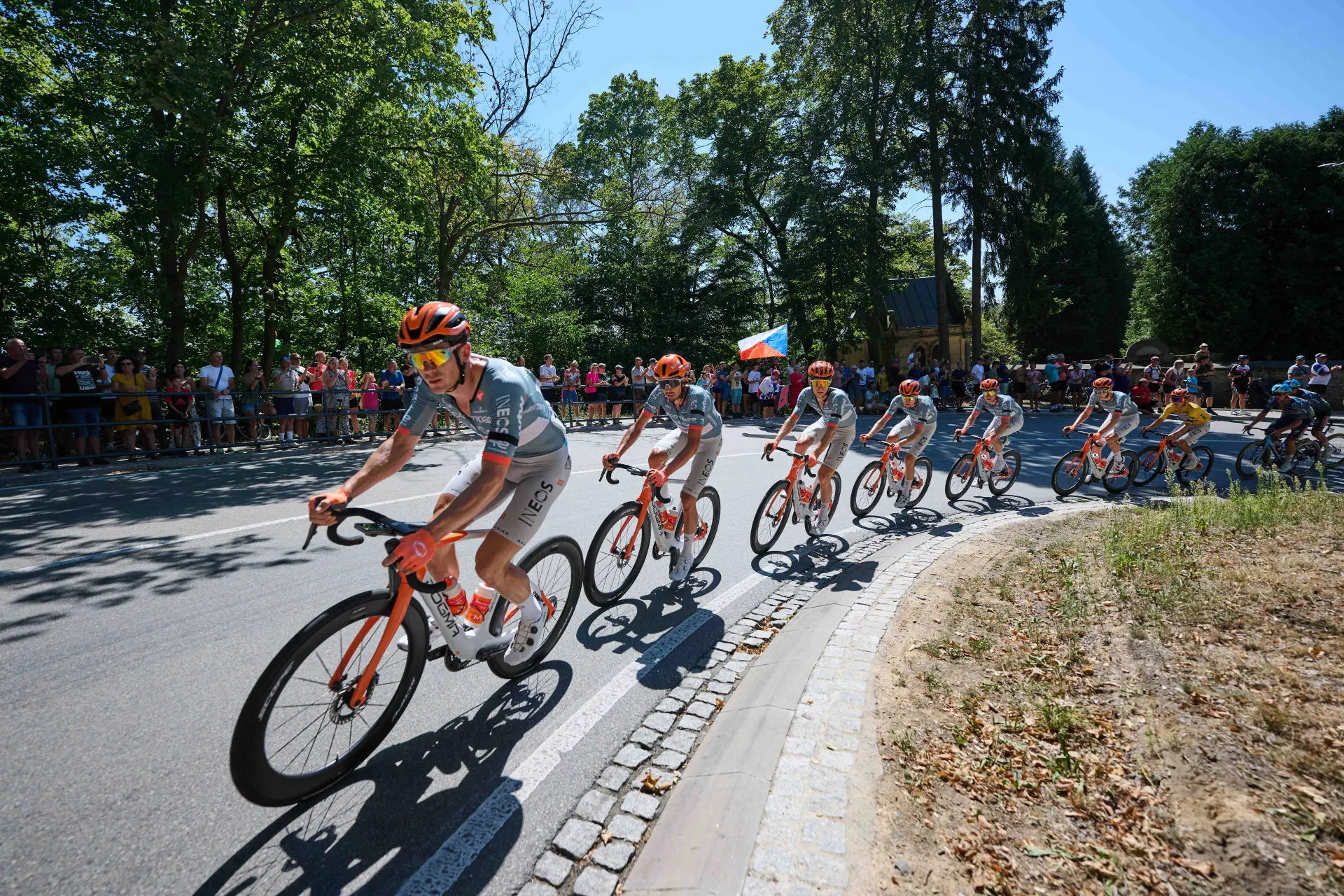
the peloton have weighed in on what this means for the sport, including INEOS
Grenadiers veteran Michał Kwiatkowski.
The Polish rider took to Twitter to share his frustrations,
pointing the finger at cycling’s governing bodies. “If the UCI and the
responsible bodies couldn’t make the right decisions early enough, then
long-term it’s very bad for cycling that the protesters managed to get what
they wanted,” he wrote. For him, the damage went beyond one disrupted race, it
set a precedent for future events.
Kwiatkowski warned that cycling had now been exposed as
uniquely vulnerable to disruption. “You can’t just pretend nothing is
happening. From now on, it’s clear for everyone that a cycling race can be used
as an effective stage for protests and next time it will only get worse,
because someone allowed it to happen and looked the other way.” His comments
reflect a growing concern in the peloton that the openness of the sport, once
its greatest strength, has turned into a liability in a tense political climate.
Fans, too, were caught in the middle. Stages like Bilbao’s
sprint, the Angliru showdown, and the decisive Madrid finale all ended in
confusion, disappointment, or outright abandonment. For Kwiatkowski, this was
the greatest loss of all. “It’s a shame for the fans who came here to watch a
great event. Personally, I would have preferred to know in advance that the
race was cancelled rather than being led to believe everything was going to be
fine.”
If the UCI and the responsible bodies couldn’t make the right decisions early enough, then long-term it’s very bad for cycling that the protesters managed to get what they wanted. You can’t just pretend nothing is happening.
— Michał Kwiatkowski (@kwiato) September 14, 2025
From now on, it’s clear for everyone that a cycling… pic.twitter.com/UZumVr2CRv

Fin MajorCycling Journalist
Fin Major is a UK-based writer at CyclingUpToDate and has been part of the team since 2024. He is the site’s main writer for FAQs and evergreen explainers and has written around 2,000 pieces for the platform. Alongside this work, he focuses on in-depth analysis and covers the biggest races on the calendar, including the Tour de France, the Giro d’Italia, and La Vuelta a España, providing clear context around performance trends, tactics, and key storylines.
In his reporting, Fin uses reputable data sources such as ProCyclingStats for results, statistics, and historical context. He places strong emphasis on careful sourcing, editorial accuracy, and updating articles promptly when new, verified information becomes available. Outside of writing, Fin is an active cyclist, which supports his practical understanding of the sport and its demands.
claps 8visitors 5
Just in

Popular news
Latest comments
- He didn't even try to sprint all outvappaxbipmv18-10-2026
- Campenaerts looked like a rolling pumpkin with that all orange leaders skinsuit !frieders318-10-2026
- He can take his dumb a$$ politics somehwere else !frieders318-10-2026
- good to have her back. fingers crossed she‘ll be able to stay!Ketterechts17-10-2026
- A tenner and he wins the Tour next year, too 😂anonymouscyclist17-10-2026
- the answer is either stick to classics or GTs but not bothabstractengineer17-10-2026
- the exodus already stared with Ciccone. Already they were struggling with two sprinters, now there are three. Also Ganna will demand leadership. Gall is the most proven GC, Ayuso has the most potential. GC leadership for everybody will be impossible. Literally a UAE style mess without pogi.abstractengineer17-10-2026
- I raced as an amateur for 12 years, including six years on my country’s national road cycling team. I secured two national titles and competed in three World Championships plus more than 15 international stage races. At 23, we travelled to Italy for a training camp—or so I assumed. On a rest day, we watched a presentation about adopting a more “professional” training approach. It was crystal clear what “professional” meant. That moment first exposed me to this dilemma. After returning from Italy, I left cycling—at least at the competitive level I had known. Over the following two years, the whole team was caught doping. I hold that everyone is innocent until proven guilty. In my view, current stakeholders operate on a different scale, and the sums involved are vast. I am unsure whether any doping would ever be revealed. I try to stay positive and enjoy the show. My 2c.
 vannpelt17-10-2026
 - Fiver he wins 🤣
 leedorney17-10-2026
 - “…measures to reduce speeds.” Might as well shorten the race course to just 50km as well? ASO generates at minimum €300m a year and 30- 40% profit. Maybe stop being greedy and spend more of the profit to protect the riders instead.b3tlla17-10-2026
Loading
5 Comments