“Who knows if he lets him win” – Spanish expert suggests Tadej Pogacar could gift Strade Bianche victory to Isaac del Toro
Cycling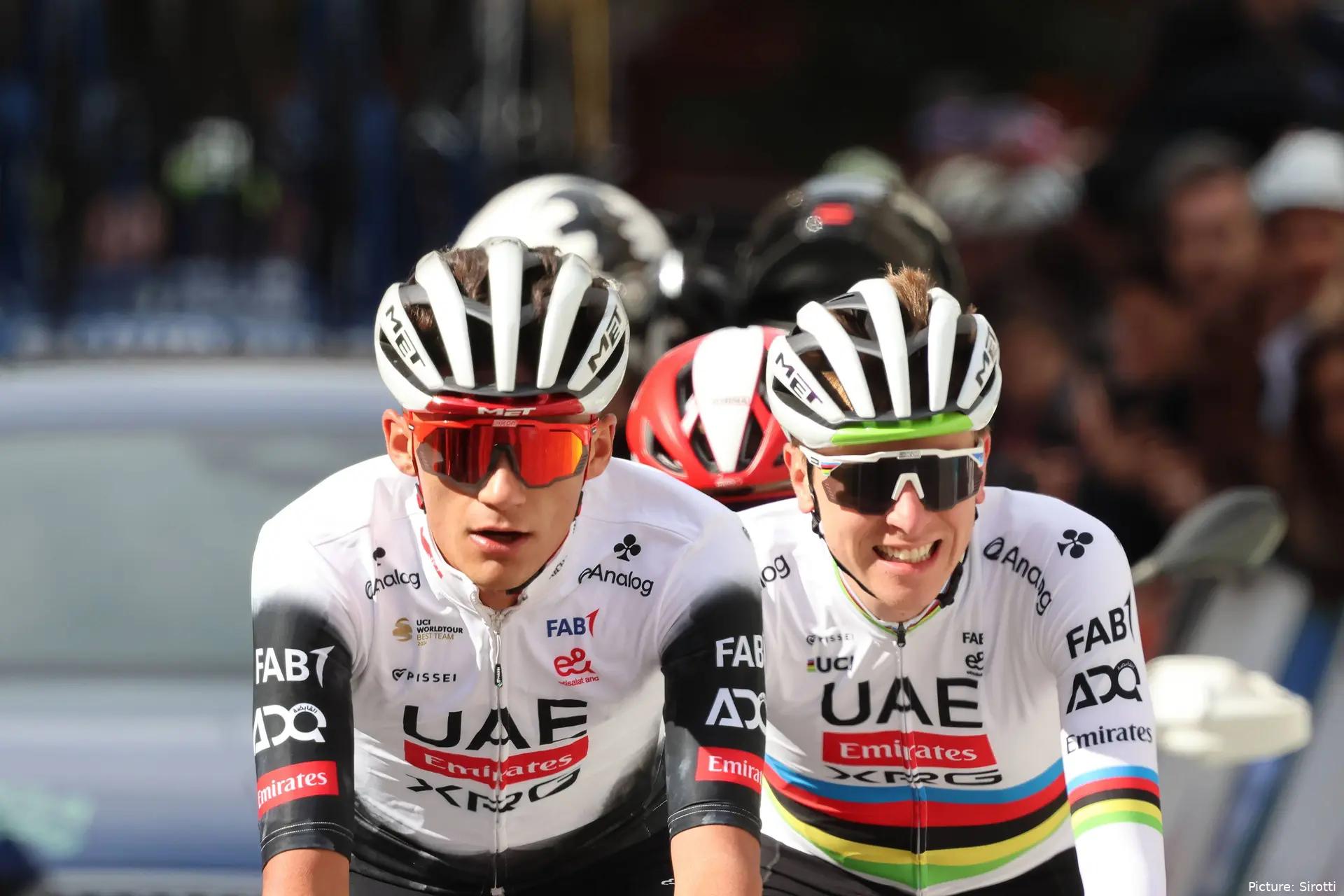
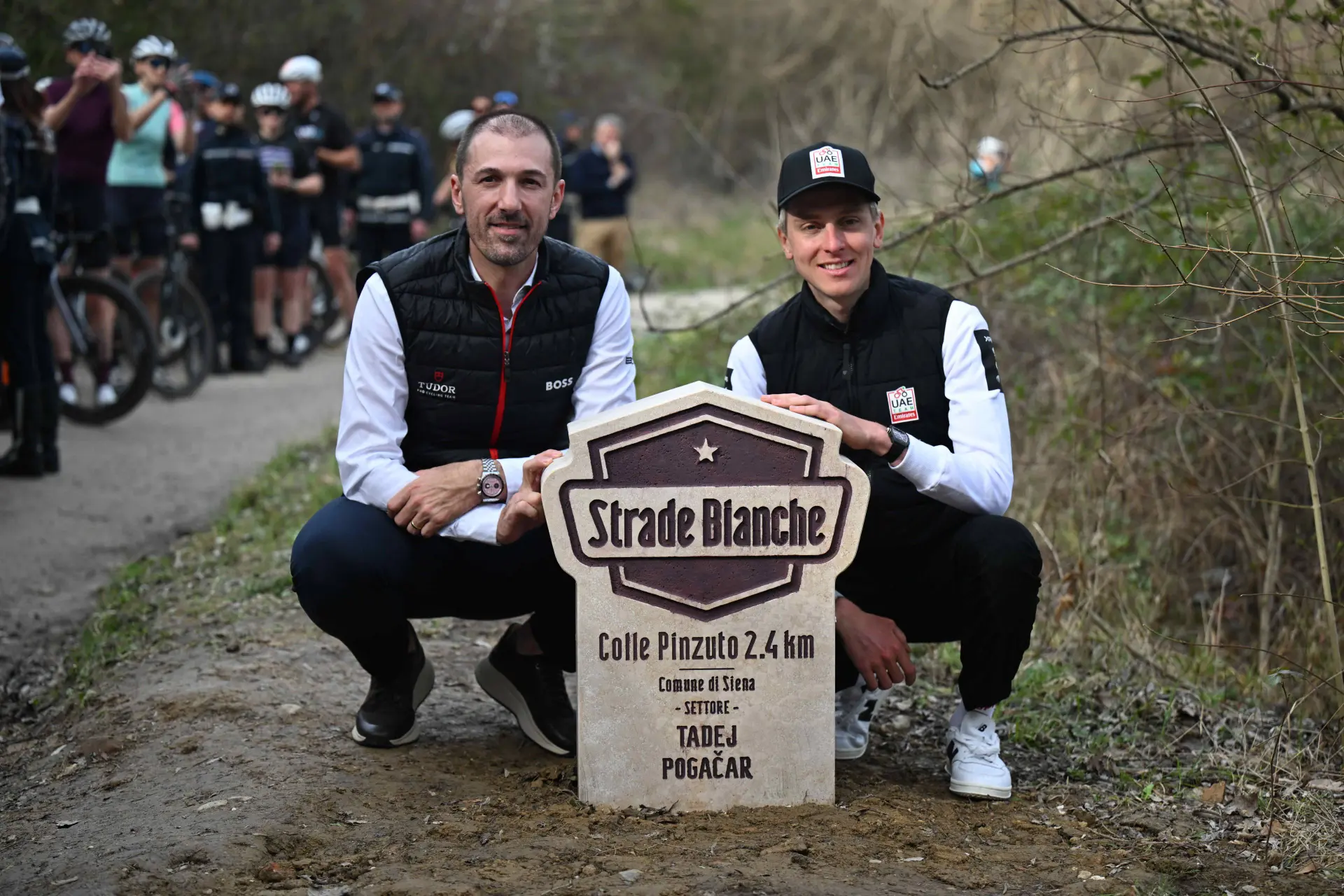
The cycling season truly begins to ignite with the arrival of one of the most eagerly anticipated races of the early calendar: Strade Bianche. The Italian classic, raced across the iconic gravel roads of Tuscany, has quickly established itself as one of the most captivating events in modern cycling.
Its mix of history, brutality and spectacle has led many fans to already regard it as something of a “modern Monument”.
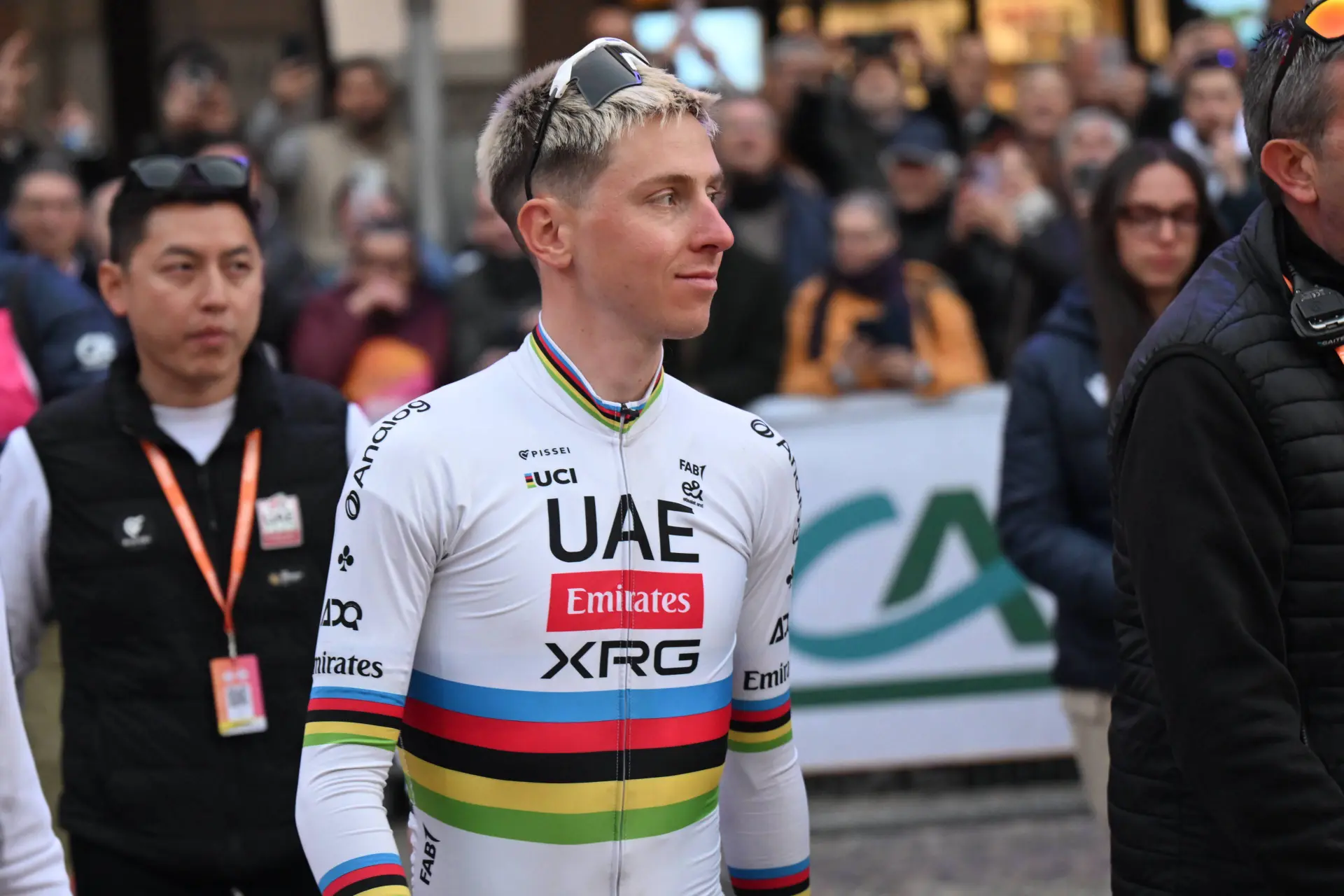
The 2026 edition carries an added storyline with the long-awaited return of Tadej Pogacar. The Slovenian world champion returns to competition after several months away from racing, doing so at an event where he has traditionally excelled.
On his YouTube channel, Javier Ares, the well-known commentator for Eurosport, analysed the race, the current state of the peloton and the expectations surrounding Pogacar’s return alongside team mate Isaac del Toro.
Pogacar’s return takes centre stage
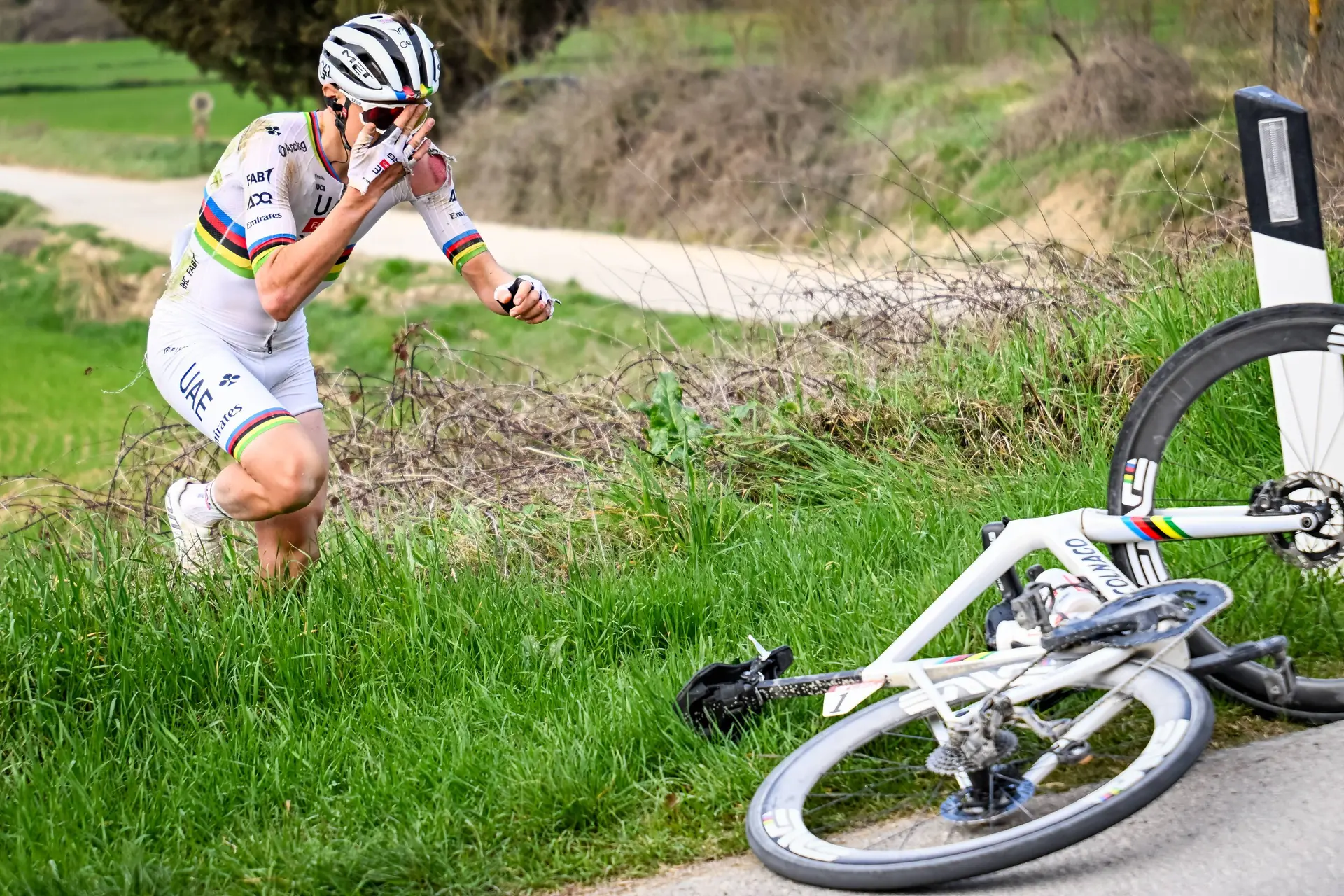
Much of the attention ahead of the 2026 Strade Bianche centres on Pogacar’s return to racing. The Slovenian has not competed since the end of last season, when he once again completed a remarkable campaign that reinforced his position as one of the defining riders of the current era.
Ares pointed to the curiosity building around the leader of UAE Team Emirates - XRG after several months away from competition. “There is a lot of curiosity among fans to see whether he is still in the outrageously good form he showed last year,” the commentator explained, suggesting the long break has only heightened the intrigue around his first appearance of the season.
The Eurosport voice also underlined Pogacar’s extraordinary standing within modern cycling. “We are talking about a phenomenon of galactic proportions who is destined to become the emperor of the world,” said Ares, describing a rider who continues to stretch the limits of what seems possible in the sport.
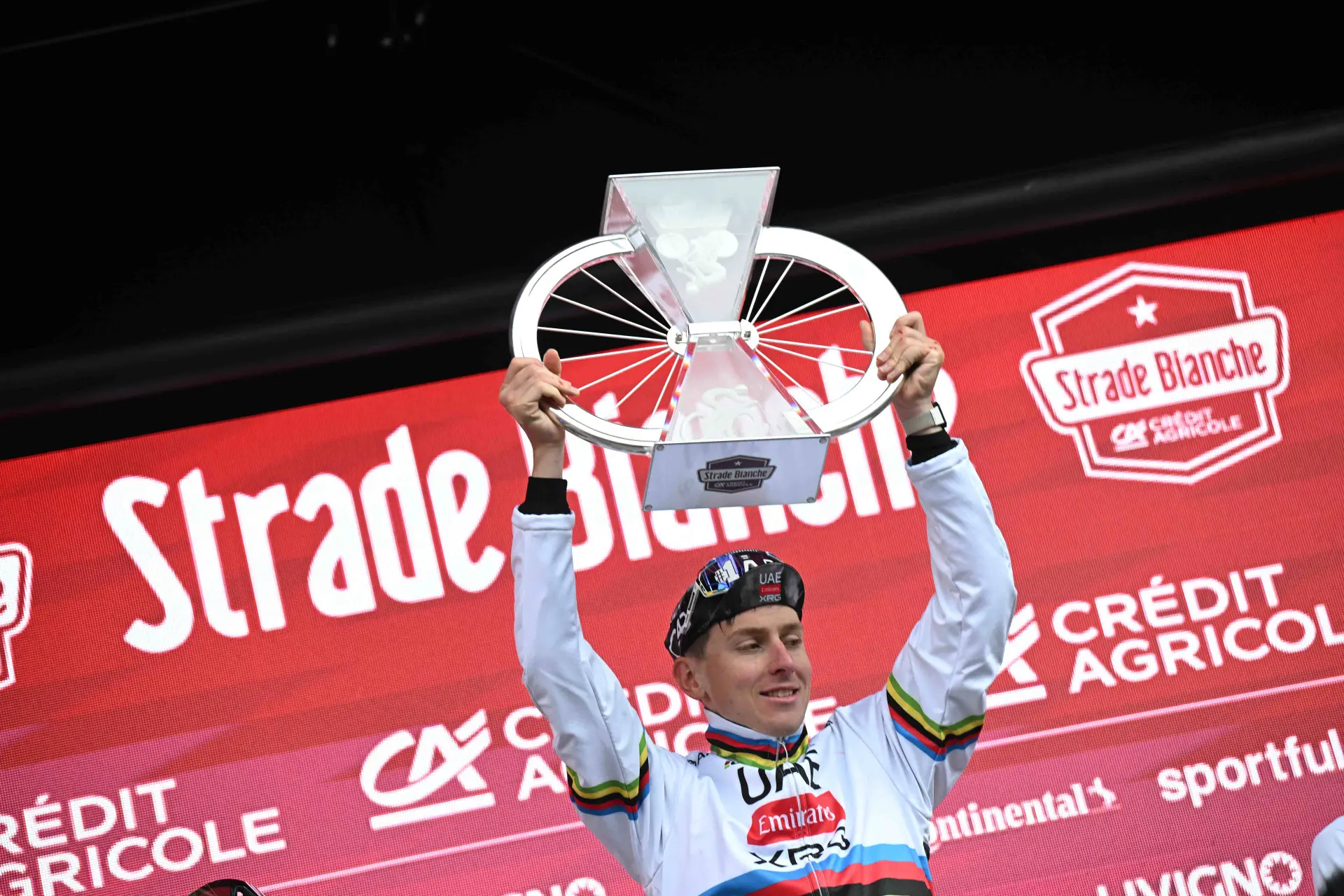
Strade Bianche is also a race that has historically suited Pogacar perfectly. “He has already won three editions and moves like a fish in water on this terrain,” Ares said, making it clear that the Slovenian starts as the overwhelming favourite to once again dominate the white roads of Tuscany.
A more selective calendar in 2026
Looking beyond this first major classic of the year, Ares believes Pogacar’s programme for 2026 appears more carefully targeted around the sport’s biggest objectives. According to the journalist, the Slovenian has reduced his early season schedule in order to arrive fresher for the biggest races.
“If nothing changes, Pogacar will only ride five classics in addition to Romandie and Switzerland,” Ares said, interpreting the plan as a clear strategy aimed at peaking for the most important events on the calendar.
Among the challenges that could be on Pogacar’s radar this season are several of cycling’s biggest one-day prizes. “He wants to finally try to beat Van der Poel in Paris-Roubaix, add another victory at the Tour of Flanders and continue extending his dominance in Lombardy,” Ares explained.
The World Championships are also expected to be a key target.
According to the commentator, the logic behind the schedule is simple. “You can no longer afford to distract yourself or exhaust yourself psychologically in too many battles.”
The young riders hoping to challenge him
Another major storyline at the start of the season is whether the new generation of riders can begin to challenge Pogacar’s dominance. Ares highlighted several emerging talents who are trying to establish themselves among the sport’s elite.
“There is enormous interest in seeing the competition that we did not really see last year,” the journalist said, suggesting the 2026 season could bring more balanced duels between cycling’s biggest names.
Among the riders generating particular excitement is the young French talent Paul Seixas. “We are all very eager to see what Seixas can do,” Ares said of the 19-year-old prospect. “He has all the qualities to become a superstar.”
Even so, the commentator believes the next step will be proving himself in decisive moments. “We have to see him go head-to-head when it comes to winning, not just when it comes to achieving a good result,” he added, highlighting the difference between promise and confirmation at the top level.
Del Toro’s role inside UAE
Another rider attracting attention in Ares’s analysis is Isaac del Toro, one of the most exciting young riders in the peloton and a team mate of Pogacar at UAE Team Emirates.
Ares pointed in particular to the Mexican rider’s performance at last year’s Giro d'Italia, where he left a strong impression. “He already showed that he was a rider capable of competing for overall victory,” the commentator said.
However, at Strade Bianche, his opportunities may depend heavily on team tactics. “If he is subordinated to Pogacar, his chances of victory will be zero,” Ares acknowledged.
Even so, he did not rule out an unexpected scenario unfolding. “It could be a spectacular UAE performance with two or three riders at the front,” he suggested, even raising the possibility that Pogacar might allow a team mate to take victory in certain circumstances.
Other contenders in the race
Beyond Pogacar and the emerging generation, the race also features several established contenders capable of shaping the outcome. Among them is Tom Pidcock, widely regarded as one of the most versatile riders in the peloton.
Ares recalled the British rider’s performance in last year’s race. “He was the rider who stayed with him until the end,” he said of Pidcock’s ability to follow Pogacar deep into the race.
The analysis also included Wout van Aert, who returns to competition after a challenging period.
“He is not the Van Aert of five years ago, we all know that,” Ares admitted, although he quickly stressed the Belgian remains a serious contender. “He deserves the respect of being considered one of the favourites,” he added, noting that races like Strade Bianche can often be influenced by punctures, crashes or mechanical problems.

Wout van Aert trains on the gravel ahead of Strade Bianche 2026
A race that continues to grow
Beyond the riders themselves, Ares highlighted the unique appeal of Strade Bianche within the modern cycling calendar. Despite being relatively young compared with many historic classics, the race has quickly become one of the sport’s most anticipated events.
“It already has 19 years of history and has established itself very quickly on the calendar,” he said.
The route retains the defining elements that have shaped the race since its creation. “It is 203 kilometres long with the decisive sectors concentrated in the final fifty kilometres,” Ares explained, pointing to the gravel sectors and sharp climbs that regularly decide the outcome.
The dramatic finish in Siena also adds to the spectacle. “That cobbled climb on Via Santa Caterina up to Piazza del Campo is a fantastic bonus when two or three riders arrive together,” he said.
A modern classic
According to Ares, the influence of Strade Bianche now extends far beyond the race itself. Its success has inspired other organisers to introduce similar gravel sectors into their own events.
“It is a formula that is already being copied in other races,” he explained, citing examples from France, Belgium and Spain.
For the commentator, innovations like this help maintain excitement around road cycling. “It adds another ingredient to road cycling.”
With Pogacar returning to competition and a new generation eager to test themselves against the sport’s dominant figure, Strade Bianche once again opens the spring classics season with one central question still hanging in the air: discovering “what reference point all those young riders have in relation to the untouchable Tadej Pogacar.”
Kieran WoodDeputy Editor-in-Chief
Kieran Wood is a sports journalist based in Wales and has been active in journalism since 2022. He regularly contributes to DartsNews.com and CyclingUpToDate.com, where he covers professional cycling and darts. In cycling, his work includes liveblogs from major races, including the Tour de France, the Giro d’Italia, and La Vuelta a España, alongside race reports and analysis. He has also conducted interviews with professional riders.
His reporting spans the full racing calendar, from one-day classics to stage races, with a focus on accurate, real-time coverage and clear contextual analysis. For statistics, results, and historical context, he regularly uses resources such as ProCyclingStats. To support reporting on rider activity and training context where relevant, he also references Strava.
In his work, Kieran places strong emphasis on careful sourcing, editorial accuracy, and updating articles as new, verified information becomes available.
claps 1visitors 1
Just in

Popular news
Latest comments
- He didn't even try to sprint all outvappaxbipmv18-10-2026
- Campenaerts looked like a rolling pumpkin with that all orange leaders skinsuit !frieders318-10-2026
- He can take his dumb a$$ politics somehwere else !frieders318-10-2026
- good to have her back. fingers crossed she‘ll be able to stay!Ketterechts17-10-2026
- A tenner and he wins the Tour next year, too 😂anonymouscyclist17-10-2026
- the answer is either stick to classics or GTs but not bothabstractengineer17-10-2026
- the exodus already stared with Ciccone. Already they were struggling with two sprinters, now there are three. Also Ganna will demand leadership. Gall is the most proven GC, Ayuso has the most potential. GC leadership for everybody will be impossible. Literally a UAE style mess without pogi.abstractengineer17-10-2026
- I raced as an amateur for 12 years, including six years on my country’s national road cycling team. I secured two national titles and competed in three World Championships plus more than 15 international stage races. At 23, we travelled to Italy for a training camp—or so I assumed. On a rest day, we watched a presentation about adopting a more “professional” training approach. It was crystal clear what “professional” meant. That moment first exposed me to this dilemma. After returning from Italy, I left cycling—at least at the competitive level I had known. Over the following two years, the whole team was caught doping. I hold that everyone is innocent until proven guilty. In my view, current stakeholders operate on a different scale, and the sums involved are vast. I am unsure whether any doping would ever be revealed. I try to stay positive and enjoy the show. My 2c.
 vannpelt17-10-2026
 - Fiver he wins 🤣
 leedorney17-10-2026
 - “…measures to reduce speeds.” Might as well shorten the race course to just 50km as well? ASO generates at minimum €300m a year and 30- 40% profit. Maybe stop being greedy and spend more of the profit to protect the riders instead.b3tlla17-10-2026
Loading
Write a comment