“We’ve got one more week left” - Dylan Groenewegen rues lost opportunity but remains hopeful of Giro sprint win
Cycling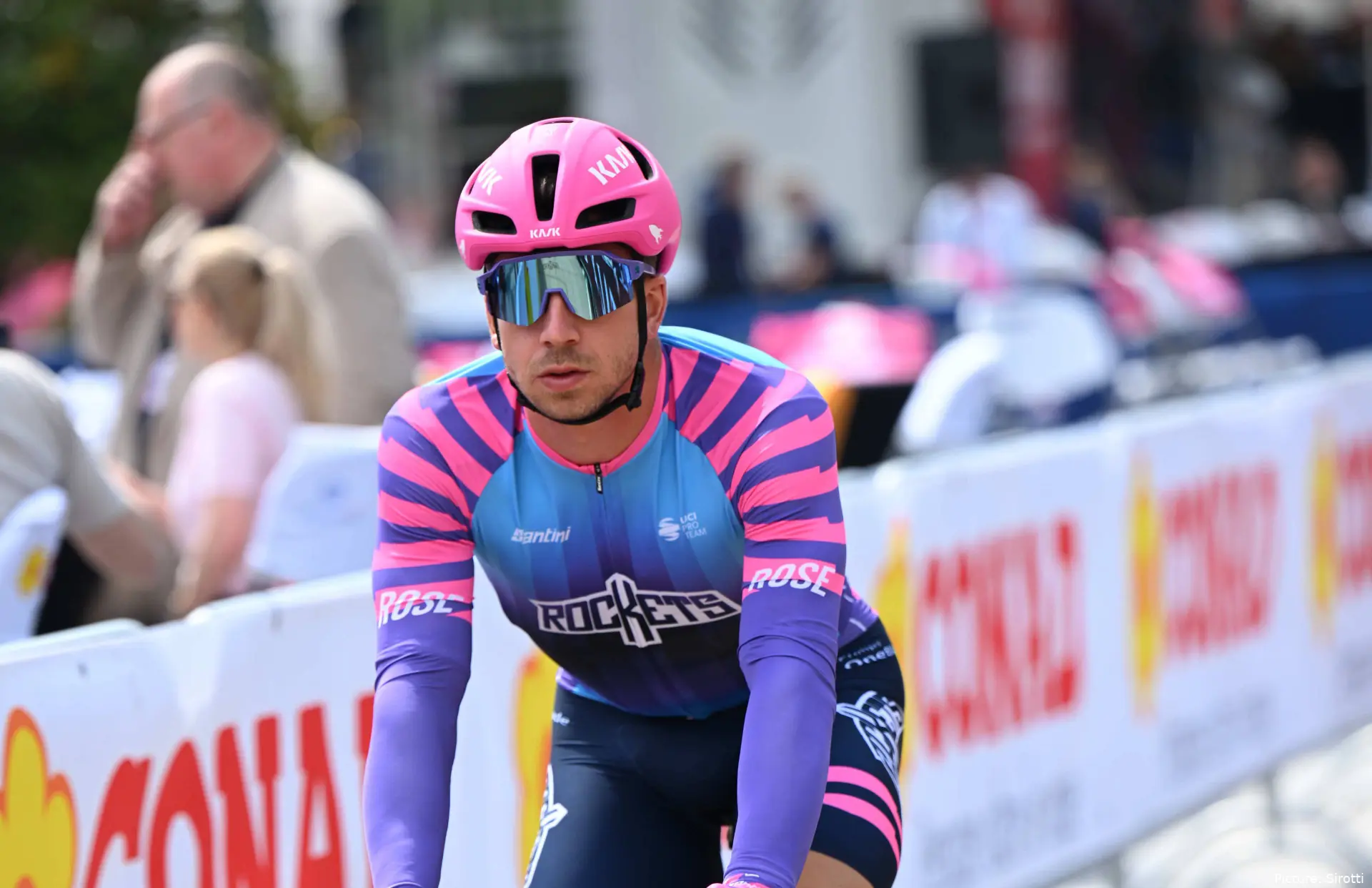
Stage 15 of the Giro d’Italia 2026 left a bitter taste for Unibet Rose Rockets and especially for Dylan Groenewegen. The Dutch team was among the most active throughout the chase of the break, but the collective effort wasn’t enough to stop the win from going to the escapees.
Groenewegen crossed the line in sixth (second from the peloton behind Paul Magnier) after a reduced sprint shaped by the huge fatigue accumulated on a day raced at full tilt. The Dutchman admitted the outcome was far from what the team had envisioned at the start.
“It’s not what we expected,” he told Cycling Pro Net. The plan was clear from the gun: control the stage and fight for a bunch sprint. But a break packed with powerful riders held on to the end.
“I wasn’t wrong; the break was up the road,” Groenewegen explained, adding he may have launched his sprint “a bit too early.” Even so, he stressed that every fast man in the bunch was on the limit: “I think everyone was at the max".
Read also
A fruitless chase
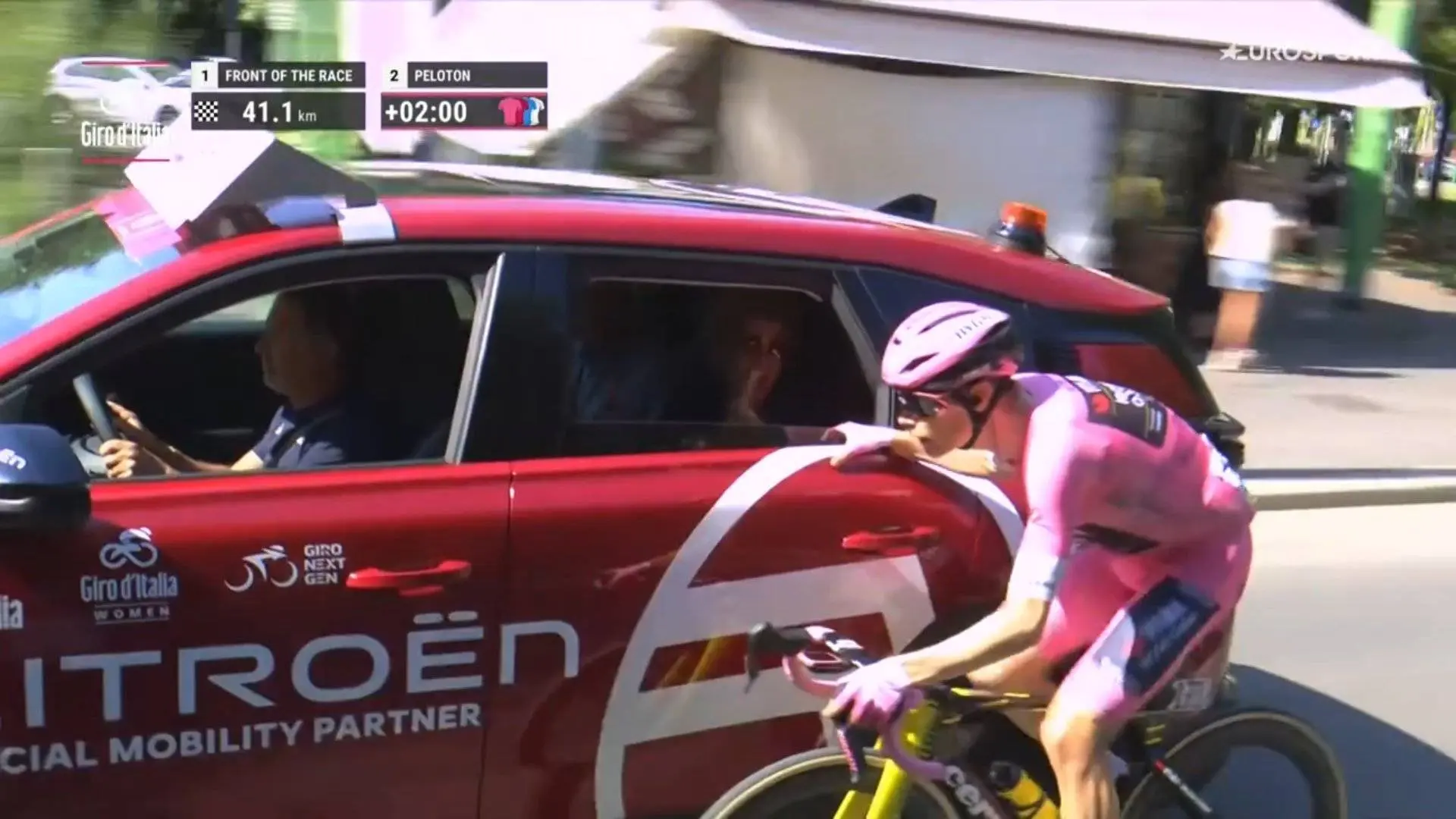
The big question in Milano was how a breakaway survived on a pan-flat stage seemingly drawn up for the sprinters. Groenewegen said the sprint teams worked all day, but it simply wasn’t enough to close the gap.
“We tried, but we didn’t make it,” he said. “We came up short.”
Unibet Rose Rockets took on much of the workload in the chase and emptied almost the entire team trying to cut the leaders’ advantage.
“We put the whole team on the front,” the Dutchman explained. He also credited other major blocks in the peloton. “I think many teams did as well: Lidl–Trek, Soudal Quick-Step…”.
The issue, however, was that the break never lost speed. “The break was too strong,” Groenewegen admitted.
His analysis went beyond pure tactics and pointed to the accumulated fatigue after two weeks of a Grand Tour. The Giro is starting to take a toll even on the peloton’s most powerful specialists.
“Everyone was out of energy,” he noted. “The engines are tired at this point.”
Third-week fatigue arrives early
Groenewegen described an especially demanding stage due to a mix of factors: heat, relentless speed, and the toughness of the Milan city circuit.
“It was pretty hot too,” he said. That added to the wear from previous days and the constant tension of the final urban laps.
“The local laps make it quite hard, and the last days make it even tougher,” he commented.
The stage turned into an endurance test closer to an explosive classic than a traditional Grand Tour sprint. Despite missing the main objective, the Dutchman made it clear he has no complaints about his team’s work.
“Today we did everything we could,” he said. “That was the maximum.”

Dylan Groenewegen at the Giro d’Italia 2026
A different take on the circuit controversy
One of the day’s big talking points was the controversy around the final Milano circuit. Several riders criticized the road surface, cobbles, tram tracks, and the course’s risk, to the point that the organisers neutralised GC times before the final lap.
Groenewegen, however, distanced himself from those complaints and offered a much more positive view of the route.
“For me it was beautiful,” he said when asked if he had felt in danger during the closing laps.
Far from sharing the concern voiced by others, the Dutch sprinter said he particularly enjoys this kind of urban finish.
“I love the local laps,” he said. “They’re beautiful with the crowd.”
He also praised the atmosphere created by the fans on the streets of Milan and the fact the stage was raced in good weather.
“Luckily we had good weather,” he added. “I have nothing to complain about.”
His comments stood in stark contrast to statements from other riders in the peloton, who had called for immediate changes to the stage as they perceived heightened risk on the circuit.
Read also
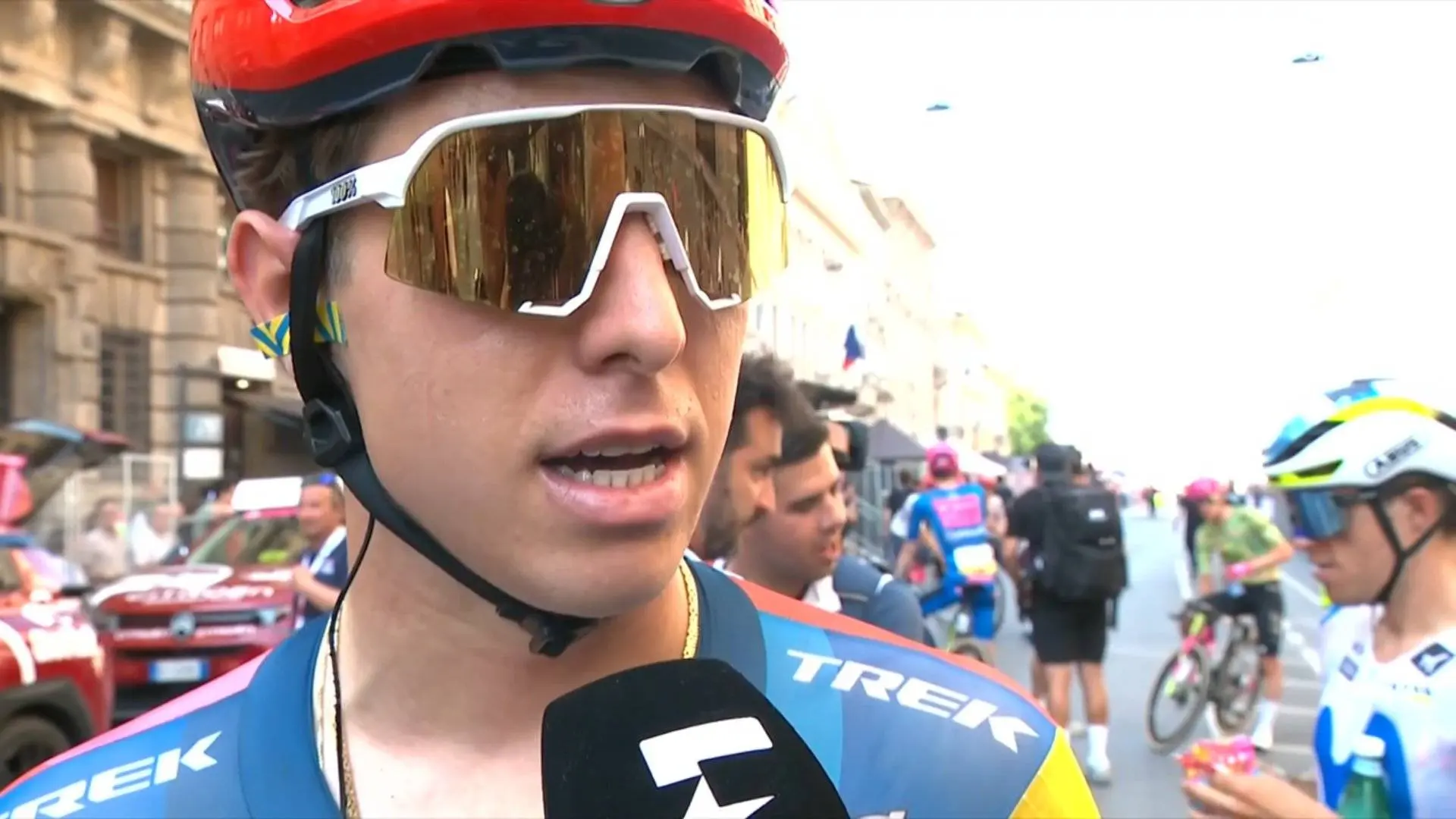
Rome already on the horizon
After another missed chance in a bunch finish, Groenewegen is inevitably looking to Rome as one of the last big opportunities for out-and-out sprinters in this Giro.
Asked directly whether the finale in the Italian capital represents the last bullet for him and Unibet Rose Rockets, the Dutchman widened the focus and noted the team still has other goals in play.
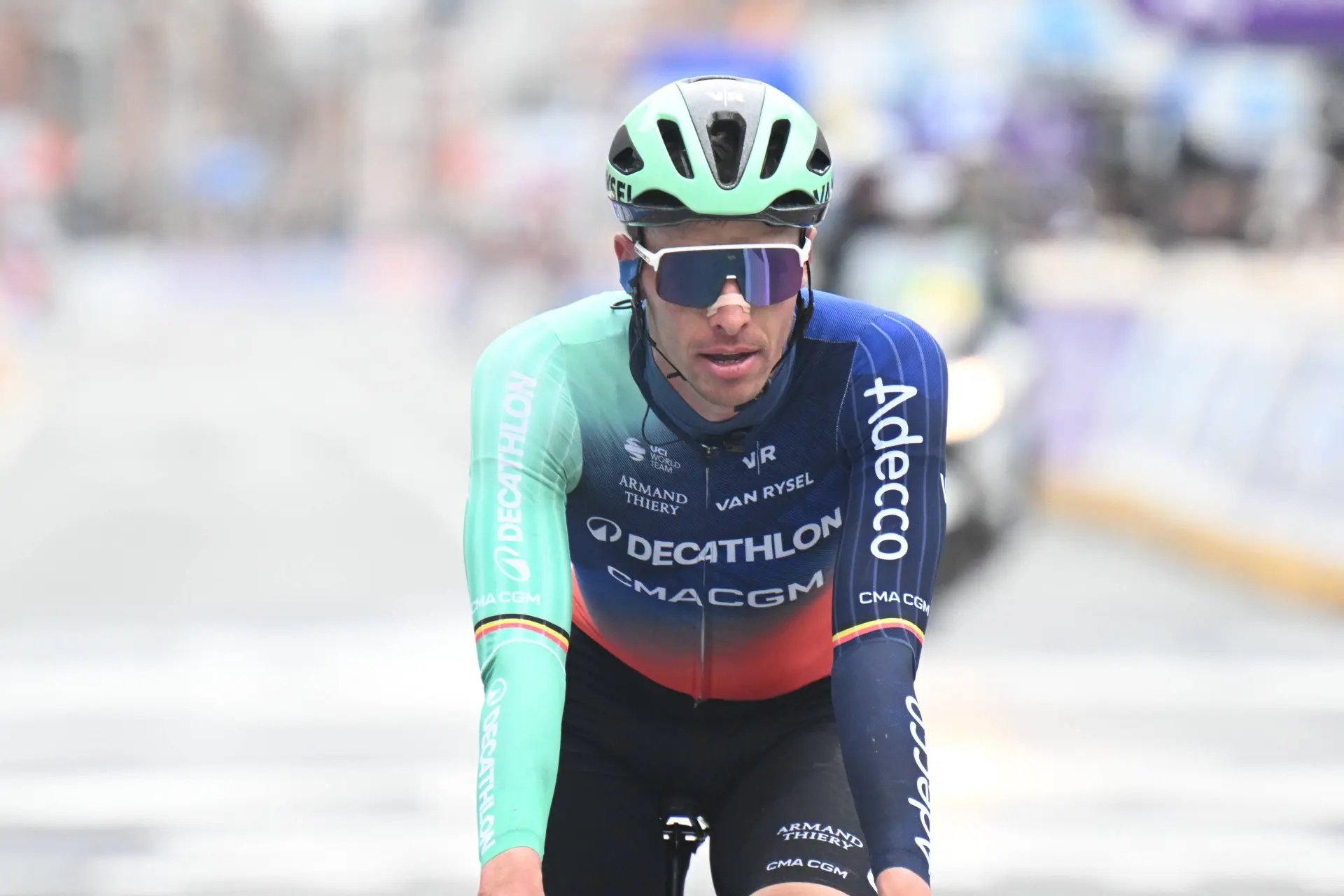
“We have one more week,” he said. “We also have Wout Poels, we have Lukas Kubis…”.
When the conversation turned back to his personal sprint chances, Groenewegen did concede Rome looms as a key opportunity.
“Maybe Rome, yes, we’ll see,” he replied.
He did so with notable calm, far from any anxiety about not having won yet at this Giro. Asked if he felt pressure, his answer was instant.
“No,” he said. “I already had that before at the Tour de France.”
Rúben SilvaEditor-in-Chief
A founding contributor to CyclingUpToDate since its launch in January 2022, Ruben Silva has played a central role in shaping the site’s editorial direction and long-term growth. Before joining the project, he built his experience through independent blogging at Echelons Hub and by producing race previews for Ciclismo Internacional, developing a strong analytical voice rooted in daily engagement with professional cycling.
Beyond editorial work, he has been closely involved in the expansion and coordination of CyclingUpToDate’s wider network, helping establish and support sister platforms across multiple languages. This includes ongoing collaboration with CiclismoAlDia (Spanish), CiclismoAtual (Portuguese), WielrennenUpToDate (Dutch), and RadsportAktuell (German), contributing to a shared editorial vision and consistent international coverage.
He also helps oversee editorial governance across the network, setting standards for accuracy and consistency and coordinating updates or corrections when needed.
Originally from the Porto metropolitan area in Portugal, he holds a bachelor’s degree in Geography. His path into cycling journalism was shaped not through formal media training, but through independent reporting, community engagement, and sustained on-the-ground involvement in the sport.
Over the course of his career, he has conducted approximately 100 interviews across road cycling and cyclocross, ranging from one-to-one conversations and online formats to press conferences and on-site pre- and post-race coverage. His interviews include leading riders, team managers, and prominent figures within cycling media: Tadej Pogacar, Jonas Vingegaard, Mathieu van der Poel, Primoz Roglic, Wout van Aert, Joao Almeida and Tom Pidcock; managers like Patrick Lefevere and Joxean Matxin; and YouTube personality Bryan Kennedy (BKXC)...
Within 18 months of launch, he helped grow CyclingUpToDate’s English-language platform into one of the most-read cycling news websites, built entirely from the ground up. As both a professional journalist and lifelong cycling enthusiast, his focus remains on delivering accurate, timely, and well-contextualized coverage.
claps 3visitors 2
Just in
Popular news
Latest comments
- “…measures to reduce speeds.” Might as well shorten the race course to just 50km as well? ASO generates at minimum €300m a year and 30- 40% profit. Maybe stop being greedy and spend more of the profit to protect the riders instead.b3tlla17-10-2026
- he also had quite the life off the bike during his pro years. he used his celebrity status to full affect.mij17-10-2026
- Nairo and Froome’s battles were great.mij17-10-2026
- I think it is a good sign to have only signed a couple of riders. it shows their system is working - retention of their own riders and using their development squad. As for retention of their own riders, they won a GT, a monument, they took a points jersey in another GT. They have a U23 WC. They have multiple one day and one week race wins. Keep the core. Their development squad has delivered fantastic results. And for all the talk of Vismas decline, their culture must be amazing since no one signed elsewhere. That is a very GOOD sign.mij17-10-2026
- Why is it beyond people's intellectual capabilities to stop accusing others of doping without proof? How are we supposed to live in a world where suspicion is evidence of guilt?This is pure infantile asinine nonsense.
 Brucegel17-10-2026
 - is that the standard for sharing thoughts here?OCexile17-10-2026
- If he was less brilliant than usual at the Tour, then I don't even want to imagine his 'usual' level of brilliance.Cooldude17-10-2026
- ok, i take back my wish. you’re right, i didn’t stop to think about how much i was damaging the sport. that was a close one. sometimes i forget how much power i wield and how capricious i can be…OCexile17-10-2026
- Reducing speed is not something that can realistically happen. This is all just a smokescreen for avoiding talking about the real solutions, such as airbags. A comparison to a more binary sport such as rock climbing (not free solo) would show this: Saying "go slower" is the same as "do easier climbs" Saying "use airbags" is like "use better harnesses"...
 Rafionain-Glas17-10-2026
 - Globalisation of pro cyclingRafionain-Glas17-10-2026
Loading
Write a comment