
After ten straight stages of racing, the 2025 Tour de France
finally hits its first rest day, and it comes after an atypical stretch.
Instead of the usual nine-day block, organisers opted to extend to ten,
ensuring Bastille Day featured a marquee stage.
It’s been a lively opening act, packed with explosive
efforts from classics specialists, punchy terrain, and of course, the
ever-present threat of Tadej Pogacar, who remains a danger on every kind of
road. But perhaps most notable has been the resurgence of Mathieu van der Poel.
For the first time in four years at the Tour, the Dutchman appears to be
enjoying himself.
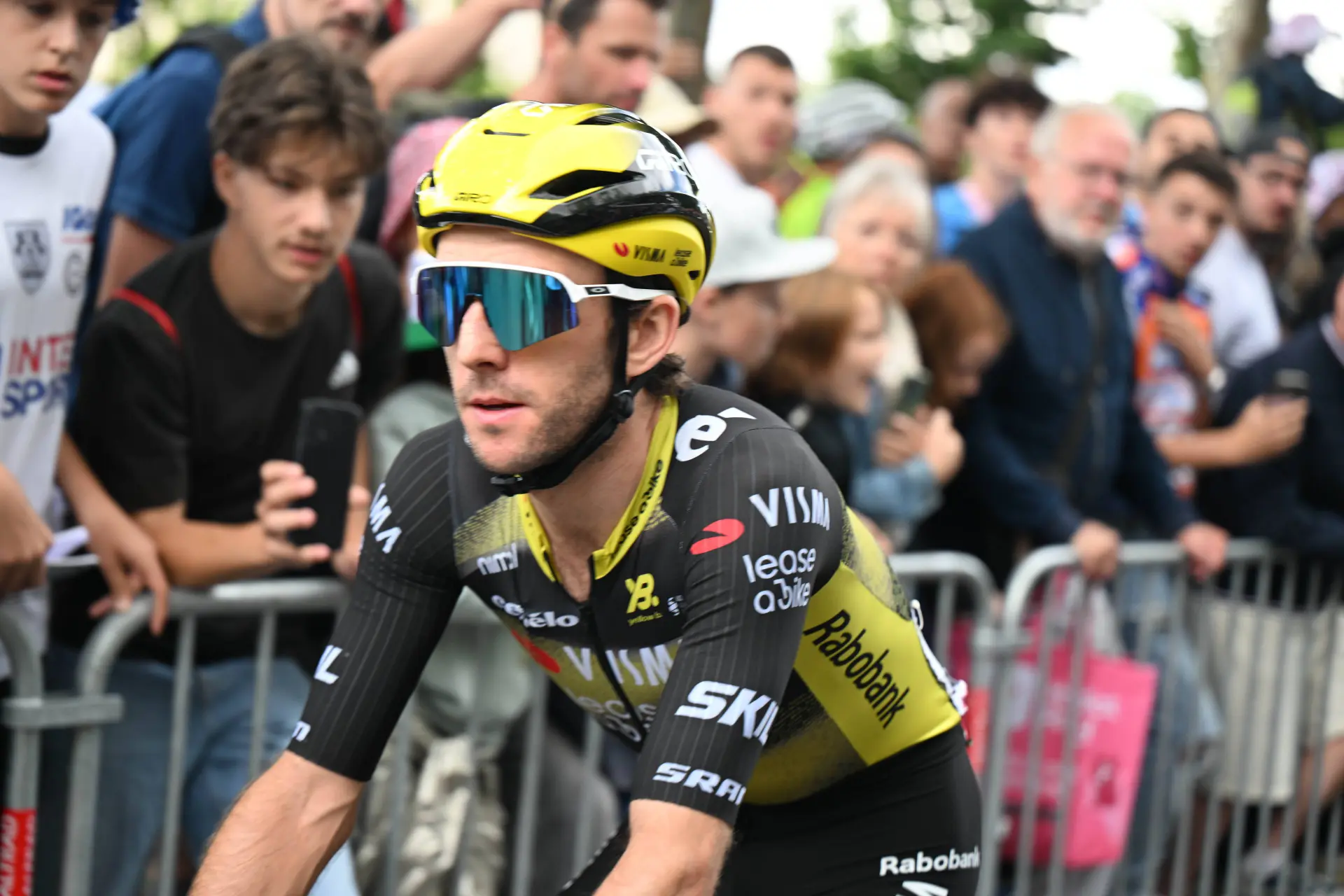
Van der Poel has said in the past that there is nothing
really for him at the Tour. This time, it’s a different story.
ASO’s Thierry Gouvenou, the man behind the route, is content
with how it’s all unfolded. “We are very satisfied,” he told Algemeen Dagblad.
“There were huge crowds everywhere, and we've heard enthusiastic reactions.
We're happy with how things have gone so far.”
Much of that comes down to how the stages were designed. “We
knew we had nine days on the flat, and we had to find something to avoid too
many bunch sprints,” Gouvenou explained. “Last year there were eight or nine
stages for sprinters. We evaluated that, and it was too many.”
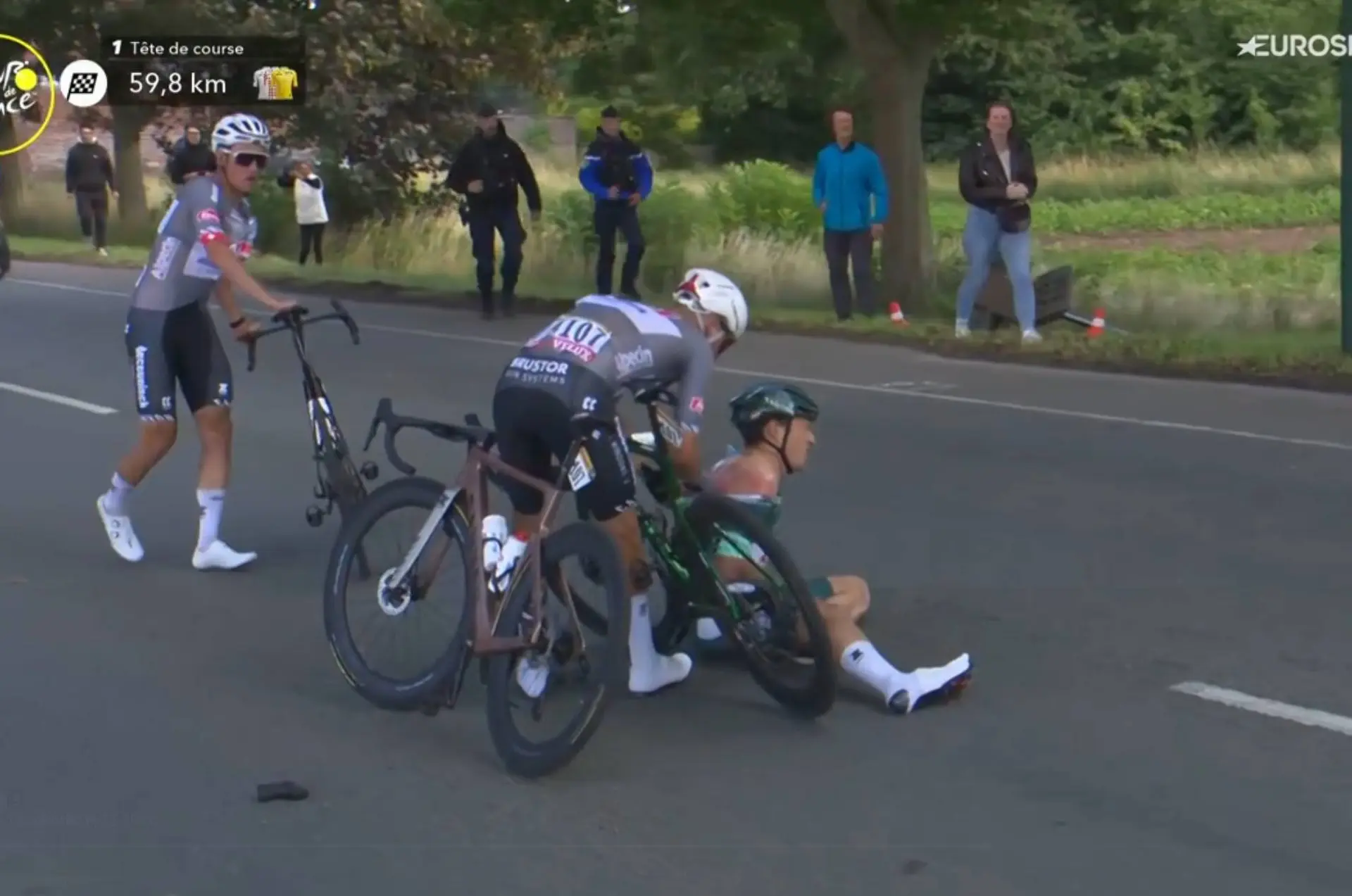
The result? Fewer pure sprint finishes, more variety.
“Peace sprints are even more monotonous than before, because
the peloton blocks. Teams don't want to attack anymore because they know it's
pointless,” Gouvenou said. “Now there are five or six opportunities for the
sprinters, and I think that's a good thing.”
Still, it wasn’t all perfect. The race lacked a proper
mountain stage over the weekend, something Gouvenou would have preferred. “It
could have been better, because we prefer the tough mountain stages on the
weekend, but that didn't work out this time.”
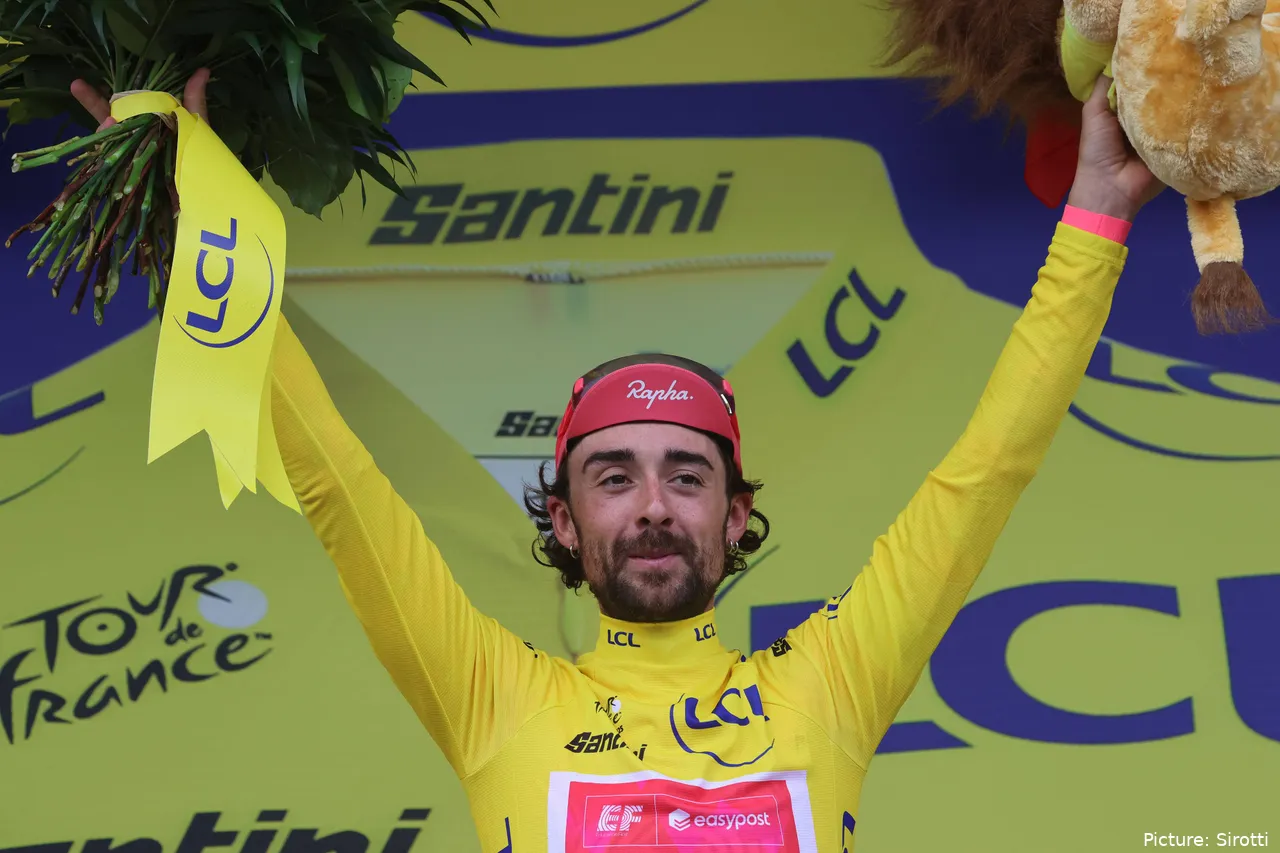
Ben Healy leads the Tour after 10 stages
But the Bastille Day stage, won in dramatic fashion by Simon
Yates with Ben Healy taking yellow, delivered. “We did have a nice stage on the
French national holiday, the Fourth of July, which is very important in
France.”
Even with careful planning, Gouvenou knows there are limits
to what any race designer can control. “Even if I ever thought the Tour route
was ideal and we were to organize the Tour ten times, it wouldn't be a great
race ten times,” he said. “Because so many factors play a role: the weather,
the teams' tactics, the riders' willpower, and the presence of the top riders.
I can't control everything.”


Fin MajorCycling Journalist
Fin Major is a UK-based writer at CyclingUpToDate and has been part of the team since 2024. He is the site’s main writer for FAQs and evergreen explainers and has written around 2,000 pieces for the platform. Alongside this work, he focuses on in-depth analysis and covers the biggest races on the calendar, including the Tour de France, the Giro d’Italia, and La Vuelta a España, providing clear context around performance trends, tactics, and key storylines.
In his reporting, Fin uses reputable data sources such as ProCyclingStats for results, statistics, and historical context. He places strong emphasis on careful sourcing, editorial accuracy, and updating articles promptly when new, verified information becomes available. Outside of writing, Fin is an active cyclist, which supports his practical understanding of the sport and its demands.
claps 0visitors 0
Just in
Popular news
Latest comments
- The article makes it sound like a great thing and something to be applauded. The reality is is gives the Americans another 6 years to fleece European cycling fans or force them to hunt around Europe with VPN’s for free feeds. Not something to be celebrated in my book. Before someone points out that coverage of this depth costs money, yes, I agree but not £30+ per month a fee I will wager will gradually increase now this deal has been cemented.Paul53119-10-2026
- Great. Thrilled. (Satire) Oh, how I miss the days of GCN. Still wear my GCN hoodie with pride.anonymouscyclist19-10-2026
- You could also look at it another way. How many riders have had better or more consistent results since the Tour?Jumpyjohn19-10-2026
- Whilst I love Tadej (and Remco, who deserves to be mentioned here, too), @JumpyJohn makes a valid point, and he isn’t wrong @MajorPayne. It is a fact that today’s official broadcasters of cycling struggle to keep our attention once the likes of Tadej (or Remco) attacks at ~80km or so. In the 142nd issue of Rouleur, Ned Boulting reflects on the often stressful paradox of commentating on a race that is effectively over before the broadcast window even hits its stride. In this edition, he centres on Remco’s 1hr solo at the Challenge Mallorca this year, and captures the panic and dread shared by the commentators when a dominant rider kills off the racing tension early. I recommend you read it, it’s a fascinating insight into the world of commentary, and the true viewing figures of today’s cycling. I must add here, I love Tadej and Remco, but I would be lying if my heart rate wasn’t higher when watching the World Championships this year. And I’m sure Rob Hatch would say something akin regarding his commentary!anonymouscyclist19-10-2026
- The shattered women’s marathon record was clean and highly surprising and then a few months later the athlete was very positive in another test for something not taken by mistake when recording far less impressive results. Sounds to me like the problem is still the age old one, detection is often way behind. Just like with crime, it’s not because you can’t catch the criminals that you aren’t aware of the crime.Jumpyjohn19-10-2026
- Listen, you have a point but on the other hand in cycling, once some of the riders go solo and build a minute’s gap, there’s hardly any action left to watch. Cycling is definitely not for today’s generations of accelerated viewing. Other people find skydiving or chess exciting but you can’t force everyone to feel the same.Jumpyjohn19-10-2026
- That’s a funny one. Yeah obviously he’s more aero than some but most of the aero effect at elite level is the bike. Now you have me starting to feel sorry for the guy behind him when he pulls a groupetto.Jumpyjohn19-10-2026
- Knew a World Tour promotion was coming for Ben this season. Thrilled for him, and can't wait to see what he can do at this level. Another one to watch at the TTs.anonymouscyclist19-10-2026
- It honestly breaks my heart to see this. I had a feeling this might happen over the last few years, but I kept praying it wouldn't, and that Joey would find his niche, especially back racing alongside his brother. After growing up racing alongside PH-MAS, the Pidcock brothers have always felt like one of our own, as we’ve watched them grow from Club level all the way up to PC and WT. I wish Joey nothing but the best of luck in whatever he does next, but selfishly… I do wish for him to move into the role of Q36.5 team staff.anonymouscyclist19-10-2026
- Predictable, sure! But boring??? OMG! Was Mike Tyson predictable and boring in his prime? Air Jordan? Schumacher or Senna? OMG!!!MajorPayne19-10-2026
Loading
Write a comment