Visma end the suspense: Wout van Aert skips E3 Saxo Classic to focus on Flanders and Roubaix
CyclingWednesday, 25 March 2026 at 11:15
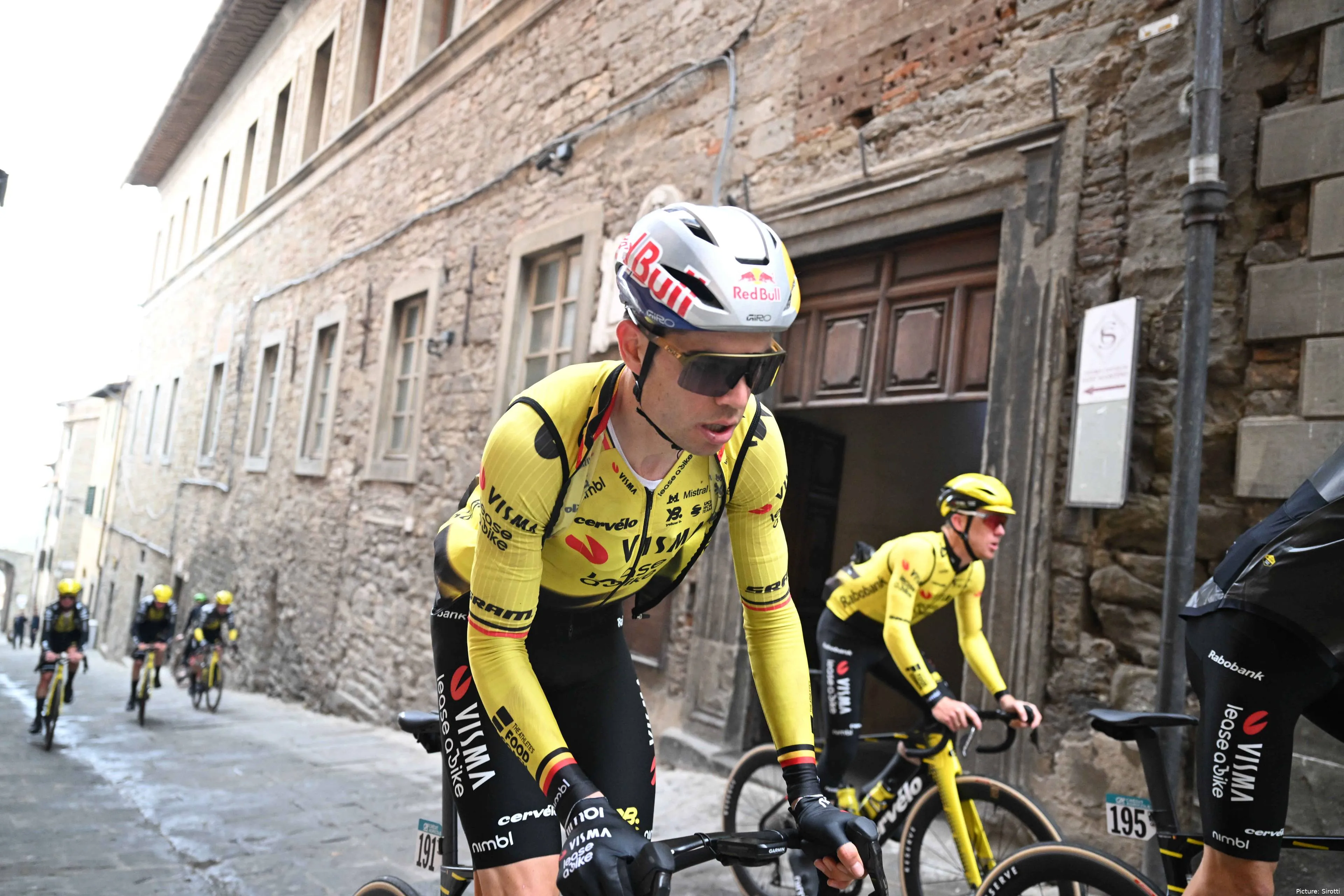
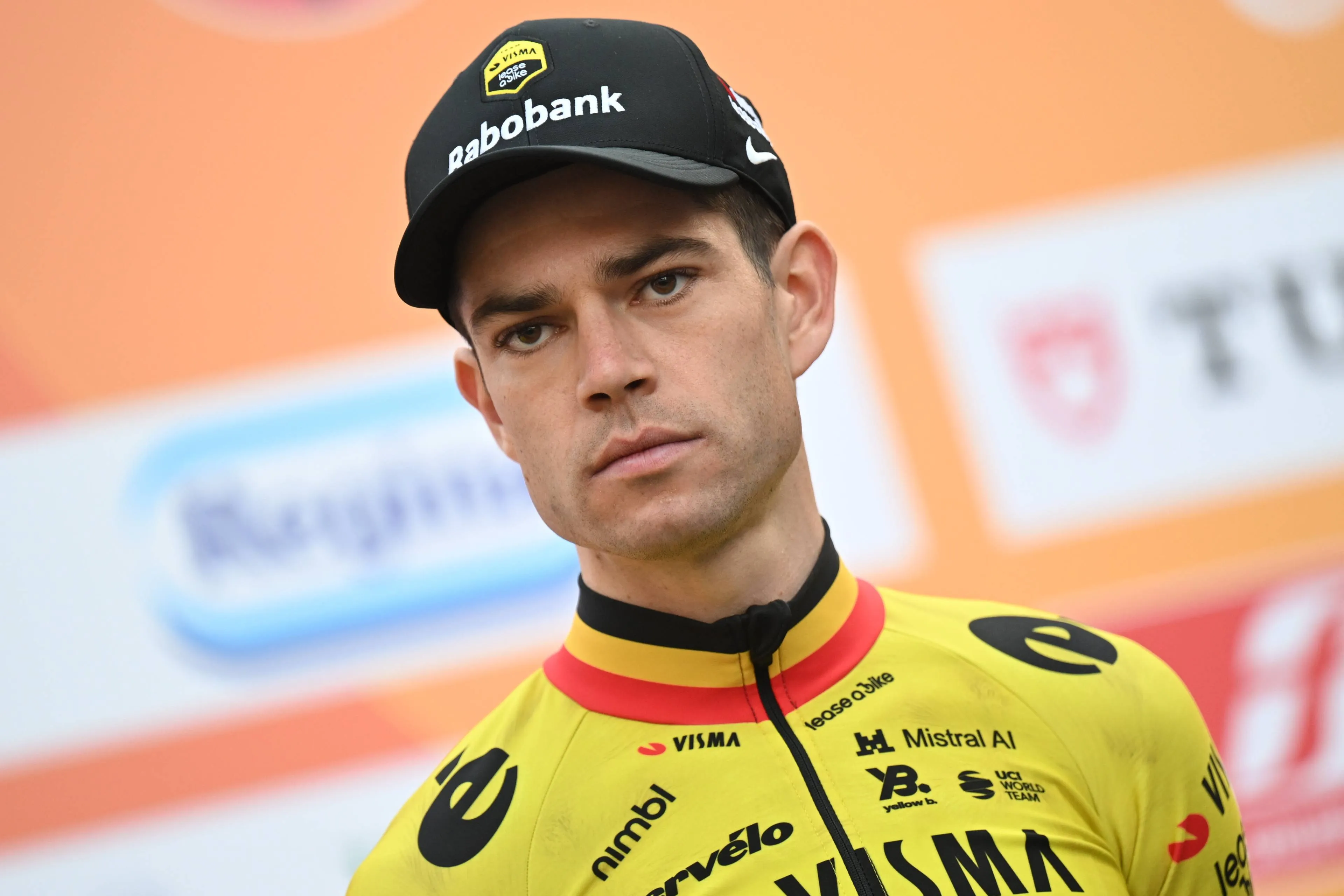
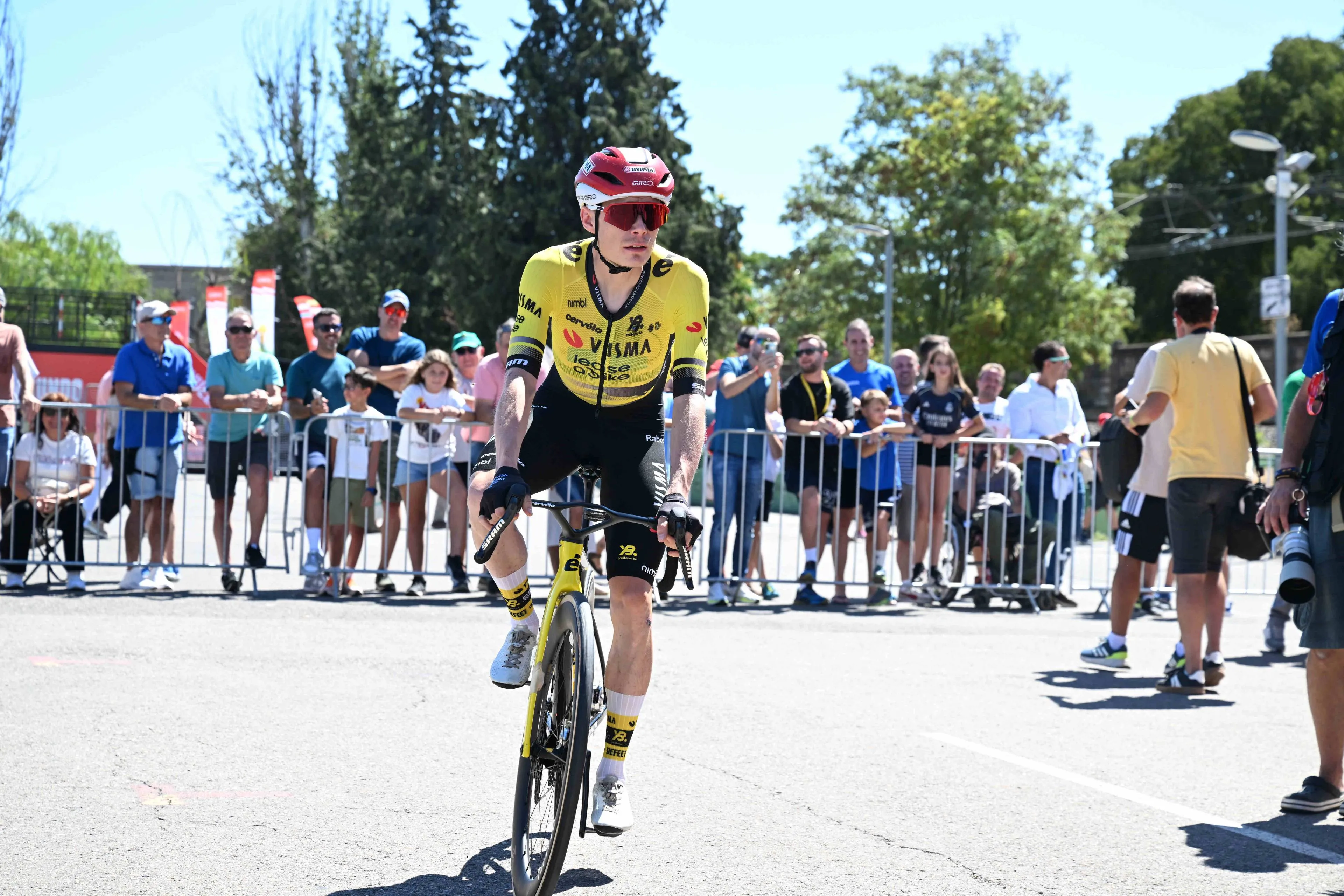
The possibility of a late change had been left hanging. Now, that door is firmly closed. Team Visma | Lease a Bike have confirmed that Wout van Aert will not ride the E3 Saxo Classic, ending days of speculation around a potential last-minute addition to his programme and underlining a clear, deliberate shift towards the cobbled Monuments.
The uncertainty had emerged in the wake of Milano-Sanremo, where Van Aert battled back from a crash to finish on the podium. With illness affecting team selection and plans still being finalised, there had been room for doubt over whether he might yet be drafted into Friday’s race. That scenario will not materialise. The original plan stands.
A calculated route towards the Monuments
Rather than adding another race, Van Aert’s build-up is being shaped around what comes next. The focus is not on immediate racing opportunities, but on arriving at the Tour of Flanders and Paris-Roubaix in peak condition.
That approach leaves little room for deviation. Including E3 would have meant sacrificing key training time at a point in the calendar where precision matters more than race days. Instead, the emphasis shifts towards controlled preparation, balancing race rhythm with the specific demands of the cobbled Monuments that define the coming weeks.
No deviation despite Sanremo momentum
Van Aert’s performance in Sanremo, achieved despite adversity, could easily have prompted a rethink. A podium finish, taken the hard way, pointed to strong underlying form.
But the decision not to race in Harelbeke shows that Visma are resisting that temptation. The plan is not being adjusted in response to short-term signals, but held steady with the bigger targets in mind. That clarity also reflects the nature of Van Aert’s spring. The margins at Flanders and Roubaix are too fine to compromise preparation, even slightly.
Responsibility shifts within Visma
With Van Aert absent, the leadership at E3 Saxo Classic passes elsewhere within the team. Christophe Laporte becomes the central figure, supported by a group built to compete collectively rather than around a single dominant leader. His previous result in the race offers a clear reference point, but the dynamic will inevitably be different without Van Aert.
For Visma, though, that is secondary. The priority has already been decided. The speculation is over. The focus is fixed. And for Van Aert, everything now points towards the races that matter most.
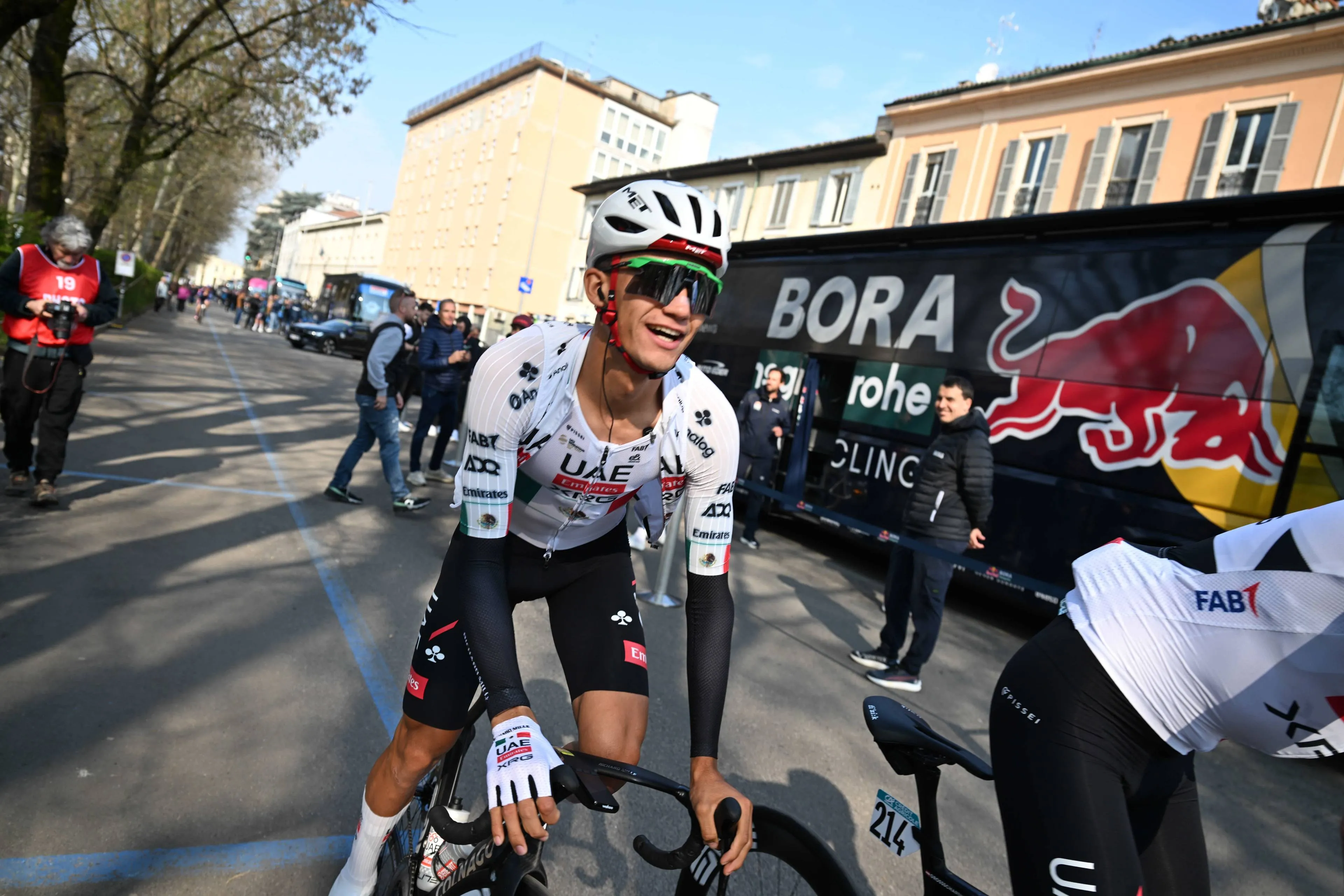
Team Visma | Lease a Bike for E3 Saxo Classic 2026
| Christophe Laporte |
| Edoardo Affini |
| Per Strand Hagenes |
| Axel Zingle |
| Filippo Fiorelli |
| Timo Kielich |
| Owain Doull |
claps 0visitors 0
Just in
Popular news
Latest comments
- Absolutely agree with Jerome Pineau's assessment. The peloton had a deer in the headlights look. No Tadej at the front and thinking what are they supposed to do now?? They had no clue. But this is the testament to how much Pogacar is in their heads...PogiFan2Day25-03-2026
- I don't think even the great Eddy Merxx has such a stat. It's really unbelievable!!.PogiFan2Day25-03-2026
- These are the words of the Dutch idol from Holland in 2024, not mine: "I fell in love with the Tour of Flanders the first time I took part. And it's the monument that suits me the best too. But everything is easier when Pogacar is not in the neighborhood." You see, Pogi destroyed MVDP for two years in his favorite race that suits him the best. Checkmate !!!Mou-Cro-HR25-03-2026
- Oh, you also hope MVDP isn't there? Do you know what the definition of hypocrisy is? For years, Pogi fans have been asking SanRemo to change the route, but Pogi haters said: Why would they change it, so Pogi can win more easily? But now these same fvckers are advocating for the Kwaremont to be removed from the Tour of Flanders. Why? To let MVDP win again, the hard way, right? How much I hate the fvcken hipocrisy.Mou-Cro-HR25-03-2026
- Yeah, it really makes no sense that Eddy Merckx shrugs off Tadej Pogacar comparisons??? He knows very well that Pogi is a better and greater cyclist from him but he will never admit it out right and honestly. We also have to know that Merckx competed against cyclists who were not all professionals... some were policemen, postmen, firemen or had some other jobs, not only cycling. The Merckx era had only 5 serious countries competing against each other: France, Italy, Spain, Belgian and Holland. One more thing, Merckx was caught doping on three occasions. So I guess, Eddy is right, there are no comparisons... Pogi is the G.O.A.T. !!!Mou-Cro-HR25-03-2026
- Us Balkans, from the Balkan Peninsula, love sports on a different level than the rest of the world. You can't understand or imagine how we feel when someone of "ours " is the best athlete of all time, but no one recognizes it, but all the fvckers know it. Then we support them even more. Pogi, Roglic, Doncic, Djokovic, Jokic and Mou are all from the Balkans...and fvcken proud of it. Capish?Mou-Cro-HR25-03-2026
- So I hear the Danish Fish is unmoved by Pogi's Sanremo brilliance (or Strade Bianche brilliance). I'd like to say only one thing to the Danish fvcker: There is one condition when I will say that someone is better than Pogi, only one, and that is when someone is on the podium of the monuments 9 times in a row... and on the podium of Tour de France 7 times in a row. I promise with my life that I will declare that person the greatest ever. But that person will never be the fvcking hypocritic fisherman from Denmark.Mou-Cro-HR25-03-2026
- That's not how it works for pros. I don't think it needs explaining. But I think one thing that is underestimated is how much pros have to work. The reason why Pogacar is still improving is not because he didn't push himself to his limit before - to be a pro you have to give 110% or you fail. It is most likely because of his natural evolution - some riders improve gradually every year [look at Lorenzo Fortunato] while others burst onto the scene and then stay at that level [Evenepoel]
 Rafionain-Glas25-03-2026
 - he lost it because he went the wrong way initially. But if he had gone between Pogacar and the barriers, then his action of going in between would have come before Pogacar's action to close him off. Therefore Pogacar would have been relegated by pushing Pidcock into the barriers. So long as Pidcock didn't actually crash, he'd have been promoted to the win. Otherwise Wout would have got it [my preferred outcome]Rafionain-Glas25-03-2026
- I hope Mathieu isn't there thenRafionain-Glas25-03-2026
Loading
3 Comments