"Vingegaard and Pogacar aren't lying awake at night because Seixas is riding the Tour de France" - Danish legend plays down Paul Seixas' Maillot Jaune X-Factor
Cycling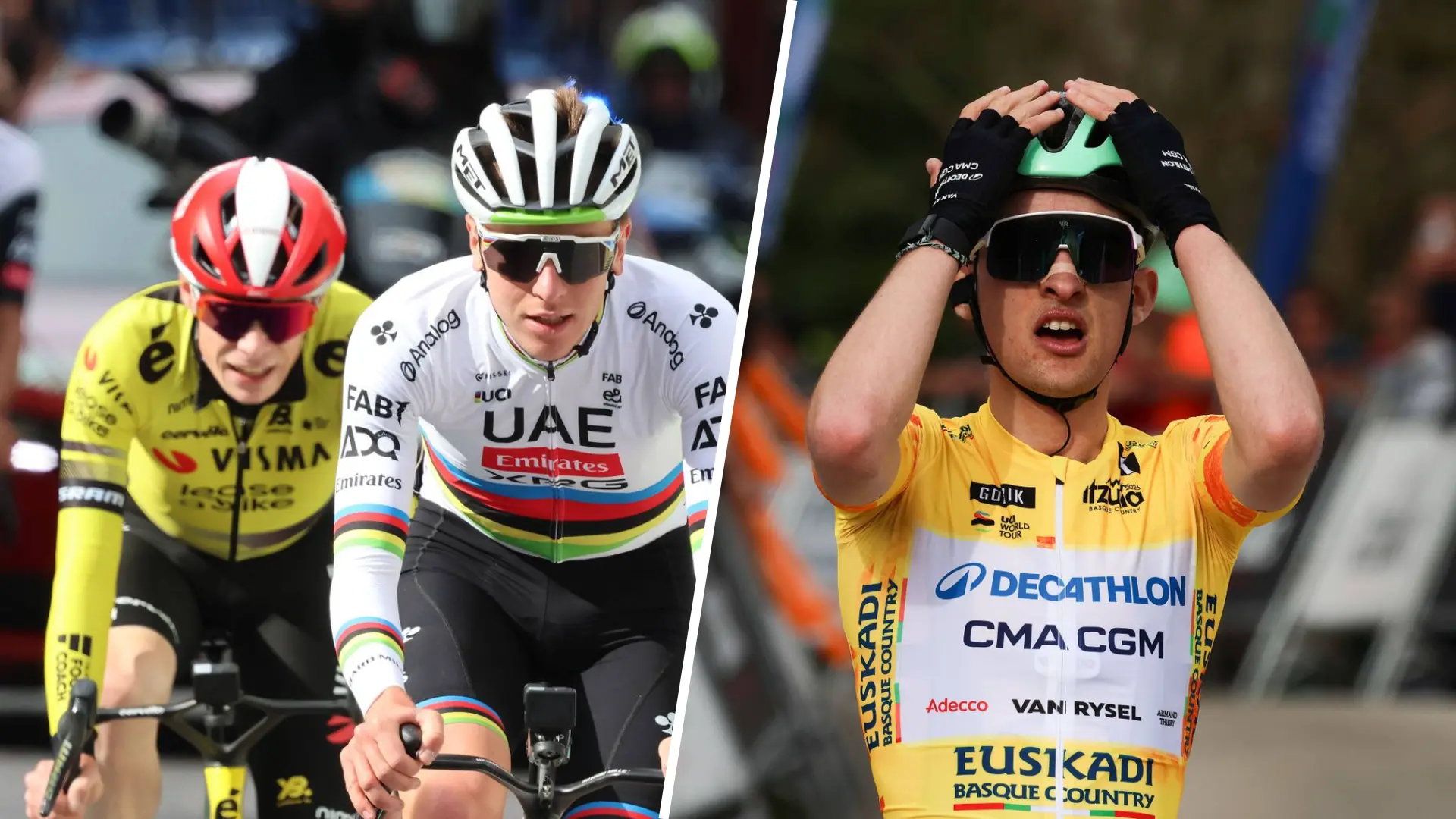
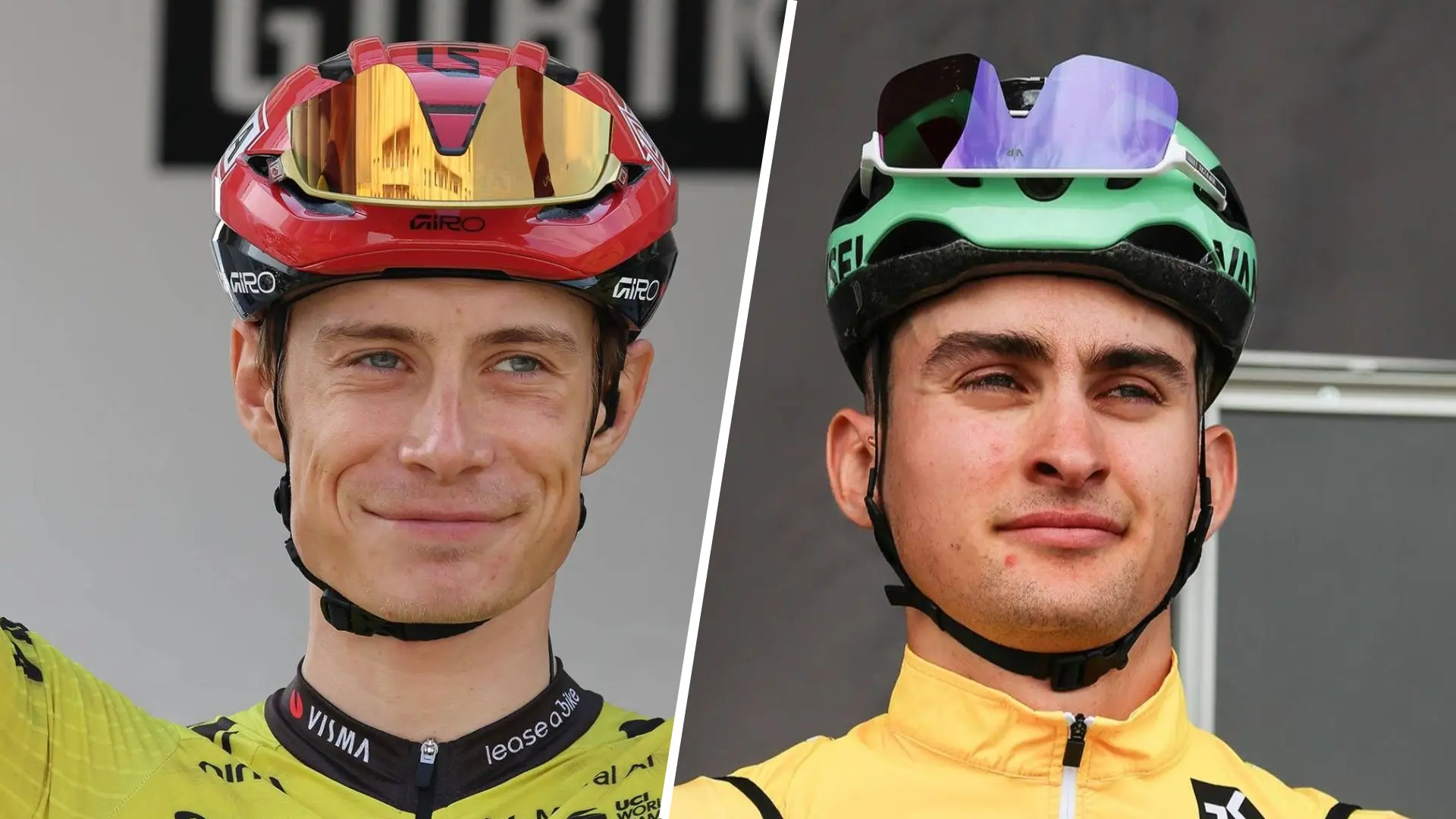
The arrival of Paul Seixas at this summer’s Tour de France is already beginning to reshape the conversation around the race, with some viewing the 19-year-old as a potential disruptor to the sport’s established hierarchy after a remarkable breakthrough season.
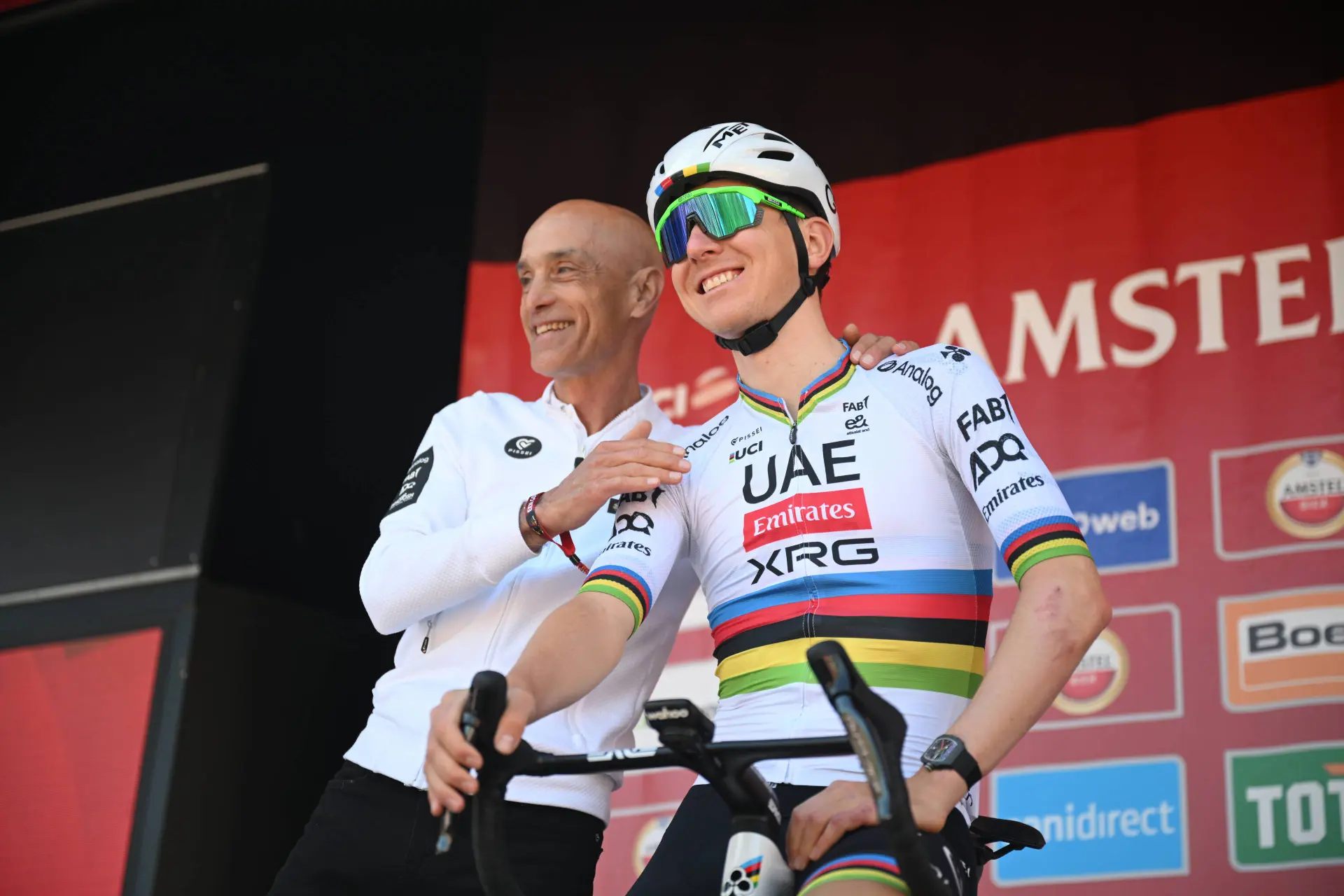
But while Danish cycling great Rolf Sorensen believes Seixas is already strong enough to influence the dynamics of the Tour, the former Tour of Flanders and Liege-Bastogne-Liege winner stopped short of placing the Frenchman alongside Tadej Pogacar and Jonas Vingegaard as a genuine yellow jersey favourite. “Vingegaard and Pogacar are not lying awake at night because he is riding the Tour,” Sorensen explained in his analysis for Danish broadcaster TV2.
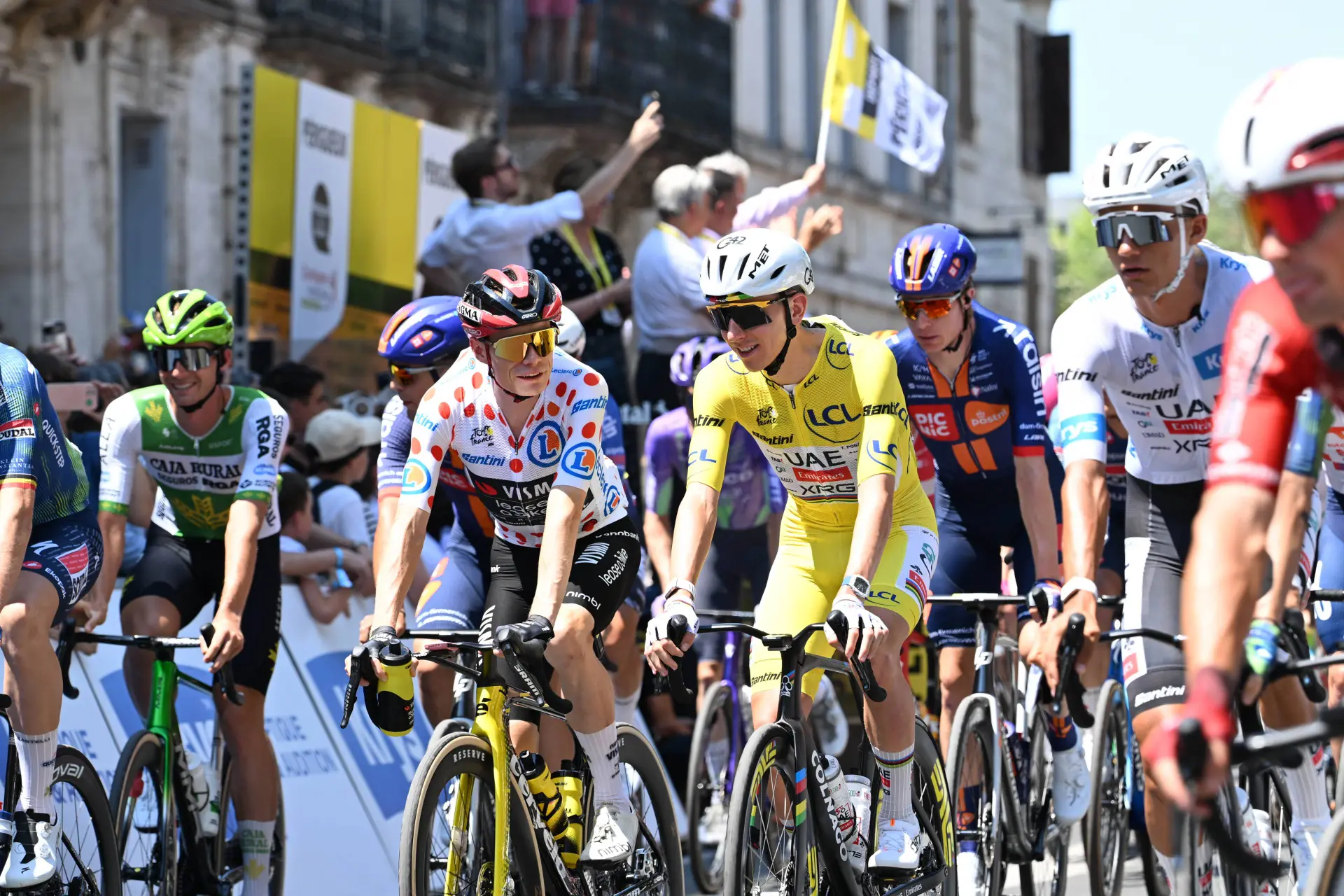
The distinction is an important one. Over the last five editions of the Tour, Pogacar and Vingegaard have monopolised the top two places in the final general classification. Their rivalry has defined the modern era of the race, leaving the rest of the peloton fighting for what has effectively become third place.
Seixas now arrives at the Tour after a spring campaign that has rapidly pushed him into that wider conversation. The French teenager won La Fleche Wallonne, dominated Itzulia Basque Country with three stage victories and the overall title, and finished second at both Strade Bianche and Liège-Bastogne-Liège. His performance at Liège in particular changed perceptions across the peloton. Seixas was the only rider capable of following Pogacar on La Redoute before eventually finishing second behind the world champion.
“Two riders are one thing, three is something different”
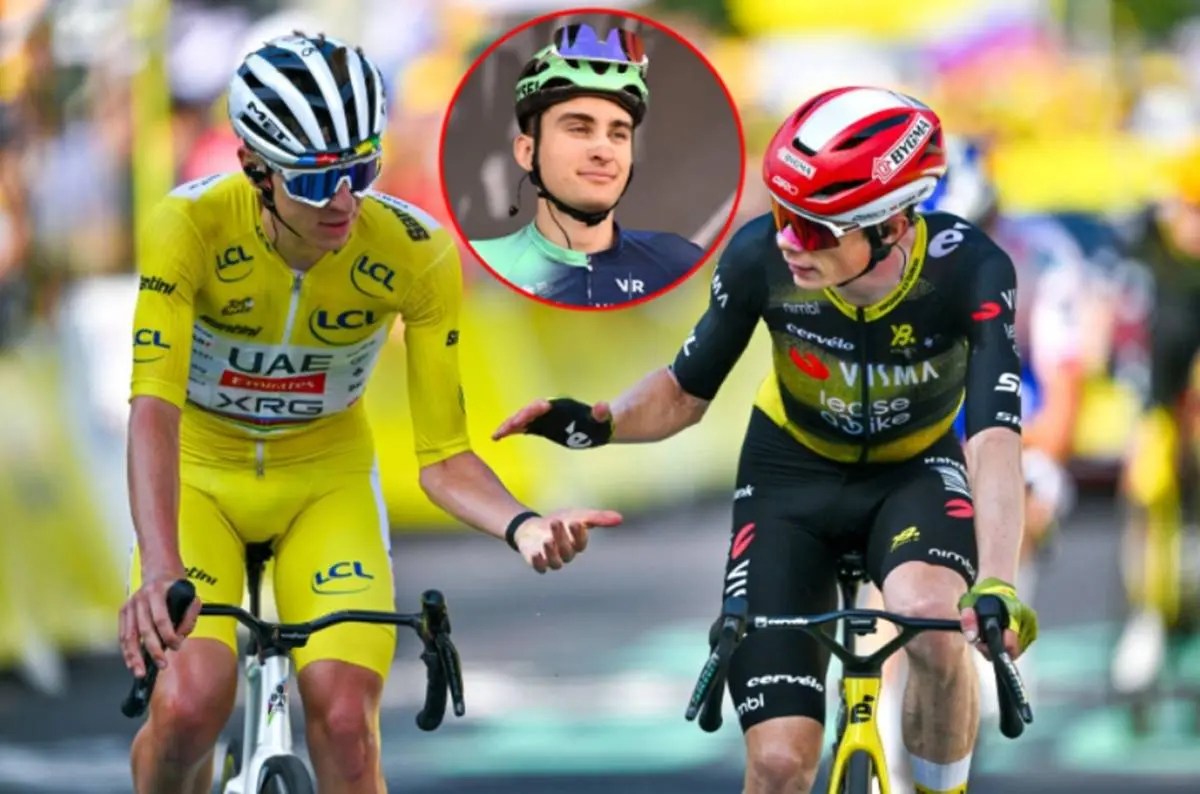
Sorensen believes that level already makes Seixas tactically relevant in the biggest mountain stages, even if he is not yet being placed on the same level as Pogacar or Vingegaard overall. “If he rides the way he has been riding, and if he can maintain that in the second and third week, then he is within a short margin of them,” Sorensen said. “Then they will have to start thinking carefully. Two riders are one thing, three is something different. There is another team that can make things happen.”
That idea could become increasingly important once the race reaches the mountains. Behind Pogacar and Vingegaard, the battle for the remaining podium place already looked crowded heading towards July. Remco Evenepoel, Florian Lipowitz and Juan Ayuso have all spent parts of the season establishing themselves as serious contenders.
Evenepoel has already taken major victories in 2026 but still faces questions over his consistency in the very highest mountains. Lipowitz has quietly emerged as one of the peloton’s most reliable stage racers, including finishing second behind Seixas at Itzulia Basque Country before later taking second at the Tour de Romandie behind Pogacar. Ayuso meanwhile has shown flashes of elite form, but crashes and illness disrupted much of his spring campaign. Into that already intense battle now steps Seixas.
“He rides like he has been professional for ten years”
Sorensen admitted he initially questioned whether sending a 19-year-old to the Tour was the correct decision. After watching Seixas throughout the spring however, the Dane completely changed his position. “At the start of the year, I thought it might actually be smart if he did not ride it in his first year as a 19-year-old. But after seeing him completely dominate the races he has ridden, I have radically changed my mind,” he explained.
The former Monument winner also pointed to the Frenchman’s maturity within races as one of the clearest signs that Seixas is not developing like a normal teenager.
“I’ve seen how he races, and he rides as if he has already been a professional for ten years,” Sorensen said. “He positions himself correctly in the peloton, makes no mistakes and wins by large margins. In the Tour of the Basque Country, which is an incredibly difficult race, they were nowhere near him. And then he almost managed to stay with Pogacar all the way. He wins Flèche Wallonne. What we are seeing is unique.”
That does not mean Sorensen believes Seixas is about to win the Tour immediately. “Physically, I don’t think he will struggle,” he added. “I’m almost ready to say already that he will win the Tour de France one day.”
The hype surrounding the Frenchman has exploded over recent months, but Sorensen’s analysis ultimately lands somewhere more nuanced. He is not predicting Seixas will immediately dethrone Pogacar or Vingegaard this summer. He is suggesting something potentially just as significant for the future of the Tour de France: the sport may already have found the next rider capable of eventually joining them at the top of cycling’s biggest race.

Kieran WoodDeputy Editor-in-Chief
Kieran Wood is a sports journalist based in Wales and has been active in journalism since 2022. He regularly contributes to DartsNews.com and CyclingUpToDate.com, where he covers professional cycling and darts. In cycling, his work includes liveblogs from major races, including the Tour de France, the Giro d’Italia, and La Vuelta a España, alongside race reports and analysis. He has also conducted interviews with professional riders.
His reporting spans the full racing calendar, from one-day classics to stage races, with a focus on accurate, real-time coverage and clear contextual analysis. For statistics, results, and historical context, he regularly uses resources such as ProCyclingStats. To support reporting on rider activity and training context where relevant, he also references Strava.
In his work, Kieran places strong emphasis on careful sourcing, editorial accuracy, and updating articles as new, verified information becomes available.
claps 0visitors 0
Just in
Popular news
Latest comments
- is that the standard for sharing thoughts here?OCexile17-10-2026
- If he was less brilliant than usual at the Tour, then I don't even want to imagine his 'usual' level of brilliance.Cooldude17-10-2026
- ok, i take back my wish. you’re right, i didn’t stop to think about how much i was damaging the sport. that was a close one. sometimes i forget how much power i wield and how capricious i can be…OCexile17-10-2026
- Reducing speed is not something that can realistically happen. This is all just a smokescreen for avoiding talking about the real solutions, such as airbags. A comparison to a more binary sport such as rock climbing (not free solo) would show this: Saying "go slower" is the same as "do easier climbs" Saying "use airbags" is like "use better harnesses"...
 Rafionain-Glas17-10-2026
 - Globalisation of pro cyclingRafionain-Glas17-10-2026
- So people are now guilty by virtue of having lived in a certain set of decades? Wonder how that argument would hold up in court?LMAO.
 Brucegel17-10-2026
 - you can reduce speed by increasing bike weight and increasing air resistance but it will penalize riders with lower weight a lot. also downhill reaches 100k/hr and sprints reach 70-80k/hr, how do you even control that. these are the times of most accidents anywayabstractengineer17-10-2026
- Just trying to gall the reader for clicks.Seems to be working.Just ignore the assinine article.Brucegel17-10-2026
- in football also, The Special one is like a dictator controlling the egos of Ibra and other top footballers. Also Alex Ferguson was very abusive sometimes violent too but all of it gets swept under the rug due to the accomplishments. Even today i would say that verbal abuse and screaming still remains the best tool of most managers to motivate their players next to benching and fear of trade.abstractengineer17-10-2026
- At least all that doping talk will end when (if) Seixas becomes world #1vappaxbipmv17-10-2026
Loading
Write a comment