The Tadej Pogacar question... Montreal Worlds epic reopens debate over whether racing is better without the all-conquering Slovenian
Cycling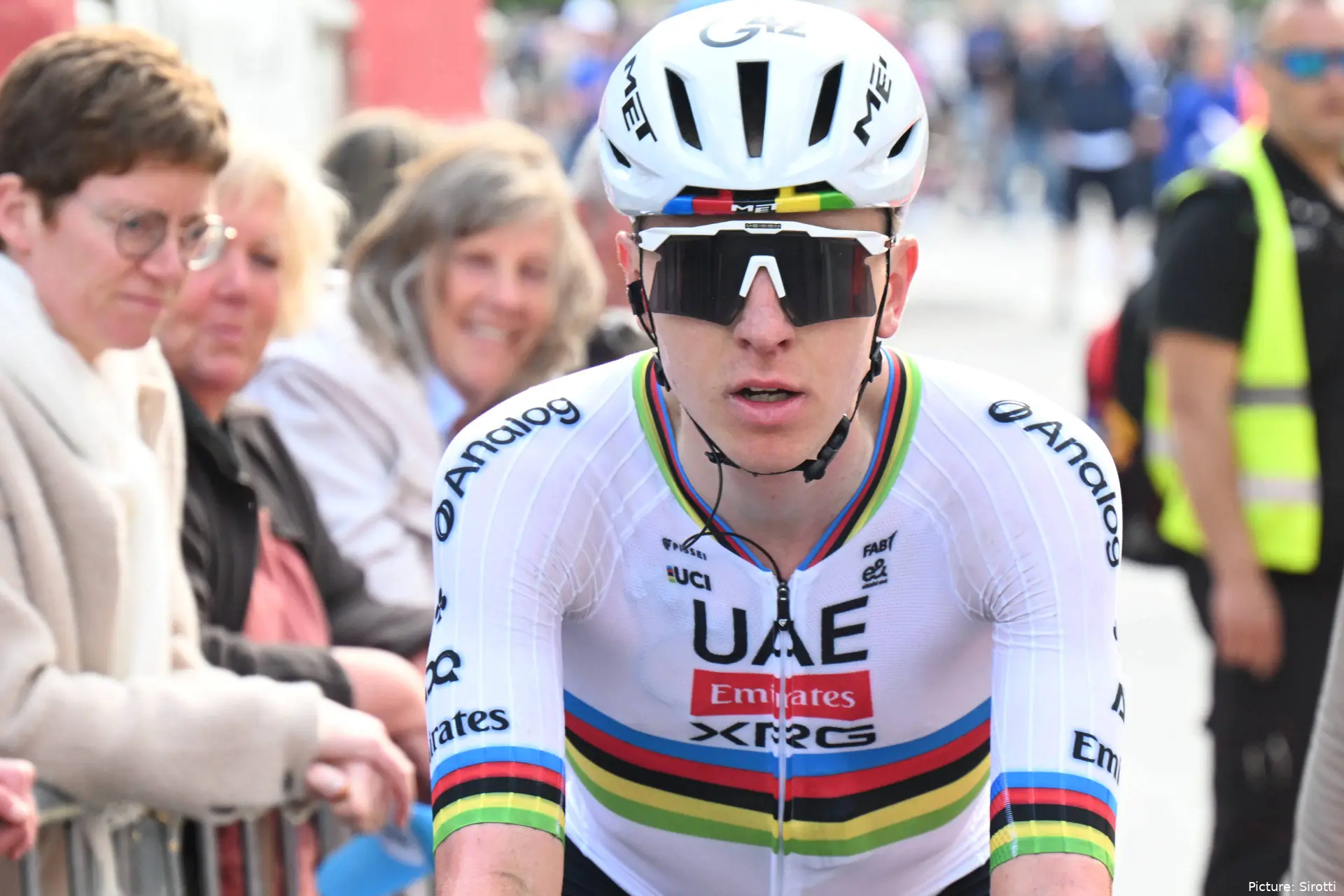
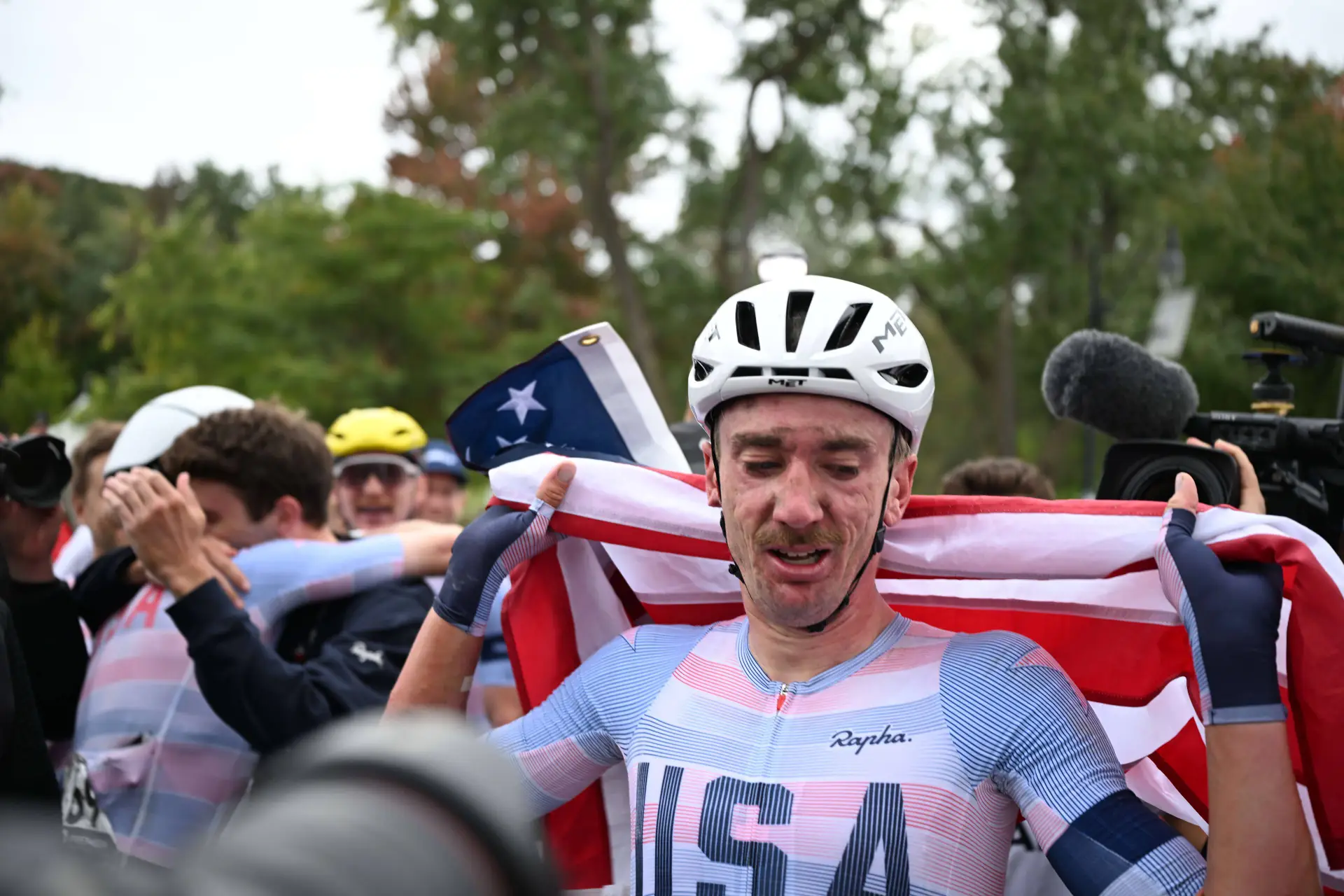
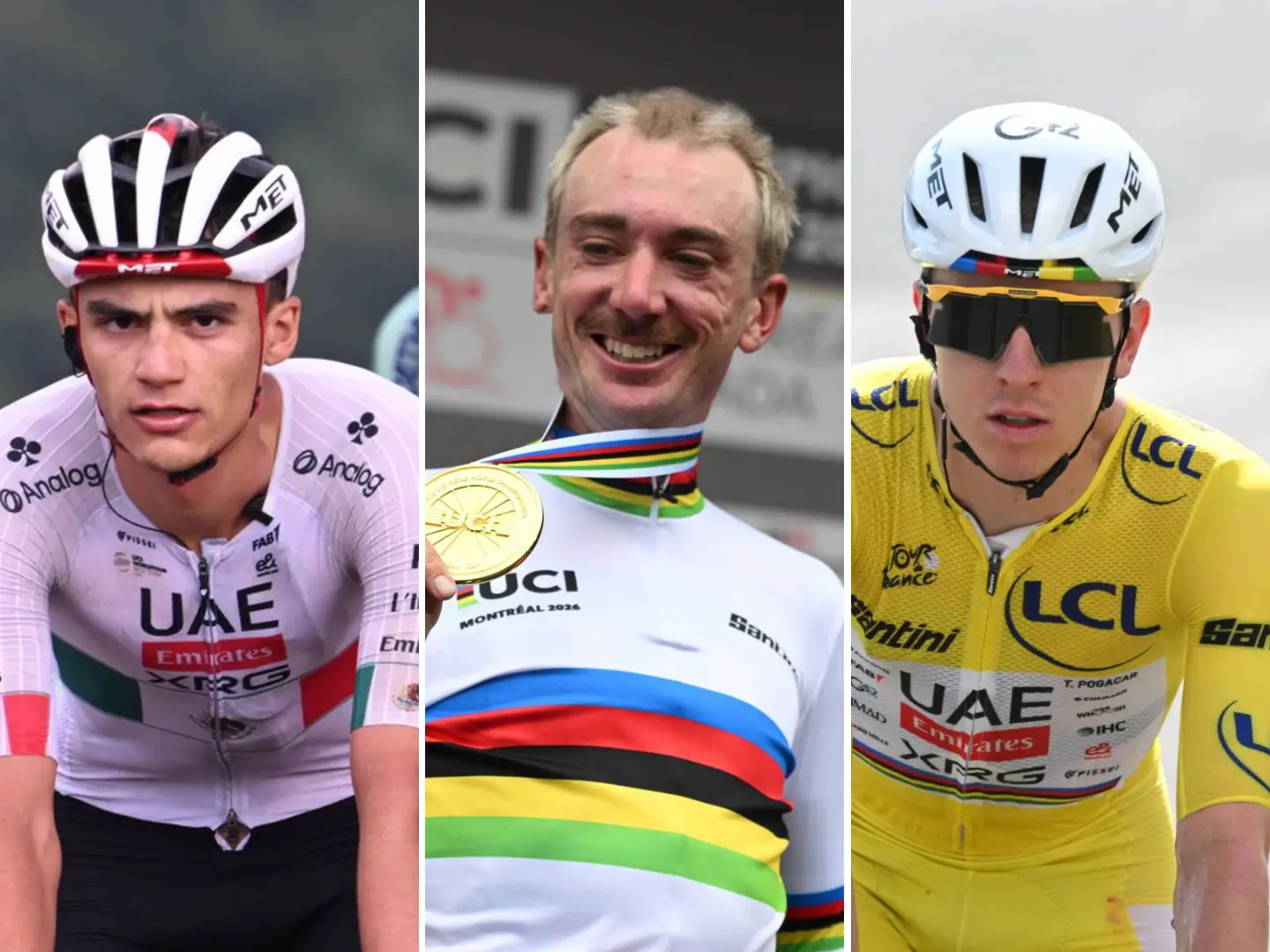
Tadej Pogacar lost his rainbow jersey without turning a pedal in Montreal, where Brandon McNulty survived a World Championship that remained in the balance until its closing kilometres. After an afternoon of attacks, recoveries and missed opportunities, cycling had a new world champion and fresh ammunition for an awkward debate: is the racing more enjoyable without its best rider?
McNulty’s lead had fallen to around ten seconds. Tom Pidcock was still attacking, Mathieu van der Poel remained in contention after spending much of the race on the offensive, and Michael Matthews was heading towards a silver medal few would have confidently predicted earlier in the afternoon.
Pogacar’s absence through injury had removed the overwhelming favourite. Nobody else came close to controlling the race as he had in winning the previous two editions.
Only weeks earlier, his withdrawal from the Vuelta a Espana had thrown open a Grand Tour he already led by almost four minutes. Montreal followed a similar pattern, with one of cycling’s biggest prizes suddenly within reach of far more riders.
Yet Pogacar’s most commanding performances have also included some of the boldest attacks of his generation, proving that sometimes, the very move that takes the suspense out of a race is an extraordinary piece of cycling to watch, in and of itself.
Montreal kept changing its mind
For a long stretch, Van der Poel looked capable of making the race his own. His accelerations helped establish a front group involving Quinn Simmons and Oscar Onley, while Primoz Roglic rode his way back after initially being distanced. Ben Healy subsequently bridged across as Onley faded.
Behind, Isaac del Toro and Paul Seixas kept applying pressure. Remco Evenepoel struggled, returned and attacked again. Moves that looked capable of deciding the medals were swallowed up, leaving riders who had already dug deep having to respond all over again.
McNulty was still there when the favourites regrouped. He attacked with around 33 kilometres remaining, after several of his most dangerous opponents had already spent plenty of energy trying to get away.
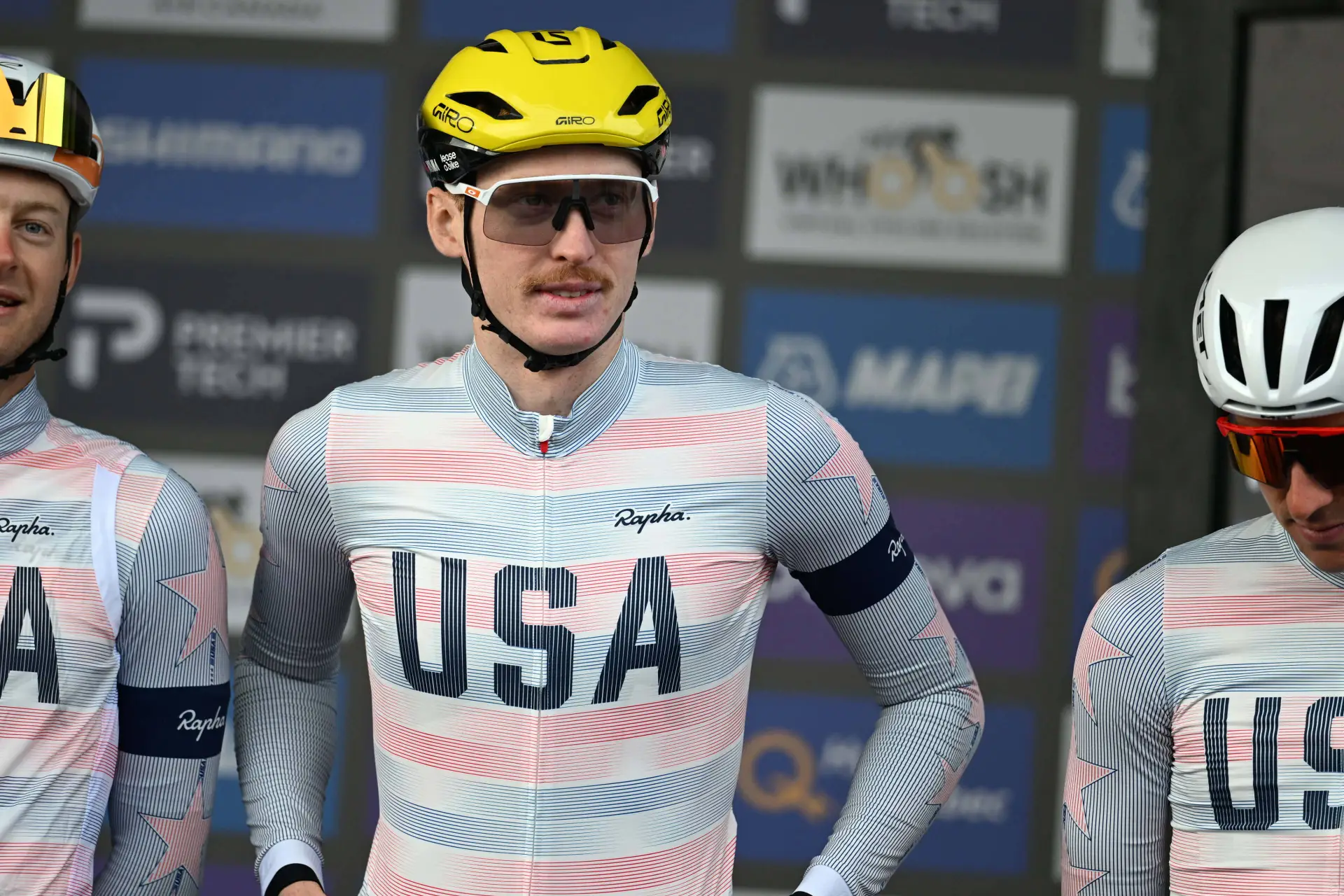
The USA had been represented throughout the decisive phases. Simmons had followed the earlier offensive, and Matteo Jorgenson could now cover attacks behind McNulty. The others had to decide how much chasing they were willing to do, particularly with faster finishers sitting alongside them.
McNulty’s advantage grew beyond a minute and stood at 53 seconds entering the final lap. Inside the last ten kilometres, it was down to around ten seconds. The chase then lost momentum once more, allowing him to reach the finish 13 seconds clear.
Matthews took silver, Van der Poel bronze. Each of the medallists had raced a very different final hour: McNulty picking his moment, Matthews hanging on through the selections, and Van der Poel repeatedly trying to break the opposition.
There were mistakes and hesitations alongside the outstanding performances. The chase was hardly a model of cooperation. But those competing interests kept McNulty waiting almost to the end before he could be sure, while the changing groups gave several riders a genuine chance of winning.
We cannot replay those laps with Pogacar present. Slovenia would have raced differently, Roglic would have had another role to consider, and the other favourites would have faced an opponent capable of opening much larger gaps on the climbs.
There is another possibility here: Pogacar may deserve some credit for the willingness of his rivals to take risks, even in his absence. Waiting for the final climbs has so often left them watching him ride away. Finding ways to beat him encourages earlier moves, teammates up the road and a willingness to commit before the obvious moment.
Some of that approach may now carry into races he misses. Without Pogacar setting such a demanding standard, would teams have been more content to control Montreal until Seixas, Evenepoel and Del Toro fought it out over the final two laps? His absence opened the race, but the challenge of beating him may also have helped shape the riders prepared to seize it.
From chasing Pogacar to racing for the Vuelta
Before his crash on stage eight, Pogacar led Mas by 3:50, Roglic by 4:50 and Felix Gall by 5:01. He had inflicted most of the damage in Andorra, attacking on the Collada de Beixalis and riding the final 50 kilometres alone. Gall tried to follow before having to let him go. Pogacar won the stage by 2:39, while the riders behind attacked and regrouped among themselves.
Those contests continued after his withdrawal, with the red jersey now at stake. UAE Team Emirates - XRG switched towards stage hunting, and Mas took over the lead with Roglic a minute behind.
On Aitana the following day, Mas attacked repeatedly but could not get rid of Onley. The Scot stayed with him to contest the stage victory, while Roglic finished 12 seconds behind and Gall 18 seconds back.
Mas gained more time at Calar Alto. Gall then matched him on La Pandera, where Roglic lost 25 seconds and surrendered second overall. With the time trial still to come, Mas had good reason to keep attacking in the mountains rather than sit on his advantage.
Roglic took 33 seconds back against the clock and regained second place, leaving a deficit of 1:37. On the final mountain stage, Kuss and Carapaz attacked from around 100 kilometres out, Landa eventually won from the breakaway, and Gall distanced his remaining GC rivals on the last climb.
Mas was a convincing winner. He never relinquished the jersey and entered the final stage 2:15 ahead of Roglic. Pogacar’s departure had hardly turned the race into a daily exchange of the lead.
Nor had attacking racing suddenly appeared from nowhere. Gall and others had tried to take the initiative in Andorra while Pogacar was still present. Their efforts simply counted for far more once they were no longer several minutes behind him.
A few seconds gained on Mas could help threaten the race lead. Against Pogacar’s first-week advantage, the same gain would barely have made a dent.
The circumstances remain unhappy ones. Pogacar’s crash cost him the chance to complete his collection of Grand Tour titles. There is no pleasure in that, even for those who preferred the racing that followed.
Read also
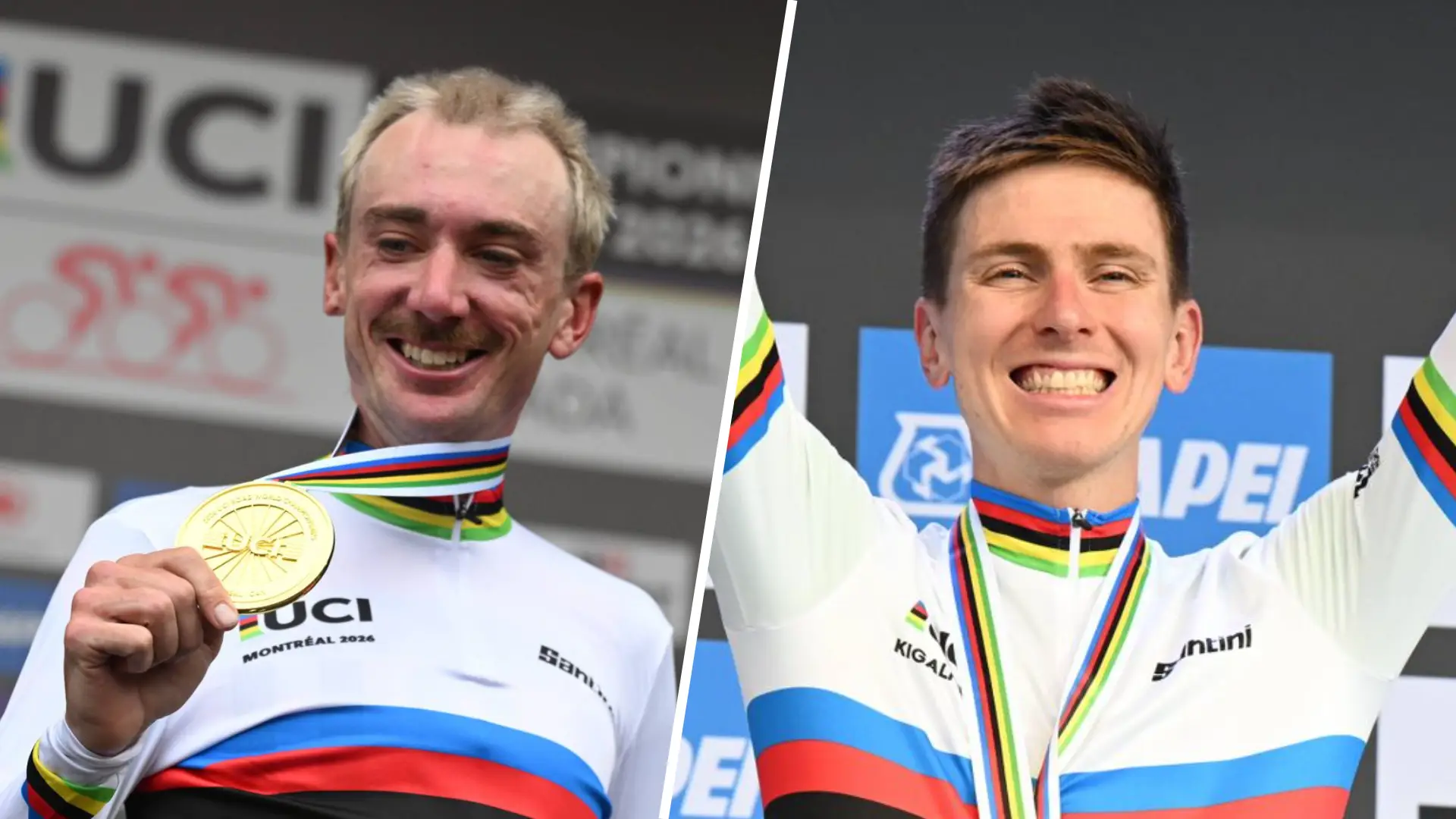
The appeal of watching someone nobody can follow
For a spectator drawn to exceptional performances, however, Andorra may have been the most compelling day of the Vuelta. Pogacar attacked with almost half the stage remaining. He committed himself across several climbs, gave his opponents ample distance to organise behind and still won by more than two and a half minutes. He could have waited for the final climb or been content to protect his lead. Instead, he backed himself to ride away from everyone with 50 kilometres still to cover.
Alberto Contador had addressed that attraction before the race. While acknowledging that Pogacar’s presence left little doubt about the favourite, he considered the Slovenian’s participation a positive for the spectacle. “It’s about seeing the best rider in history race live!” he said at the time.
For Contador, the way Pogacar could dominate such well-prepared opposition was central to his greatness. He compared his place in cycling with Usain Bolt’s in athletics, rather than judging him solely by how closely his palmares matched Eddy Merckx’s.
Evenepoel offered a similar defence during the Tour, when he was already accepting that his remaining overall objective was second place. “For us it’s a challenge and a big honour to race against a champion like that,” he said.
The Belgian acknowledged the frustration some television viewers felt, but spoke about trying to learn from Pogacar and reach his level. Pogacar was also pursuing a fifth Tour title. There was history at stake, even on days when the result looked a foregone conclusion.
His versatility adds to that appeal. The rider capable of dominating a high-mountain stage race also takes on the cobbles and the white roads of Tuscany. Across a season, he challenges specialists on their own terrain before returning to races where he is the overwhelming favourite.
Tadej Pogacar’s 22 victories in 2026
| Date | Victory |
| 7 March | Strade Bianche |
| 21 March | Milan-San Remo |
| 5 April | Tour of Flanders |
| 26 April | Liege-Bastogne-Liege |
| 29 April | Tour de Romandie – Stage 1 |
| 30 April | Tour de Romandie – Stage 2 |
| 2 May | Tour de Romandie – Stage 4 |
| 3 May | Tour de Romandie – Stage 5 |
| 3 May | Tour de Romandie – Overall |
| 17 June | Tour de Suisse – Stage 1 |
| 20 June | Tour de Suisse – Stage 4 (ITT) |
| 21 June | Tour de Suisse – Stage 5 |
| 21 June | Tour de Suisse – Overall |
| 6 July | Tour de France – Stage 3 |
| 9 July | Tour de France – Stage 6 |
| 14 July | Tour de France – Stage 10 |
| 18 July | Tour de France – Stage 14 |
| 24 July | Tour de France – Stage 19 |
| 26 July | Tour de France – Overall |
| 22 August | Vuelta a Espana – Stage 1 (ITT) |
| 25 August | Vuelta a Espana – Stage 4 |
| 27 August | Vuelta a Espana – Stage 6 |
Zurich in 2024 provided a world title launched by an attack more than 100 kilometres from the finish. Kigali in 2025 brought another, with the final 66 kilometres covered alone.
For viewers who enjoy that audacity, a smaller winning margin would not necessarily have made either afternoon more memorable. Pogacar was attempting rides that would have looked reckless for almost anyone else in the field.
Still, remembering a remarkable victory years later is a different experience from watching its final hour. A performance can earn its place in cycling history long after the afternoon’s suspense has gone.
When someone does hold his wheel
Pogacar has also been central to races offering both extraordinary quality and an uncertain outcome. At Milan-San Remo in 2025, his Cipressa attack left only Van der Poel and Filippo Ganna with him. He attacked again on the Poggio, Ganna fought his way back, and Van der Poel won the three-rider sprint.
At Amstel Gold Race that spring, Evenepoel and Mattias Skjelmose caught Pogacar after his solo offensive. Skjelmose then beat both of them at the finish.
Neither victory would have carried quite the same thrill without Pogacar there to be beaten. He had made the moves that so often settle races in his favour, only to find opponents who could answer them.
Montreal offered another kind of opportunity. McNulty took advantage of the work already done by the favourites, supported by an American team with riders in the right places. His judgement and endurance won him the title without him having to match Pogacar uphill.
For Seixas, Del Toro and the other contenders who left Canada without gold, that opening may not be there next time. A returning Pogacar could leave them facing the familiar problem of knowing an attack is coming and still being unable to follow.
Their development offers a more enticing possibility. The next exceptional World Championship could feature Pogacar at full strength and rivals capable of answering him, with Montreal’s uncertainty surviving even at the pace he sets.
Until they can do that consistently, afternoons offering both his brilliance and a genuine battle to the finish will remain harder to come by. For those who loved Montreal, is the chance to watch Pogacar at his best worth giving up some of that uncertainty?
Kieran WoodDeputy Editor-in-Chief
Kieran Wood is a sports journalist based in Wales and has been active in journalism since 2022. He regularly contributes to DartsNews.com and CyclingUpToDate.com, where he covers professional cycling and darts. In cycling, his work includes liveblogs from major races, including the Tour de France, the Giro d’Italia, and La Vuelta a España, alongside race reports and analysis. He has also conducted interviews with professional riders.
His reporting spans the full racing calendar, from one-day classics to stage races, with a focus on accurate, real-time coverage and clear contextual analysis. For statistics, results, and historical context, he regularly uses resources such as ProCyclingStats. To support reporting on rider activity and training context where relevant, he also references Strava.
In his work, Kieran places strong emphasis on careful sourcing, editorial accuracy, and updating articles as new, verified information becomes available.
claps 1visitors 1
Just in
Popular news
Latest comments
- 💯%
 leedorney02-10-2026
 - this is so early in january. let him ride in his home country.mij02-10-2026
- I’ve always thought crit racing is perfect for TV. so is cross actually. winters watching cross is so funmij02-10-2026
- People complain when he wins, and people complain when a surprise winner wins the WC - you can't please some people.wrsty02-10-2026
- Why would Jorgenson want to be off the UAE blacklist? Mattie should rather compain that UAE was too cheap with the ink. Demand they use a larger font lest they forget where hell is coming from!JM02-10-2026
- If you're referring to the female WC then that's correct but also this article is about the Male WCwrsty02-10-2026
- The most Ironic part is Pogi would completely abhor pogislofansjad2902-10-2026
- After Quebec, I compared how Remco looked there versus the Tour and he was significantly bigger. Obviously Tour climbing shape is not what is needed for the classics, but the difference was too much. From then on I wasn't optimistic going into GP de Montréal and the Worlds. I was quite sure that he'd smoke the TT but with the climby stuff no. In contrast, Mathieu van der Poel looked thinner than he does normally. All in all, Remco didn't put everything into the road race for fear of losing the time trial. But with the margin he won by, he could very well have cut down on sone of the weight
 Rafionain-Glas01-10-2026
 - Hindsight really. Van der Poel didn't lose because he was caught, he lost because he let McNulty goRafionain-Glas01-10-2026
- Very sad. My sympathies to his family and friendsAndy12301-10-2026
Loading
2 Comments