“Paul Seixas’ climbing numbers are already better than Jonas Vingegaard’s” – Expert names 19-year-old as Tadej Pogacar’s closest challenger
Cycling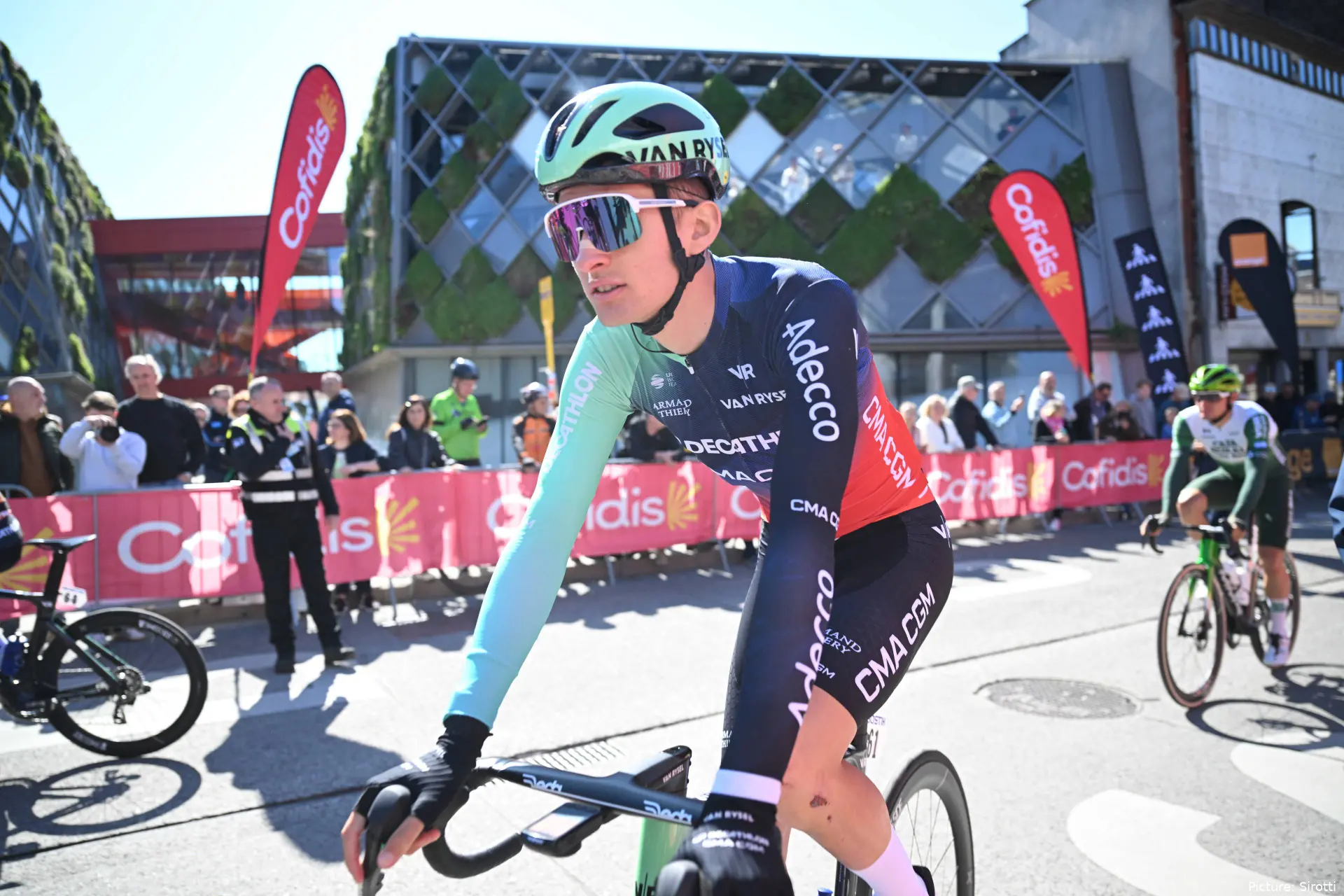
Paul Seixas’ rapid rise has already reshaped the Liège-Bastogne-Liège narrative, and according to Benji Naesen, the Frenchman now sits firmly among the leading contenders for Sunday’s Monument.
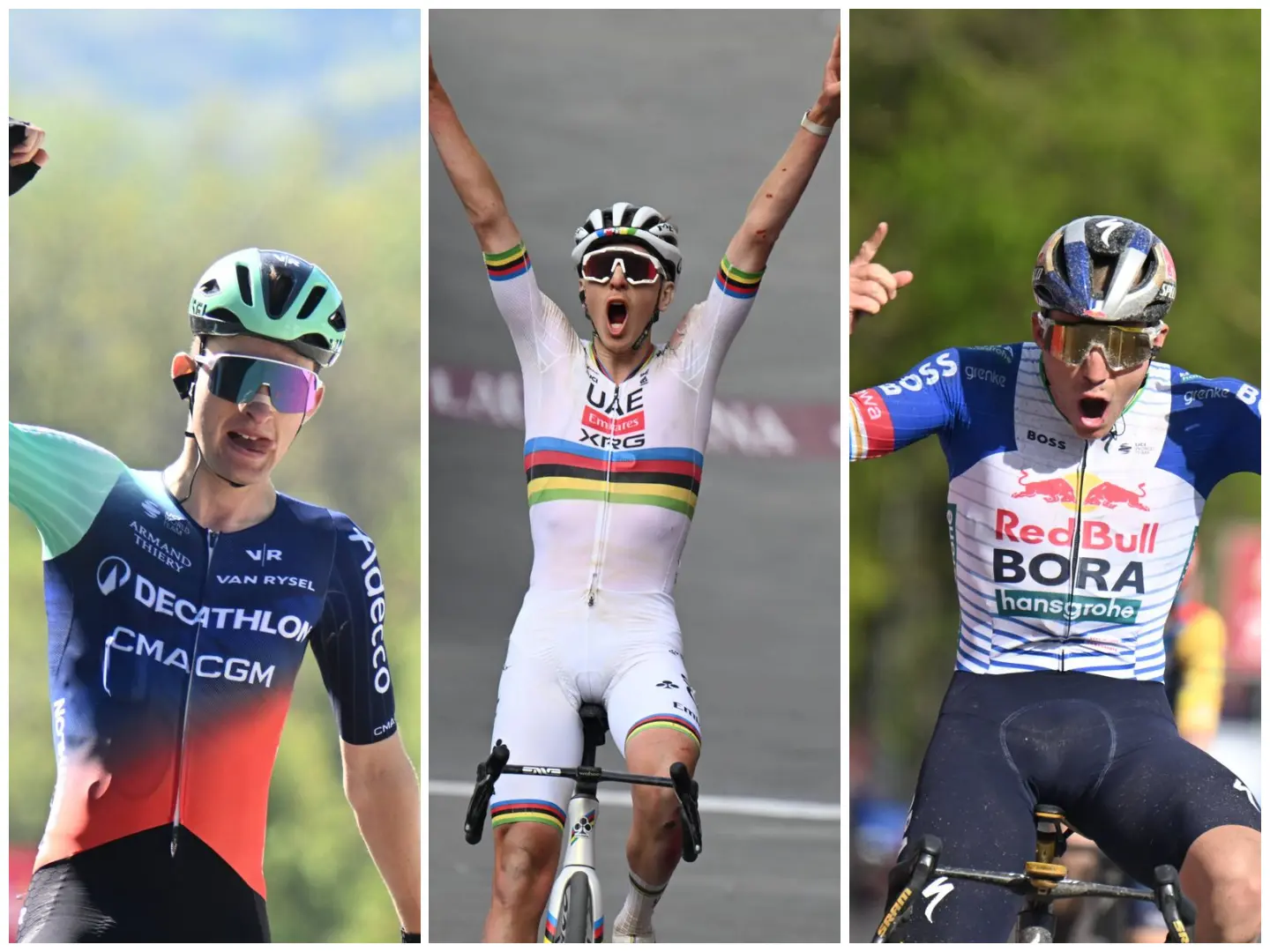
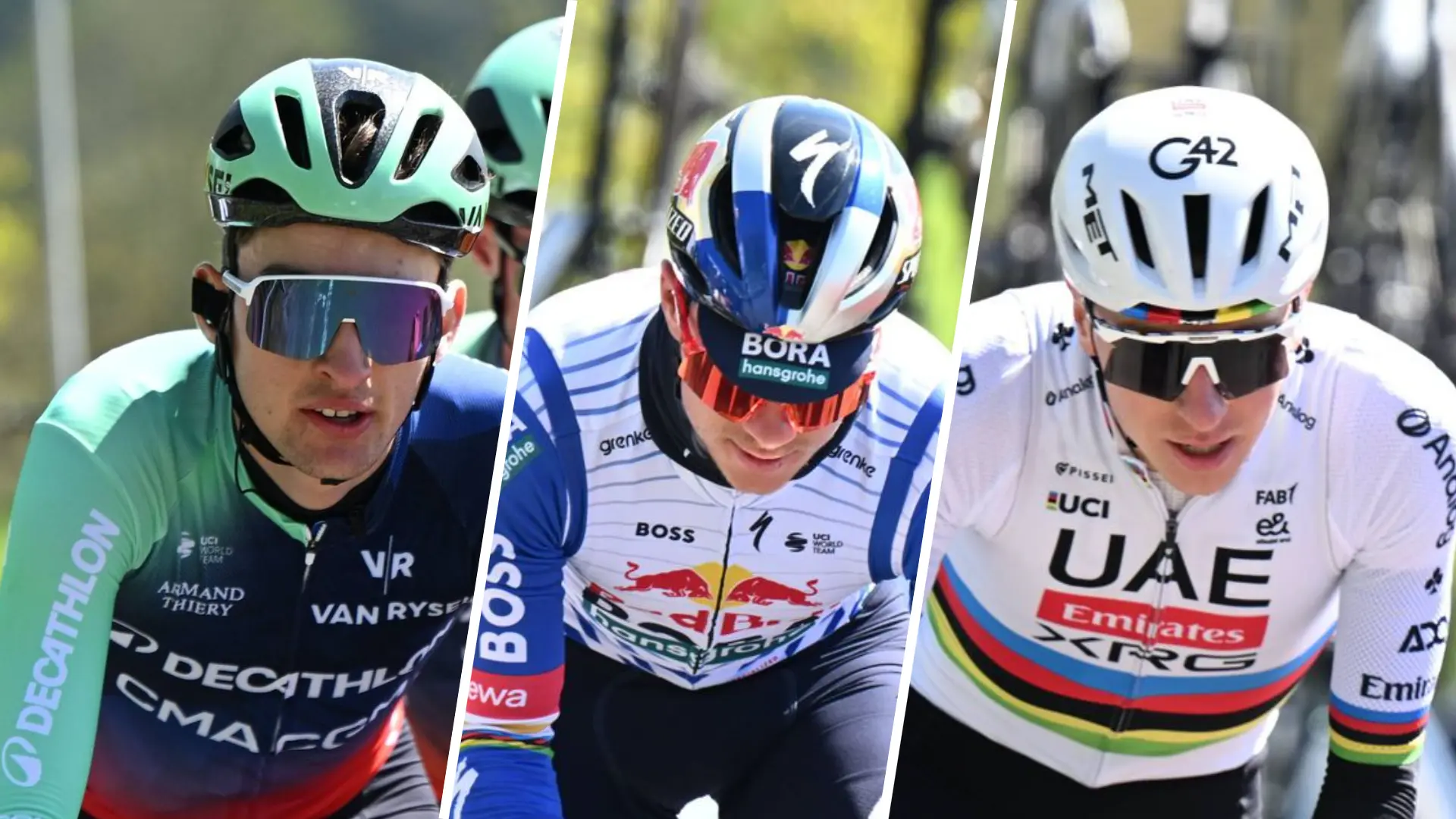
In fact, Naesen’s assessment goes further than simply placing the 19-year-old in the conversation. Based on his recent climbing performances, he sees Seixas as second only to Tadej Pogacar on the climbs, moving ahead of Remco Evenepoel in the current hierarchy.
Seixas moves ahead of Evenepoel in Liège hierarchy
The expectation of a three-way battle between Pogacar, Evenepoel and Seixas has grown in recent days. Naesen is not convinced that narrative will play out in practice. Instead, he sees a clearer separation that favours Seixas. “He can definitely finish third. But I put Pogacar and Seixas above him,” he said of Evenepoel’s chances to Het Nieuwsblad, casting doubt on the Belgian’s ability to match the very best on the decisive climbs.
That view is rooted in what Naesen describes as a prolonged lack of top-level climbing performances from Evenepoel. “Romandie, Dauphiné, Hautacam in last year’s Tour, and this year’s UAE Tour: he was dropped everywhere.”
While those examples come from longer climbs, the concern extends to shorter efforts as well. “Even on the shorter climbs, I can’t remember a performance in the past year that really made me sit up and take notice.”
Amstel win not enough to convince
Evenepoel’s victory at the Amstel Gold Race might suggest a return to form, but Naesen remains unconvinced that it signals readiness to challenge Pogacar in Liège.
“He didn’t win solo there either. He tried to drop Skjelmose a few times, but couldn’t manage it,” he said. “That’s what I mean: over the past year and a half, I haven’t seen what I need to see to say that Remco will be able to follow Pogacar on the way to Liège.”
That distinction matters. Liège-Bastogne-Liège demands repeated efforts on steep climbs and the ability to respond when the race accelerates. Naesen does not yet see that in Evenepoel’s recent performances.
Seixas backed to match Pogacar more closely
Where Evenepoel raises doubts, Seixas inspires confidence. The Frenchman’s second place at Strade Bianche behind Pogacar showed he could operate at the same level, while his dominant victory at the Tour of the Basque Country confirmed that consistency across a stage race.
His performance at Flèche Wallonne, where he became the youngest winner in the race’s history, has only strengthened that case. “He may only be nineteen, but his climbing numbers are already better than Vingegaard’s,” Naesen said, underlining how highly he rates the young rider’s potential. “In short, Seixas is the second-best climber at the start.”
Distance debate adds another layer
One of the remaining questions around Seixas has been whether he can handle the demands of a Monument like Liège-Bastogne-Liège, particularly over the final hour where the race is often decided.
Evenepoel himself has cast doubt on that, suggesting the step up to nearly 260 kilometres could expose the 19-year-old late in the race. Naesen, however, sees it differently. He pointed to Seixas’ seventh place at Il Lombardia last year, another Monument of around 250 kilometres, as evidence that the distance will not be a limiting factor. “That’s also a Monument of around 250 kilometres. And let’s be honest: this Seixas is much better than the one from the end of last year.”

Paul Seixas in action at La Fleche Wallonne 2026
Pogacar still the benchmark
Even with Seixas’ rise, the broader picture remains unchanged. Pogacar enters Liège-Bastogne-Liège as the reference point, with rivals measured against his ability to decide races on the decisive climbs.
Naesen’s analysis reframes the battle behind him. Rather than a three-way fight, it suggests a hierarchy. Pogacar at the top, Seixas emerging as the closest challenger, and Evenepoel needing to prove he can match that level when it matters most.
That shift may ultimately define how Sunday’s race unfolds.

Kieran WoodDeputy Editor-in-Chief
Kieran Wood is a sports journalist based in Wales and has been active in journalism since 2022. He regularly contributes to DartsNews.com and CyclingUpToDate.com, where he covers professional cycling and darts. In cycling, his work includes liveblogs from major races, including the Tour de France, the Giro d’Italia, and La Vuelta a España, alongside race reports and analysis. He has also conducted interviews with professional riders.
His reporting spans the full racing calendar, from one-day classics to stage races, with a focus on accurate, real-time coverage and clear contextual analysis. For statistics, results, and historical context, he regularly uses resources such as ProCyclingStats. To support reporting on rider activity and training context where relevant, he also references Strava.
In his work, Kieran places strong emphasis on careful sourcing, editorial accuracy, and updating articles as new, verified information becomes available.
claps 7visitors 7
Just in
Popular news
Latest comments
- Maybe ruben silva still dont get it but visma is broke they aint signing anyone. They desperately need tier one climberse but all they can buy is fabio jakobsen..Typing is on the wall there to say the least...:(miguel26-10-2026
- I didn't say Tadej should ride it. I'm stating HE wanted to ride it and as a matter of fact had to be talked out of it. The other accidents mentioned in this headline were so much worse.mij26-10-2026
- I'm not downplaying the impacts. He would have been a fool to ride EU. I'm commenting that Roll's position is idiotic - to compare Tadej's two broken bones and a concussion to what Froome/Bernal/Jonas went through and suggest it could hold Tadej back is equally foolish. As bad as it might have been, Tadej's accident was a joke compared to what the others went through.mij26-10-2026
- If others agree and you do the same, maybe we have a shot at getting them to reverse the obvious deterioration they’ve decided to embark on. It would also leave you know mou more or less in an echo chamber.Jumpyjohn26-10-2026
- if you have three leaders , it has never worked in cycling properly. If you have two, one attacks the other follows as the US did it to perfection in the worldsabstractengineer26-10-2026
- Besides Pogi they dont need anybody else. I think that UAE is a bad team for development. One is the race is done at Pogi's intensity which is bad for a developing rider and you can only do part of the race, no energy left for the rest.abstractengineer26-10-2026
- Very distorted headlineKatla26-10-2026
- Agreed, but nobody thinks ahead that much, especially so-called fans, they are the first to demand their rights to joy and entertainment, regardless of the price their hero pays. You only have to look at boxing/rugby research on past athletes’ problems in retirement to see how little their OWN fans really care.Jumpyjohn26-10-2026
- He might very well accept lower salary voluntarily (whilst others might get pressured into that anyway over the coming years) in exchange for non financial benefits such a move would bring. Wouldn’t be the first rider to get positive results from a change of team and wouldn’t be the first star rider to do well in a smaller outfit. MVDP has never suffered from not being in a leading team, MP did extremely well before his team started expanding (maybe too) fast, PS certainly didn’t underdevelop until now. Everyone fits in best in a unique situation that won’t work for anyone else, we should all be striving for finding that.Jumpyjohn26-10-2026
- Always best to focus on “a good beginning is half the work” philosophy Which also makes mathematical sense. If you look at the probabilities of things happening in a chain, each event has less than one. For two to happen you multiply, the result will thus always be even less. The earlier in the chain you affect probability, the more often that is multiplied each time you add a subsequent link in the chain. Or oppositely, it’s extremely inefficient to focus on the last event in the chain because the chances of that happening AFTER all the other events have also happened is far too small to consider. And realistically, it is also obvious that if you allow uncertainty into event 1 or 2, not only do you enormously increase the chances of a last event, you also increase the chances of other non-considered events. In non-mathematical terms, one day a car might drive into a whole peleton. Oups, what did I suggest, oh no, we actually already saw this almost happening on video, it was only the drivers’ unexpected fast reaction to reverse that averted the possible cancellation of cycling for an extended period as the sport would have been forced to question itself way more than it has ever had to.Jumpyjohn26-10-2026
Loading
6 Comments