The Tour de France Femmes 2025 will be a very exciting route featuring a start in Bretagne and a finale in the Alps. We take a look at the profiles of all 9 stages.
It is a route that does not feature any time-trialing unlike last year however it fully takes place within the French territory and has a Grand Depart in Bretagne with two hilly stages. The sprinters will have their opportunities before the riders gradually tackle harder and harder stages culminating in the Alps with a summit finish at the Col de Madeleine and a brutal stage into Châtel.
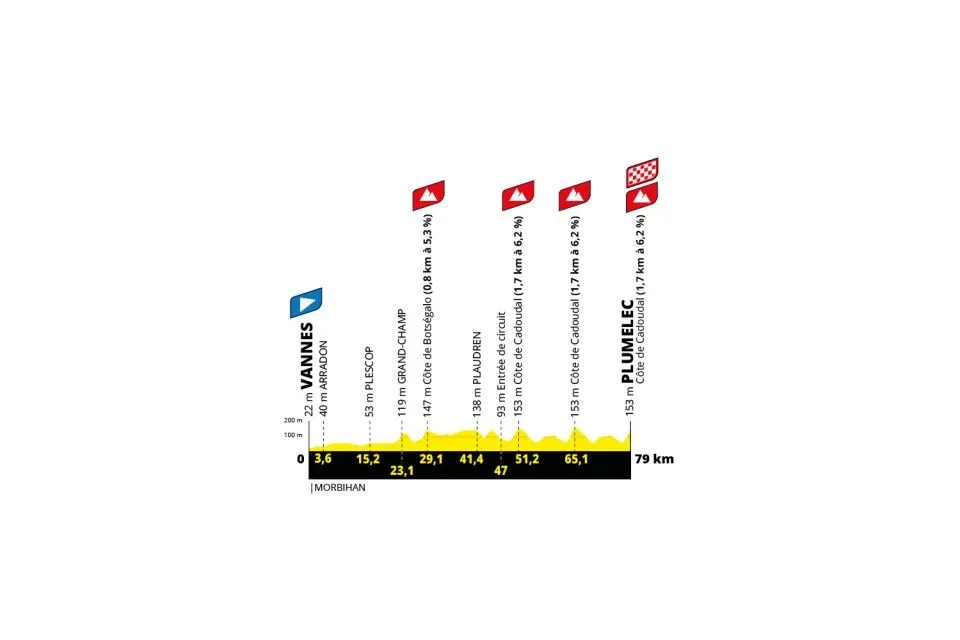
Stage 1: Vannes - Plumelec, 79 kilometers
The race starts off in Bretagne and the first two stages will suit the classics riders. The hilltop finale in the Côte de Cadoudal, Plumelec, is well known and will dictate the first yellow jersey of the race.

Stage 2: Brest - Quimper, 110 kilometers
Stage 2 into Quimper is also well known within the peloton, an explosive course with several traps in the form of narrow roads, short and steep climbs. A true explosive classic route in the start of the Grand Tour.
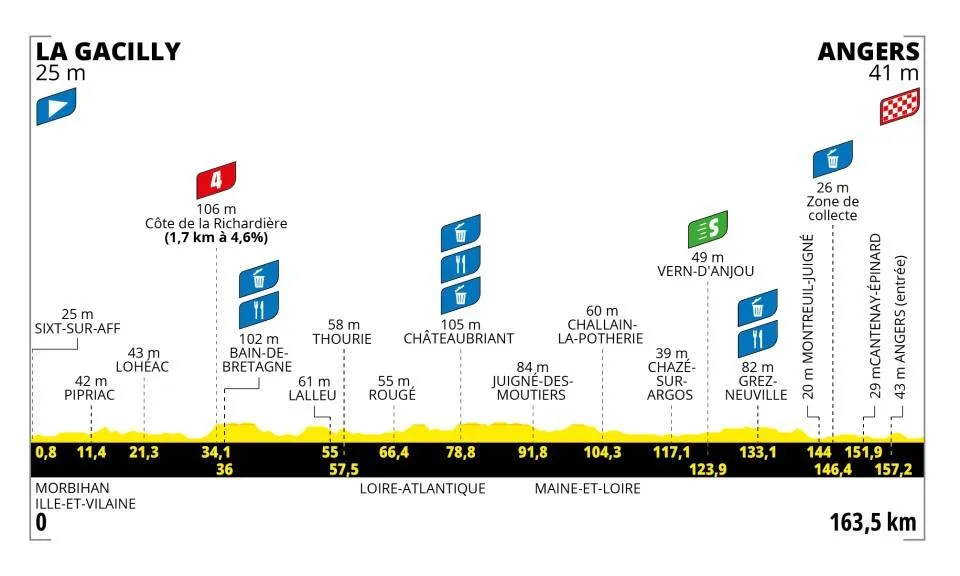
Stage 3: La Gacilly - Angers, 163.5 kilometers
Stage 3 will be the first proper opportunity for the sprinters in the race, a long 163-kilometer stage which finishes in Angers but the fast ladies will have the chance to succeed.
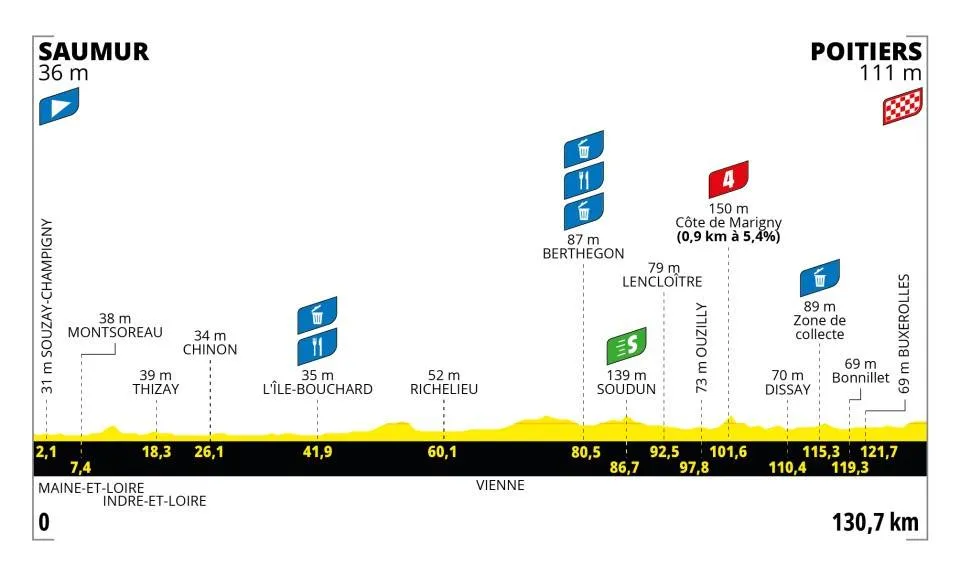
Stage 4: Samur - Poitiers, 130.7 kilometers
Stage 4 will end in Potiers and is without a doubt the best day of the race for the pure sprinters.
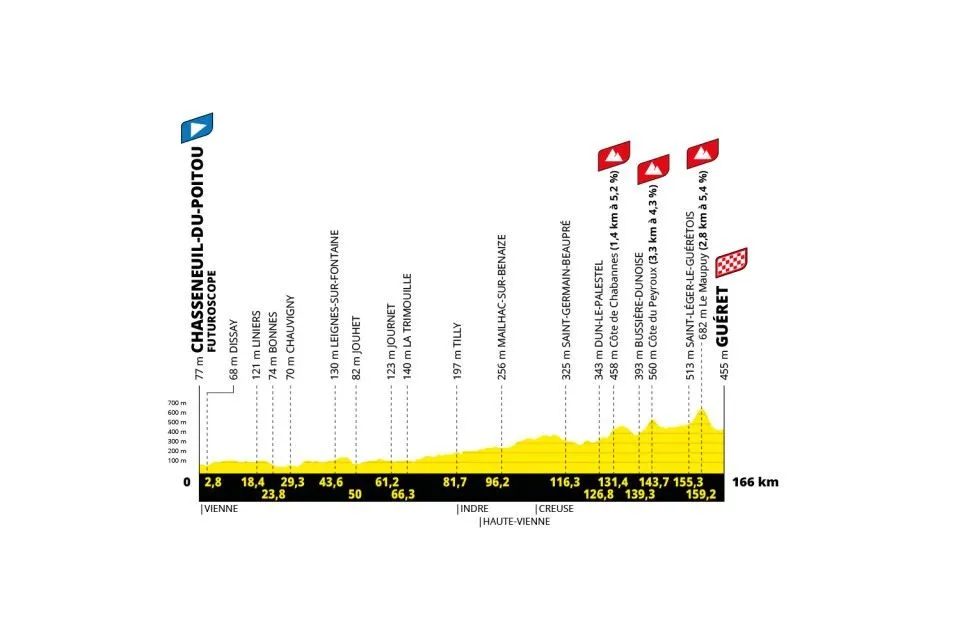
Stage 5: Chasseneuil-Du-Poitou - Guéret, 166 kilometers
Stage 5 sees the race head into the Massif Central, this is the longest stage of the race and also features a finale similar to the hilly one-day races. Before the downhill finale into Guéret, the riders tackle a 2.8-kilometer long climb at just over 5%.
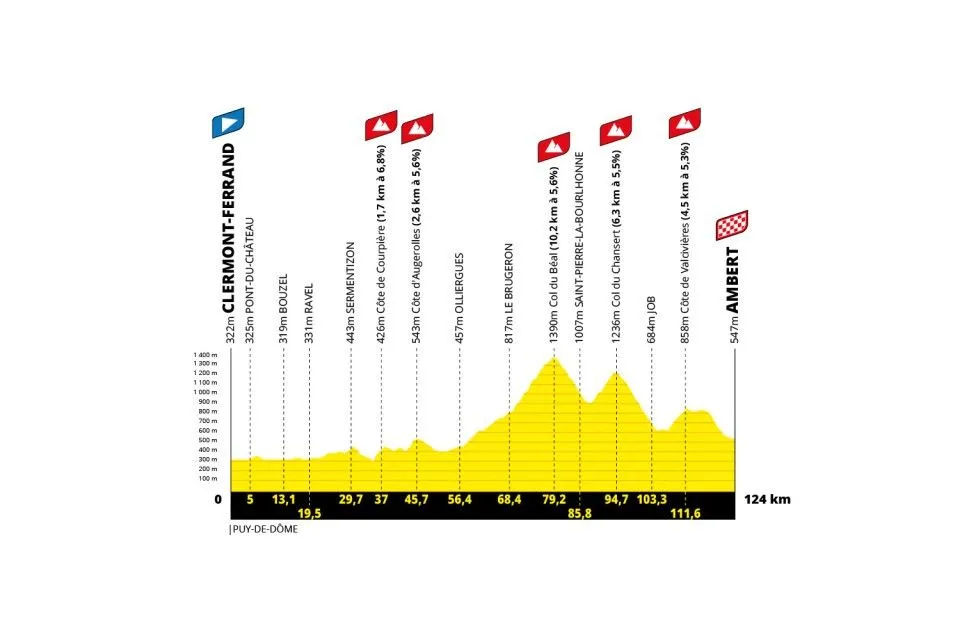
Stage 6: Clermont-Ferrand - Ambert, 124 kilometers
The race becomes tougher and on the sixth day we have the toughest of the Massif Central climbs. The 124 kilometers between Clermont-Ferrand and Ambert have five categorized climbs, the final three will be difficult and the race has the potential to explode in the long Col du Béal.
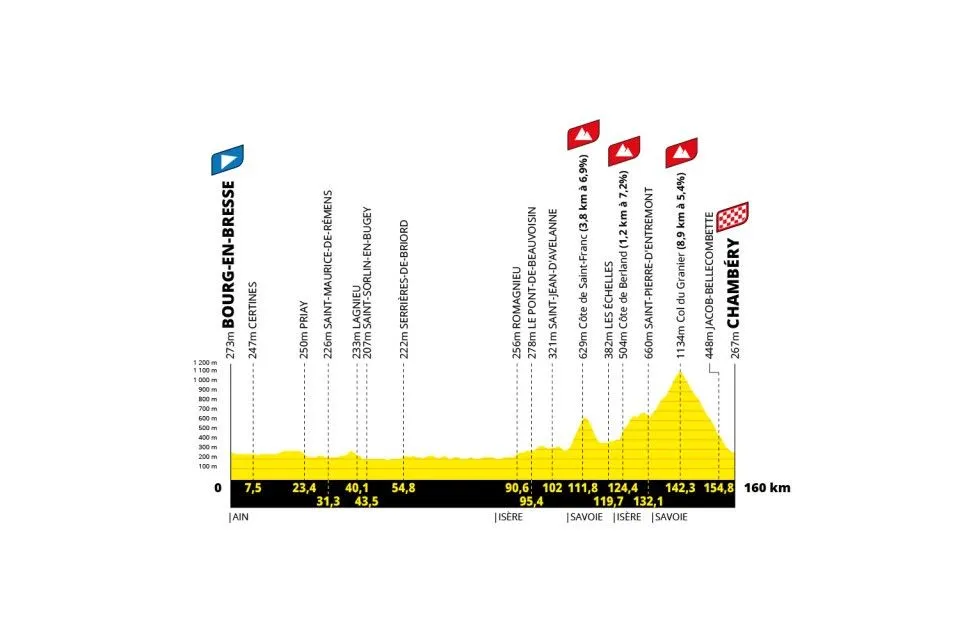
Stage 7: Bourg-en-Bresse - Chambéry, 160 kilometers
Stage 7 sees the riders arrive in the Alps, a long mountain stage but on with a flat start. The finale is not the most difficult of the week, but before the downhill run into Chambéry the riders tackle the Col du Granier which is 8.9 kilometers in distance and 5.4%.

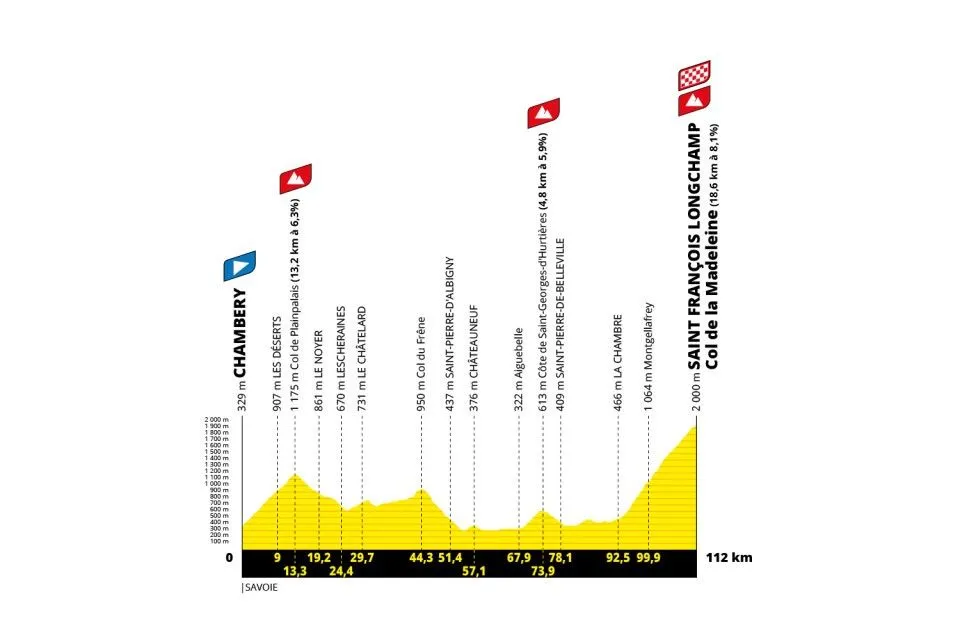
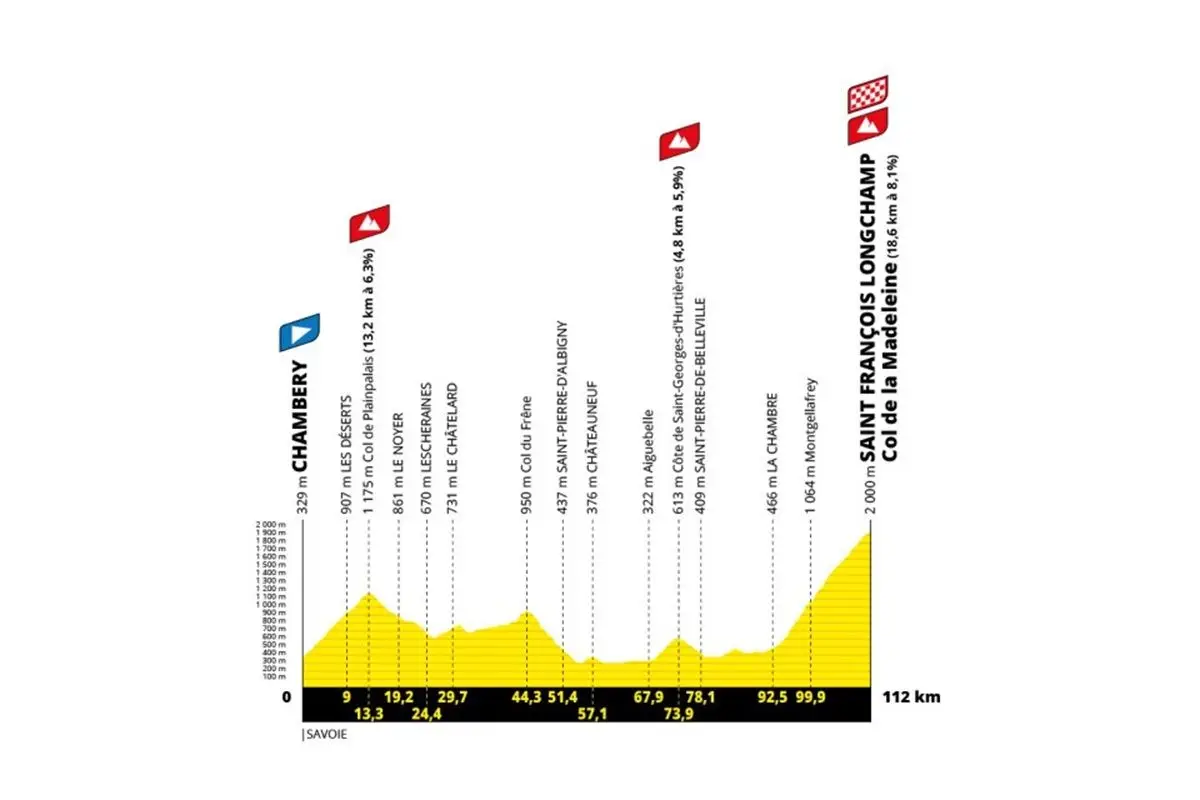
Stage 8: Chambéry - Col de la Madeleine, 112 kilometers
The queen stage. 3500 meters of climbing and 112 kilometers in distance, the stage starts off with a difficult ascent in the Col de Plainpalais and then ends atop the 18-kilometer long Col de la Madeleine where the race can very well be decided.

Stage 9: Praz-Sur-Arly - Châtel, 124 kilometers
The final mountain stage is different but features a very exciting profile. The race will end in the city of Châtel but before reaching it the riders tackle the very hard Col de Joux-Plane (11.6 kilometers, 8.5%) mid-stage and then another difficult ascent before what can be a very tactical flat run-in to the end of the race.
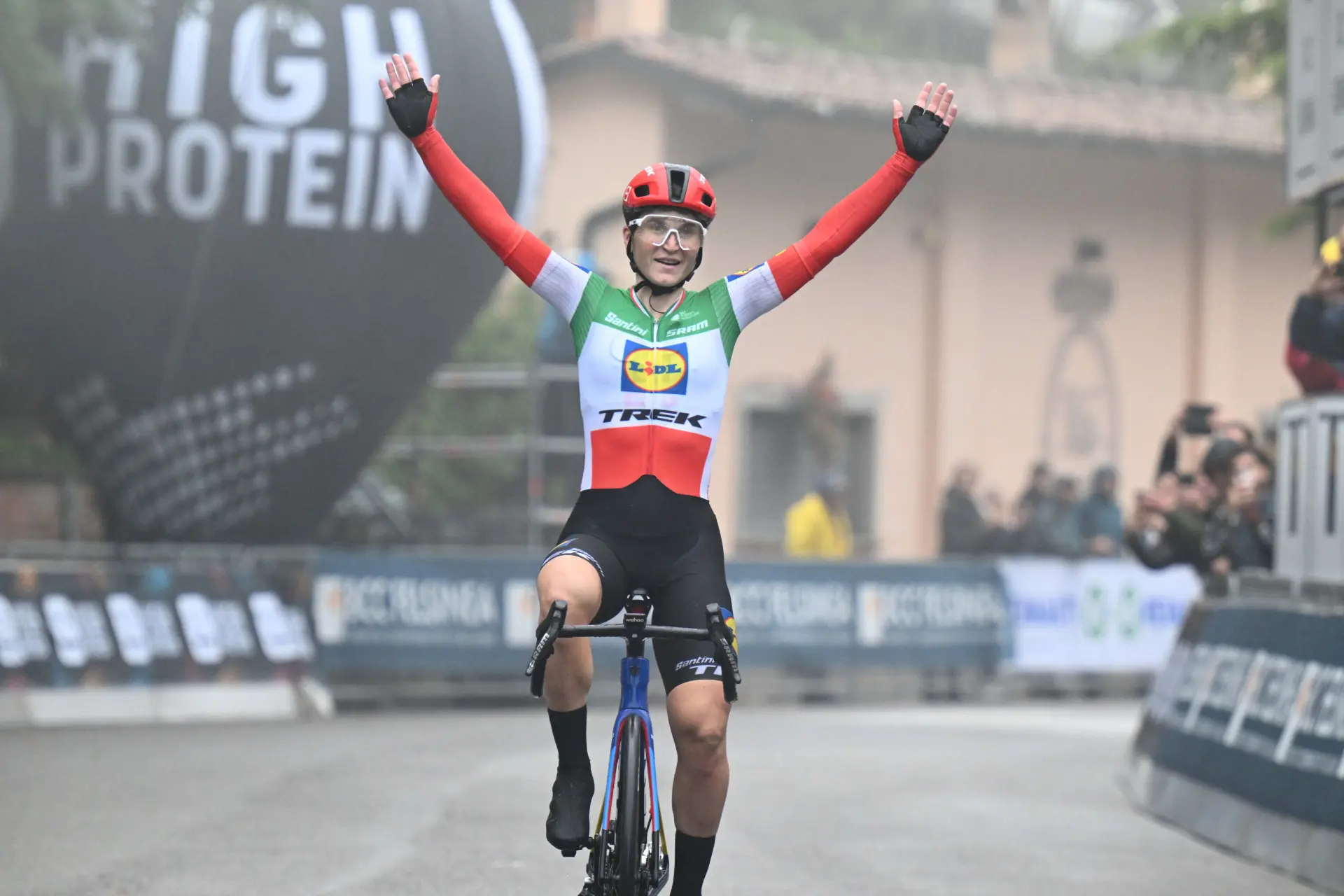
🤩 Warriors, role models, champions, all at once. The greatest cyclists have a date on the #TDFF2025 avec @GoZwift!
— Le Tour de France Femmes avec Zwift (@LeTourFemmes) June 30, 2025
🗓️ See you in Brittany on July 26.
🤩 Guerrières, modèles, championnes, tout ça à la fois. Les plus grandes cyclistes ont rendez-vous sur le #TDFF2025 !
🗓️… pic.twitter.com/mI1uStpeCE
Rúben SilvaEditor-in-Chief
A founding contributor to CyclingUpToDate since its launch in January 2022, Ruben Silva has played a central role in shaping the site’s editorial direction and long-term growth. Before joining the project, he built his experience through independent blogging at Echelons Hub and by producing race previews for Ciclismo Internacional, developing a strong analytical voice rooted in daily engagement with professional cycling.
Beyond editorial work, he has been closely involved in the expansion and coordination of CyclingUpToDate’s wider network, helping establish and support sister platforms across multiple languages. This includes ongoing collaboration with CiclismoAlDia (Spanish), CiclismoAtual (Portuguese), WielrennenUpToDate (Dutch), and RadsportAktuell (German), contributing to a shared editorial vision and consistent international coverage.
He also helps oversee editorial governance across the network, setting standards for accuracy and consistency and coordinating updates or corrections when needed.
Originally from the Porto metropolitan area in Portugal, he holds a bachelor’s degree in Geography. His path into cycling journalism was shaped not through formal media training, but through independent reporting, community engagement, and sustained on-the-ground involvement in the sport.
Over the course of his career, he has conducted approximately 100 interviews across road cycling and cyclocross, ranging from one-to-one conversations and online formats to press conferences and on-site pre- and post-race coverage. His interviews include leading riders, team managers, and prominent figures within cycling media: Tadej Pogacar, Jonas Vingegaard, Mathieu van der Poel, Primoz Roglic, Wout van Aert, Joao Almeida and Tom Pidcock; managers like Patrick Lefevere and Joxean Matxin; and YouTube personality Bryan Kennedy (BKXC)...
Within 18 months of launch, he helped grow CyclingUpToDate’s English-language platform into one of the most-read cycling news websites, built entirely from the ground up. As both a professional journalist and lifelong cycling enthusiast, his focus remains on delivering accurate, timely, and well-contextualized coverage.
claps 0visitors 0
Just in
Popular news
Latest comments
- You all know what the funny thing is? When Pogi won the Tour in 2020 and started getting better and better, everyone was saying, the media and the cycling experts, that Pogi faces much bigger competition in this era of cycling than Merckx did in his. Pogi's main rivals were and still are: Jonas Vingegaard, Primož Roglič, MVDP, V. Aert, Remco... today also Seixas. But then somethind happened; in 2024 the "improved version" of Pogi came out and started beating everyone. He was beating his strongest competition and because of that... oh, Pogi suddenly doesn't have strong competition anymore???? Hey Merckx, stop your BS crap, stop finding new excuses against Pogi and admit that he's the biggest athlete, not only cyclist, that ever lived on our planet. Ad acta!!!PogiSloFans27-11-2026
- Kalender skillzMidnightRider27-11-2026
- last year was 2025vanja27-11-2026
- i guess we should be happy they did 't say 'Mathieu VanDer Poul sprinted to victory' 🤣Zone0Rider27-11-2026
- i dont know what he is talking about. Pogi was defeated by Jonas Twice and MVDP doesn't allow him any respite in the classics. You dont need many opponents to make your life difficult , you need just one.abstractengineer27-11-2026
- he lost his factory ride as Cannondale Factory Racing ended their MTB team. probably looking for more opportunities.mij27-11-2026
- hello he aint a domestic or super domestic , he is a genuine 3 week GC rider capable of winning. I wouldnt be surprised with his stance that he never wins a TDF just settles for runner up. . must be a well paid lackie.go figure
 Davide26-11-2026
- AI tends to lag behind …Ketterechts26-11-2026
- yes, but he never competes against the best because he chooses to work for him. seixas is different, he faces the competition and wants to beat the best while he (pogi) is at his prime. that is something idt will never even try to achieve. to use metaphors … when seixas is a conquerer, idt chooses to be a heir.Ketterechts26-11-2026
- "and Wout van Aert sprinting to victory in Paris in the final stage of last year’s Tour de France." Which race did the fellow watch?
 Rafionain-Glas26-11-2026
Loading
Write a comment