Preview Vuelta a Murcia 2026 - Can Tom Pidcock enter the new season with a victory for Great Britain?
Cycling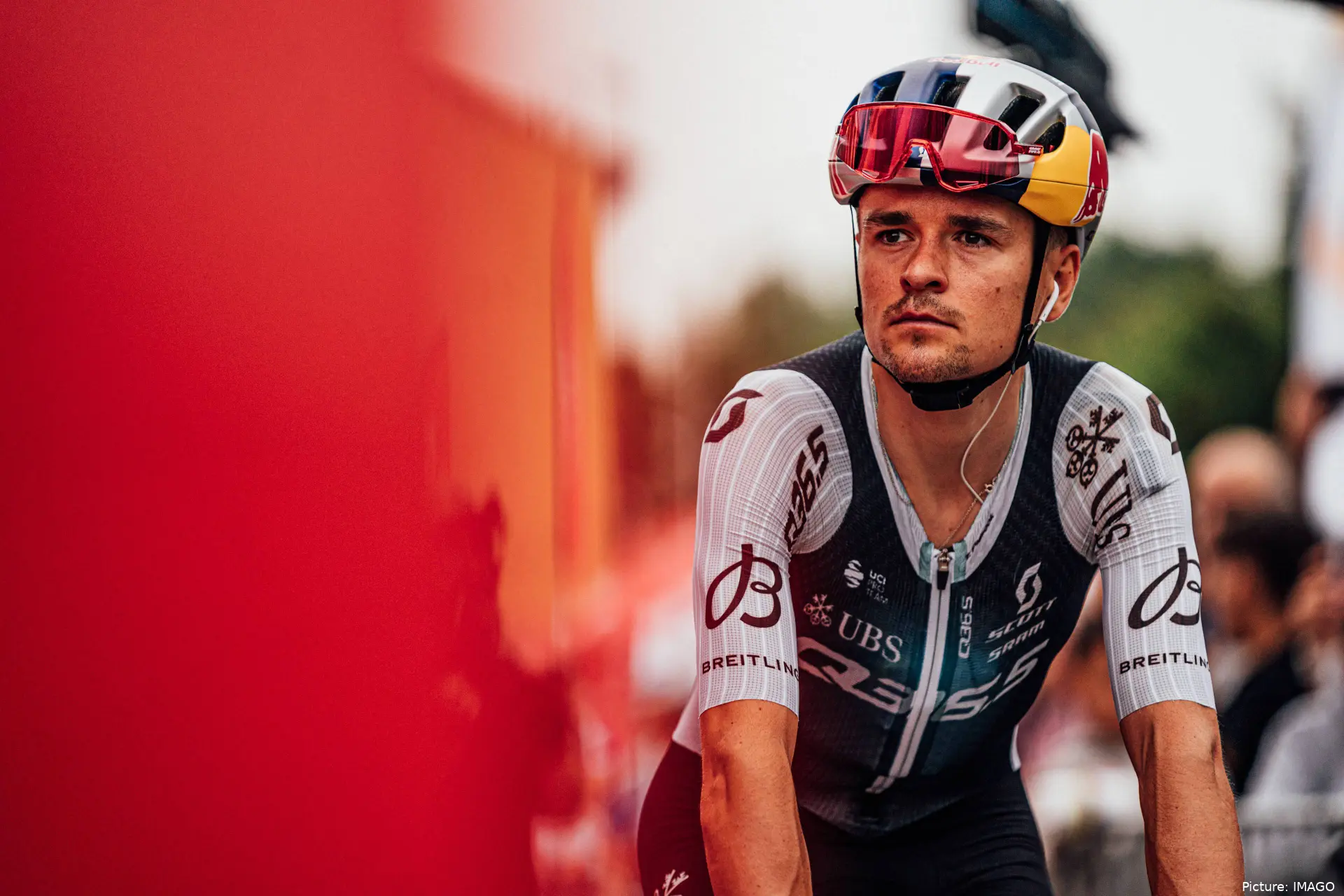
The Vuelta a Murcia will be taking place from the 13th to the 14th of February, having a two-day format this year. The race provides stages for the sprinters, classics specialists and climbers to build on their form towards bigger goals this spring, whilst providing reputable wins for those who venture out in southern Spain. We take a look at their profiles.
The Vuelta a Murcia is a race with tremendous history, decades of some of Spains' very best who have taken part in it and have won it as well. Pedro Delgado won the initial edition of the race back in 1981 whilst Miguel Induráin was the winner in 1986, both of which far before going on to Tour de France glory.
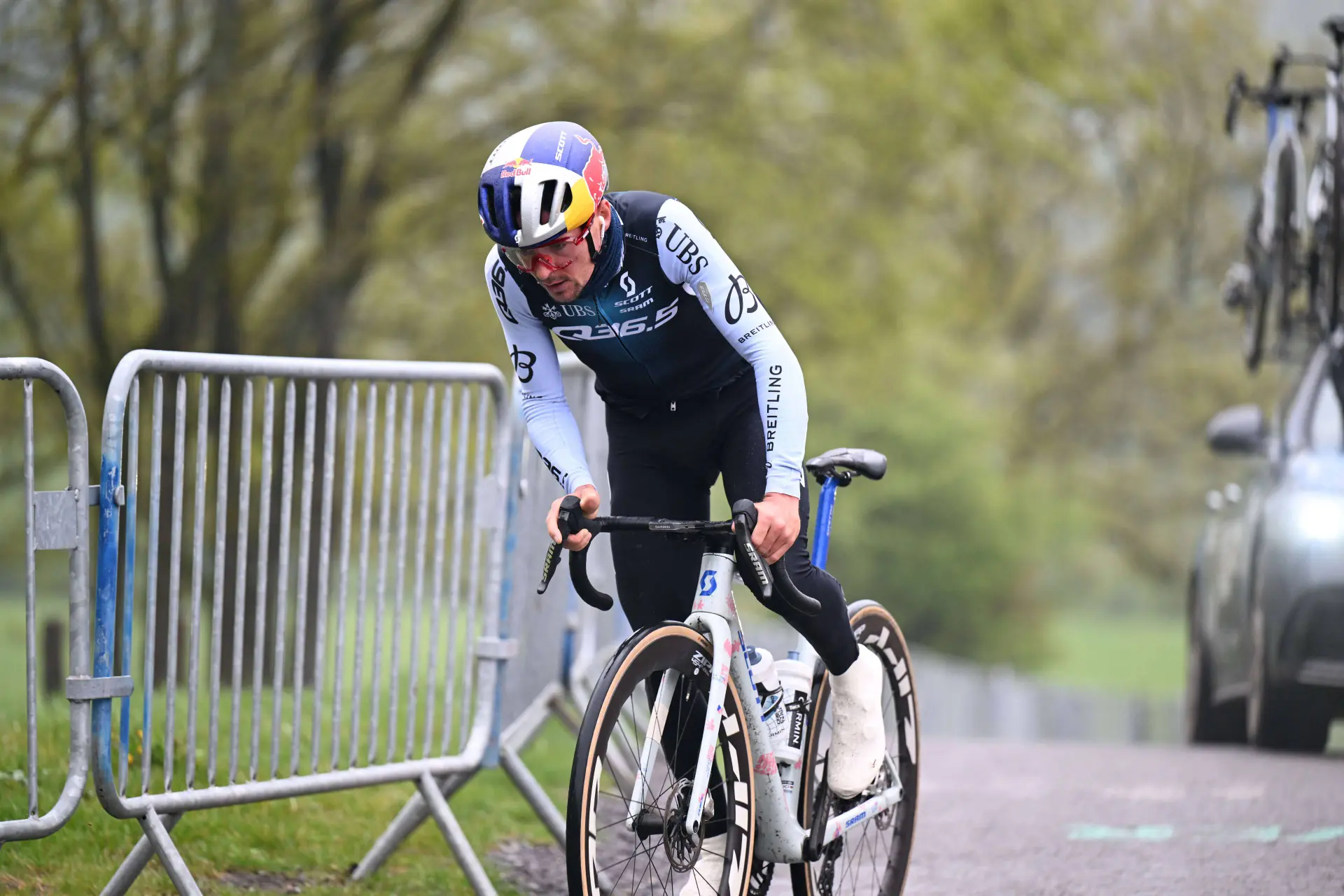
he race continued to feature prominent national and international start's throughout 1990's with Marco Pantani winning it in 1999 whilst being the Giro and Tour de France's reigning champion; Whilst this century Murcia's very own Alejandro Valverde won the race on five times in total. The likes of Denis Menchov, Alberto Contador (who was stripped of his in in 2011), Nairo Quintana and Philippe Gilbert also stand on the race's palmarès. On some years, this was a one-day race, and this has been the case since 2021. Last year it was Q36.5 Pro Cycling Team's Jan Christen who took a surprising victory in the sprint.
Profile: Cartagena - Yecla

Stage 1: Cartagena - Yecla, 178.2 kilometers
The opening stage of the race is one where all the action will be condensed in the finale. The stage starts off in Cartagena and finishes in Yecla, with a 1.3-kilometer long climb at 7% ending with just over 3 kilometers to go. The downhill finale makes it very hard to organize any chase, and we could see a late attack succeeding.
Profile: Murcia - Santomera

Murcia - Santomera, 178 kilometers
The second and queen stage of the race features a route that is more widely known by the riders, starting off from the city of Murcia and then climbing the Alto Collado Bermejo, which is 16 kilometers long at 5.5%. However, the climb is positioned in the first third of the day, and it may very well not have an effect on the outcome of the race.
Most likely, the riders will save their legs towards the ascent to Cresta del Gallo, which is 4.4 kilometers long at 6.6%, and ends with 23 kilometers to go. This ascent should split the peloton up into bits, and then the riders that remain close to the front can battle it out for the win in either a small group sprint or through tactical racing in the flat arrival to Santomera.
Prediction Vuelta a Murcia 2026 overall classification:
*** Tom Pidcock, Tim Wellens
** Marc Soler, Hector Alvaréz, Simone Velasco
* Quinten Hermans, Pello Bilbao, Raul García Pierna, Jon Barrenetxea, Lorenzo Rota
** Marc Soler, Hector Alvaréz, Simone Velasco
* Quinten Hermans, Pello Bilbao, Raul García Pierna, Jon Barrenetxea, Lorenzo Rota
Pick: Christian Scaroni
Original: Rúben Silva
Rúben SilvaEditor-in-Chief
A founding contributor to CyclingUpToDate since its launch in January 2022, Ruben Silva has played a central role in shaping the site’s editorial direction and long-term growth. Before joining the project, he built his experience through independent blogging at Echelons Hub and by producing race previews for Ciclismo Internacional, developing a strong analytical voice rooted in daily engagement with professional cycling.
Beyond editorial work, he has been closely involved in the expansion and coordination of CyclingUpToDate’s wider network, helping establish and support sister platforms across multiple languages. This includes ongoing collaboration with CiclismoAlDia (Spanish), CiclismoAtual (Portuguese), WielrennenUpToDate (Dutch), and RadsportAktuell (German), contributing to a shared editorial vision and consistent international coverage.
He also helps oversee editorial governance across the network, setting standards for accuracy and consistency and coordinating updates or corrections when needed.
Originally from the Porto metropolitan area in Portugal, he holds a bachelor’s degree in Geography. His path into cycling journalism was shaped not through formal media training, but through independent reporting, community engagement, and sustained on-the-ground involvement in the sport.
Over the course of his career, he has conducted approximately 100 interviews across road cycling and cyclocross, ranging from one-to-one conversations and online formats to press conferences and on-site pre- and post-race coverage. His interviews include leading riders, team managers, and prominent figures within cycling media: Tadej Pogacar, Jonas Vingegaard, Mathieu van der Poel, Primoz Roglic, Wout van Aert, Joao Almeida and Tom Pidcock; managers like Patrick Lefevere and Joxean Matxin; and YouTube personality Bryan Kennedy (BKXC)...
Within 18 months of launch, he helped grow CyclingUpToDate’s English-language platform into one of the most-read cycling news websites, built entirely from the ground up. As both a professional journalist and lifelong cycling enthusiast, his focus remains on delivering accurate, timely, and well-contextualized coverage.
claps 0visitors 0
Just in

Popular news
Latest comments
- i think he can continue to race for maybe another 2 years till he drops out of podium contention. With his TT and his follow the leader in the Mountains,he should not need too many teammates too.abstractengineer14-10-2026
- Aren't they still shopping around for a main sponsor for next year?wrsty14-10-2026
- How broke is visma now? wtf they cant even fight moviestar and decathlon for riders and lose both their mid targets based on their budget and they cant even get those? Crazy...:/miguel13-10-2026
- TT But he won by a minute so he could have cut down on some of it
 Rafionain-Glas13-10-2026
 - weight is measurable. power is measurable. So why didn't he prepare that way from the TDF if he wanted to beat Pogi and after Pogi wasn't going to be there, to win.abstractengineer13-10-2026
- I hope Thibau and Tibor don't do the sameRafionain-Glas13-10-2026
- Seixas is exactly what I would like Pogi to be mentally and in his statements. Both come across as shy and who don't talk much but with Seixas, you can see that he enjoys success, that it boosts his ego, unlike Pogačar who seems to feel increasingly uncomfortable the more he wins. He's won so many times, people are saying he's boring. The french media hate him for winning so much, the french cycling fans are booing him... etc. etc. But remember one thing, Seixas will never physically reach Pogi's level. He's excellent, but he isn't at that level nor will ever be. His talking to the media, his relationship with people is already at a high level.PogiSloFans13-10-2026
- Paul Seixas is now the second-best rider in the world.megasmacky13-10-2026
- When will they start dropping Pogi? Oh yeah, when Pogi reaches 40+ years, that's when young cyclists will start dropping him. But until then... eat your hearts out and cry. Pogi will remain the G.O.A.T. for years to come. Capish?PogiSloFans13-10-2026
- I figure he would have found out how to outsprint Paul and take the win, maybe. He's 28 now but I would say he's right at the peak of his powers. It was great race though, Paul showed me something different about himself.awp13-10-2026
Loading
Write a comment