Tour of Bruges 2026 preview, profile, favourites & predictions - Tour de France-level sprint field battles it out in the strong winds
Cycling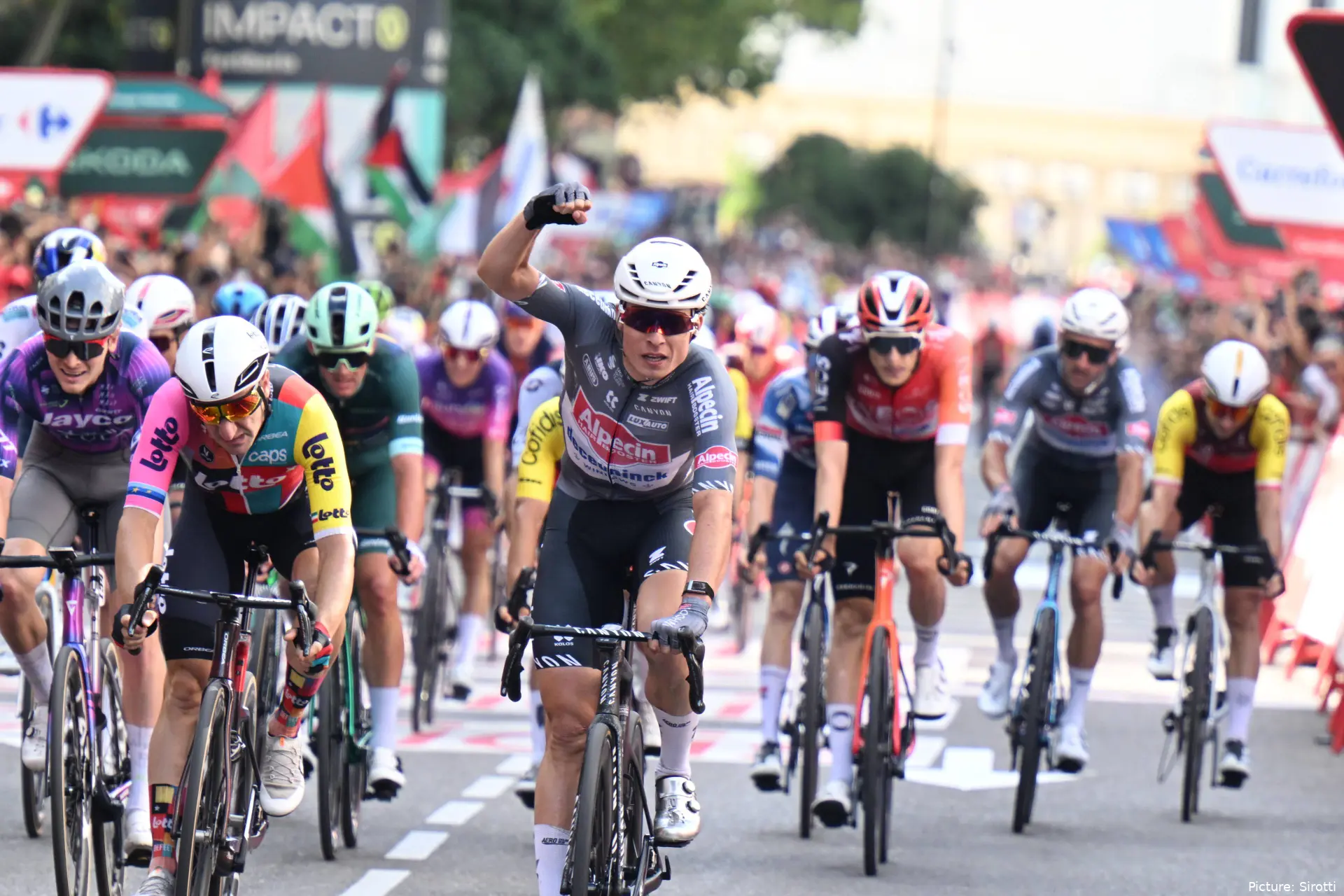
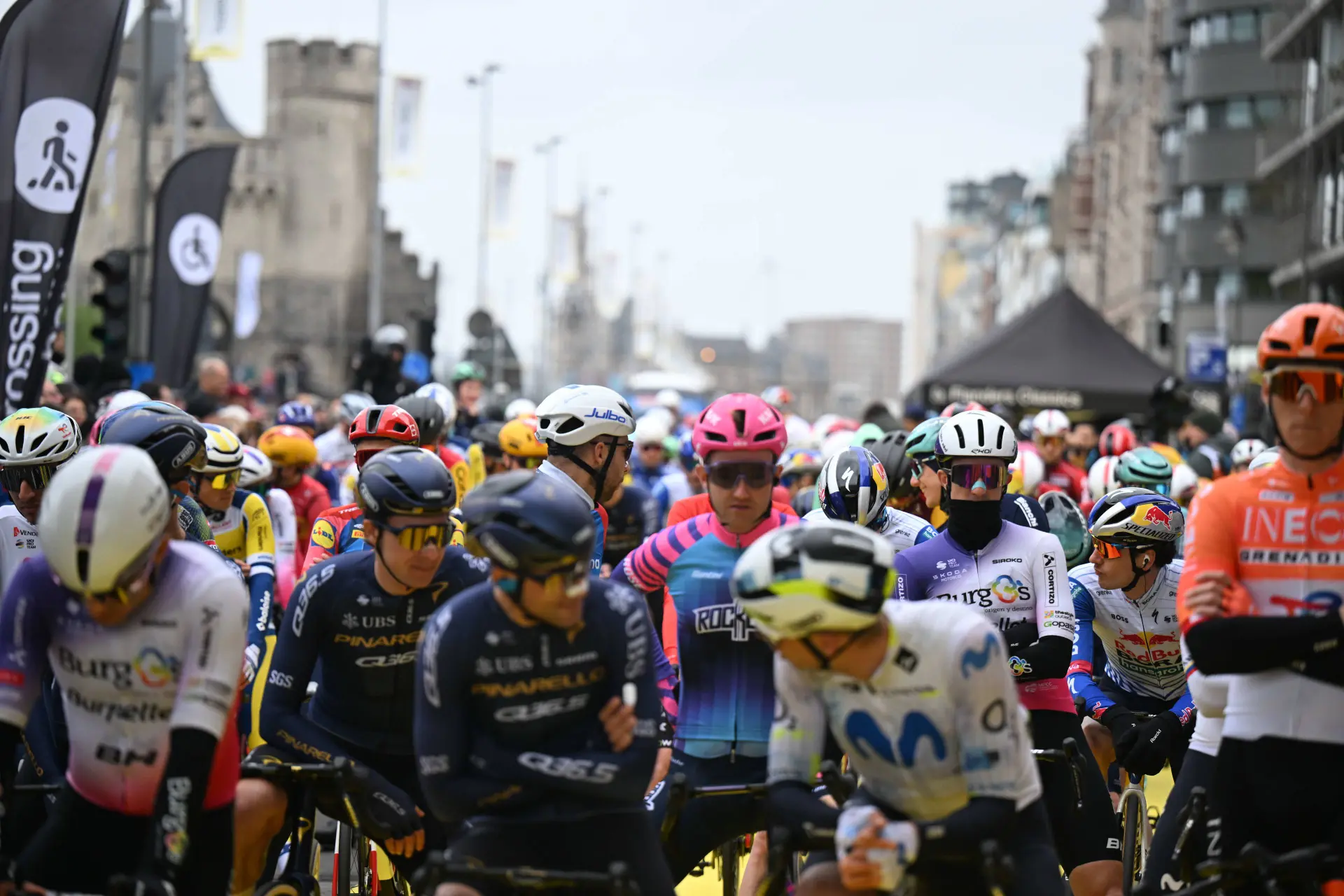
The 2026 Tour of Bruges (Ronde van Brugge) will be taking place on the 25th of March and is the first of the World Tour Belgian spring classics from the main block. The race formerly known as the Classic Brugge-De Panne is suited to the sprinters; however, usually on a route where the wind also causes chaos. We preview the race ahead, with its estimated start and finish at 13:00 and 17:05CET.
The race has gone through different formats through time, and for many years was known as the 4 Days of De Panne - a stage-race in the region which included cobbled stages, sprints and time-trialling. It was in this format that Roger Rosiers took the win in the event's first edition back in 1977, in a race that very quickly gained a top reputation in the peloton. Sean Kelly won it back in 1980, making it a very popular international, bringing it to the international eye. The likes of Johan Museeuw, Michele Bartoli and Peter van Petegem were also winners here, as were American George Hincapie and Briton David Millar most recently in 2010.
In 2018, it changed to a one-day race format, perfectly fit for the sprinters. With the exception of 2020, where the strong winds saw Quick-Step dominate and win with Yves Lampaert, every single edition has been won by a top sprinter: Elia Viviani, Dylan Groenewegen, Sam Bennett, Tim Merlier, Jasper Philipsen (both 2023 and 2024) and most recently Juan Sebastián Molano who conquered the Belgian classic ahead of Jonathan Milan in 2025 after a crash-marred finale.
Profile: Brugge - Brugge

Brugge - Brugge, 203 kilometers
The one-day race has been remodeled and what used to be a flat race starting far away from De Panne and having a long stretch before reaching the city is now more of a loop around the city of Brugge itself.
The race is 203 kilometers long and follows the same format, in the same region, only on different roads. There are three laps of a 60-kilometer-long circuit towards the end, and this one features a small cobbled sector which ends with 30 kilometers to go.
However, the threat of the race being influenced by the crosswinds diminishes as it becomes a more urban race, also with more corners and less consecutive time spent on exposed areas. The De Panne finale was extremely dangerous, however, and this was a rather logical decision at the end of the day.
Here the final kilometers have very little of technical necessities for the riders, meaning the speeds will be very high into the city and then on the city itself as well. A pure sprinter battle between many of the best in the world.
Tour of Bruges 2026 Favourites
As usual in the area, the wind will be blowing very hard, in this case from the southwest. There will be several exposed areas with crosswinds where the peloton should split apart. However, in the final kilometers, we will have an almost full frontal headwind into Bruges, which means that attacks are very unlikely to succeed, and the peloton will always have the advantage. However, the riders have to survive the echelons to then make it.
Some teams will be favoured over others due to their ability to attack or defend themselves in the crosswind.
However because it's not often that we have a world-class pure sprint race, we can make a distinction between each team's leadouts, which can be quite valuable if the wind doesn't do much damage.
Tim Torn Teutenberg - Simone Consonni - Edward Theuns - Max Walscheid - Jakob Söderqvist
Jasper Philipsen - Gerben Thijssen - Simon Dehairs - Florian Sénéchal
Sam Welsford - Ben Turner - Sam Watson
Juan Sebastián Molano - Rui Oliveira - Florian Vermeersch
Cees Bol - Tord Gudmestad
Luke Lamperti - Marijn van den Berg - Vincenzo Albanese
Soren Waerenskjold - Erlend Blikra
Dylan Groenewegen - Elmar Reinders - Niklas Larsen
Milan Fretin - Stanislaw Aniolkowski - Alexis Renard
Arvid de Kleijn - Luca Mozzato - Robin Froideveaux
Phil Bauhaus - Daniel Skerl - Alberto Bruttomesso
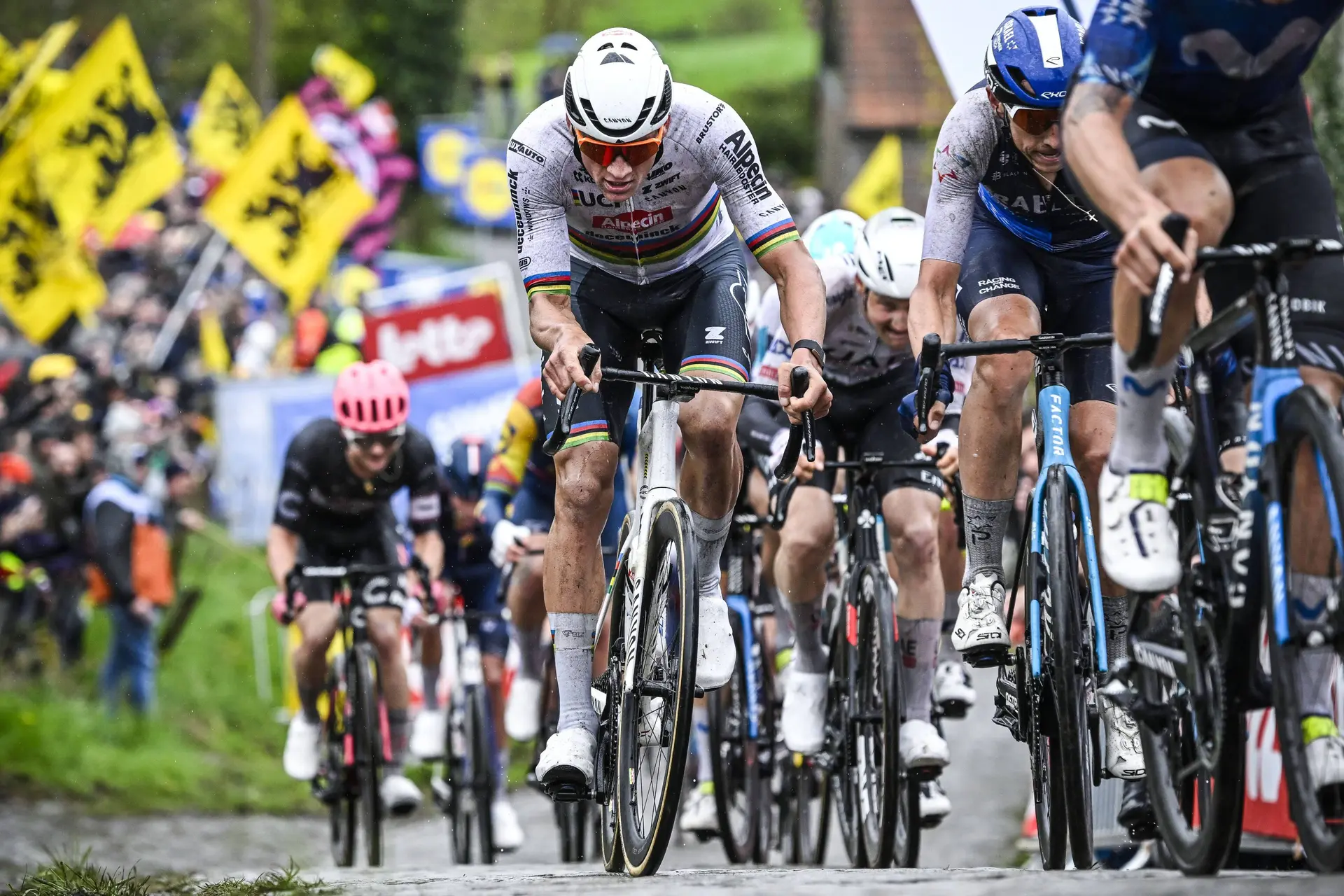
We have Lidl-Trek missing Jonathan Milan; however, having Tim Torn Teuntenberg leading their world-class leadout will make for an interesting battle. There isn't a 'man to beat' in this race, Jasper Philipsen will certainly want the win in order to increase his confidence ahead of the classics, as he hasn't taken a pure sprint win this year; Juan Sebastián Molano is the defending champion and alongside Sam Werlsford make for pure sprinters that have a lot of quality here; Dylan Groenewegen is in a similar situation only with a lot of confidence after several sprint wins... Several other riders are, honestly, at the level to win this race as well.
Furthermore we should also have other fast men be part of the finish such as Astana who are certainly backing up several riders such as Max Kanter, Davide Ballerini and Aaron Gate; Or Lotto with Vito Braet, Milan Menten and Stefan de Schuyteneer; Pavel Bittner for Team Picnic PostNL; Itamar Einhorn and Hugo Hofstetter for NSN Cycling Team; Laurenz Rex for Soudal - Quick-Step; Amaury Capiot and Luka Mezgec for Team Jayco AlUla; Matteo Milan and Paul Penhöet for Groupama - FDJ; Tom Crabbe for Team Flanders - Baloise; and Emillien Jeannière, Jason Tesson and Lorrenzo Manzin for TotalEnergies.
Prediction Tour of Bruges 2026:
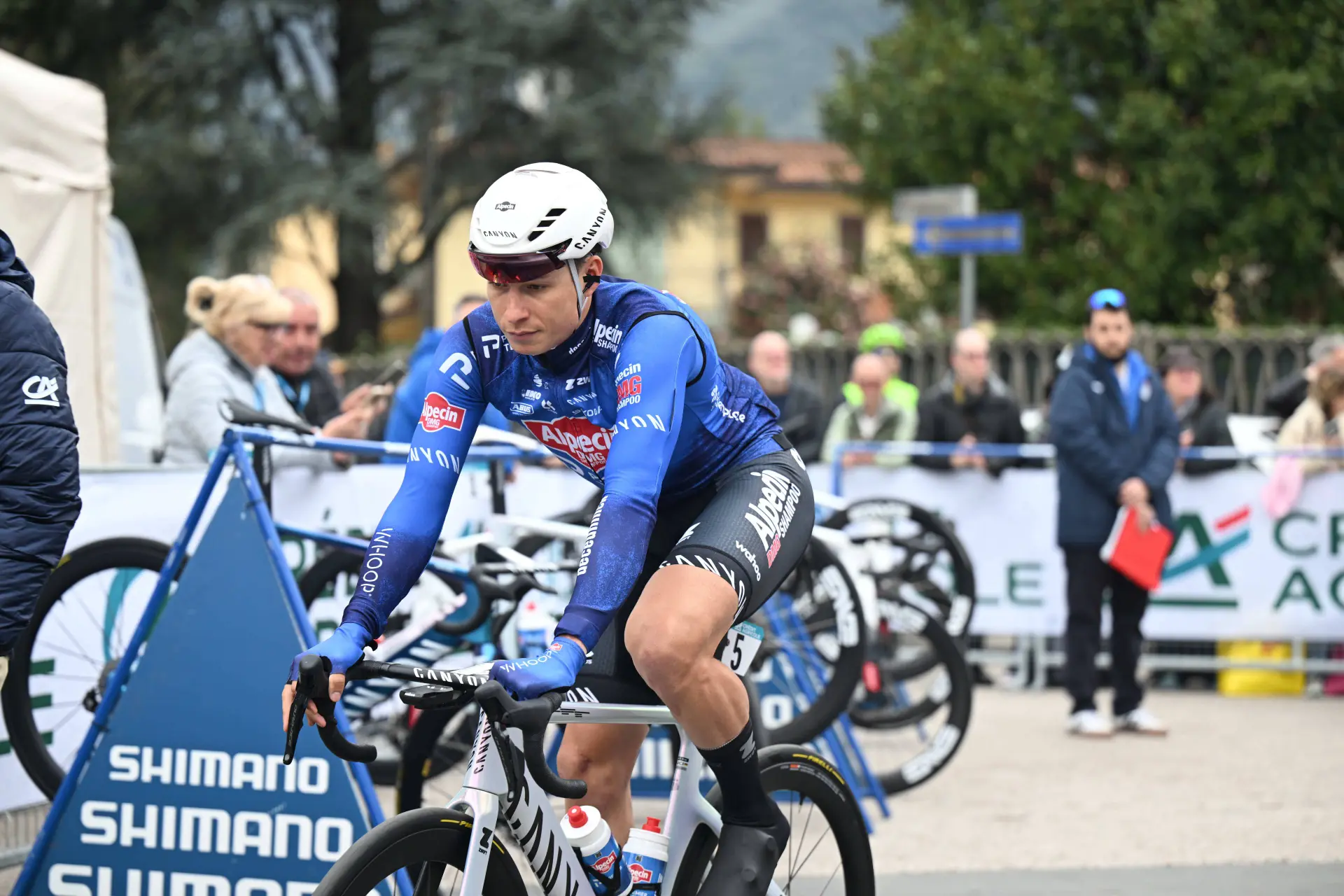
*** Jasper Philipsen, Dylan Groenewegen, Juan Sebastián Molano
** Sam Welsford, Tim Torn Teutenberg, Soren Waerenskjold
* Luke Lamperti, Marijn van den Berg, Cees Bol, Milan Fretin, Arrvid de Kleijn, Phil Bauhaus, Max Kanter, Pavel Bittner, Paul Penhöet, Emillien Jeannière
** Sam Welsford, Tim Torn Teutenberg, Soren Waerenskjold
* Luke Lamperti, Marijn van den Berg, Cees Bol, Milan Fretin, Arrvid de Kleijn, Phil Bauhaus, Max Kanter, Pavel Bittner, Paul Penhöet, Emillien Jeannière
Pick: Dylan Groenewegen
How: Regular bunch sprint, but not with a compact peloton.
Original: Rúben Silva
Rúben SilvaEditor-in-Chief
A founding contributor to CyclingUpToDate since its launch in January 2022, Ruben Silva has played a central role in shaping the site’s editorial direction and long-term growth. Before joining the project, he built his experience through independent blogging at Echelons Hub and by producing race previews for Ciclismo Internacional, developing a strong analytical voice rooted in daily engagement with professional cycling.
Beyond editorial work, he has been closely involved in the expansion and coordination of CyclingUpToDate’s wider network, helping establish and support sister platforms across multiple languages. This includes ongoing collaboration with CiclismoAlDia (Spanish), CiclismoAtual (Portuguese), WielrennenUpToDate (Dutch), and RadsportAktuell (German), contributing to a shared editorial vision and consistent international coverage.
He also helps oversee editorial governance across the network, setting standards for accuracy and consistency and coordinating updates or corrections when needed.
Originally from the Porto metropolitan area in Portugal, he holds a bachelor’s degree in Geography. His path into cycling journalism was shaped not through formal media training, but through independent reporting, community engagement, and sustained on-the-ground involvement in the sport.
Over the course of his career, he has conducted approximately 100 interviews across road cycling and cyclocross, ranging from one-to-one conversations and online formats to press conferences and on-site pre- and post-race coverage. His interviews include leading riders, team managers, and prominent figures within cycling media: Tadej Pogacar, Jonas Vingegaard, Mathieu van der Poel, Primoz Roglic, Wout van Aert, Joao Almeida and Tom Pidcock; managers like Patrick Lefevere and Joxean Matxin; and YouTube personality Bryan Kennedy (BKXC)...
Within 18 months of launch, he helped grow CyclingUpToDate’s English-language platform into one of the most-read cycling news websites, built entirely from the ground up. As both a professional journalist and lifelong cycling enthusiast, his focus remains on delivering accurate, timely, and well-contextualized coverage.
claps 2visitors 1
Just in

Popular news
Latest comments
- Individual Gautherat is the most exciting given his age too I agree. But Frigo and Balderstone for uae will be super valuable as doms areound those leaders. UAE just quitly uppgrade w/stronger and younger guys. Sivakov was on the down and Frigo replace all that with bigger engine. Balderstone seems like another brilliant under the radar pickup UAE is masters off....so exhausting they never missmiguel25-10-2026
- Surprised it’s that inexpensive!Lozza25-10-2026
- Nah, I like it here. I like a challenge, against the people who hate me here. Jumping John, you ain't getting rid of me :))PogiSloFans25-10-2026
- Pogi deserves every penny he gets paid... and he's the only cyclist that should be paid more. If he's two classes above everyone else, his salary should also be. Ad acta.PogiSloFans25-10-2026
- It’s not only that, it’s this obsession with running after money, whether it be teams, riders, sponsors, broadcasters. As soon as one player gets ahead, others feel obliged to match their moves with increases for fear of losing out and for fear of someone else following in your place instead without looking at the long-term consequences of blindly following. Other sports ahead (or behind depending on how you look at it) in such matters should serve as a warning but humanity has a habit of heading straight into walls even when the writing is on it. When financial objectives and limits aren’t clear, it’s impossible to manage any organisation, you can’t even recruit the right riders or tell them what is needed to make sure they’re a good fit because you can’t clearly explain what they can expect. Not all riders are motivated by money alone and some of the teams are proof of that.Jumpyjohn25-10-2026
- To be honest, their signings weren't actually too bad. Oscar and Kevin had great 2025 seasons. Most of the top leaders were signed. But Red Bull, Lidl-Trek and Pinarello showed that that's not actually the coast. So team culture is probably the foremost reason. Whether there's a bad sporting culture now is debatable, but certainly there's the past. 2024 was the end of the old Ineos (it was not actually transition, it was slow decline)
 Rafionain-Glas25-10-2026
 - FYI. Pogi made his World Tour debut at the TDU in 2019. I remember it well because someone said watch out for Pogi as he did a good time up Corkscrew during training. Who would have thought he'd end up as the GOAT.Santiago25-10-2026
- FYI. Pogi's first World Tour race was at the TDU in 2019. I remember it well because someone said watch out for Pogi as he did a good time up Corkscrew during training. Who would have thought he end up as the GOAT.Santiago25-10-2026
- 50 million isnt low. But if you hire super domestiques for a million and 3rd rung leaders for 3-5 million, natural you dont have money left not the results expected. Most monuments and TDF are out of reach due to Pogi. But there were a promising 2nd rung leaders on the market and they went for broke to get Onley and Kevin. I put their entire troubles due to mismanagementabstractengineer25-10-2026
- I think it’s becoming clear that cycling got way ahead of itself for a few reasons and is now coming to the realisation that some rider salaries just exploded without justification and it snowballed until sponsors started pulling money out because THEY did not see any return on increased costs. Cycling is still a dying sport (that never moved out of the niche family) and will remain so if it doesn’t embrace and promote new ventures or manage to attract new markets. Even within cycling, fans are basically compartimentalised, (almost nobody here follows track for example), and the multiplication of possibilities hasn’t grown the sport, it has just split it into a larger number of smaller branches. If it weren’t for nation state sponsors (far too numerous already) other teams would never have (had to resort to) raised bigger budgets that are now leading to sponsor abandonment. That’s the difference between long-term steady growth and financial doping, the latter can also just blow up in your face. I will venture to wager that apart from one or two exceptional cases, rider salaries will no longer go up and are quite likely to actually drop over the next decade.Jumpyjohn25-10-2026
Loading
2 Comments