Opinion: Sepp Kuss stared death in the face without realising it – he lost the 2026 Tour’s queen stage but may have lived the luckiest day of his life
Cycling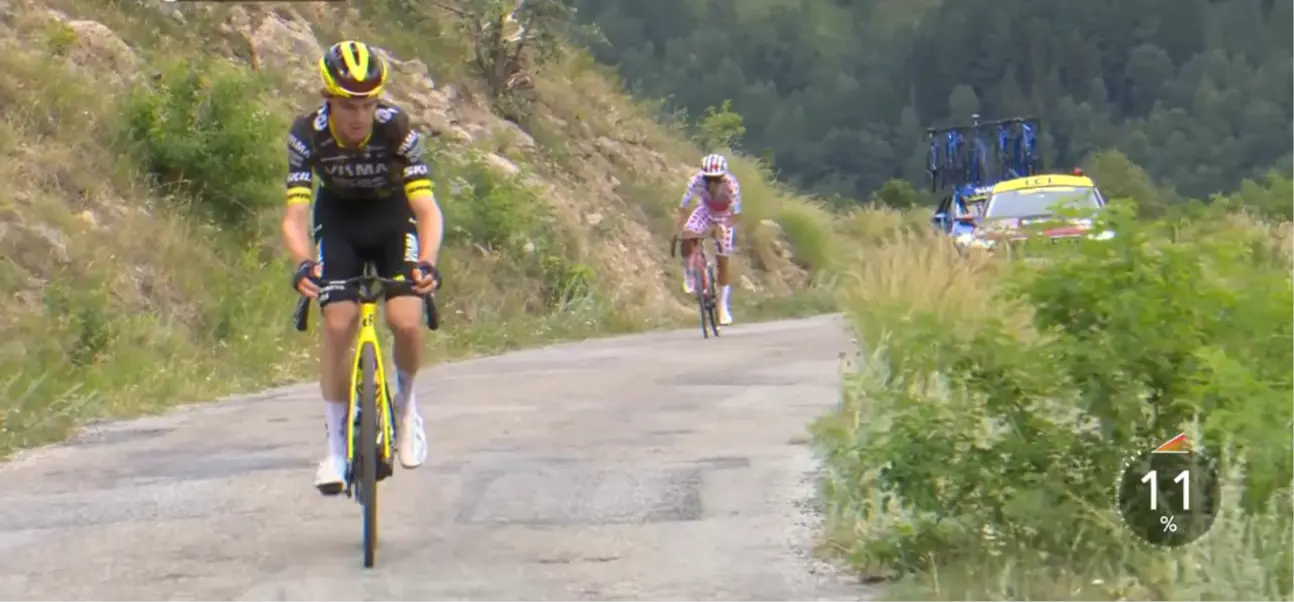
For Sepp Kuss, the immediate story of Stage 20 of the 2026 Tour de France was heartbreak. He had been the strongest climber in the breakaway, had dropped Richard Carapaz on the Col de Sarenne and appeared to be riding towards victory on the queen stage. Two crashes in quick succession changed everything.
By the time Kuss reached the finish on Alpe d’Huez, Carapaz had taken the victory, Remco Evenepoel had passed him for second place and the American was left with third. Yet the result may soon become almost irrelevant.
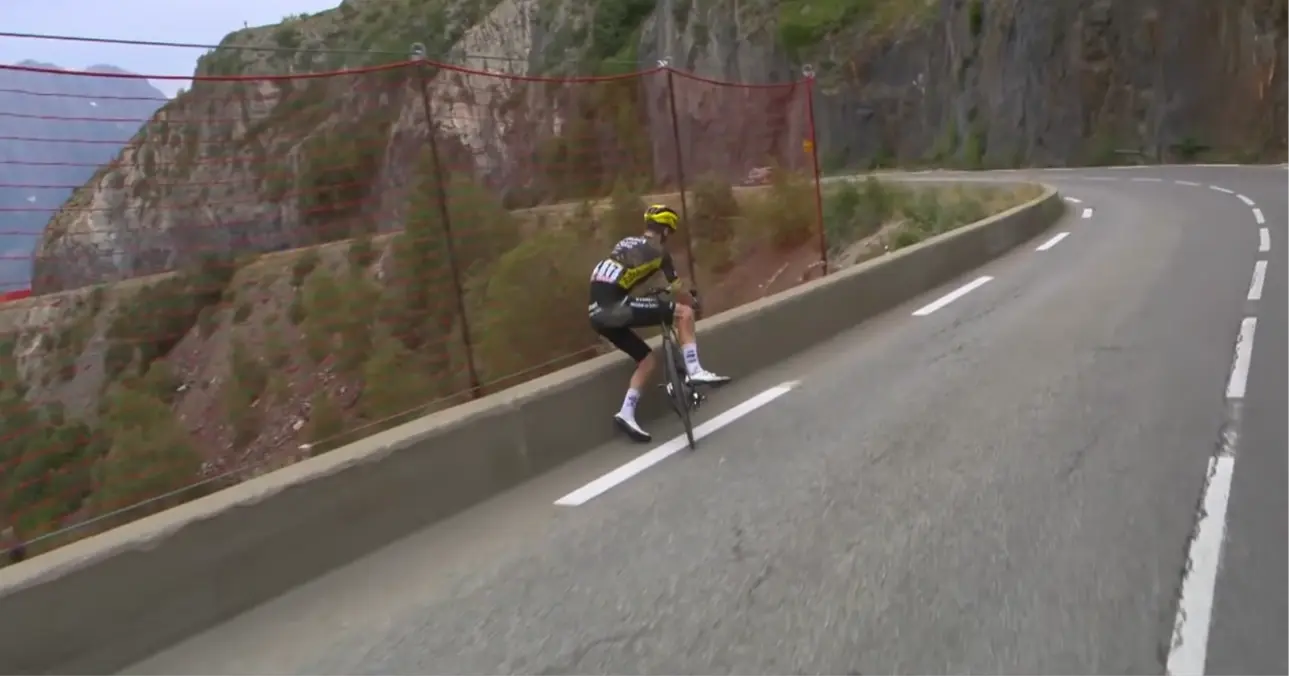
Only after seeing the television images could Kuss and those close to him fully appreciate what had happened. His second crash did not merely cost him a Tour de France stage. A safety net prevented him from disappearing into the ravine immediately beyond the road.
Move the incident only a few metres to the side, and this would no longer have been a story about losing a bike race.
Visma built the entire stage around Kuss
After Jonas Vingegaard’s Tour ended with a fractured collarbone on Stage 15, Team Visma | Lease a Bike had to completely reconsider its final week. Kuss acknowledged that the team missed its leader but immediately identified the last Alpine stages as opportunities to rescue something from a difficult Tour.
He joined the breakaway on Stage 19 and tried again one day later. This time, Visma committed fully to the plan. Matteo Jorgenson, Bruno Armirail and Davide Piganzoli were among the riders supporting Kuss at the front, with the objective unmistakable: put the former Vuelta a España winner in position to win.
Kuss justified that confidence. He survived the brutal selection on the Col du Galibier and then proved to be the strongest man on the Col de Sarenne. One by one, his remaining companions disappeared from his wheel. Even Carapaz, one of the finest pure climbers in the peloton, could not follow.

Richard Carapaz at the 2026 Tour de France
Kuss reached the plateau alone with a lead of around 15 seconds. Behind him, the group containing Tadej Pogacar was too far away to contest the victory. For the first time since Vingegaard’s withdrawal, Visma appeared certain to end the Tour with the emotional mountain-stage success it had been chasing.
The first crash changed everything
Inside the final ten kilometres, Kuss crashed for the first time away from the television cameras. He returned to his bicycle quickly and initially retained the lead, but his own explanation afterwards suggested the incident had affected much more than his advantage.
“I was definitely not so clearheaded,” Kuss admitted. He had made an enormous effort over the Sarenne, was trying to protect his narrow lead over Carapaz and wanted to extract every possible second from the corners. After misjudging one bend, he then made another mistake almost immediately.
That sequence matters. The first fall did not simply delay him. Kuss was exhausted, under pressure and, by his own admission, no longer thinking entirely clearly. Only moments later came the incident that could have had consequences far beyond the outcome of the stage.
He slid over the edge of the road and into the safety netting. Directly beyond it was a vast drop. The cords caught his body and prevented him from falling into the ravine.
Kuss climbed out, recovered his bicycle and continued racing.
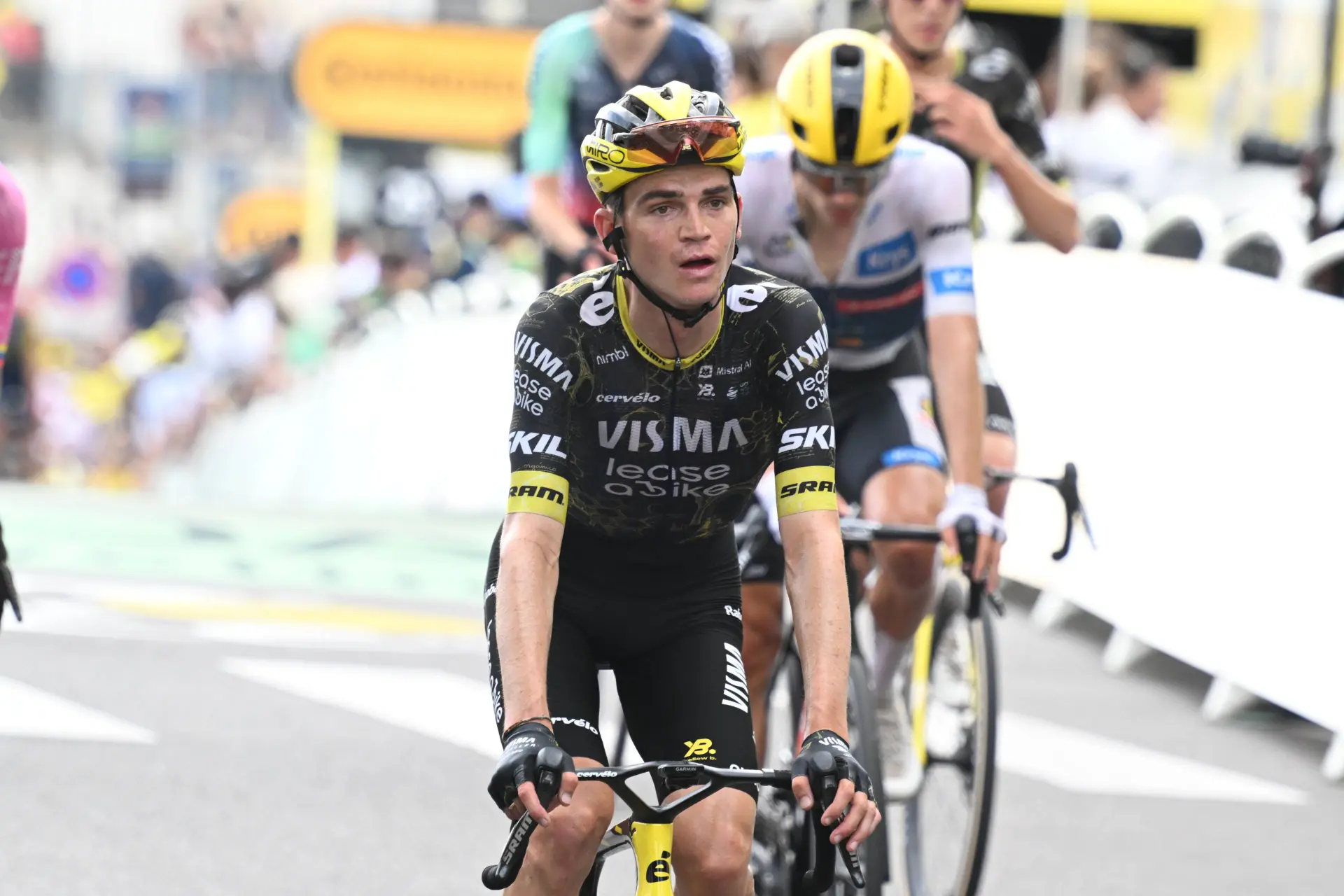
Carapaz passed him and ultimately won the stage by 26 seconds over Evenepoel, with Kuss finishing third at 31 seconds. Considering that his advantage had been only a handful of seconds before the two crashes, the time gaps underline how close he had been to winning before everything unravelled.
Kuss did not yet understand what he had escaped
His reaction after the finish was strikingly calm.
“For me it wasn’t too scary,” Kuss said. “I thought I saw the line of the corner. Fortunately, there was some netting there, so I didn’t hurt myself.”
That response suggests he had not yet seen the images from the outside. From the saddle, the incident had apparently felt like another crash in an exhausting finale. Even after returning from the podium, where he received the combativity award, Kuss spoke primarily about the two falls and the stage victory that had escaped him.
His disappointment was understandable. He had been alone at the front of the Tour’s queen stage, had dropped Carapaz through strength and appeared to have completed the hardest part of the task. Without the crashes, he would at the very least have entered the final kilometres as the clear favourite for victory.
Visma sports director Marc Reef shared that sporting frustration. The team had placed four riders in the breakaway and executed its plan, only to see the result disappear in the finale. Reef had not clearly witnessed the first accident either, but stressed how fortunate it was that the protective netting and padding had been installed.

Sepp Kuss at the 2026 Tour de France
From the cruellest defeat to the greatest escape
On Saturday evening, Kuss could reasonably regard Stage 20 as one of the most painful missed opportunities of his career. Carapaz celebrated a second stage victory and the mountains jersey, while the American was left contemplating how a performance worthy of victory had ended in third place.
That feeling may change once his family, friends and teammates show him the footage.

The safety net was not merely there to soften an ordinary fall. It stood between Kuss and the abyss. Had he lost control only a few metres earlier or later, there may have been nothing capable of stopping his momentum. In that context, the lost stage victory suddenly becomes a secondary detail.
Kuss will ride into Paris knowing that he came within seconds of winning on Alpe d’Huez. More importantly, he will arrive there after coming frighteningly close to never leaving the mountain at all.
He later said: "It was a little scary, so I’m sorry to my wife and family who were watching."
Stage 20 appeared to be a day of strength, hope, chaos and disappointment. With time, Sepp Kuss may remember it very differently.
Not as the day the American lost the Tour de France queen stage—but as perhaps the luckiest day of his whole life.
Read also
claps 22visitors 8
Top comment
MajorPayne26-07-20263
Tadej? ;)
Just in
Popular news
Latest comments
- WTF? What should I apologize for? Did you understand what I wrote?MajorPayne15-10-2026
- Could we give Seixas time to be Seixas and not make comparisons too soon? Maybe it’s my age speaking, but he’s a mere 20, barely started. Sure, a phenom, but so young. Will he win 8 Monuments like van der Poel so far, will he win 4 grand tours like Vingegaard? Those have been the two seconds to Pogačar’s first, since covid. Yes, there’s an eventual changing of the guard, but Seixas will need time to build the palmares to make his case. Might we please give him that time (while we enjoy the hell out of his riding)?RidesHills15-10-2026
- You've been dropped multiuple times from this site LOL !frieders315-10-2026
- 'Seixas will never each Pogi's level?' WTF...you have a crystal ball or you just blowing more smoke here !frieders315-10-2026
- lol great point, but the riders have to do something. I know these are open roads, lots of cars, but these is not good for the riders of course.mij15-10-2026
- its kind of hard to believe that standing at the starting line in protest, at a race that didn't have a saftey issue, hasn't fixed the problem......jad2914-10-2026
- Comparing young riders to greats leaves them open for failure and disappointment. At one time, Moscon was compared to Boonen by his team and it turned out nothing like that. Currently its a very crowded space especially with Pogi wining everything.abstractengineer14-10-2026
- This is crazymij14-10-2026
- This is crazymij14-10-2026
- This is crazymij14-10-2026
Loading

5 Comments