"The solution is to make spectators understand that they must respect the riders": Tour de France director defends Alpe d’Huez safety after Rubio crash
Cycling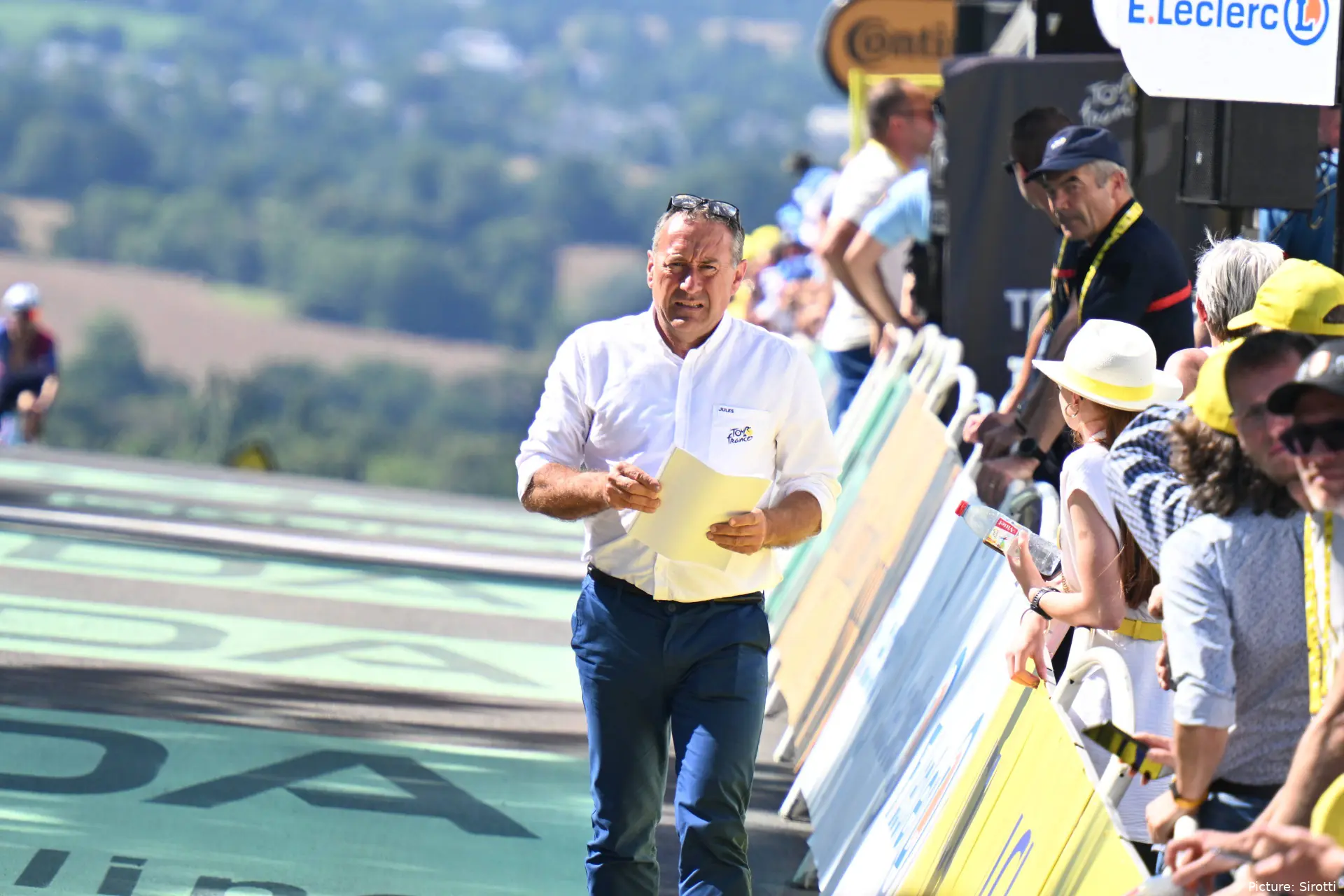
The chaotic scenes on Alpe d’Huez during stage 19 of the Tour de France have sparked fresh debate over spectator safety after Einer Rubio was forced to abandon following a heavy crash behind the UAE Team Emirates - XRG team car. Despite widespread criticism, Tour organisers insist they had already taken extensive measures and argue that fan behaviour, not a lack of security, remains the biggest challenge.
ASO blames modern technology and fan behaviour
Rubio crashed after Tadej Pogacar had passed him on the final climb when the UAE team car suddenly braked after a spectator fell onto the road. The Colombian smashed through the rear window of the vehicle, suffered facial injuries requiring 20 stitches, and was forced to abandon the Tour.
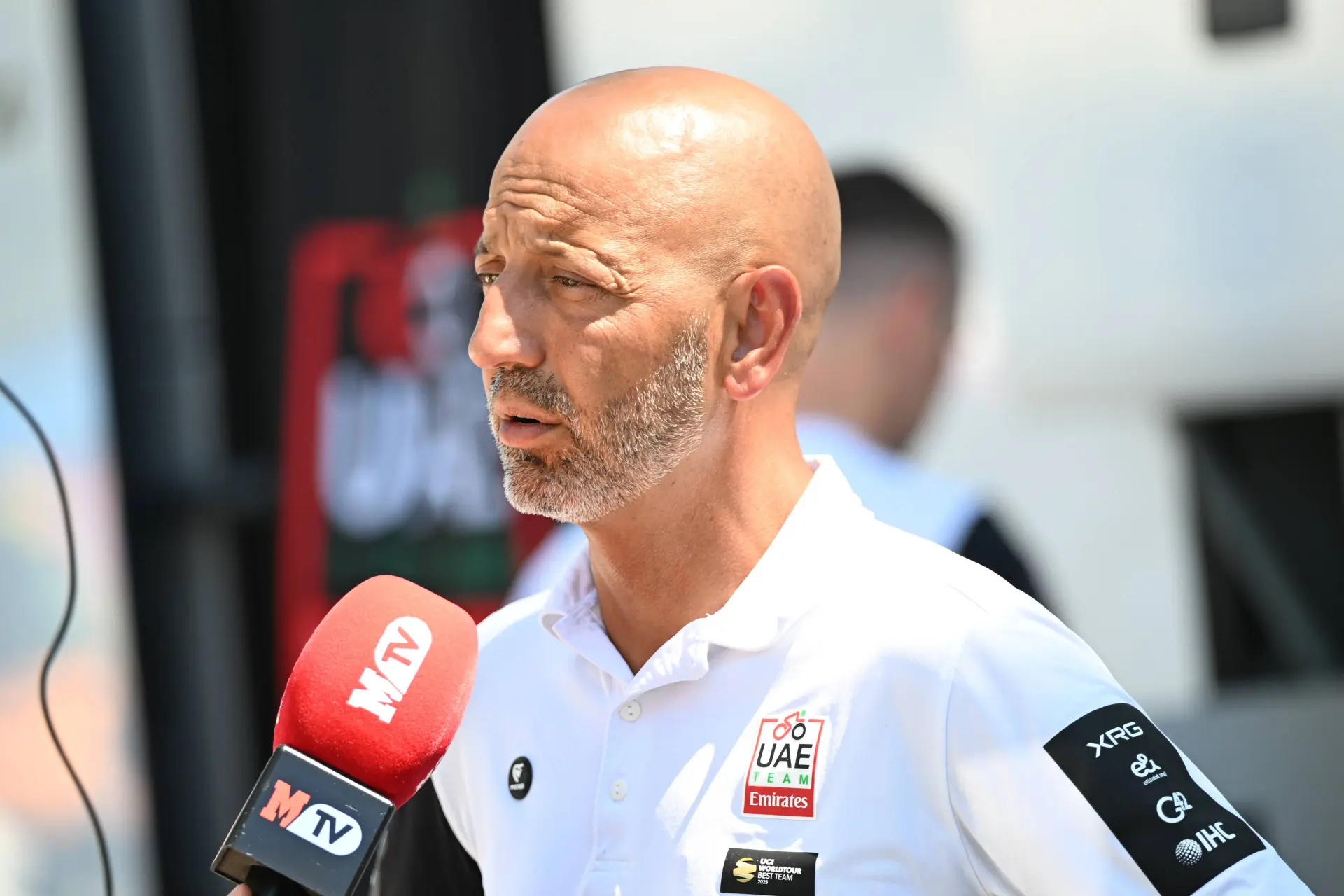
Tour route director Thierry Gouvenou rejected suggestions that organisers had failed to protect the riders.
“Could the accident have been avoided? Maybe every accident can be avoided once it happens, but it's clear that today's cars have sensors everywhere,” he said in words to Sporza.
Read also
According to Gouvenou, the team's modern support vehicle detected the fallen spectator, automatically braked, and even stalled. “The car detected a spectator who had fallen in front of it, braked abruptly, and the engine stopped. If we had been using cars that were twenty years older, the accident would not have happened.”
He also admitted the huge number of fans on Alpe d'Huez continues to concern organisers. “It's always astonishing to see how these crowds gather and prepare for months to come here.”
“There's a myth surrounding Alpe d'Huez that makes all the supporters want to meet at this particular place. We don't know exactly why, because the climb isn't any harder than other mountain passes. But Alpe d'Huez is legendary and everyone wants to be there. It's true there were an incredible number of people yesterday. That still worries us.”

Tadej Pogacar won stage 19 on Alpe d'Huez
Organisers insist more restrictions are not the answer
Gouvenou stressed that ASO had significantly increased safety measures compared to previous editions of the Tour. “We already took measures. We closed Alpe d'Huez the day before at 2 p.m. to prevent more vehicles from driving up.”
“Compared to previous years, we installed many more barriers. We put up ropes and posts, and deployed more police officers on the climb.”
Even so, he acknowledged that no amount of infrastructure can completely eliminate reckless behaviour. “The vast majority of spectators behave reasonably well. We see fewer people running alongside the riders, but there is still a small percentage who do all sorts of things and spoil the celebration.”
Read also
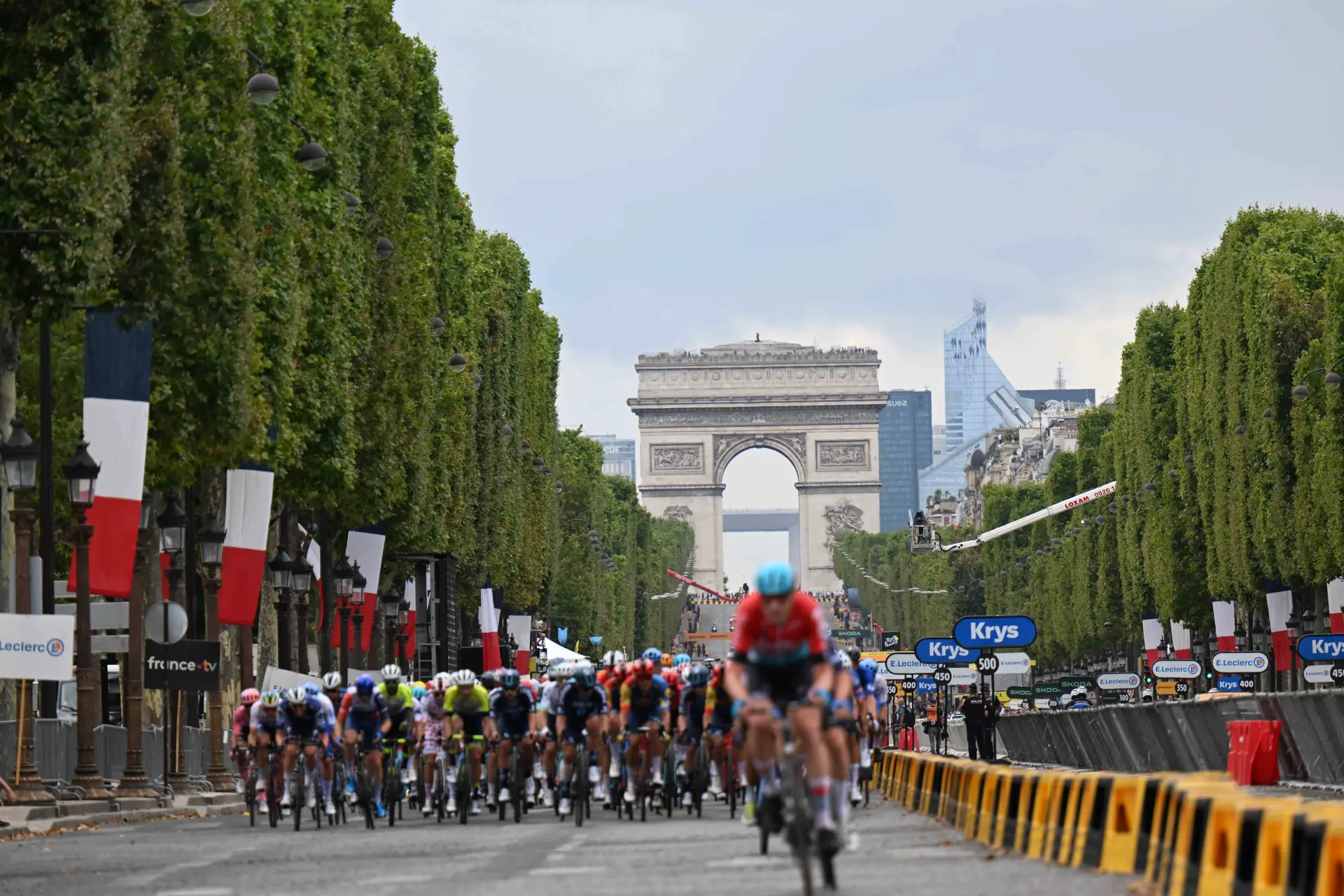
When asked whether continuous barriers along the entire climb could solve the problem, Gouvenou remained unconvinced. “You could also ban spectators,” he replied. “We can put up fences, but will the supporters stay behind them? I remember the last time in the Basque Country when we installed barriers on the final climb and the supporters simply climbed over them.”
For Gouvenou, the long-term solution lies in changing fans attitudes. “It's not that simple. Above all, it has to come from the mindset of the supporters. The solution is to make spectators understand that they must respect the riders. Restrictive measures alone will not be enough.”
He also dismissed the idea of charging fans to access iconic climbs. “That doesn't fit with the spirit of the Tour. It's a free sport for spectators. That's one of cycling's greatest strengths. That's not the road we should follow.”
Félix SernaCycling Journalist
Félix Serna is a writer at CyclingUpToDate and has been part of the team since 2025. He covers professional cycling across both the men’s and women’s calendars, with a focus on UCI rankings, race developments, and rider performance. His work includes interview-based reports, liveblogs, and tournament coverage designed to provide clear, accurate context throughout the season.
In his reporting, Félix regularly uses ProCyclingStats for results, statistics, and historical reference. He places strong emphasis on careful sourcing, editorial accuracy, and updating articles promptly when new, verified information becomes available. He holds a bachelor’s degree in International Studies.
claps 2visitors 2
Just in
Popular news
Latest comments
- Campenaerts looked like a rolling pumpkin with that all orange leaders skinsuit !frieders318-10-2026
- He can take his dumb a$$ politics somehwere else !frieders318-10-2026
- good to have her back. fingers crossed she‘ll be able to stay!Ketterechts17-10-2026
- A tenner and he wins the Tour next year, too 😂anonymouscyclist17-10-2026
- the answer is either stick to classics or GTs but not bothabstractengineer17-10-2026
- the exodus already stared with Ciccone. Already they were struggling with two sprinters, now there are three. Also Ganna will demand leadership. Gall is the most proven GC, Ayuso has the most potential. GC leadership for everybody will be impossible. Literally a UAE style mess without pogi.abstractengineer17-10-2026
- I raced as an amateur for 12 years, including six years on my country’s national road cycling team. I secured two national titles and competed in three World Championships plus more than 15 international stage races. At 23, we travelled to Italy for a training camp—or so I assumed. On a rest day, we watched a presentation about adopting a more “professional” training approach. It was crystal clear what “professional” meant. That moment first exposed me to this dilemma. After returning from Italy, I left cycling—at least at the competitive level I had known. Over the following two years, the whole team was caught doping. I hold that everyone is innocent until proven guilty. In my view, current stakeholders operate on a different scale, and the sums involved are vast. I am unsure whether any doping would ever be revealed. I try to stay positive and enjoy the show. My 2c.
 vannpelt17-10-2026
 - Fiver he wins 🤣
 leedorney17-10-2026
 - “…measures to reduce speeds.” Might as well shorten the race course to just 50km as well? ASO generates at minimum €300m a year and 30- 40% profit. Maybe stop being greedy and spend more of the profit to protect the riders instead.b3tlla17-10-2026
- he also had quite the life off the bike during his pro years. he used his celebrity status to full affect.mij17-10-2026
Loading
1 Comments