The 2027 cycling transfer market weakens Tadej Pogacar and several other top teams for one major reason
Cycling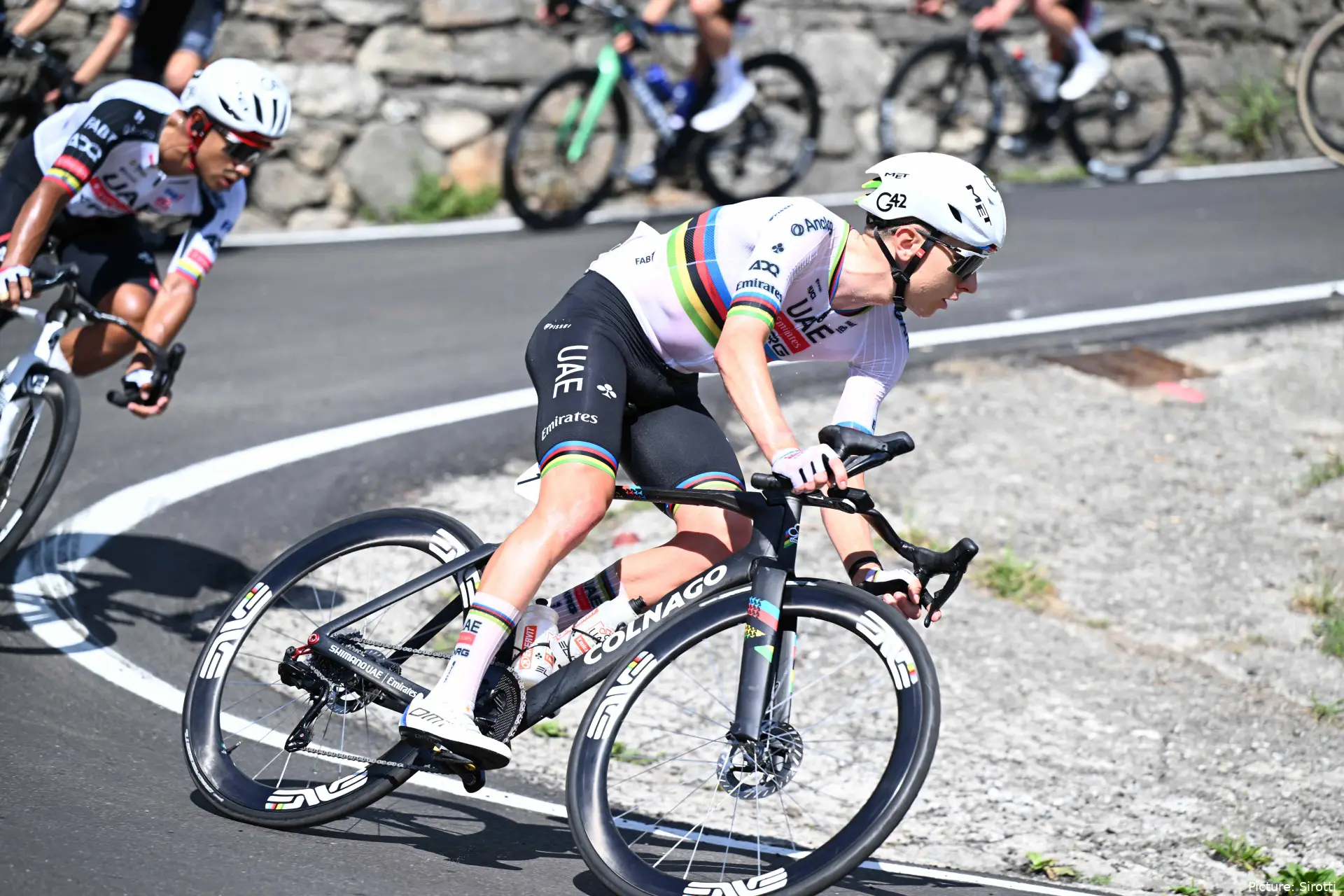
In modern cycling, signing a star does not always guarantee the strongest team. Behind the victories of Tadej Pogacar, Remco Evenepoel and Jonas Vingegaard are riders who sacrifice their own chances to control races, make the mountains harder, protect their leaders and solve tactical problems.
That is why the 2027 transfer market could have significant consequences for some of the peloton’s biggest teams: several squads have lost support riders who may prove much harder to replace than expected.
UAE Team Emirates XRG and Red Bull - BORA - hansgrohe face significant departures, while Lidl-Trek and Decathlon CMA CGM are among the teams best placed to benefit from the moves. This is not simply a matter of changing names on a roster, but of shifting the balance of strength around the leading riders.
UAE has built one of cycling’s strongest squads, but it also needs to retain a collective structure capable of backing Pogačar throughout the season. In 2027, it will lose Pavel Sivakov, who is joining Decathlon CMA CGM, and Igor Arrieta, who will continue his career at Lidl-Trek.
Sivakov’s departure is particularly significant given his ability to work in the mountains. The Frenchman has been a valuable asset in Grand Tours and stage races, where he can raise the pace and support the leaders on demanding days. He does not have the profile of the team’s biggest stars, but his value lies precisely in being able to do that work without needing opportunities of his own.
Arrieta, meanwhile, is a more versatile rider with room to develop. His ability to perform across different terrain makes him useful in both one-day races and stage events. His departure also means losing a young option from a squad that needs depth to compete on several fronts.

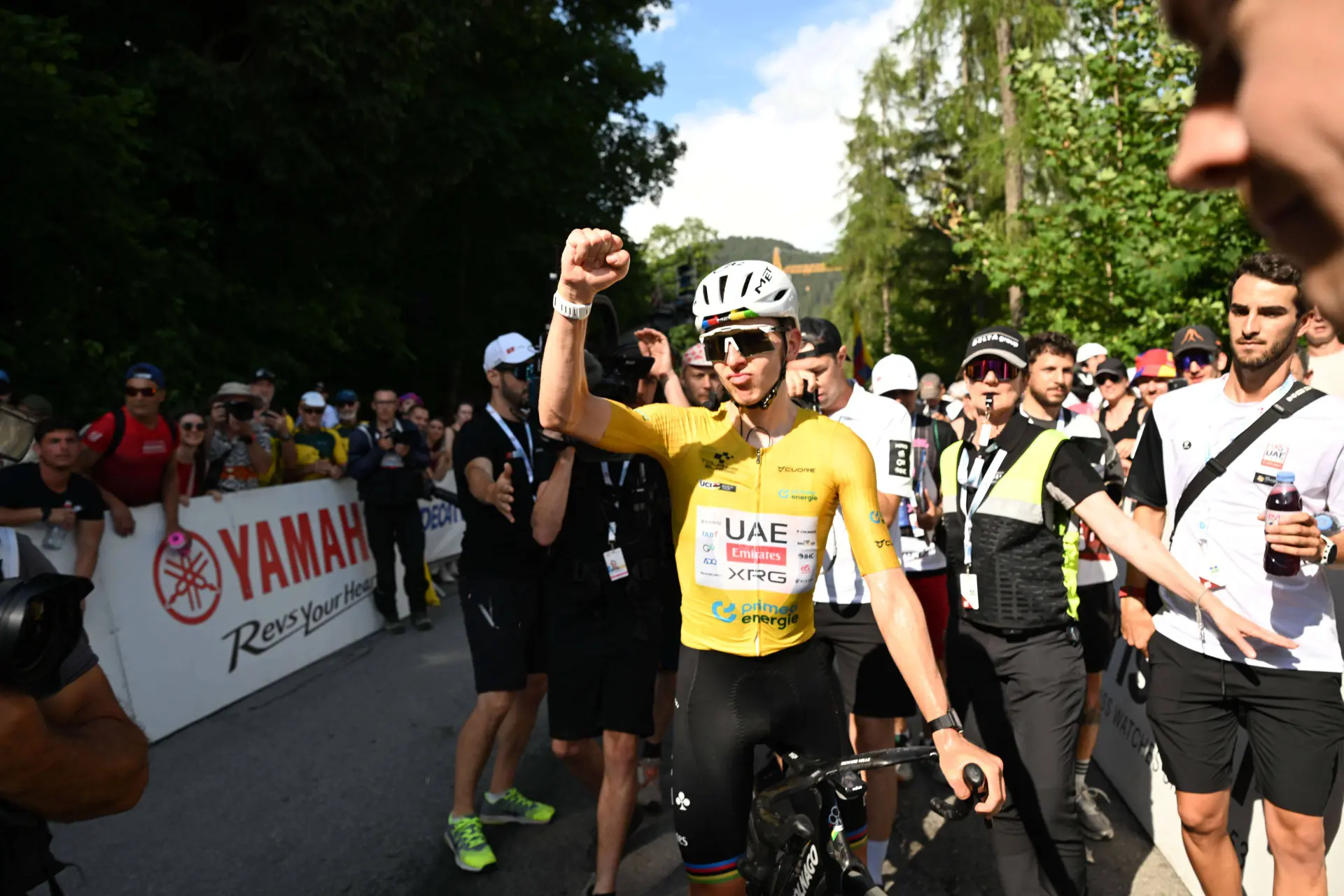
Tadej Pogacar
Red Bull - BORA also needs to rebuild parts of its squad
UAE will bring in Marco Frigo, Abel Balderstone, Davide Stella and Pierre Gautherat, although they do not all match the profiles of the riders leaving the team. The key question is how the squad will reorganise its groups around Pogačar and its other leaders.
Red Bull - BORA - hansgrohe has strengthened its project with major leaders, but it also faces departures affecting several areas of the squad. Nico Denz is joining Tudor Pro Cycling, Jordi Meeus is moving to Lidl-Trek and Emil Herzog will continue his career at EF Education-EasyPost.
Of the three, Denz’s departure is particularly notable from a team-work perspective. The German is an experienced rider who can bring power on the flat, control breakaways and work for hours in support of his teammates. That kind of profile is vital in Grand Tours, especially when a team needs to control a stage or protect its leaders before the mountains.
Meeus has a different role, focused more on fast finishes, while Herzog represents a long-term investment. So, not every departure directly affects the support-rider group, but Red Bull-BORA must reorganise several areas of its squad.
The German team has enough resources to find alternatives, although collective performance depends on more than simply assembling quality riders. It also needs specialists who are willing to take a supporting role and know how to deliver at decisive moments.

Jordi Meeus will ride for Lidl-Trek next season.
Lidl-Trek and Decathlon seize the opportunities
Lidl-Trek stands out among the teams that could emerge stronger. The squad will sign Igor Arrieta, as well as Felix Gall, Gregor Mühlberger, Filippo Ganna and Jordi Meeus. The transfer activity strengthens its options across different terrain and gives it more ways to support Juan Ayuso and its other leaders.
Arrieta’s arrival could be particularly valuable because of his versatility, while Mühlberger will bring experience in the mountains. Ganna and Meeus, meanwhile, strengthen other areas of the squad. Lidl-Trek is not just adding big names, but riders who can perform complementary roles in different races.
Decathlon CMA CGM can also benefit from its rivals’ departures. Pavel Sivakov will be joined by Laurens De Plus, who is arriving from Netcompany INEOS.
Both bring experience and the ability to work in the mountains, two vital qualities for a team looking to strengthen its presence in Grand Tours.
The French team will also have Ben O'Connor and Olav Kooij, though their roles will differ. Sivakov and De Plus could be particularly important in building a support unit around the team’s general classification ambitions.
Moves that could shift the balance between teams
| Team | Notable departures | Notable arrivals | Main consequence |
| UAE Team Emirates-XRG | Pavel Sivakov, Igor Arrieta | Marco Frigo, Abel Balderstone, Davide Stella, Pierre Gautherat | Reshape the support unit |
| Red Bull-BORA-hansgrohe | Nico Denz, Jordi Meeus, Emil Herzog | New options for different areas of the team | Replace lost experience, speed and potential |
| Lidl-Trek | Giulio Ciccone | Igor Arrieta, Felix Gall, Gregor Mühlberger, Filippo Ganna, Jordi Meeus | Add depth across several terrains |
| Decathlon CMA CGM | Felix Gall, Gregor Mühlberger | Pavel Sivakov, Laurens De Plus | Strengthen support for Grand Tours |
The 2027 transfer market once again shows that teams are not built solely around riders who raise their arms in victory. A star can decide a race with an attack, but needs teammates who have worked for hours to put them in the right position.
Sivakov’s departure forces UAE to reshape part of its climbing unit. Denz’s exit takes experience and power away from Red Bull-BORA, while Lidl-Trek and Decathlon have opportunities to strengthen their structures with riders capable of taking on collective responsibilities.
Read also
The big question is whether the new arrivals can make up for the losses. In an increasingly competitive peloton, the difference does not always come down to who has the best leader.
It also comes down to who has the best teammates to support them. And in 2027, some of the most important moves may be the ones that generate the fewest headlines.

Jorge BorregueroWriter
Jorge Borreguero is a journalist with a degree from the Complutense University of Madrid and has been a writer for Cyclinguptodate and Ciclismoaldia since early 2023. In this role, he has played a key part in the evolution of the website, particularly as a specialist covering Movistar Team. He regularly writes race reports, analytical pieces, and in-depth features about the team, and has conducted exclusive interviews and attended multiple team presentations, providing readers with firsthand insights into one of the leading professional cycling squads.
Throughout his career, Jorge has maintained a strong focus on sports journalism, gaining experience across a variety of disciplines, including basketball and football. However, his current work is almost entirely dedicated to cycling, contributing extensively to Ciclismoaldia and its sister website Cyclinguptodate. For these platforms, he combines thorough research with detailed reporting to deliver high-quality content, ranging from race previews and results to expert analysis of teams and riders.
Jorge’s reporting is marked by accuracy, depth, and a commitment to providing readers with reliable and authoritative information. His direct engagement with teams, athletes, and events ensures that his coverage reflects firsthand knowledge and professional insight. Through his work, he has established himself as a trusted voice in professional cycling journalism, bridging the gap between the sport and its global audience while maintaining rigorous editorial standards.
claps 0visitors 0
Just in


Popular news


Latest comments
- he is fun - he goes back to the Sagan days with his showmanshipmij23-11-2026
- he doesn't sound ready to retire anytime soonmij23-11-2026
- U17 and juniors on national races are routinely using caffeine tablets before races. They are also using creatine and the like. sure, it's legal. the point is, it is performance enhancing and they are 14-17 years old. as juniors it will be decided whether they have a chance to move towards some sort of (semi-)professional cycling, no matter which discipline. what do you think they will regard acceptable to reach this goal and then to sustain it?Ketterechts23-11-2026
- Both of them, Geraint Thomas and Alberto Contador said if Pogi had gone to the Vuelta in 2024, he would have won. Ofcourse considering he wouldn't crash. They were right.PogiSloFans23-11-2026
- Merckx said that Pogi could race the Giro, Tour and Vuelta in a single season? Pogi said: "I can’t rule that out. In fact, I’ll try it sooner or later, but certainly not in 2027. I'm feeling great at the moment. I'm training and eagerly looking forward to getting back to racing. I'm confident that I can return to the same level, or even a higher one. Life moves fast, very fast. Sometimes you need a break; you need to stop for a while. That's what I needed. If I hadn't taken a break, my body would simply have forced me to.”PogiSloFans23-11-2026
- One of the most tenacious and entertaining riders in the peloton. His (and Jorgensen's) work at the world championships was elite craftmanship.Occam23-11-2026
- I'd add being seriously annoying to your self-description.Occam23-11-2026
- Meh. For whatever their sins, the boys at The Move know cycling strategy, building a team and tactics. You don't win the TdF 7 times in a row if you're a hack.Occam23-11-2026
- Of course there is doping in any professional sport. Game theory dictates that someone will do it for an advantage. Human nature always wins. And for all those who criticize, imagine what you'd do if you were facing the possibility to be a pro but you had to dope to do it. Almost everybody would do it at that point.Occam23-11-2026
- It's not nice to think about all the stuff that athletes must take to return to the top level long before they could heal naturally (Jonas after the Itzulia crash, for example). But it's not doping.Hills3323-11-2026
Loading
Write a comment