“On the Cipressa I felt I wasn’t at my best” – Mathieu van der Poel left frustrated after crash disrupts Milano-Sanremo bid
CyclingSaturday, 21 March 2026 at 17:14
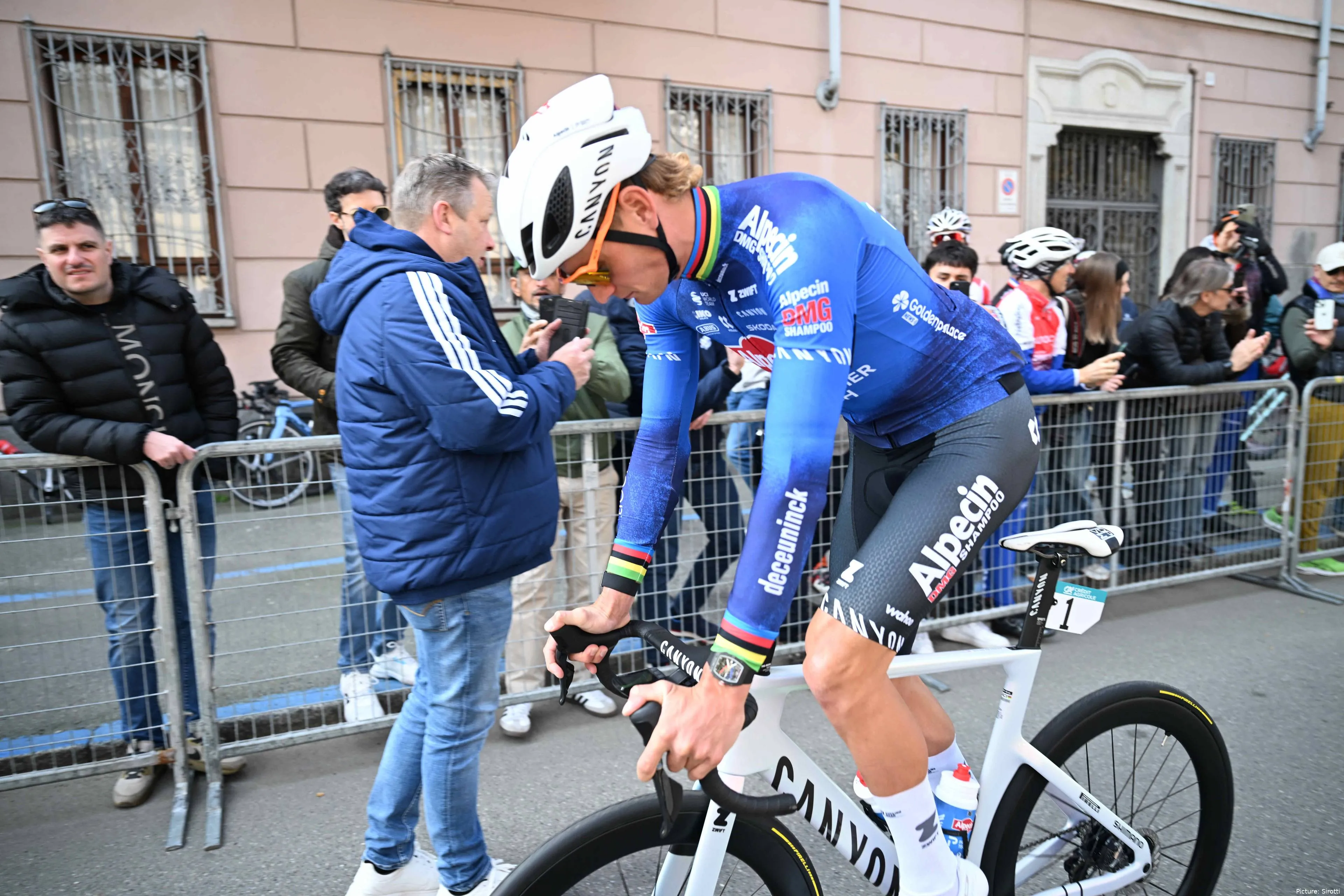
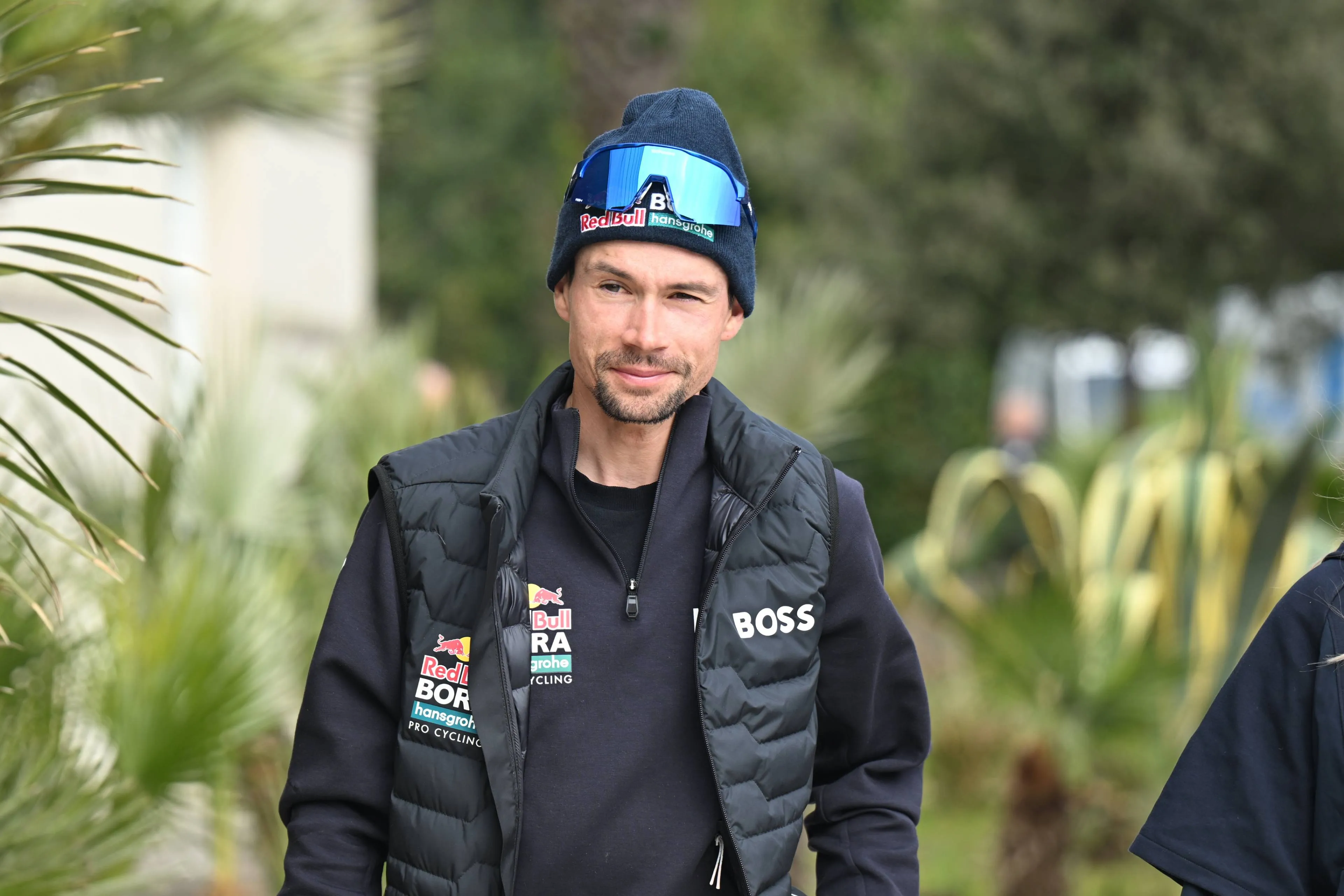
Mathieu van der Poel’s Milano-Sanremo challenge was undone before the race reached its decisive point, with the Dutchman admitting the impact of a crash on the run-in to the Cipressa left him chasing rather than dictating the race.
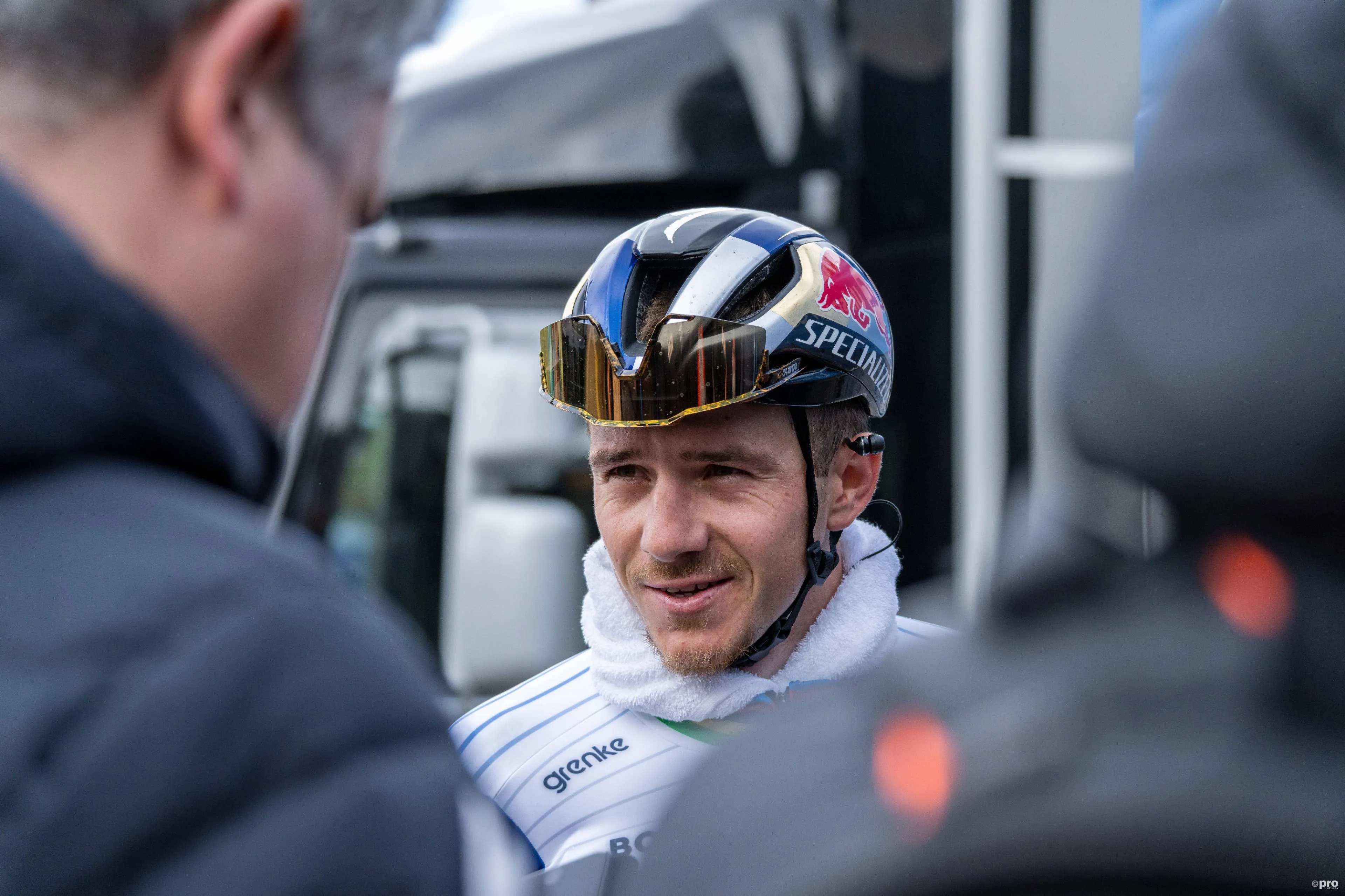
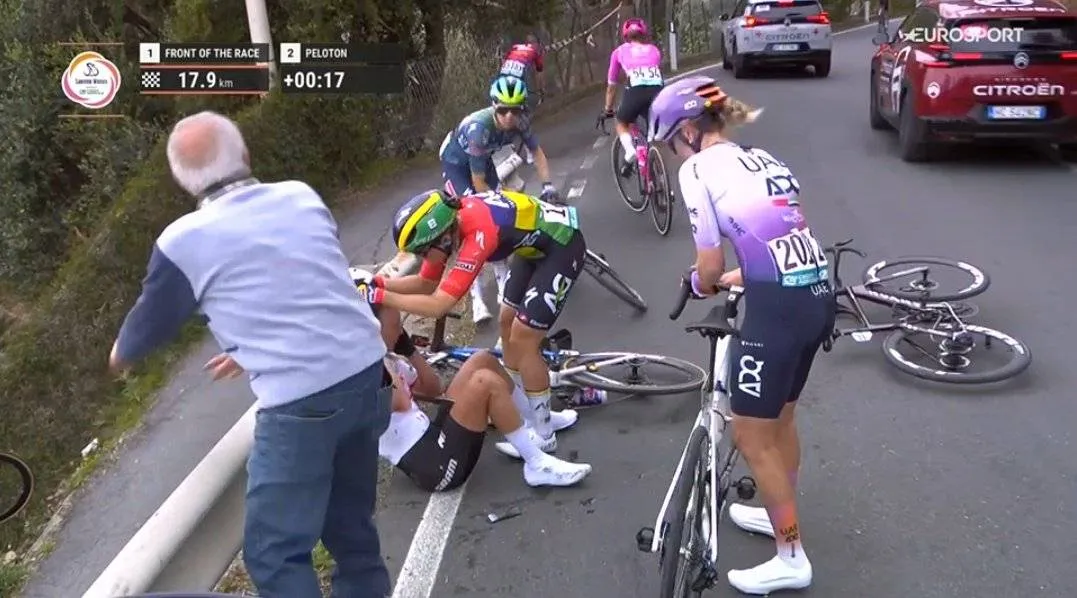
The defending champion had been positioned as one of the key protagonists once again, expected to respond to or counter the anticipated attacks from Tadej Pogacar. Instead, his race was thrown off course at the worst possible moment. “I’m quite disappointed,” Van der Poel said after the finish. “There was a bike in front of me, and I couldn’t go around it, so I crashed.”
Crash forces early damage before decisive phase
The incident came during the intense fight for position ahead of the Cipressa, a phase where the peloton is at its most stretched and vulnerable. Several riders were caught up, but for Van der Poel, the timing proved especially costly. “It’s mainly my hand that hurts a bit. I also had a bike from Lidl-Trek come into me.”
Although he was able to rejoin the peloton with the help of his team, the damage was already done. “The team did a really good job bringing me back, but on the Cipressa, I already felt that I wasn’t at my best anymore.”
That moment effectively changed the role he could play in the race. Rather than being in a position to respond immediately to the decisive accelerations, Van der Poel was forced into a more reactive approach. “That’s where I lost contact, after the crash.”
Forced to ride defensively on Poggio
As the race moved onto the Poggio, the difference became clear.
While Pogacar launched repeated attacks at the front and Tom Pidcock followed, Van der Poel was no longer able to respond in the same way as in previous editions. Instead, he settled into his own effort, limiting his losses rather than shaping the outcome. “On the Poggio, I rode my own pace, like Ganna did last year. I realised quite quickly that I had to ride my own race.”
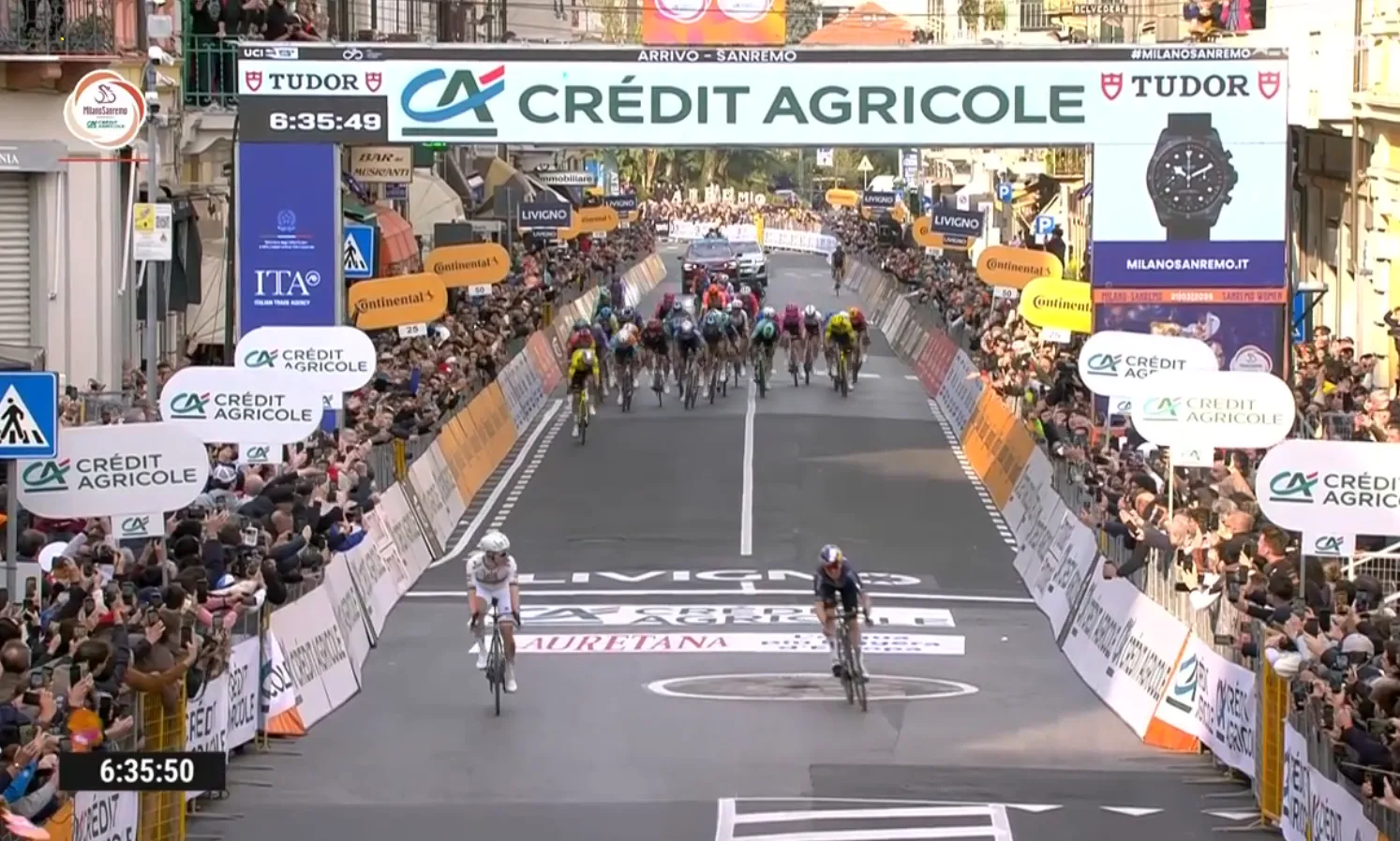
That decision kept him in contention for the podium, but removed him from the fight for victory. Up ahead, Pogacar and Pidcock moved clear and ultimately contested the win in a two-man sprint, leaving Van der Poel to regroup within the chasing pack.
Tactical frustration as race slips away
Even after the climb, there was still a sense that the race had not completely escaped him, particularly given the narrow margins involved. “Unfortunately, Tadej and Tom didn’t look at each other.”
It was a moment that hinted at what might have been, had the dynamics at the front played out differently or had Van der Poel been able to arrive on the Poggio in full condition.
Instead, he was left to reflect on how quickly Milano-Sanremo can turn. “My finger hurts, but I think it’s not too bad.”
A race decided before the finale
Milano-Sanremo is often defined by what happens on the Poggio, but for Van der Poel, the decisive moment came earlier. The crash on the approach to the Cipressa did not end his race, but it altered it just enough to take away the edge required to follow the winning move.
In a race where positioning and timing are everything, that small shift proved decisive.
For a rider who had won the race twice and knows exactly what it takes to control the finale, the frustration was clear. This time, the race moved on without him.
claps 1visitors 1
Just in

Popular news
Latest comments
- Well done Wout , you are proper Rock n RollJezla21-03-2026
- I don't recall that. At 13:50 on the 20th of March 2026, Mou-Cro-HR is listed to have commented "I just don't know... I still don't see Pogi winning MS this year. UAE didn't have a single recon with the full team for SanRemo? Vermeersch and Pogi have been training alone for a week and Christen doesn't even know where the f*** Cipressa is. Does that sound like someone who wants to win a race so badly? When Christen and McNulty get lost a few km before the Cipressa, because they don't know where it is, who's fault will it be, Pogi's, UAE or Mou's?" So the answer is no.
 Rafionain-Glas21-03-2026
 - Red Bull have a crazy team. I think both Remco and Florian will be stronger after altitude (neither performed in the mountains before, but while Evenepoel had more success with 7 wins as opposed to Lipowitz's 1, that was down to his engine, not his climbing skills). Dani was great in Paris-Nice, and looks to be on his way to his 2024 form. Jai didn't go for GC at Tirreno-Adriatico but as a pure climber it's not what suits him, but he (unlike a teammate of his) worked and was visible so it wasn't a bad performance. He was similarly rubbish at Vuelta a Burgos but finished 4th at La Vuelta. Whether that group can take the challenge to Vingegaard is the questionRafionain-Glas21-03-2026
- Philosophers are often so caught up in the philosophical philosophy of philosophy that they don't think with common sense. MrMauMau posted a very long comment on Dylan Groenewegen's promotion to the podium in Clasíca de Almería but failed to realise that the image was distorted because otherwise riders closer to the camera would appear larger and more in front. A person can be both a philosopher and a "BS'er" though the latter is not as of yet defined in the Oxford Dictionary.Rafionain-Glas21-03-2026
- You are taking away from the huge significance Tadej's victory by saying he was crippled by the crash. It was a hugely impressive performance, but the impacts of the crash were the energy loss from having to come back. I've stated this before but I will do so again - putting too much emphasis on the impacts of minor and superficial injuries actually takes away from the achievement. You are saying that the achievement wouldn't be as great without the crash. Now that sounds obvious but if you were to imagine saying that it was extra impressive because of being 'battered and bruised' to Pogačar himself he'd most likely say that that aspect was minimal. I don't like comparing different eras but a comparison between Tadej and Merckx is only possible once Pogačar retires. Often we underestimate what the pros do, and how fine the balance is. No matter what Pogačar has done up to now, he could have a career ending training crash tomorrow and that'd be it. He'd not be discussed as the GOAT then and that's why such discussions only work after he retires.Rafionain-Glas21-03-2026
- Even a two time winner can’t control the race!! That’s what makes this the best monument of them all. It was beautiful to watch. Kudos to Tadej in showing resilience and determination to win.PogiFan2Day21-03-2026
- Yep Rez I thought Pidcock was going to get Pog in the sprint. Pog shut him off and a wee exceleration (lol is that the correct use of that word?) and Pidcock having to come the long way round and was beatenCyclingsbestfan21-03-2026
- Agreed but that was Pidcock's error - not to switch out sooner. It's clear he was closing down Pogacar rapidly in the final meters.Renz21-03-2026
- Now that made me laugh lol. The guy with 6080 likes dropping a bomb on my website. You don't have to be here you know.awp21-03-2026
- The fool Mistermaumau can argue with that. He thinks he's a philosopher... but he's only a BS'er.Mou-Cro-HR21-03-2026
Loading
1 Comments