"Movistar put a hell of a pace... I think they were chasing the motorbike" - Paul Magnier raises fresh moto-influence question after Giro d’Italia Stage 12 chaos
CyclingThursday, 21 May 2026 at 19:00
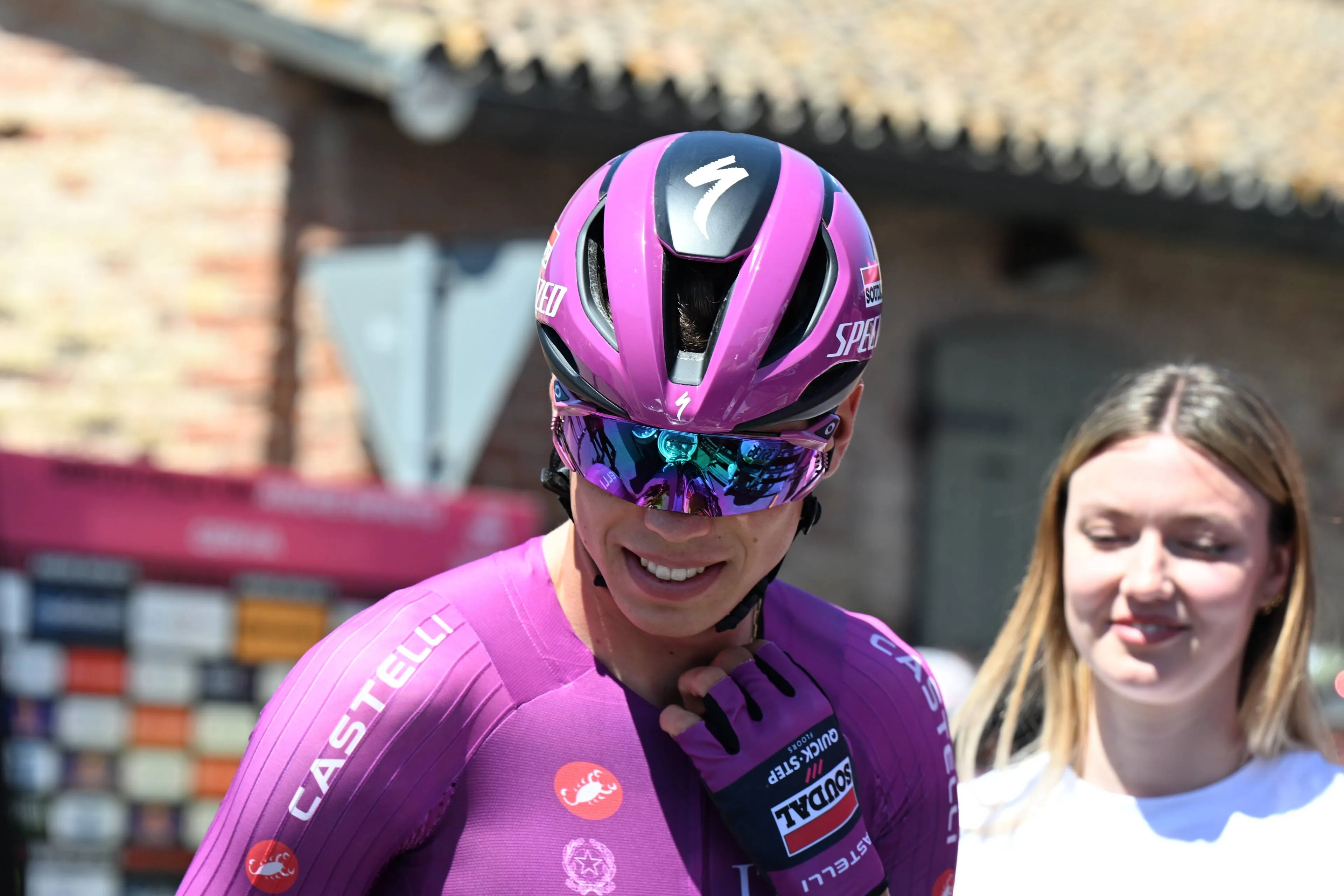
Paul Magnier left Stage 12 of the 2026 Giro d’Italia still in the maglia ciclamino, but with frustration clear after a day that turned a possible sprint chance into another chaotic reduced finale.
The Soudal - Quick-Step rider was one of the biggest losers from Movistar Team’s aggressive approach on the climbs towards Novi Ligure. The Spanish team drove the pace on the Colle Giovo and Bric Berton in an attempt to distance the pure sprinters and open the race for Orluis Aular.
Magnier, Jonathan Milan, Dylan Groenewegen and several other fast men were all dropped, but Movistar did not convert their work into a stage win.
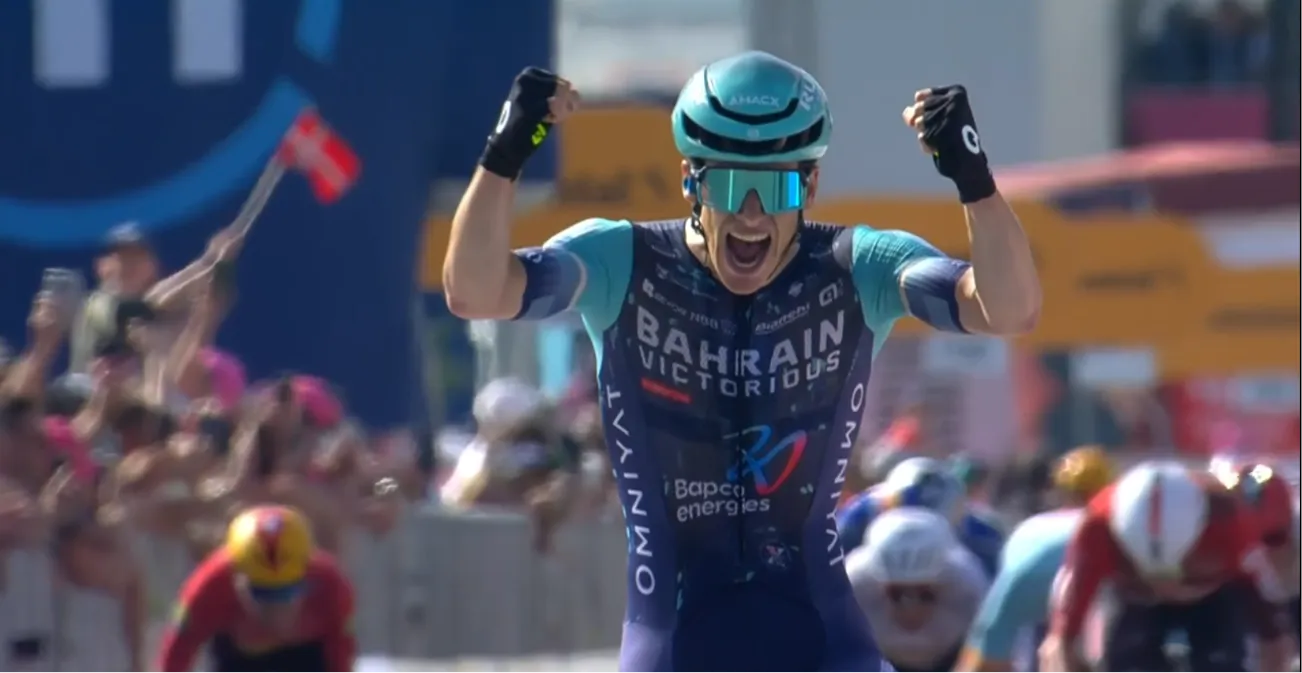
Instead, Alec Segaert struck late for Bahrain - Victorious, attacking inside the final three kilometres and holding off the reduced peloton after a finale shaped by tired legs, limited control and hesitation behind.
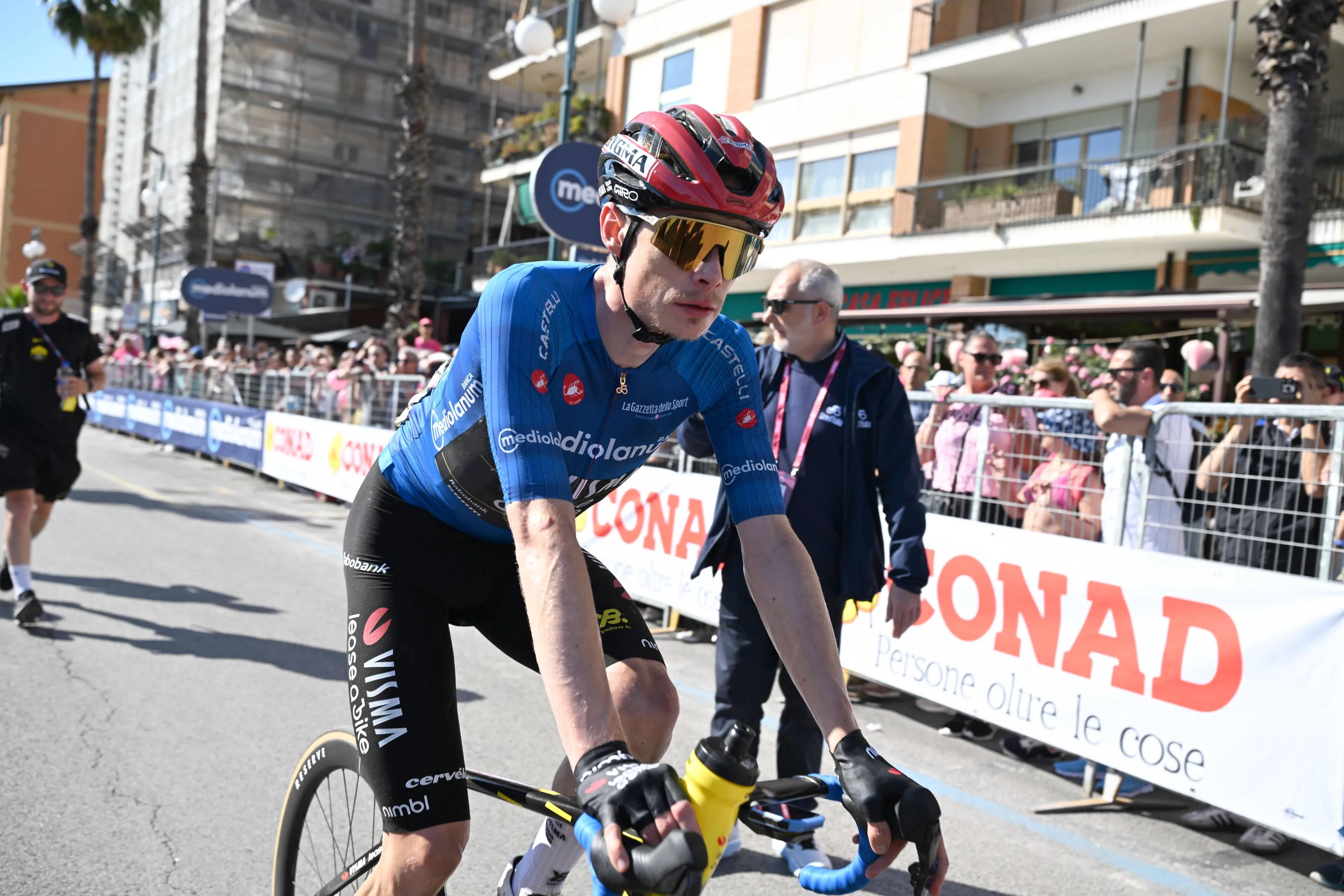
Magnier questions Movistar’s tactic
Speaking afterwards to Cycling Pro Net, Magnier admitted he was not fully convinced by what Movistar had achieved. “Yeah, it’s hard to understand the tactic of Movistar, to be honest,” said Magnier. “I think they have a fast guy, but I don’t know if they did it for the show or if it was really to try to win the stage. In the end, they dropped the sprinters, but they didn’t take the stage. So yeah, they did give us a show.”
Movistar’s acceleration was the defining tactical move of the day. It took the race away from a conventional bunch sprint and left a reduced front group to contest the finish, with riders such as Aular, Madis Mihkels, Ethan Vernon, Corbin Strong, Jasper Stuyven and Toon Aerts still present.
But it also created the conditions for Segaert’s late attack. With the sprint trains thinned out and the surviving teams stretched, Bahrain Victorious found the perfect moment to turn a reduced sprint into a solo win.

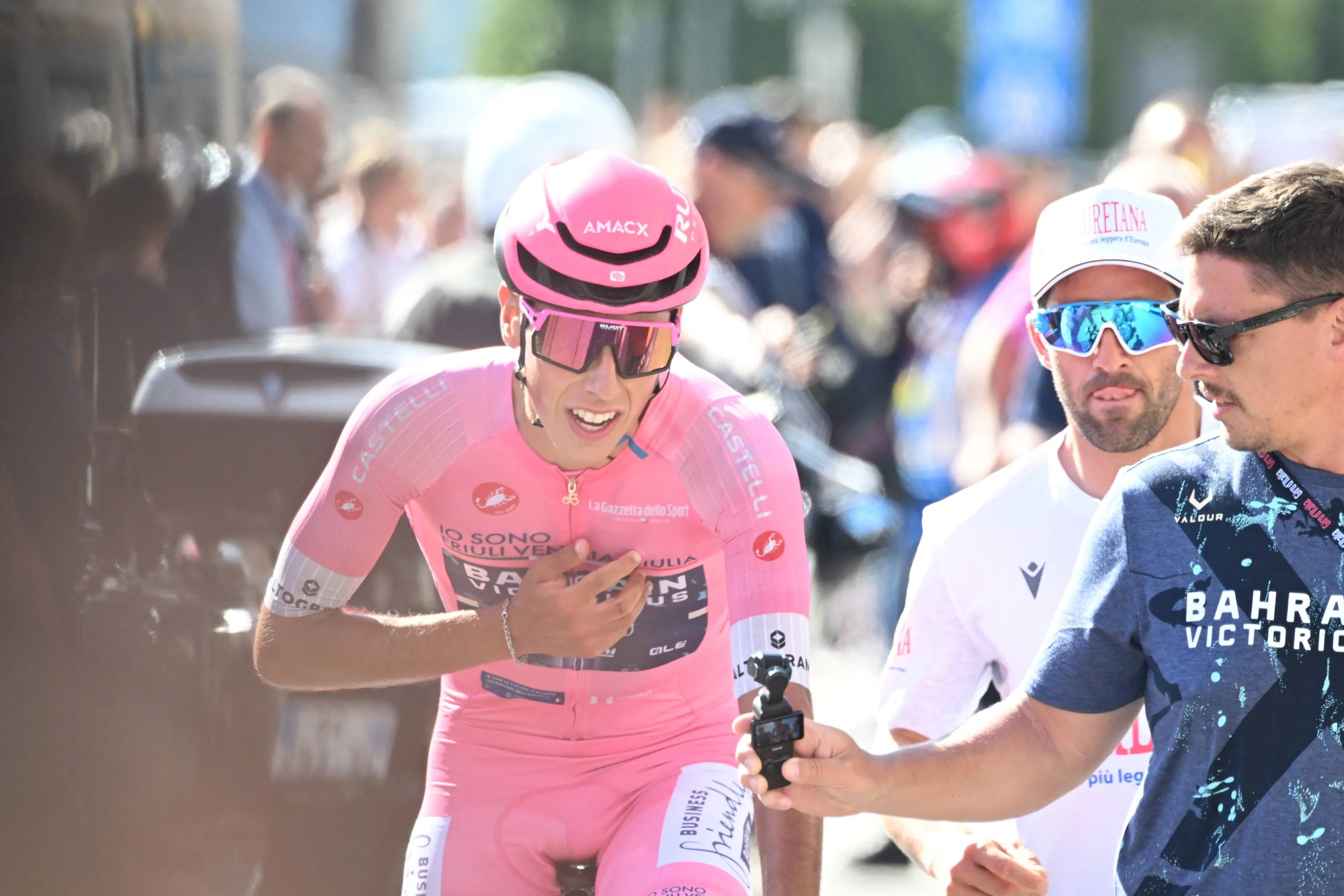
Paul Magnier in the Maglia Ciclamino at the 2026 Giro d'Italia
“I think they were chasing the motorbike”
Magnier said he was already close to his limit on the first climb before Movistar’s second acceleration finally ended his hopes. “I was already on the limit on the first climb, then I was slightly down, but Movistar put a hell of a pace,” he said. “I think they were also chasing a bit the motorbike, but that’s also the game. In the end, on the last climb, I never really recovered. I was really on the limit and then I tried to send it on the downhill, but it was too late.”
That line lands at a sensitive moment for the sport. Motorbike positioning has already been a major talking point in recent weeks, most notably at the Tour de Romandie, where riders raised concerns about both aerodynamic influence and safety around race vehicles.
Magnier did not claim the motorbike decided the stage. His wording was cautious. But with the moto debate already high on the agenda, even the suggestion that Movistar’s acceleration may have been influenced by the presence of a motorbike puts the issue straight back under the spotlight.
Ciclamino fight tightens despite survival
Magnier at least kept hold of the points jersey, although his margin has been cut again. Jhonatan Narvaez survived in the front group and remains a serious threat after his outstanding Giro so far, while Milan missed another chance to close in after being distanced on the climbs.
“Yeah, exactly. I was actually surprised to keep the jersey at the finish line,” Magnier admitted. “I’m happy to keep the jersey, even if I’m disappointed to not make it today. But the next chance is in Milan, and I think it’s really more flat, so it will suit me much more.”
That next sprint opportunity now carries added importance. Magnier still leads the points classification, but Narvaez has moved within striking distance and continues to score heavily on days that are proving too difficult for several of the pure sprinters.
Stage 12 was another reminder that this Giro is refusing to offer clean sprint stages. Movistar blew the race apart, the fastest men were scattered behind, and the stage still escaped the teams who had done the damage. Magnier survived in purple, but his frustration was obvious.
claps 1visitors 1
Just in

Popular news
Latest comments
- Jan-Willem van Schip: "Harrumph... he laid his forearms on his handlebars!"
 Rafionain-Glas21-05-2026
 - It is easy to say they used the motorbikes when you can't keep upRafionain-Glas21-05-2026
- Some people (journalists, fans, cycling "analysts") have revealed themselves as big fans of Vingegaard and that they are ready to lie to themselves, to the audience and to Vingegaard himself. A little objectivity would not hurt. Vingegaard being sick is pure nonsense. He is not on the level of Pogacar, or even Seixass. People, don't believe your eyes, just trust the Visma PR department. We are looking at the "best" Vingegaard ever, but he's "saving" himself at the Giro??? We all saw how he finished the TT... "fresh"???marco-thomson21-05-2026
- Congrats Alec Segaert...marco-thomson21-05-2026
- Amazing finale, well deserved win - he attacked at the perfect time on that corner. Excellentantipodeanpedalfan21-05-2026
- Agreed, if he'd gone to Alpecin we'd have seen some great battlesRafionain-Glas21-05-2026
- He is scares of MTB genius Tom Pidcock lol. No serious why would he risk rest of season with TDF coming up. VDP does not have the best record when racing Mountain bikes always seems to wipe out which is unusual considering the guy is brilliant at xcross.paultryan200221-05-2026
- Such a shame UAE bought Narvaez after he beat Pogacar in an uphill sprint at the 2024 Giro. Imagine the duels they could have had! I guess that is exactly what UAE did and decided Nope! Not going to happen...Lars7521-05-2026
- Does everybody hate these flares? I quite love them. The drama! And even as an amateur rider at rowdy races, I got extra motivation from the fans when they showed this sort of *flare*.Veloboy21-05-2026
- I wonder if Narváez will recieve the same criticism that Andrew August go in ValencianaRafionain-Glas20-05-2026
Loading
1 Comments