"It's the hardest pass of all the grand tours" - Alberto Contador reveals the cruelty of the Angliru
Cycling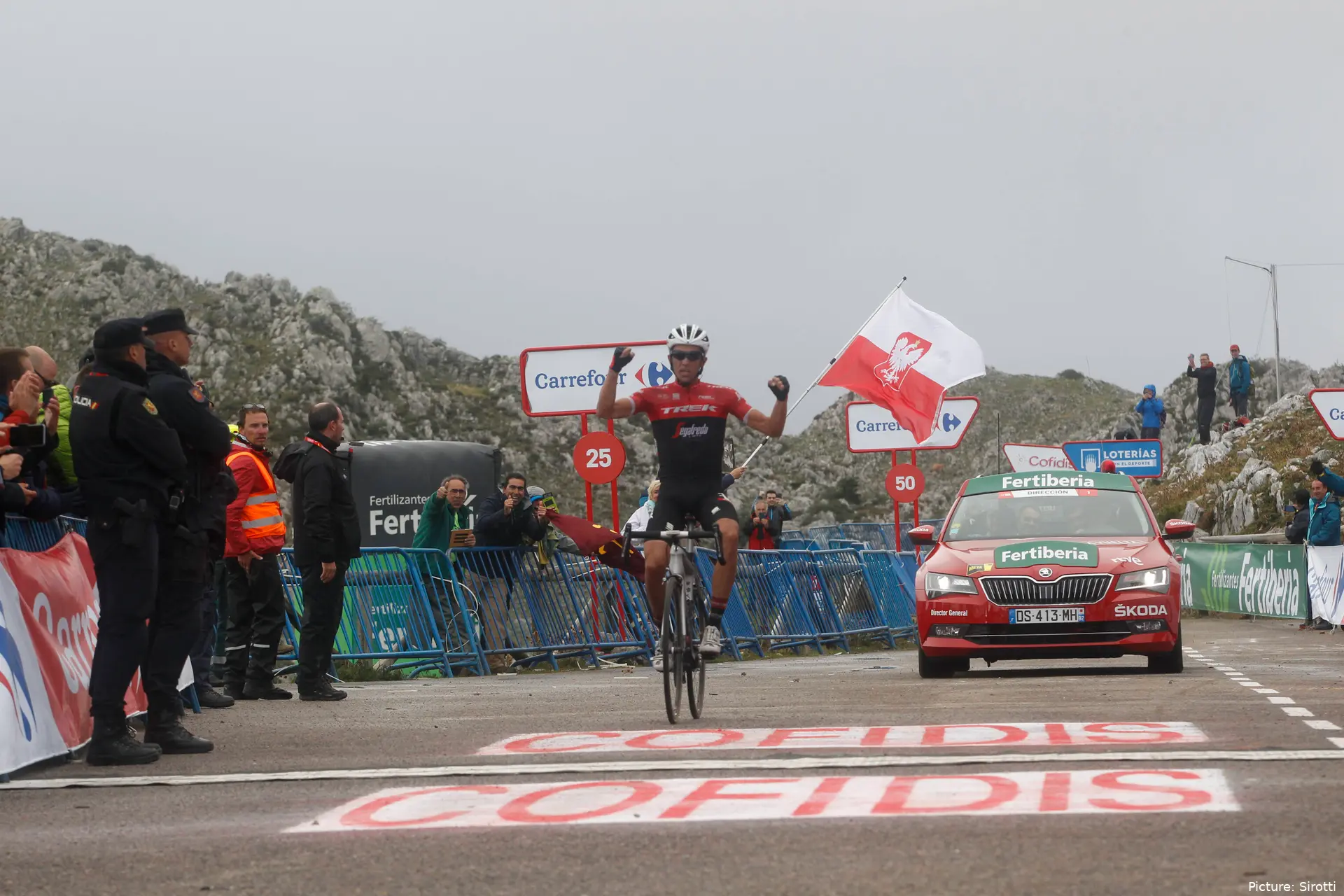
Stage 13 of the 2025 Vuelta a España moves into Asturias with a monumental 202-kilometer route from Cabezón de la Sal to the summit of the climb we've all been waiting for, the Angliru. The stage, already being labelled the queen of this year’s race, is defined by its sheer length, the tension of the long flat approach, and the brutality of one of cycling’s most feared climbs. Alberto Contador, who ended his career by winning atop this same mountain, delivered his analysis on Eurosport, drawing on both his experience and his personal history on the Angliru. His breakdown highlighted not only the legendary ascent but also the stages that precede it.
"A very special stage, also on a personal level. A different and hard stage, also because there are more than 200 kilometers and you have to take into account that there will be more than 160 kilometers practically flat, well, that flat that there is in Cantabria with those steep slopes that hurt so much and in which there will be a tremendous fight for the breakaway to consolidate," Contador said.
He stressed the importance of the long approach before the finale. "Then, before the Angliru there are two mountainous difficulties. The penultimate one, above all, is very important, the Cordal, a mountain pass very well known by the riders both for the hardness of the climb and the danger of the descent."
Contador, who knows the Angliru better than most, reserved his most detailed words for the decisive climb. "Then, of course, the mythical Angliru. We already know what it is and we're going to see especially those percentages, those ramps, that very famous stretch of the Cueña les Cabres with percentages of 27% gradient. We are talking about a pass that is so hard, and that is probably the hardest of all the grand tours, is because it has parts of rest. Those rests are at 10% but, of course, when you suddenly get a ramp of 20, 23 or even 27%, that's what breaks the riders. We'll see who takes the victory on this mythical summit."
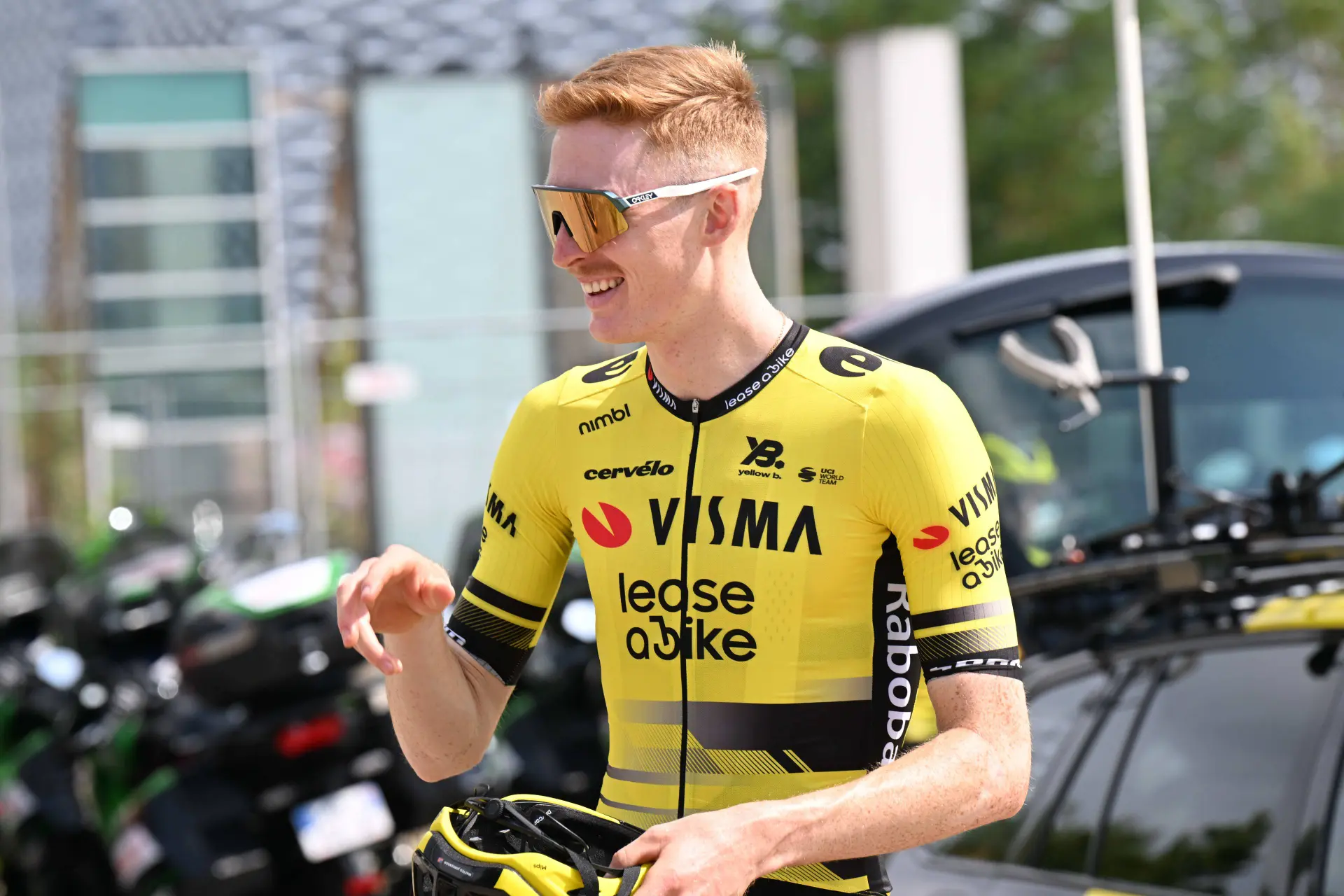
The Angliru itself is 12.4 kilometers long with an average gradient of 9.8 percent. The first five kilometers hover around 8 percent before the road tilts violently upwards, maintaining double-digit ramps nearly all the way to the top. Only the final kilometer offers slight relief. Between those sections comes the infamous Cueña les Cabres, where the road wall hits a staggering 27 percent. It is this combination of punishing walls broken by so-called "rests" that makes the climb one of cycling’s ultimate tests.
Stage 13 is not just about the Angliru, though. The approach will weigh heavily on riders, with over 160 kilometers of lumpy roads in Cantabria and Asturias ensuring the legs are softened long before the final showdown. The Cordal, the last climb before the Angliru, will play its part: its steep gradients will hurt, but the descent is equally treacherous, often decisive in shaping the race before the final ascent even begins.
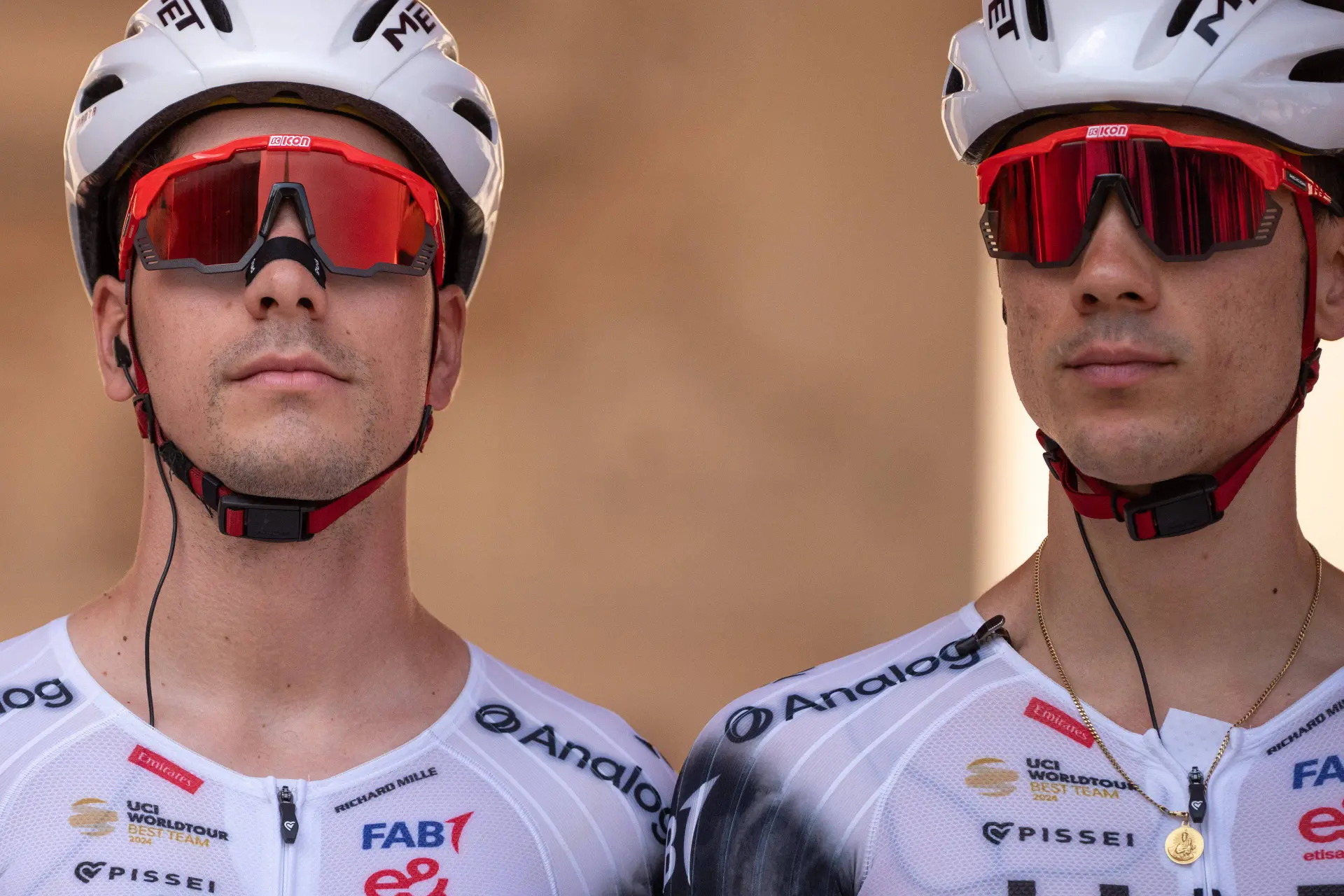
The day’s design sets the stage for fireworks. A large breakaway will likely form across the long flat, with teams fighting to place riders up the road. But once the race reaches the triple challenge of mountains that ends on the Angliru, it will become a pure battle of attrition. For the general classification riders, today could prove decisive.
The Angliru is not just another climb, it is the ultimate test. Today’s finish will either confirm a champion or expose weaknesses. As Contador reminded, "We'll see who takes the victory on this mythical summit."

The Alto de l'Angliru (Vuelta a España)

Fin MajorCycling Journalist
Fin Major is a UK-based writer at CyclingUpToDate and has been part of the team since 2024. He is the site’s main writer for FAQs and evergreen explainers and has written around 2,000 pieces for the platform. Alongside this work, he focuses on in-depth analysis and covers the biggest races on the calendar, including the Tour de France, the Giro d’Italia, and La Vuelta a España, providing clear context around performance trends, tactics, and key storylines.
In his reporting, Fin uses reputable data sources such as ProCyclingStats for results, statistics, and historical context. He places strong emphasis on careful sourcing, editorial accuracy, and updating articles promptly when new, verified information becomes available. Outside of writing, Fin is an active cyclist, which supports his practical understanding of the sport and its demands.
claps 0visitors 0
Just in
Popular news
Latest comments
- Good grief, who proofreads this stuff? Errors abound.wrsty18-10-2026
- You can add weight to a bike and limit gears or make it single speed if you like. I doubt that would reduce crashes. It would just add another dymanique. All good and well, but It wont stop cars getting on to the course.Cyclingsbestfan18-10-2026
- Seixas is probably second best in the World on short climbs. But that hasn't translated as well to long climbs
 Rafionain-Glas18-10-2026
 - Idiotic fellaRafionain-Glas18-10-2026
- Nothing. Against Pogi nothingabstractengineer18-10-2026
- He didn't even try to sprint all outvappaxbipmv18-10-2026
- Campenaerts looked like a rolling pumpkin with that all orange leaders skinsuit !frieders318-10-2026
- He can take his dumb a$$ politics somehwere else !frieders318-10-2026
- good to have her back. fingers crossed she‘ll be able to stay!Ketterechts17-10-2026
- A tenner and he wins the Tour next year, too 😂anonymouscyclist17-10-2026
Loading
Write a comment