"Imagine a race without Jonas Vingegaard - Would be far less exciting" - Thijs Zonneveld argues Vuelta winner still underrated by fans
Cycling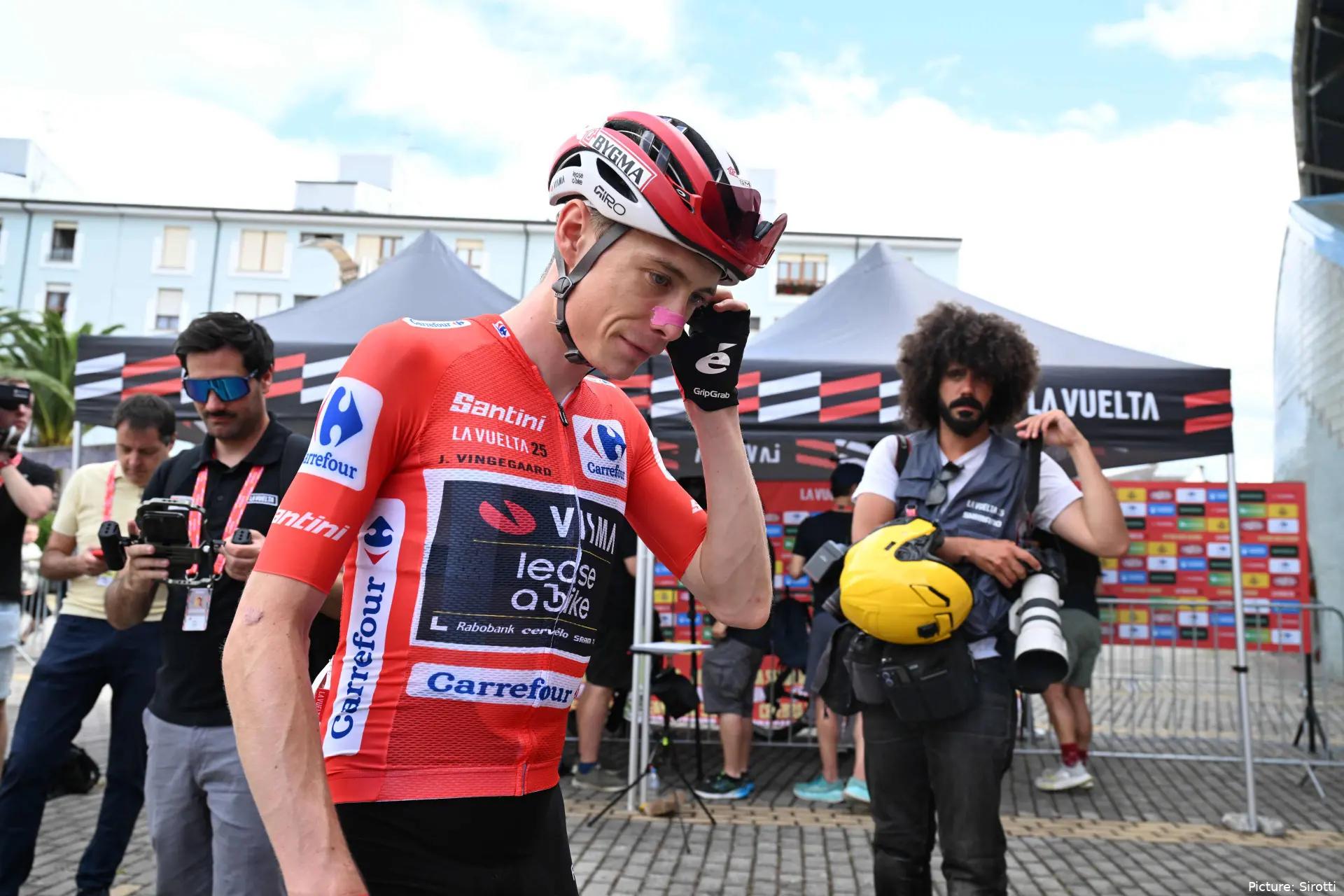
In an era defined by explosive talent and aggressive racing, Jonas Vingegaard has emerged as perhaps the most efficient and tactically disciplined Grand Tour rider of his generation. Yet despite back-to-back Tour de France victories and now a maiden Vuelta a Espana title, the Dane still doesn't command the fanfare that often surrounds his great rival, Tadej Pogacar.
“People say he’s not a showman,” said Dutch analyst and former professional rider Thijs Zonneveld this week on the In de Waaier podcast. “But imagine a race without Vingegaard. Grand Tours would be far less exciting.”
Zonneveld’s defence of the Team Visma | Lease a Bike leader comes in the wake of a Vuelta campaign that was anything but straightforward. Vingegaard ultimately came away with three stage wins and the overall victory, but the dominance wasn’t of the same magnitude fans have come to expect — and that, according to Zonneveld, is exactly what made it special. “This wasn’t a dominant Vingegaard. He wasn’t otherworldly – he was human. And that’s what made it so impressive.”
Post-Tour Fallout
Zonneveld is convinced that the brutal 2025 Tour de France left lasting scars on the peloton — and Vingegaard was no exception. “Everyone who raced the Tour took a real hit,” he said. “Physically and mentally, it was tougher than in previous years. The early hilly stages were full gas from the gun. Every day was a war of attrition, even for the top names.”
The intense rivalry between Visma and UAE added another layer of pressure. “Already in week one, riders were complaining — and then the hardest part was still to come. You could see they were all drained. So to turn around and ride the Vuelta at that level? That’s extraordinary.”
Mental Fortitude Over Fireworks
Vingegaard’s Vuelta wasn’t won through sheer dominance, but through resilience, timing, and deep reserves of mental strength. Zonneveld emphasises that it’s exactly this kind of effort that should earn greater respect.
“He was under pressure often. He didn’t ride with the sense of invincibility he sometimes has in the Tour. That made his concentration and consistency all the more impressive. He just about held off a strong ride from Almeida — and that makes his victory even more meaningful.”
Zonneveld also points out the psychological strain of carrying expectations. “When you’re considered one of the very best stage racers, the only outcome that satisfies people is victory. If you feel you’re not at your peak, and still stay mentally locked in for three weeks, that’s a huge accomplishment.”
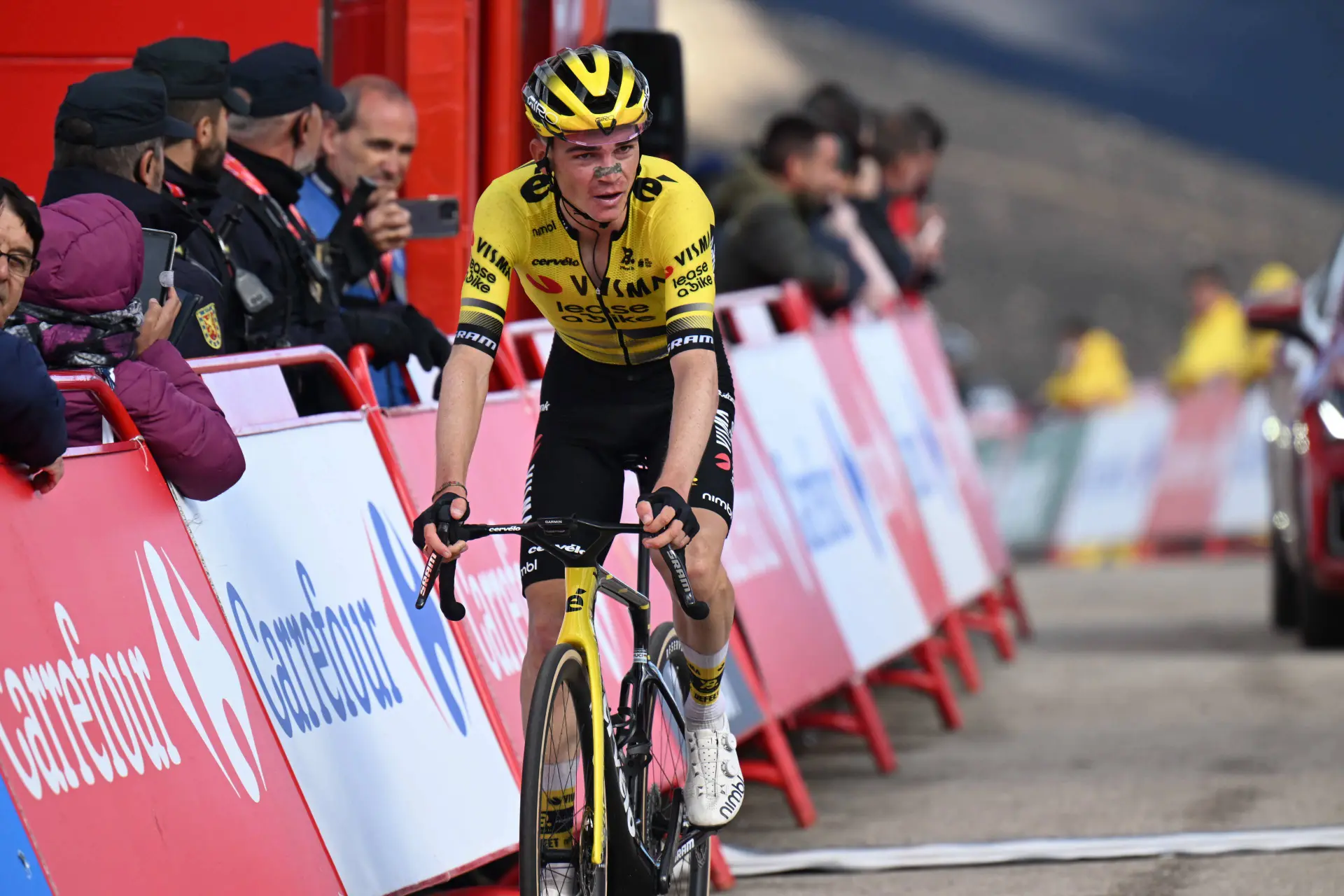
The Calculating Rival
Part of why Vingegaard’s wins don’t always generate the same level of enthusiasm is that his style is less explosive, more measured — particularly when compared to the attacking flair of Pogacar. “Vingegaard isn’t a showman. He has to calculate. He’s not as mercurial as Pogacar, but that vulnerability actually makes him compelling. You see him make decisions under pressure, and that’s what keeps races alive.”
When fully prepared, Vingegaard’s level can be suffocatingly high — but when he's coming off a more turbulent schedule, as in this Vuelta, the gaps narrow. “Give him eight weeks to prepare and he becomes nearly untouchable. But when he’s carrying fatigue or hasn’t built specifically towards a race, you see just how close the competition really is. And still — he wins.”

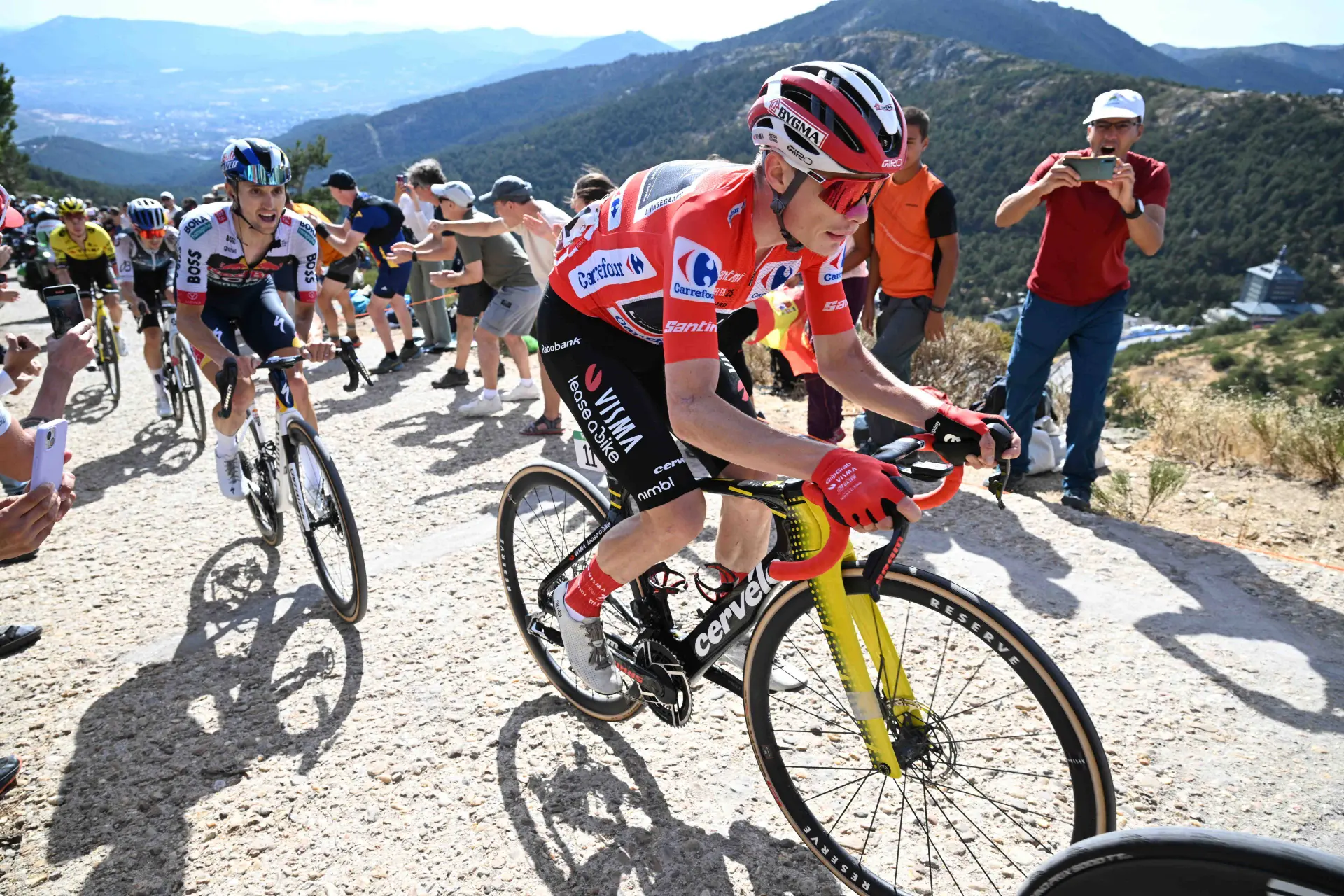
Vingegaard took the stage win on Saturday
Re-evaluating His Legacy
Zonneveld’s central message is clear: Vingegaard’s consistency and racecraft deserve far more credit from the fanbase than they often receive. “He’s not always spectacular — but take him out of the equation, and Grand Tours become far less interesting. His presence forces others to be better. He’s changed the tactical shape of modern stage racing.”
In a time where flashiness often garners more attention than function, Vingegaard continues to win with calculation, composure, and near-constant presence at the sharp end of cycling’s biggest races. And for Zonneveld — and for any student of the sport — that is far from boring.

Kieran WoodDeputy Editor-in-Chief
Kieran Wood is a sports journalist based in Wales and has been active in journalism since 2022. He regularly contributes to DartsNews.com and CyclingUpToDate.com, where he covers professional cycling and darts. In cycling, his work includes liveblogs from major races, including the Tour de France, the Giro d’Italia, and La Vuelta a España, alongside race reports and analysis. He has also conducted interviews with professional riders.
His reporting spans the full racing calendar, from one-day classics to stage races, with a focus on accurate, real-time coverage and clear contextual analysis. For statistics, results, and historical context, he regularly uses resources such as ProCyclingStats. To support reporting on rider activity and training context where relevant, he also references Strava.
In his work, Kieran places strong emphasis on careful sourcing, editorial accuracy, and updating articles as new, verified information becomes available.
claps 10visitors 9
Just in
Popular news
Latest comments
- Strade? Never saw him as a gravel rider that can handle it.mij18-10-2026
- It surprises me that anyone still believes any professional sport is clean--much less wants it to be. The best you can hope for is a reasonably level playing field that doesn't expose young, ambitious athletes to health risks they don't understand. In that regard, World Tour cycling appears to do a better job than almost any sport with independent, random testing. There are certainly fewer mysterious midnight "heart attacks" these days. If you want to see what an uneven playing field looks like, show up to masters nationals. If you don't like that all sports run on PEDs these days and you can't be bothered to contribute as a tester, a federation official, or pharmaceutical representative, then just turn off the TV and play outside.
 MarkFour18-10-2026
 - Good grief, who proofreads this stuff? Errors abound.wrsty18-10-2026
- You can add weight to a bike and limit gears or make it single speed if you like. I doubt that would reduce crashes. It would just add another dymanique. All good and well, but It wont stop cars getting on to the course.Cyclingsbestfan18-10-2026
- Seixas is probably second best in the World on short climbs. But that hasn't translated as well to long climbs
 Rafionain-Glas18-10-2026
 - Idiotic fellaRafionain-Glas18-10-2026
- Nothing. Against Pogi nothingabstractengineer18-10-2026
- He didn't even try to sprint all outvappaxbipmv18-10-2026
- Campenaerts looked like a rolling pumpkin with that all orange leaders skinsuit !frieders318-10-2026
- He can take his dumb a$$ politics somehwere else !frieders318-10-2026
Loading
4 Comments