"I’ll roll this grenade down the aisle" - Jonathan Vaughters weighs-in on Pogacar and Vingegaard overnight doping tests at Tour de France
CyclingTuesday, 21 July 2026 at 10:26
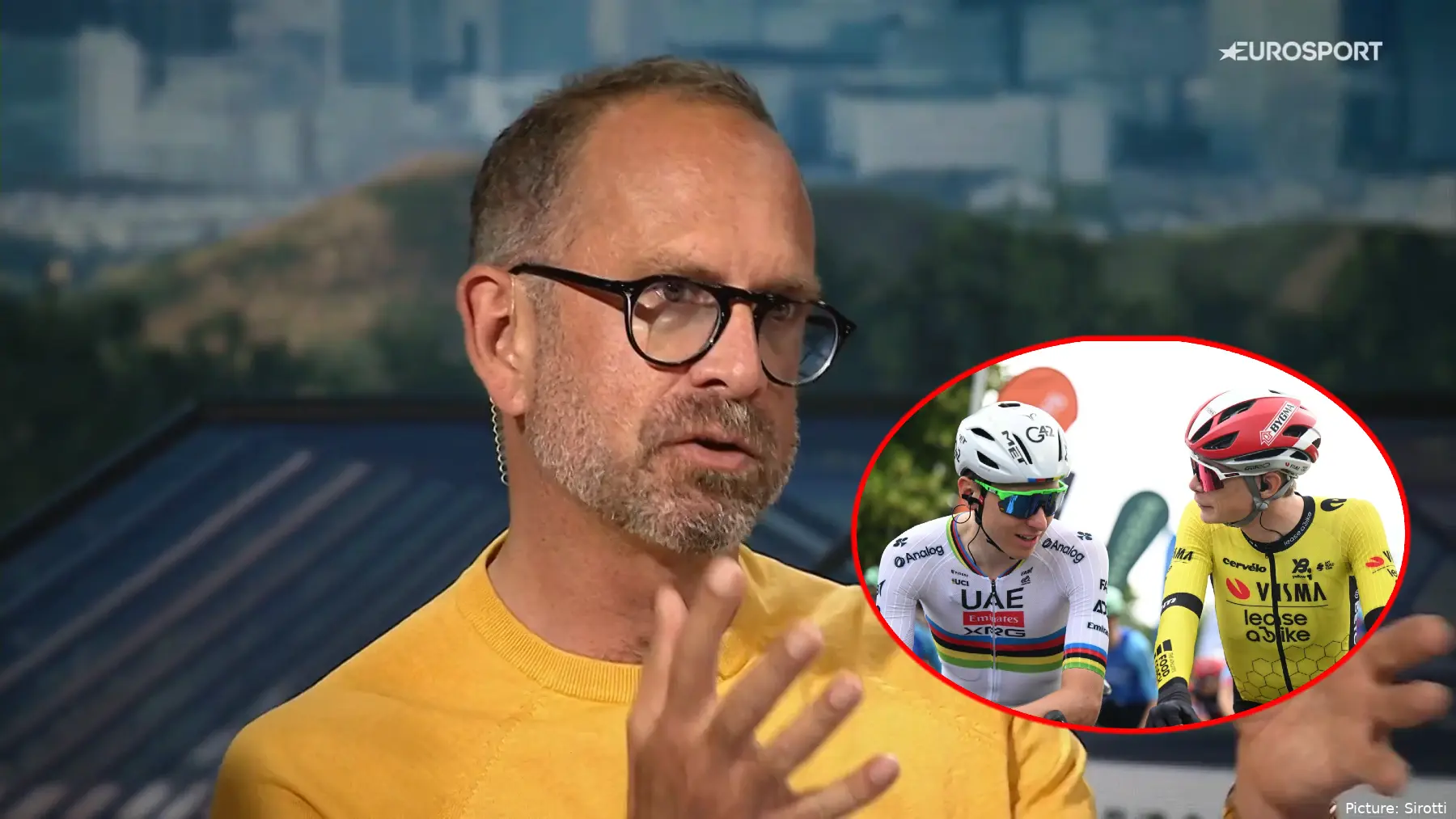
Jonathan Vaughters admits that he owes Tadej Pogacar and Jonas Vingegaard an apology as he weighed-in on the overnight doping tests of the riders at the Tour de France. Vaughters, who has admitted to doping during his career, says that the actions of riders in the past may have placed an added burden on the current generation.
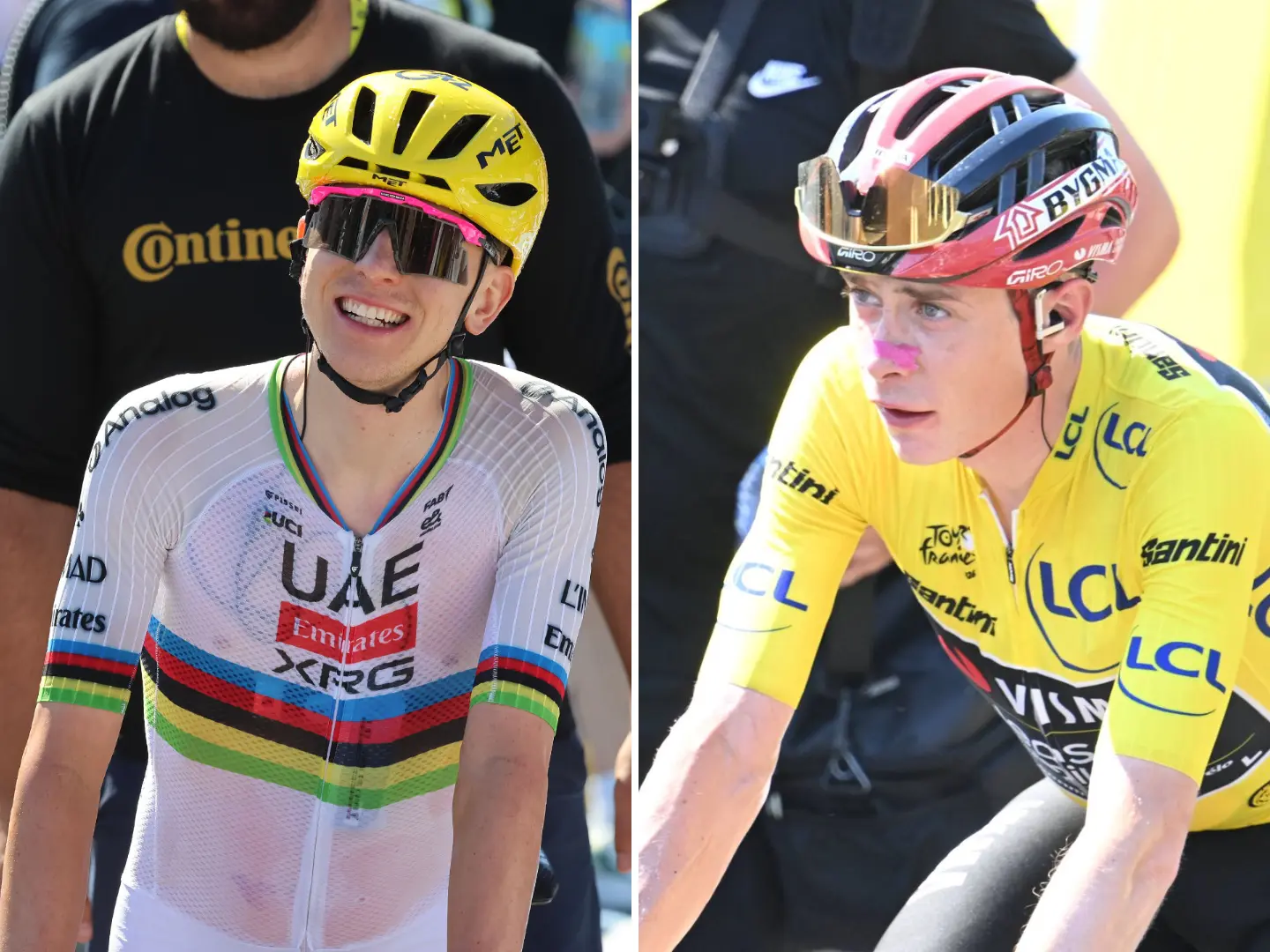
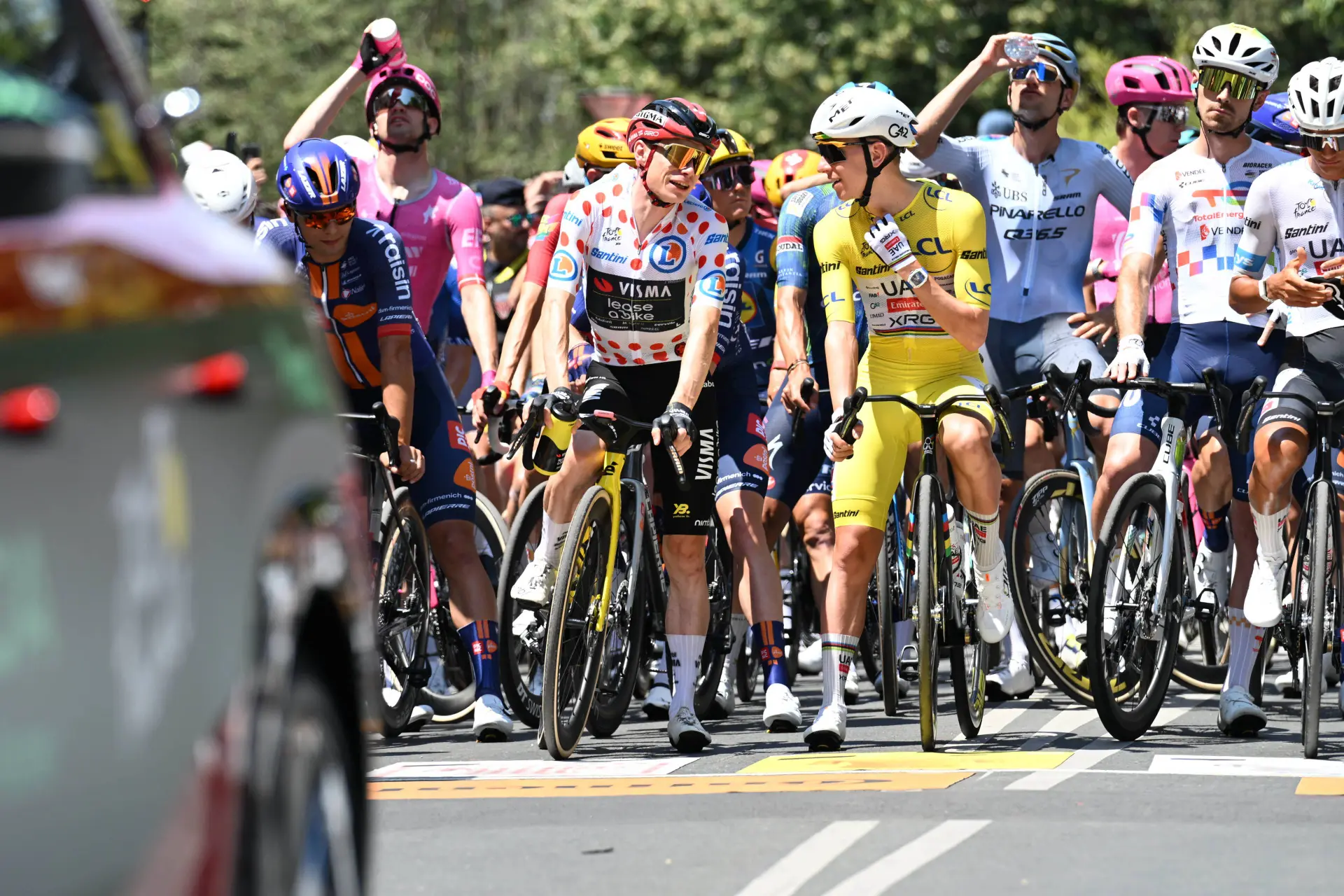
Sitting in first and second place in the yellow jersey race. Pogacar and Vingegaard endured a somewhat sleepless night on Saturday into Sunday as Pogacar was woken at 5am and Vingegaard at 2am for doping tests.
L'Equipe later reported that a judge had approved the night time tests of Vingegaard and Pogacar. A judge of liberties and detention (JLD) at the Paris judicial court made the call after being contacted by the International Testing Agency (ITA). According to the report, the incident is the first application of provisions introduced into French law in 2015.
The judge, according to the sports code, must verify that there are "serious and consistent suspicions" that the specific riders have violated anti-doping rules or could do so. The judge must also determine a "risk of loss of evidence."
Vaughters, now CEO of WorldTour outfit EF Education-EasyPost, was a professional from 1994 to 2003 and rode with Lance Armstrong's US Postal for two seasons. In 2012, he publicly admitted to doping and claimed that there were many others in the sport who had done so.
Read also
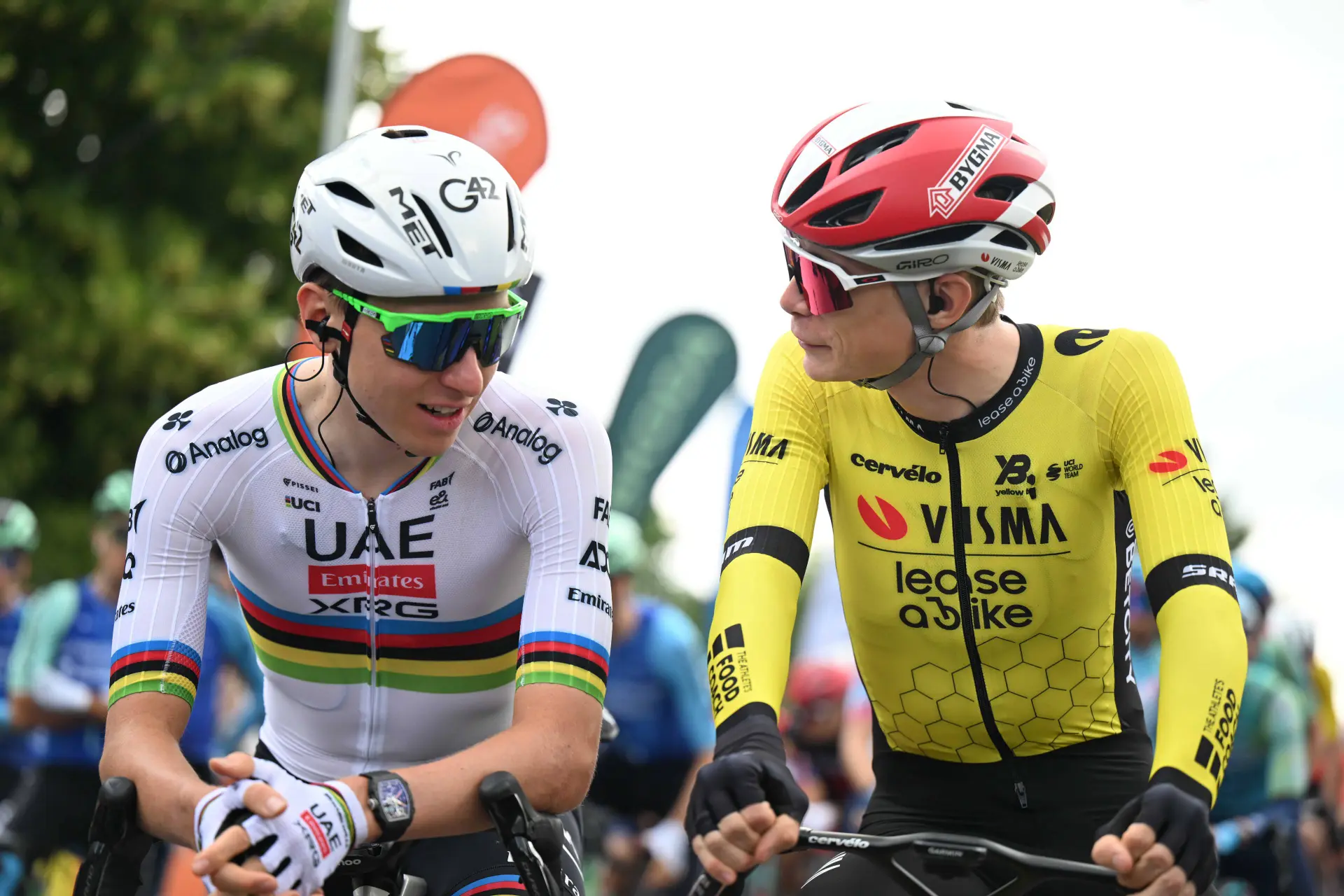
Vaughters weighs-in on Pogacar and Vingegaard doping tests
Taking to social media in light of Pogacar and Vingegaard's overnight testing, Vaughters speculated potential reasons for the testing.
"I don’t post here much," Vaughters said on Twitter/X.
"But I’ll roll this grenade down the aisle: 2am testing is one of the very effective ways to prevent peptide(EPO,hGH) and testosterone micro dosing."
However, Vaughters claimed that although he feels guilt for today's riders facing the additional spotlight after his generation's actions, he feels the tests could add credibility to the sport and riders.
"If UCI had tested us in 2001 at 2am? We’d all have been suspended and saved the sport 25 years of drama," he added.
"It’s unfortunate that Tadej and Jonas have to atone for the s**t we did. However, I’d take some lost sleep for some gained credibility. I should apologize to both of them, honestly."

Tadej Pogacar and Jonas Vingegaard
CPA release statement
On Monday, the CPA released a statement in response to the nighttime tests, the riders' union has questioned the relevance of the procedure and noted the impact it would have on a rider's physical recovery during competition.
"Night-time testing raises questions about its relevance: Interrupting their rest in the middle of the night for testing now warrants serious consideration," read the CPA's statement.
"The Tour de France is a competition that demands exceptional physical effort. The quality of sleep and recovery is essential not only for performance but also for the health and safety of the riders. It is clear that this practice hinders athletes’ recovery during the most important and difficult race on the global calendar and runs counter to the intended objectives."
Read also
While stressing the importance of anti-doping control, the statement called for more targeted investment in scientific research and detection technology.
The statement added: "Cycling contributes approximately €10 million to funding the fight against doping within the International Testing Agency (ITA) for the collection and analysis of samples, while at the same time the World Anti-Doping Agency (WADA) spends, on average, only $5 million per year across all sports on basic research to develop new methods for detecting and identifying new doping substances.
"Would it not therefore be more appropriate to invest more in scientific research and detection technologies, rather than increasing the number of particularly intrusive unannounced tests?"
Gavin QuinnCycling Journalist
Gavin Quinn is a cycling journalist and ultra-distance cyclist with a BA in Journalism from Dublin City University. Formerly the Press & Communications Officer for Cycling Ireland, Gavin has worked inside the national team at the World Championships and has reported for the Irish Mirror, Mirror UK, and The42.
His expertise is backed by elite-level access, having interviewed stars like Sam Bennett and Ben Healy, as well as immense personal endurance. In 2025, he completed a 12,000km solo cycle from Ireland to Vietnam, following a 4,600km tour across Europe. From the cobbles of Paris-Roubaix to the gradients of the Tourmalet, Gavin’s writing focuses on the "romance and brutality" of the sport. Having visited 50+ countries, he brings a global, cultural perspective to his coverage of the pro peloton for CyclingUpToDate.
claps 0visitors 0
Just in


Popular news
Latest comments
- OK, this is my take: Jonas didn't want to crash and break his collar bone... BUT ... at this moment Jonas, despite his injury, looks like he's in a good mood. Do you all know why? Because he knew, his team knew, they will never beat Pogačar...NEVER !!! Jonas is thinkig; "Thank god, it's over. My suffering against Pogi is over. Officially I didn't lose TdF, because I didn't finish." There will always be some people who will say "Maybe Jonas would have won if he hadn't crashed, you never know." We all see what BS is comind out of Marc Reef's mouth: "We had the race in our hands, and we were ready to give it a shot with him." ... He's trying to tell us between the lines: "Pogi is lucky, that Jonas crashed, he would have beaten him in week three, and won TdF." What a clown!!!mus-musculuspeedypogigonzales21-07-2026
- Terrible news of Florian Lipowitz crashing out. Wish him speedy recovery. It just reinforces the fact that victory is never certain until a rider crosses the finish line in Paris. I think the top 3 podium spots are going to be fought between Pogacar, Remco, Del Toro and Seixas barring any accidents.
 PogiFan2Day21-07-2026
 - If Paul rides within himself and only nears red on the final three mountain stages he will be on the podium. I said before the Tour started I didn't expect anything from him this Tour and that a top five, even a top ten would be an absolute success beyond imagination, being this is his first GT, if he podiums he needs to take a deal with Ineos immediately and he needs to run that team like Wiggins and Froome did.awp21-07-2026
- They didn't have the race in hand, they had the podium in hand.awp21-07-2026
- INEOS is getting worse. Not a top dog anymore.
 KerisVroom21-07-2026
 - They are testing but are they Lance era testing or active testing. Lance era was "oh, looks a bit high but he is a big drawl...it's fine". Active is, positive pull them out of the race and banmd197521-07-2026
- it hinders recover if you're using epo for recoverywhkman21-07-2026
- Success usually corrupts and makes one arrogant. This is very impressive.KerisVroom21-07-2026
- Marc Reef: We had the race in our hands, and we were ready to give it a shot with him We had the race in our hands? Someone else needs to be tested for something else with this comment. Jonas was barely top 5 the day prior.mij21-07-2026
- this is a ridiculous comment, no basis behind this.mij21-07-2026
Loading
4 Comments