"Warrants serious consideration" - CPA issues statement over night time doping tests of Pogacar and Vingegaard
Cycling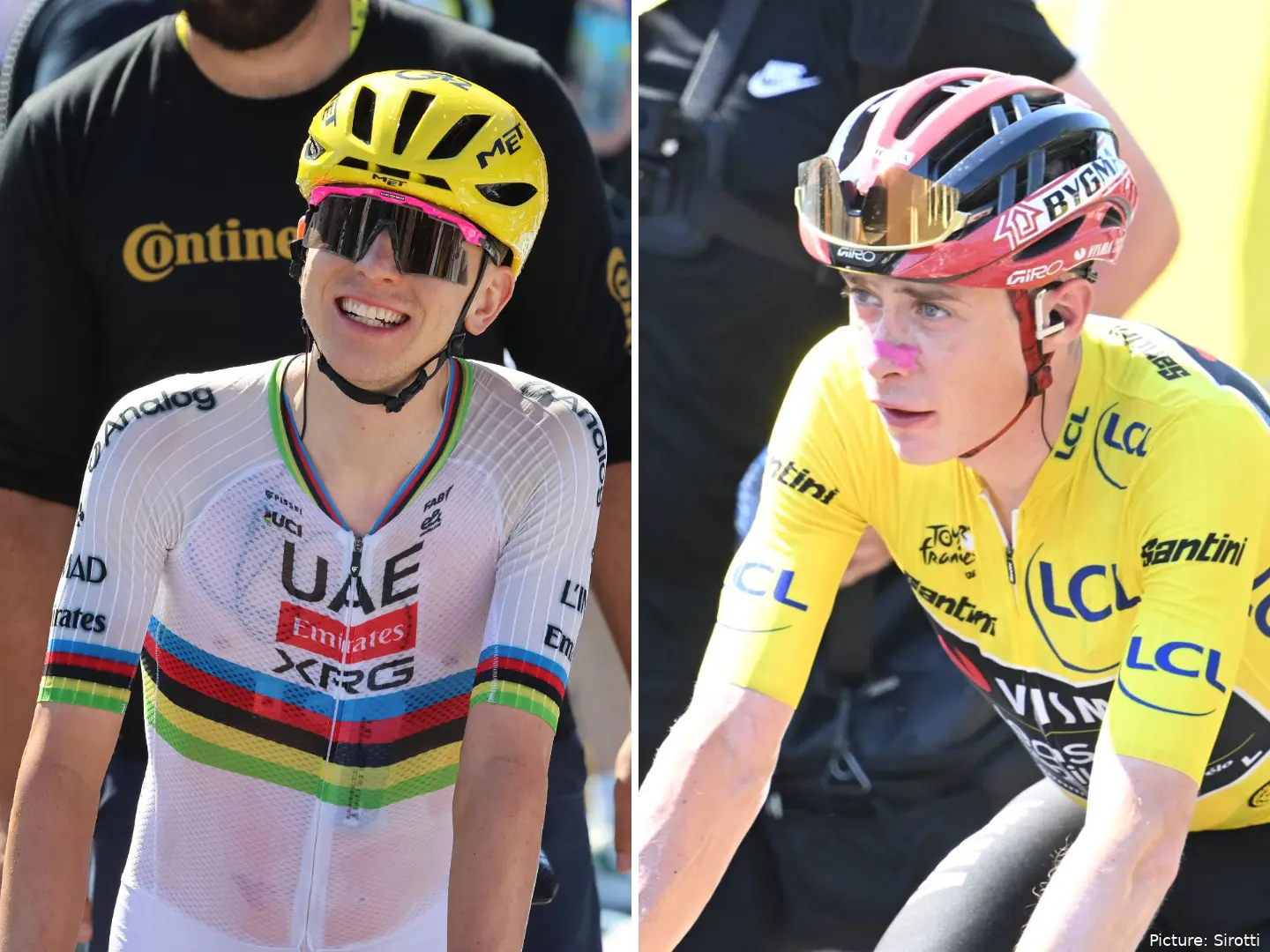
The Cyclistes Professionnels Associes [CPA] have questioned the International Testing Agency's [ITA] overnight testing of Tadej Pogacar and Jonas Vingegaard during the Tour de France after the rivals were woken up at 5am and 2am for tests on Saturday night after stage 14.
L'Equipe reported that a judge had approved the night time tests of Vingegaard and Pogacar. A judge of liberties and detention (JLD) at the Paris judicial court made the call after being contacted by the ITA. According to the report, the incident is the first application of provisions introduced into French law in 2015.
The judge, according to the sports code, must verify that there are "serious and consistent suspicions" that the specific riders have violated anti-doping rules or could do so. The judge must also determine a "risk of loss of evidence."
In response to the nighttime tests, the riders' union has questioned the relevance of the procedure and noted the impact it would have on a rider's physical recovery during competition.
"Night-time testing raises questions about its relevance: Interrupting their rest in the middle of the night for testing now warrants serious consideration," read the CPA's statement.
Read also
CPA statement on doping tests
"The Tour de France is a competition that demands exceptional physical effort. The quality of sleep and recovery is essential not only for performance but also for the health and safety of the riders.
"It is clear that this practice hinders athletes’ recovery during the most important and difficult race on the global calendar and runs counter to the intended objectives."
While stressing the importance of anti-doping control, the statement called for more targeted investment in scientific research and detection technology.
The statement added: "Cycling contributes approximately €10 million to funding the fight against doping within the International Testing Agency (ITA) for the collection and analysis of samples, while at the same time the World Anti-Doping Agency (WADA) spends, on average, only $5 million per year across all sports on basic research to develop new methods for detecting and identifying new doping substances.
"Would it not therefore be more appropriate to invest more in scientific research and detection technologies, rather than increasing the number of particularly intrusive unannounced tests?"

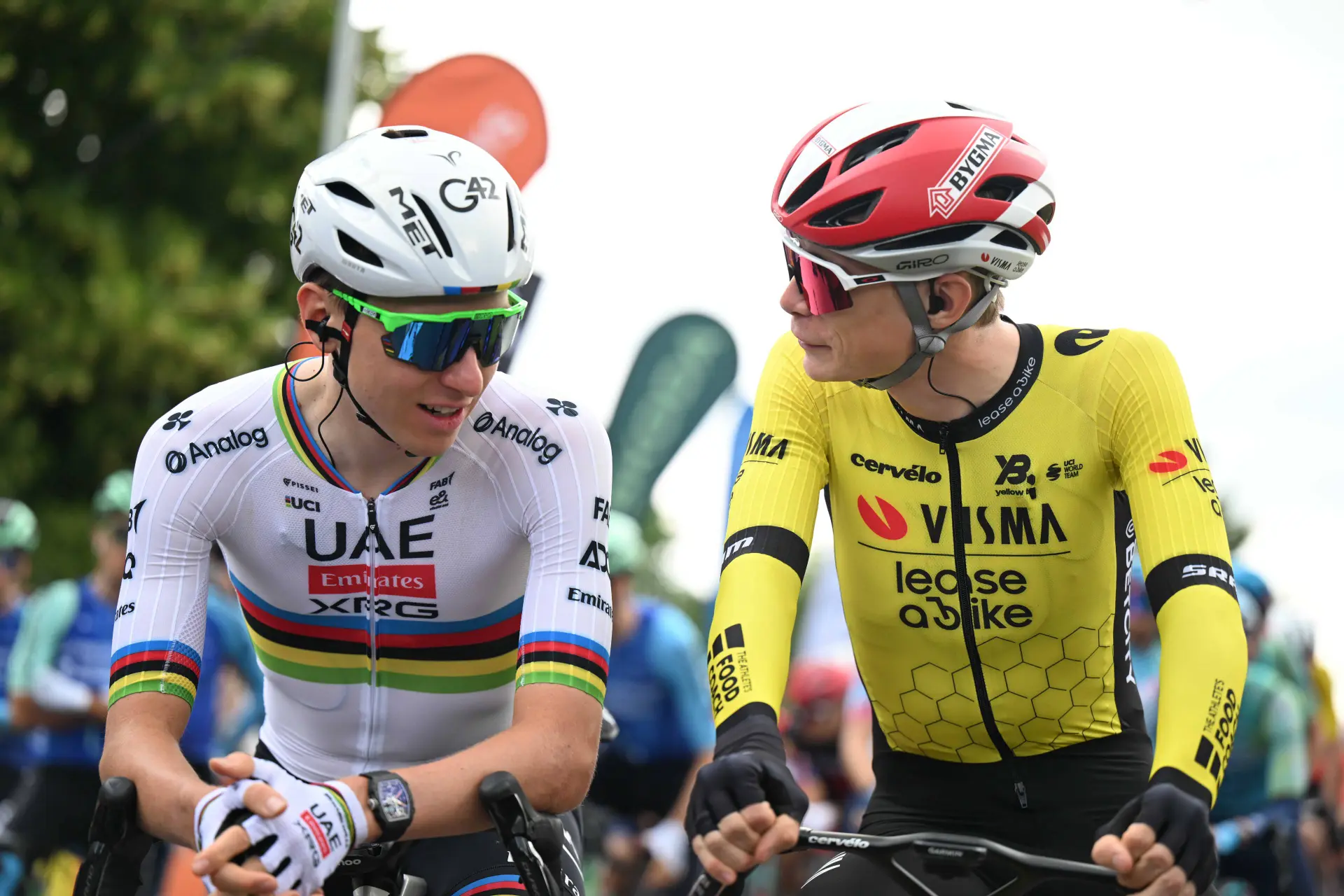
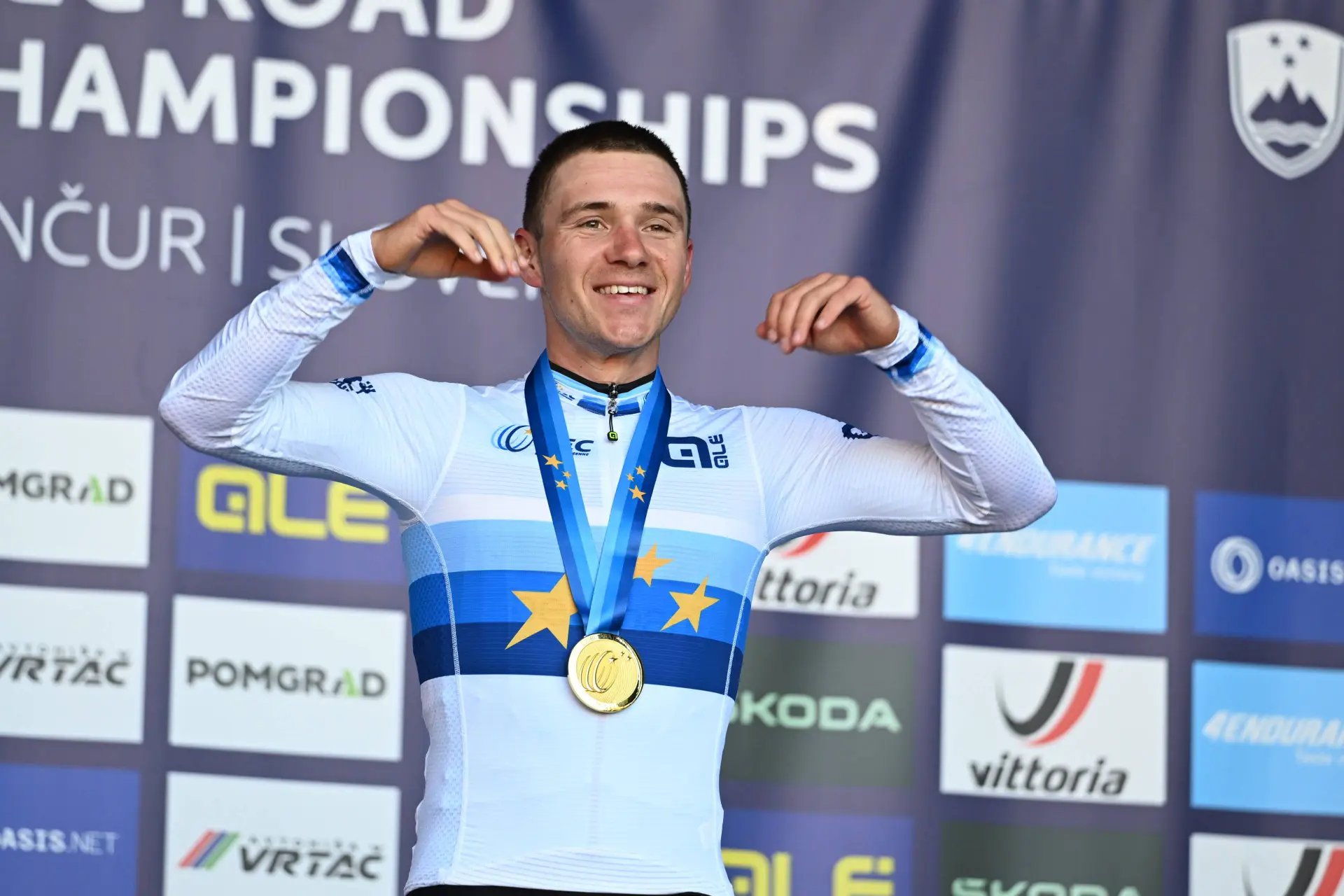
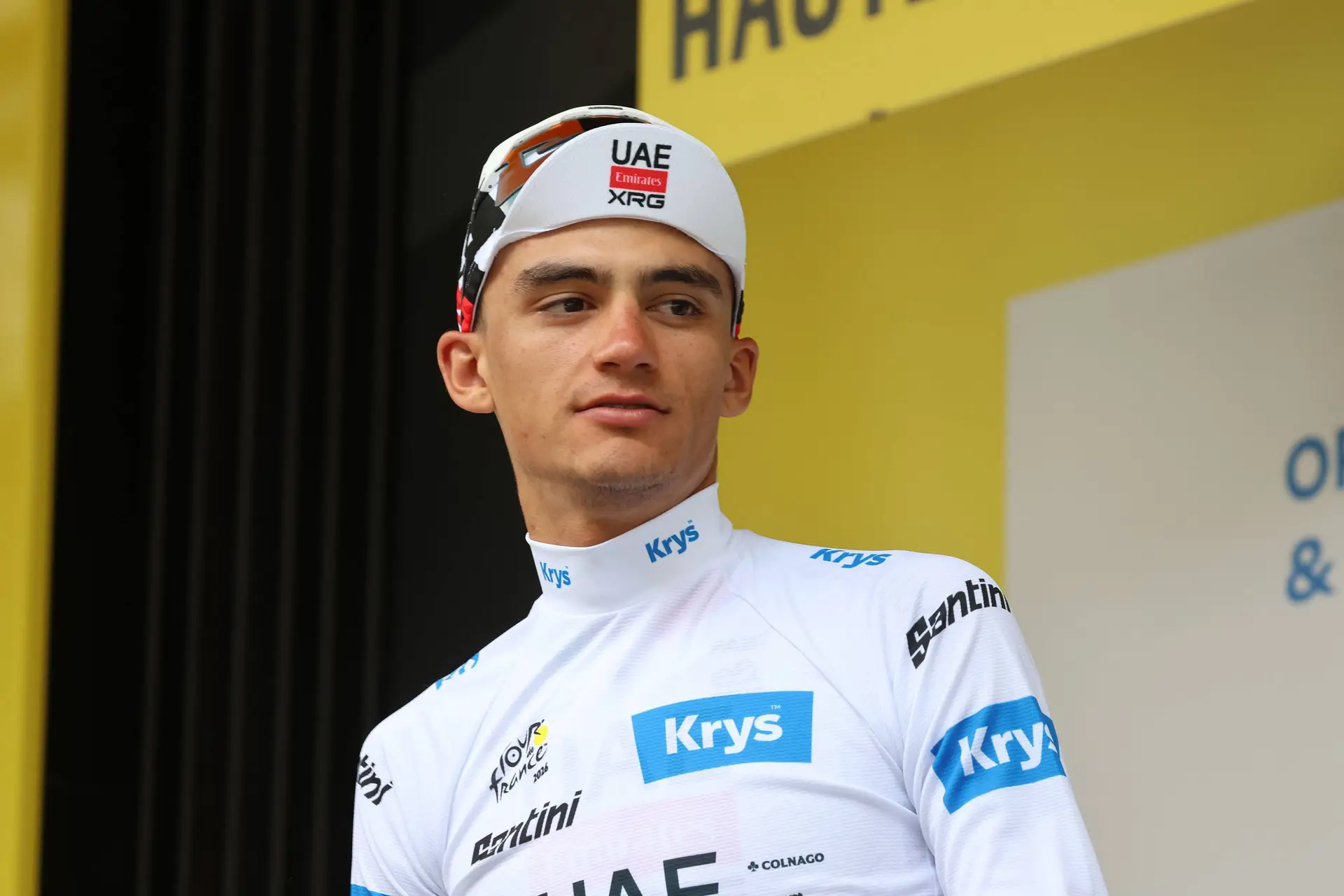
Jonas Vingegaard and Tadej Pogacar at the 2026 Tour de France
CPA calls for fairness and for clarification on process
Not questioning the requirement for doping tests, the union called for fairness and greater transparency in the fight against doping.
"Our goal is not to call into question the fight against doping - quite the contrary. We want it to be increasingly effective, targeted, and efficient in identifying true cheaters, but always while respecting athletes’ fundamental rights, health, and recovery conditions," the statement added.
"We also want to ensure that fairness in sports is maintained among athletes and that everyone can benefit from adequate recovery, whereas these targeted and physically taxing tests, on the contrary, hinder it.
"Furthermore, the CPA hopes that all stakeholders will come together to clarify the existing processes and, among other things, ensure that the tests conducted are carried out within a strict legal framework.
"An effective fight against doping is essential. An intelligent fight against doping is just as essential."
Gavin QuinnCycling Journalist
Gavin Quinn is a cycling journalist and ultra-distance cyclist with a BA in Journalism from Dublin City University. Formerly the Press & Communications Officer for Cycling Ireland, Gavin has worked inside the national team at the World Championships and has reported for the Irish Mirror, Mirror UK, and The42.
His expertise is backed by elite-level access, having interviewed stars like Sam Bennett and Ben Healy, as well as immense personal endurance. In 2025, he completed a 12,000km solo cycle from Ireland to Vietnam, following a 4,600km tour across Europe. From the cobbles of Paris-Roubaix to the gradients of the Tourmalet, Gavin’s writing focuses on the "romance and brutality" of the sport. Having visited 50+ countries, he brings a global, cultural perspective to his coverage of the pro peloton for CyclingUpToDate.
claps 2visitors 2
Just in
Popular news
Latest comments
- Yes, question is, why is Ineos so easy to convince ?Mistermaumau09-10-2026
- Or maybe they’ll just abandon the sport and focus on RE, unless they can revive MU. Maybe it’s all just about budget adjustments in preparation for takeover by the new sponsor who might have no use for some people in their idea of a projectMistermaumau09-10-2026
- Sounds like management did their job pretty well then ;-)Mistermaumau09-10-2026
- Tour down under awaits... and nothing beyond that
 Rafionain-Glas09-10-2026
 - God, what a crowd gathers in these comments. You post a quote from a true champion—a quote that has nothing to do with his tragic accident (on the contrary, with his very passion)—and people interpret it however suits them.MajorPayne09-10-2026
- What needs to be understood? That you're linking a single statement to his death? Could it get any more stupid?MajorPayne09-10-2026
- Are you saying that statement led him somewhere related to religion? Could it get any more stupid?MajorPayne09-10-2026
- A broken contract by mutual agreement is perfectly fine. The problem is if one side does it without the other agreeing which isn't the case in this situationvappaxbipmv09-10-2026
- Maybe Ineos are planning to concentrate on GC after recent statements about getting back to winning the Tour?Lozza09-10-2026
- lol maybe a better questionmij09-10-2026
Loading
Write a comment