“Hard to see and to live through” – Alberto Contador gives eye-opening view of chaotic Vuelta protests in Madrid
Cycling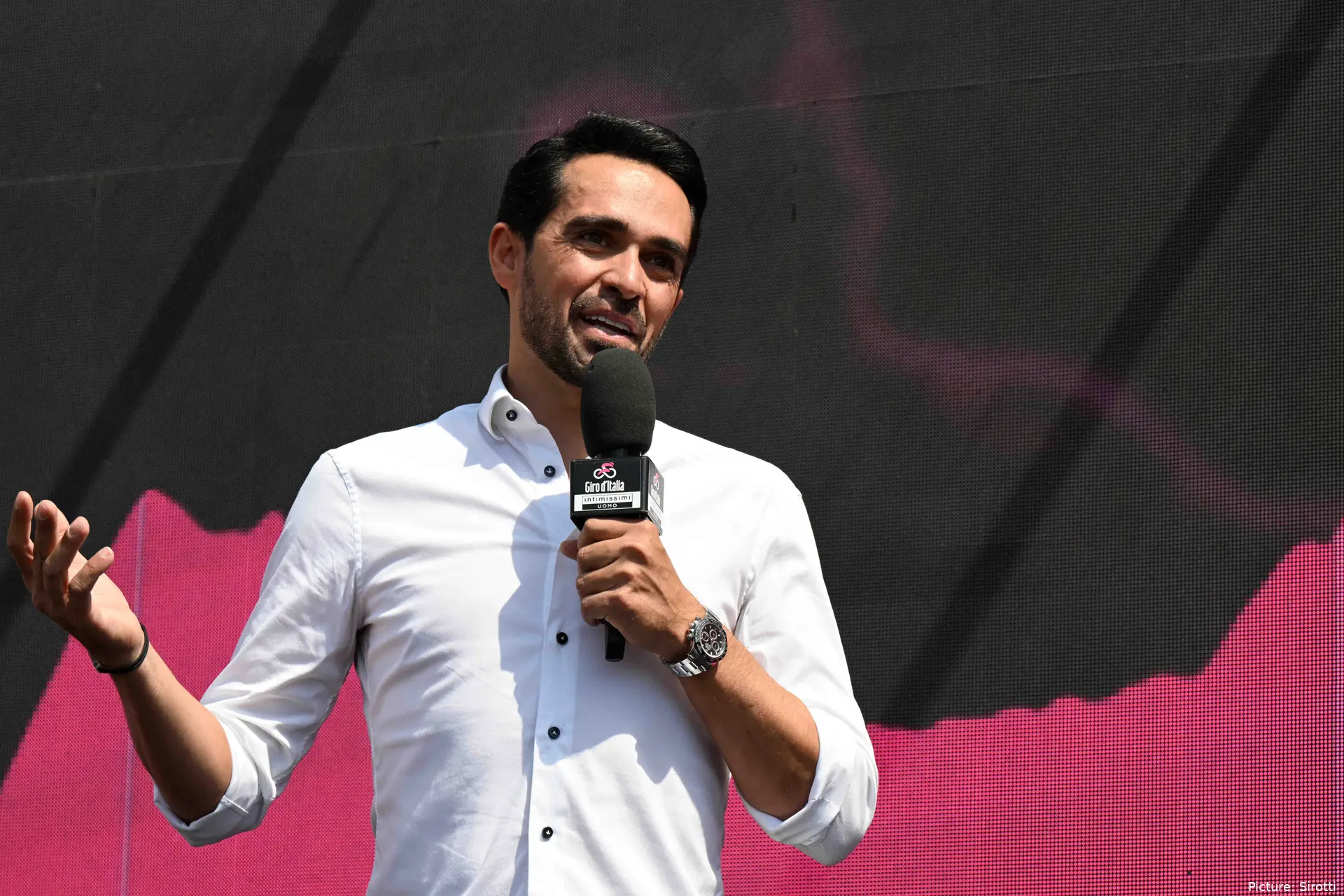
Spanish cycling icon Alberto Contador has broken his silence on the unprecedented protests that overshadowed the finale of the 2025 Vuelta a Espana, admitting the scenes in Madrid were “hard to see and to live through”.
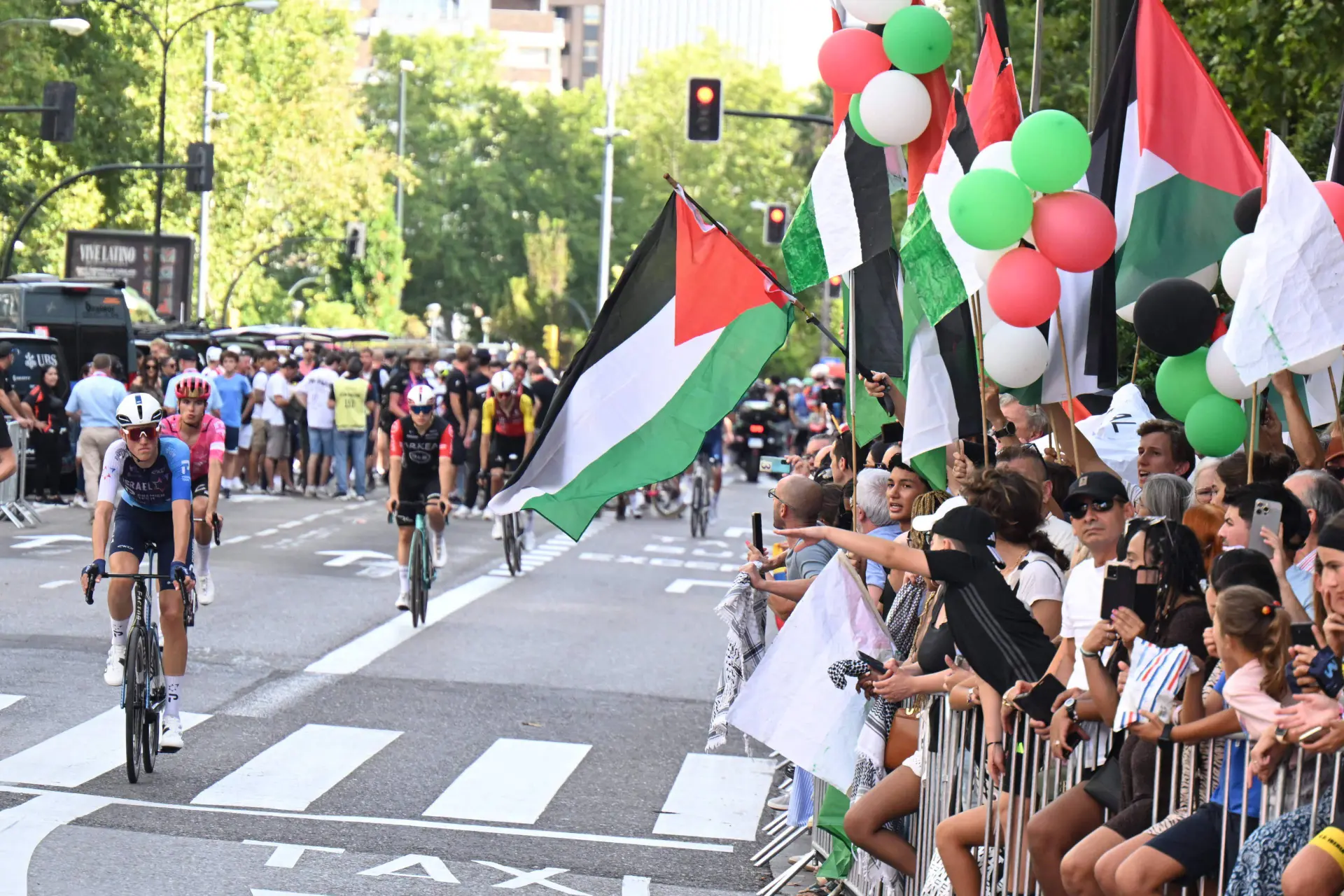
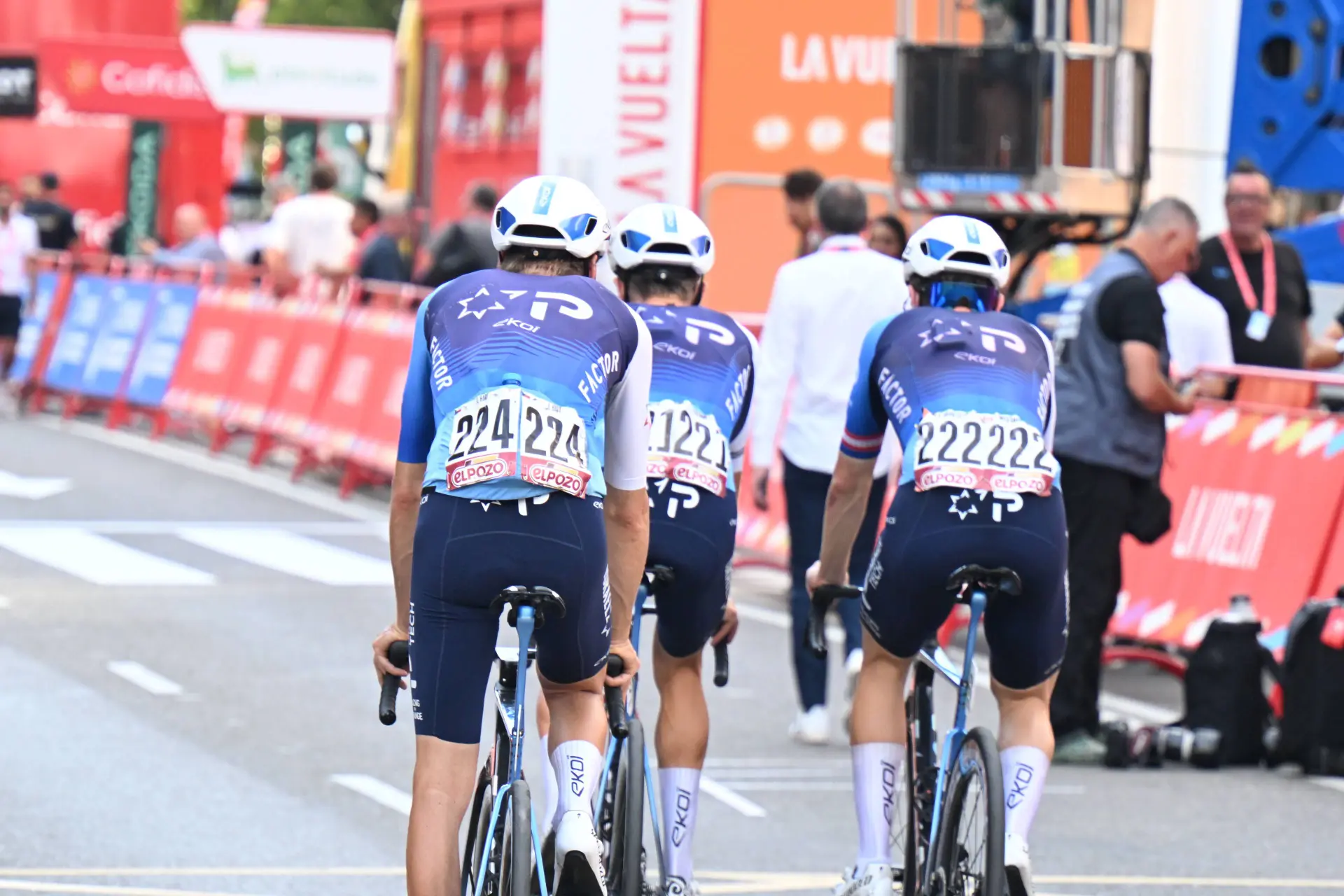
The three-time Vuelta champion and now television commentator was present at the race when pro-Palestinian demonstrations forced the neutralisation and eventual cancellation of the final stage in the Spanish capital. The flashpoint followed weeks of unrest across the country sparked by the participation of Israel – Premier Tech, whose presence in the peloton provoked daily demonstrations.
Speaking at the presentation of his Gran Fondo in Oliva, Contador reflected on the balance between legitimate protest and disruption to the sport. “We all agree that what is happening in Palestine is appalling and it is logical there are demonstrations. But I also believe there are many ways of going about it, and at certain times some limits were crossed,” he said in quotes collected by MARCA.
While praising the peaceful marches that characterised much of the race — “It was wonderful to see so many people with Palestinian flags, whole families demonstrating calmly” — Contador felt the escalation in Madrid marked a line. “I don’t know to what extent it was the best way of expressing the protest,” he added.
A fragile finale for La Vuelta
The finale in the capital proved chaotic, with large-scale blockades preventing the peloton from entering the city circuit, leaving organisers with no choice but to cancel the stage. Vuelta director Javier Guillén later underlined that, as a private enterprise operating under UCI rules, the race lacked any authority to exclude a team on political grounds — a point echoed by Contador, who stressed the “huge effort” involved in staging a three-week Grand Tour.
For Contador, the more troubling legacy of Madrid lies beyond cycling. “The sad part is that this is leading to a polarisation that benefits no one,” he said, describing a social divide that has deepened in Spain since the Vuelta’s tumultuous conclusion.
The fallout continues to reverberate across the sport, with organisers of other Spanish races such as O Gran Camiño already signalling they will not extend invitations to Israel - Premier Tech in 2026. Against that backdrop, Contador’s words add the perspective of a champion who has experienced La Vuelta from inside the peloton and now from the commentary booth — a reminder of just how fragile cycling’s major races can be when they collide with politics on the streets.
Read also
We all feared that it will happen and it happened, the Vuelta had to be stopped because of these "protests". #LaVuelta25 pic.twitter.com/G2UhNsLLlf
— Lukáš Ronald Lukács (@lucasaganronald) September 14, 2025

Kieran WoodDeputy Editor-in-Chief
Kieran Wood is a sports journalist based in Wales and has been active in journalism since 2022. He regularly contributes to DartsNews.com and CyclingUpToDate.com, where he covers professional cycling and darts. In cycling, his work includes liveblogs from major races, including the Tour de France, the Giro d’Italia, and La Vuelta a España, alongside race reports and analysis. He has also conducted interviews with professional riders.
His reporting spans the full racing calendar, from one-day classics to stage races, with a focus on accurate, real-time coverage and clear contextual analysis. For statistics, results, and historical context, he regularly uses resources such as ProCyclingStats. To support reporting on rider activity and training context where relevant, he also references Strava.
In his work, Kieran places strong emphasis on careful sourcing, editorial accuracy, and updating articles as new, verified information becomes available.
claps 1visitors 1
Just in

Popular news
Latest comments
- disrespectful thats a joke ...
 Davide20-10-2026
 - EF’s “island of misfit toys” squad is probably one of my favorites in the peloton. They are fun to watch, always trying stuff - they ride with heart and panache, and their kits are excellent.wrsty20-10-2026
- 'Children these days'... Wout, since the caveman learned to say "Ug", older generations have always said this about younger generations. Not every young rider is a cowboy. So what's to say that the fact that Poels was respectful meant that his peers were equally so?
 Rafionain-Glas19-10-2026
 - "...In a weakened field" Most definitely ! YAWN !frieders319-10-2026
- Noted. But I had to appease his fans.MajorPayne19-10-2026
- I wonder if he'll race Challenge MallorcaRafionain-Glas19-10-2026
- Head to head time-splits: Jay Vine vs Remco Evenepoel: 10.5 km - Vine lost 45 seconds to Evenepoel 34.2 km - Vine lost a further 1:10, and was caught in the vicinity of that checkpoint. Note: I remember Vine getting caught before the second checkpoint, and ProCyclingStats log supports that, however, the gap at the second checkpoint was less than 2 minutes. 45.4 km - Vine lost only 16 seconds Of course, Vine lost less time in the middle section than the early section, but at the final segment rate, he'd have lost 15 seconds in the opening section and and 34 seconds in the middle. It is possible that Vine paced himself very well but that seems unlikely. In comparison with Stefan Küng: Kung lost: 26 seconds at T1. A further 1:11 by T2. A further 40 seconds by the finish. Relative to Evenepoel, Küng did slow down by the end. Maxime Decomble: Lost 47 seconds at T1. A further 1:20 by T2. A further 26 seconds by the finish. Mikkel Bjerg: Lost 37 seconds at T1. A further 1:34 by T2. A further 46 seconds by the finish. It is not concrete evidence that Vine cheated though it certainly doesn't absolve him. However, watching the race, I am 100% sure that Vine did not pull over and follow a different line when Remco passed him. Remco pulled away quite quickly, but the gap did not balloon and Vine definitely got aero assistance.Rafionain-Glas19-10-2026
- That ship has sailed years agovappaxbipmv19-10-2026
- He doesn't have to. I'd be perfectly happy if he loses SB if he then wins everything elsevappaxbipmv19-10-2026
- Please don't put Remco in the same sentence as Tadej. It's disrespectful to Tadej. Please make a note of this.KissinKate19-10-2026
Loading
Write a comment