“Grand Tour racing, jersey on the line... It’s always going to be chaotic” - Geraint Thomas weighs in on Giro safety debate after INEOS caught up in Stage 1 crash
Cycling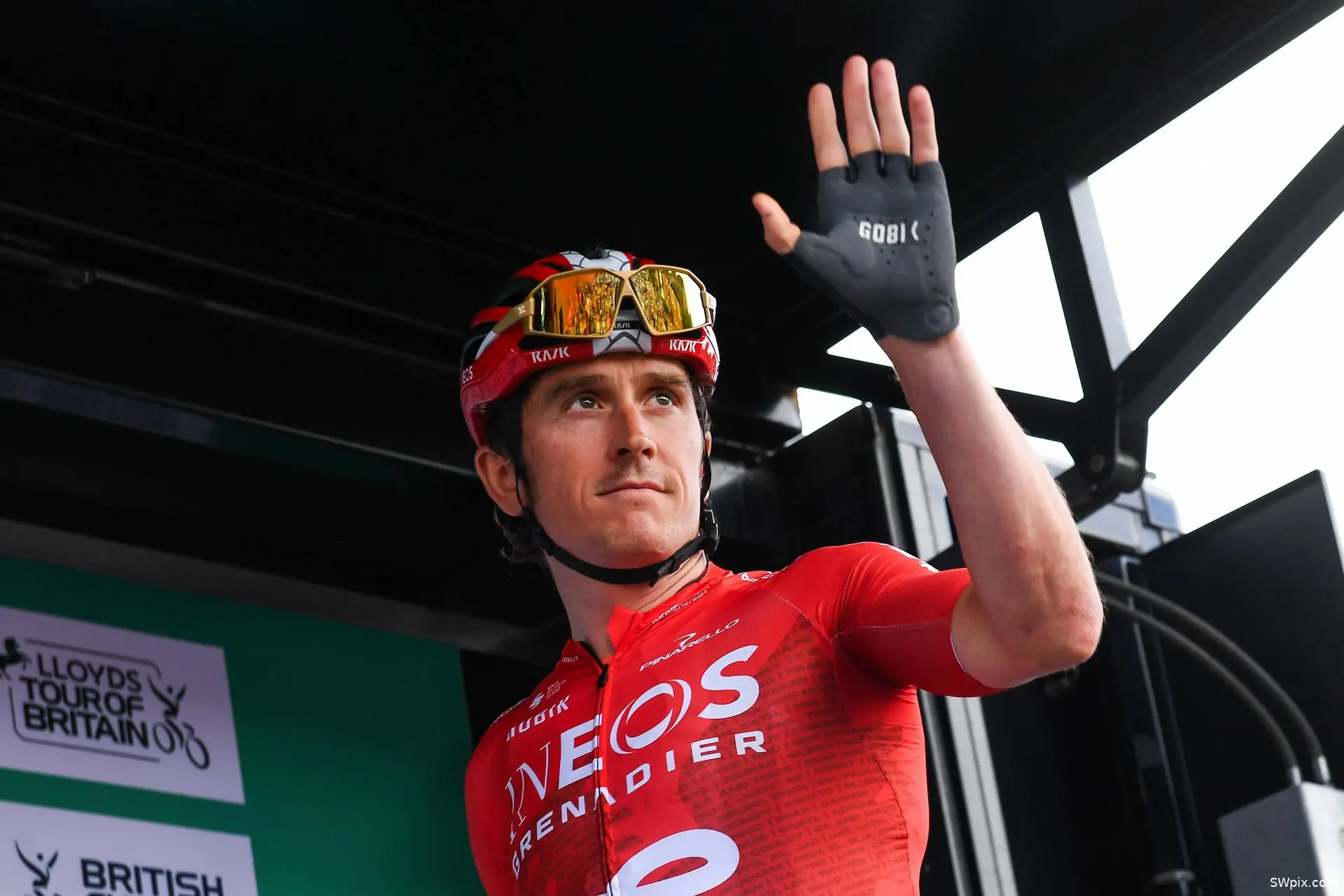
The chaotic finale of Stage 1 at the Giro d’Italia continues to dominate discussion inside the peloton, but Geraint Thomas believes the nervous sprint into Burgas ultimately reflected the unavoidable reality of Grand Tour racing rather than one single catastrophic organisational failure.
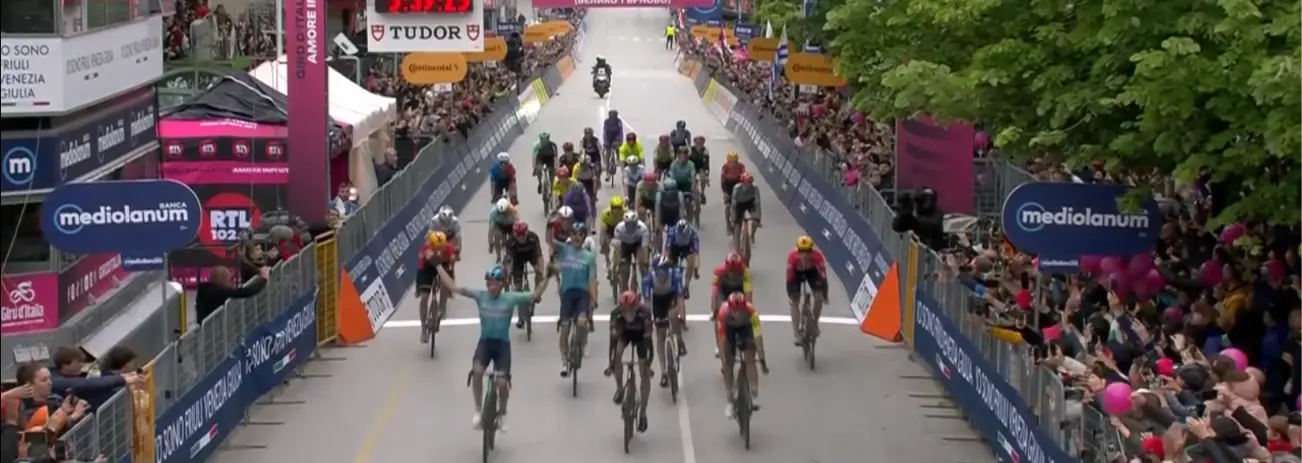
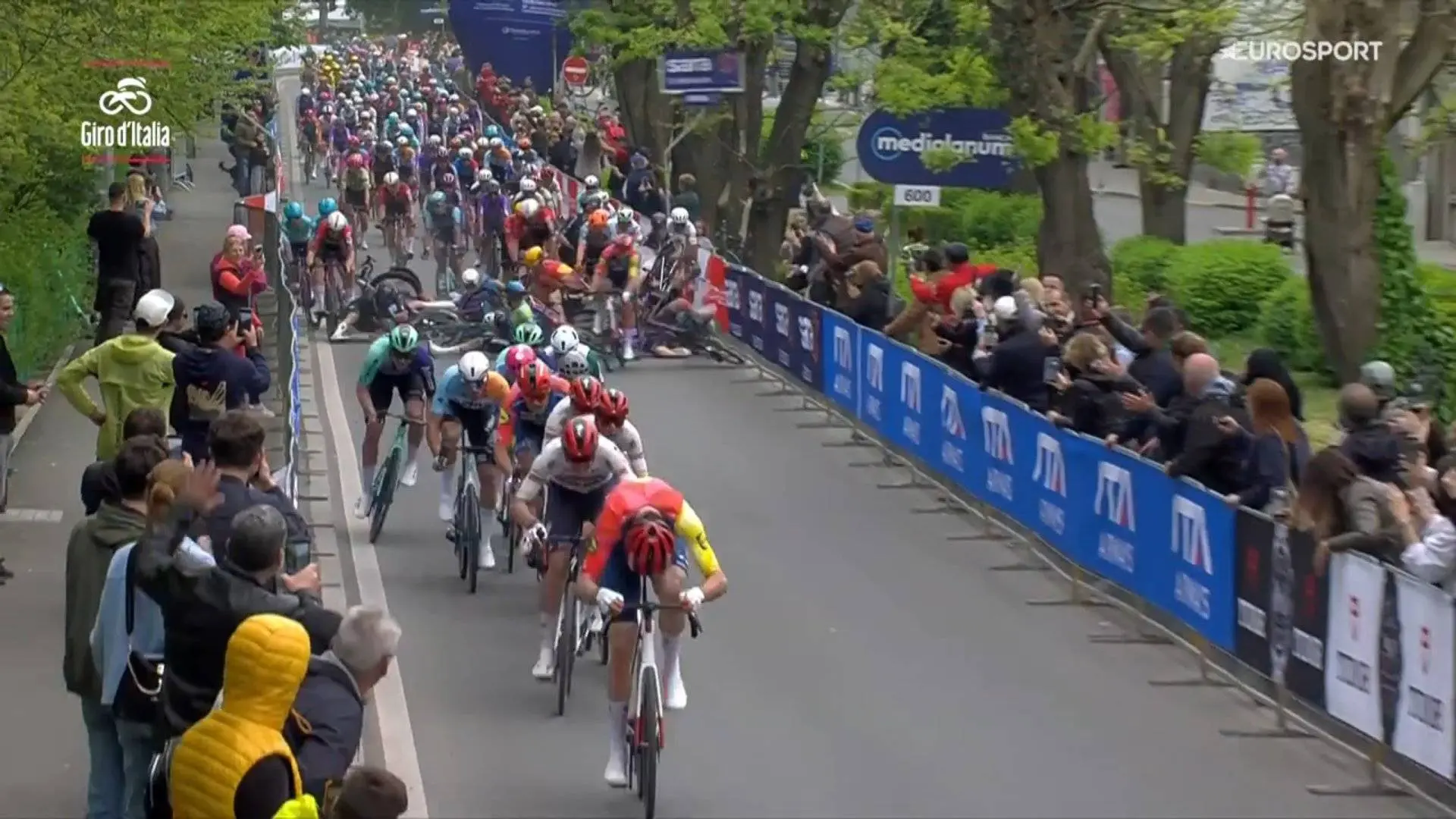
The opening stage of the Giro ended in a huge crash inside the final kilometre, wiping out several leading sprint contenders including Kaden Groves, Dylan Groenewegen and Matteo Moschetti, who later abandoned the race with concussion.
In the hours after the finish, criticism of the finale quickly spread across the cycling world. Johan Bruyneel described elements of the closing kilometre as something that “shouldn’t be allowed”, while Thijs Zonneveld labelled the roadside barriers “criminal” following the mass crash.
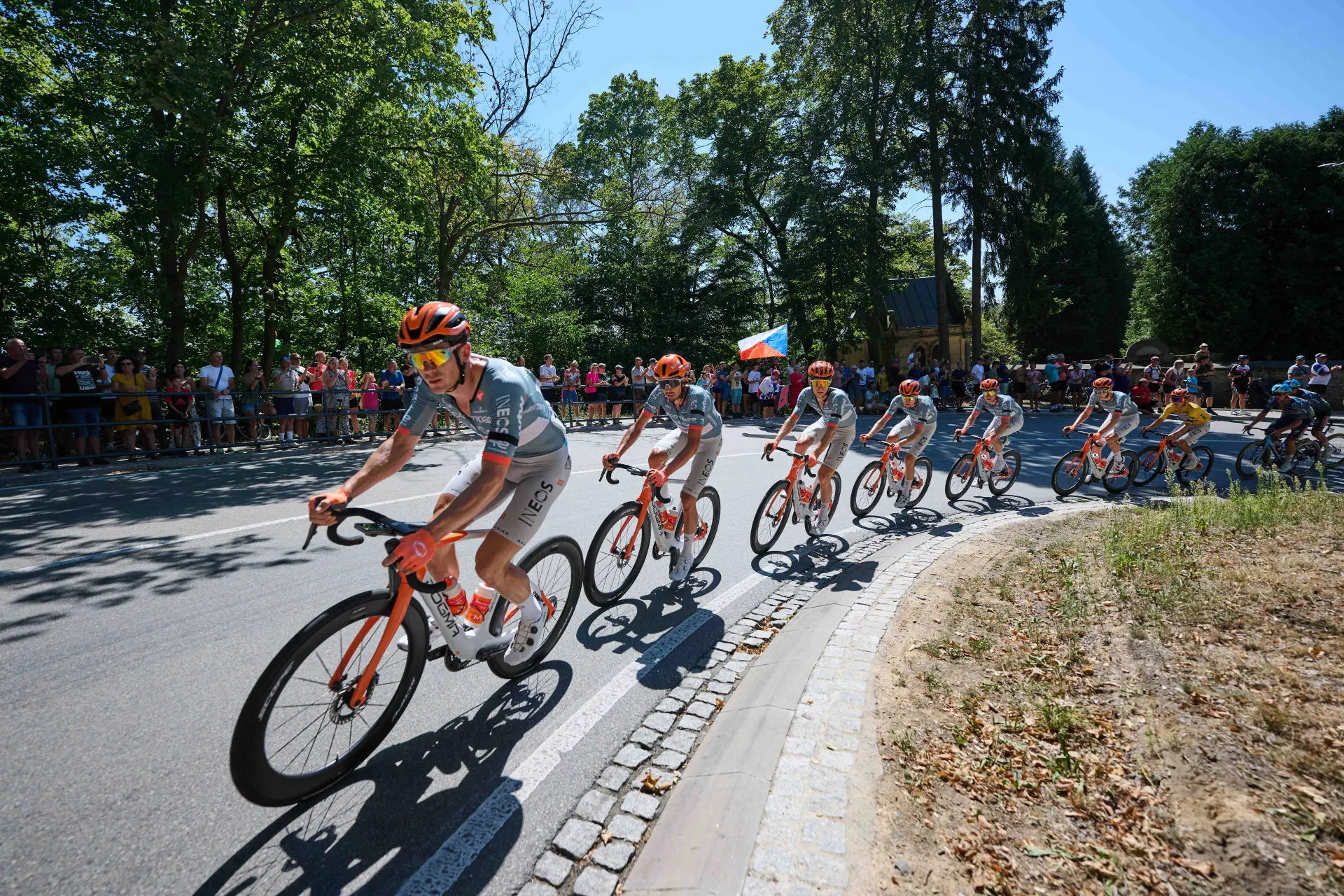
Netcompany INEOS Pro Cycling also found themselves caught up in the chaos surrounding the pile-up, although Ben Turner managed to stay upright while several riders around him hit the ground.
“It’s always going to be chaotic”
Speaking to Cycling News afterwards, Thomas admitted the narrowing roads approaching the finish had contributed to the tension inside the peloton, but stopped short of placing full blame on the organisers. “"I think it's just Grand Tour racing. The jersey is up on the line; it’s always going to be chaotic no matter what they do,” Thomas explained.
The former Tour de France winner, now working in a sports director role with Netcompany INEOS, acknowledged that the final kilometre becoming more confined after a day of wide roads had increased the stress inside the bunch.
“For me, it was big, wide roads all day, then for the last 1km, it goes down to one lane,” Thomas said. “It would have been nice to have just seen it continue on big roads, you know, but everyone knows it, and it is what it is. I don’t think it’s a major fault of anyone’s, really, and that’s sprinting, especially when the pink jersey is on the line.”
Turner stays upright amid Burgas chaos
While several teams escaped the finale by deliberately avoiding the fight for position near the front, Netcompany Ineos remained involved much deeper into the run-in as Turner attempted to stay in contention approaching the sprint.
Thomas praised the British rider’s positioning during one of the most nervous phases of the race. “Ben was riding really well and floating there in the top 20, which is really hard to do when it’s like this,” Thomas explained. “Chaos, just guys left and right, so wide and stuff and no real team taking it on. Obviously, there’s a crash which is not good, but luckily Ben stayed upright and the rest were OK.”

Thymen Arensman crosses the line for INEOS on stage 1 of the 2026 Giro d'Italia
A more nuanced response to the safety debate
Thomas’ reaction contrasted with some of the stronger criticism which emerged in the immediate aftermath of the stage, with several former riders and analysts placing significant blame on the layout of the finale itself.
The Welshman instead pointed toward the broader reality of opening-week Grand Tour sprinting, where nerves, positioning battles and the fight for the Maglia Rosa often combine to create unavoidable tension regardless of the exact road design.
His comments therefore offered one of the more measured perspectives from inside the race itself, acknowledging imperfections in the finale while also stressing that chaos is rarely far away once a Grand Tour leader’s jersey is on the line.
Read also
Kieran WoodDeputy Editor-in-Chief
Kieran Wood is a sports journalist based in Wales and has been active in journalism since 2022. He regularly contributes to DartsNews.com and CyclingUpToDate.com, where he covers professional cycling and darts. In cycling, his work includes liveblogs from major races, including the Tour de France, the Giro d’Italia, and La Vuelta a España, alongside race reports and analysis. He has also conducted interviews with professional riders.
His reporting spans the full racing calendar, from one-day classics to stage races, with a focus on accurate, real-time coverage and clear contextual analysis. For statistics, results, and historical context, he regularly uses resources such as ProCyclingStats. To support reporting on rider activity and training context where relevant, he also references Strava.
In his work, Kieran places strong emphasis on careful sourcing, editorial accuracy, and updating articles as new, verified information becomes available.
claps 0visitors 0
Just in

Popular news
Latest comments
- Nothing. Against Pogi nothingabstractengineer18-10-2026
- He didn't even try to sprint all outvappaxbipmv18-10-2026
- Campenaerts looked like a rolling pumpkin with that all orange leaders skinsuit !frieders318-10-2026
- He can take his dumb a$$ politics somehwere else !frieders318-10-2026
- good to have her back. fingers crossed she‘ll be able to stay!Ketterechts17-10-2026
- A tenner and he wins the Tour next year, too 😂anonymouscyclist17-10-2026
- the answer is either stick to classics or GTs but not bothabstractengineer17-10-2026
- the exodus already stared with Ciccone. Already they were struggling with two sprinters, now there are three. Also Ganna will demand leadership. Gall is the most proven GC, Ayuso has the most potential. GC leadership for everybody will be impossible. Literally a UAE style mess without pogi.abstractengineer17-10-2026
- I raced as an amateur for 12 years, including six years on my country’s national road cycling team. I secured two national titles and competed in three World Championships plus more than 15 international stage races. At 23, we travelled to Italy for a training camp—or so I assumed. On a rest day, we watched a presentation about adopting a more “professional” training approach. It was crystal clear what “professional” meant. That moment first exposed me to this dilemma. After returning from Italy, I left cycling—at least at the competitive level I had known. Over the following two years, the whole team was caught doping. I hold that everyone is innocent until proven guilty. In my view, current stakeholders operate on a different scale, and the sums involved are vast. I am unsure whether any doping would ever be revealed. I try to stay positive and enjoy the show. My 2c.
 vannpelt17-10-2026
 - Fiver he wins 🤣
 leedorney17-10-2026
Loading
Write a comment