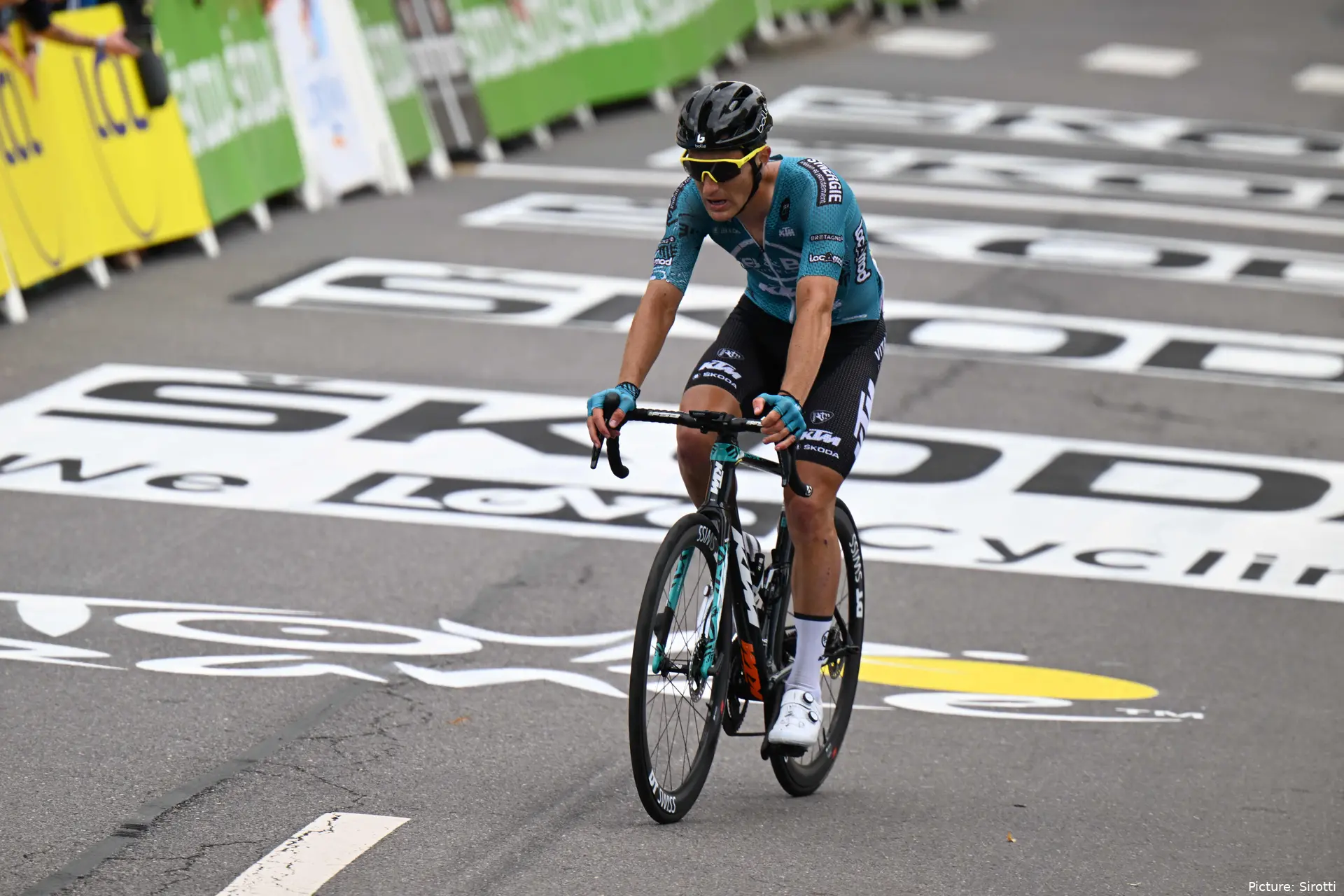
French rider Franck Bonnamour has been suspended from competition until 2028 after the UCI Anti-Doping Tribunal ruled he committed an Anti-Doping Rule Violation (ADRV) linked to his Athlete Biological Passport.
In a statement released on Thursday, the UCI confirmed: “The Tribunal found that Franck Bonnamour had committed an Anti-Doping Rule Violation (ADRV) for use of a prohibited substance or a prohibited method due to an unexplained abnormality in his Athlete Biological Passport in 2022.”
As a consequence, Bonnamour has been given a four-year period of ineligibility, with the ban running from 5 February 2024 to 4 February 2028.
The Biological Passport system
The case was built not on a positive test, but on abnormalities detected in Bonnamour’s Athlete Biological Passport (ABP) — an electronic record of longitudinal blood and biological data designed to flag possible doping practices.
The UCI press release explained: “The Athlete Biological Passport (ABP) is an individual electronic record for each rider, in which the results of all doping tests collected as part of the ABP programme over a given period are collated.”
Management of the programme is overseen by the International Testing Agency (ITA), in collaboration with the Athlete Passport Management Unit (APMU) of Lausanne. According to the UCI, “Athlete Biological Passport cases are prosecuted based on the opinion of an independent Expert Panel of the APMU.”

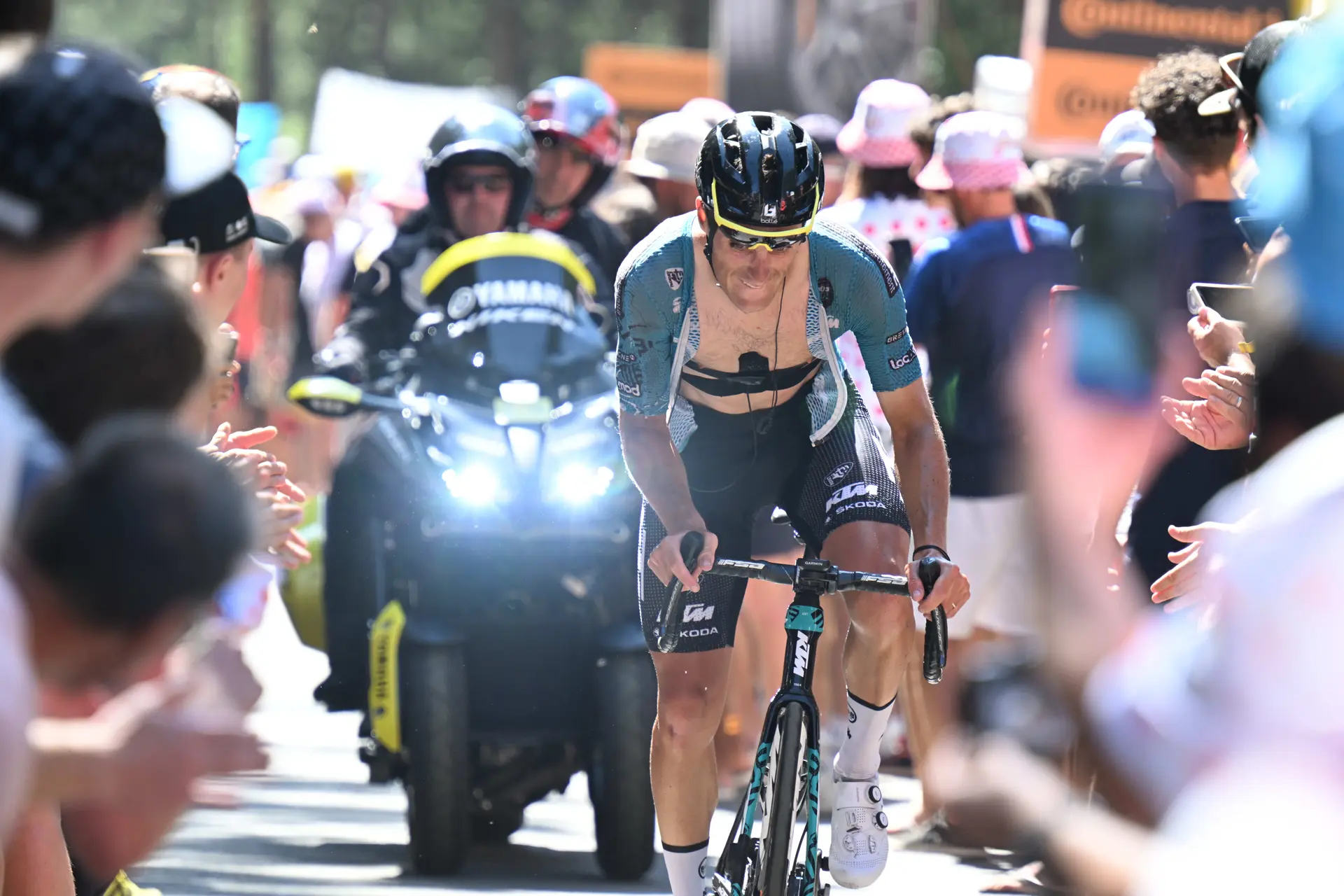
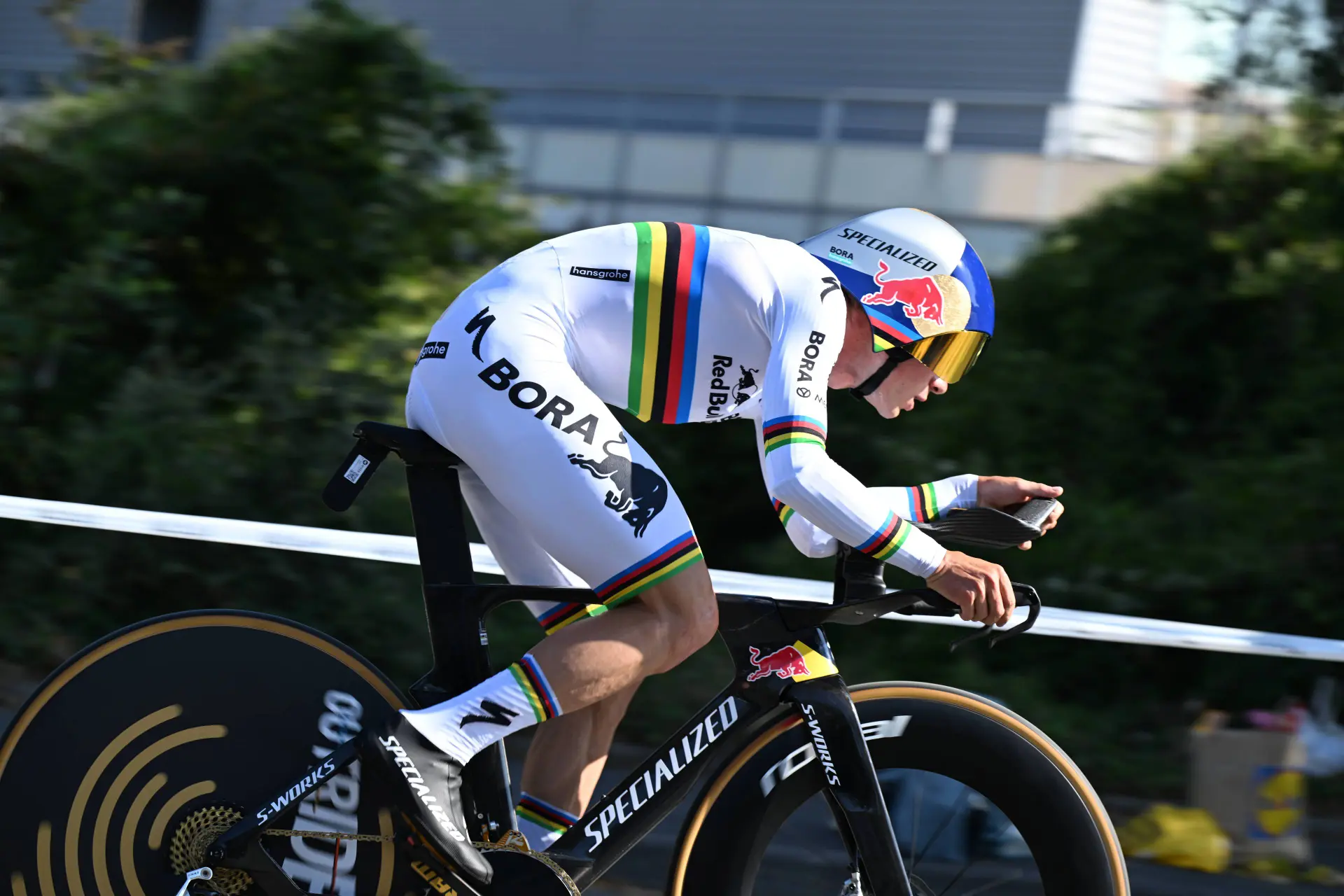
Bonnamour in action
Appeal still possible
As with all Tribunal rulings, the decision may yet be challenged. The UCI confirmed that “the decision may be appealed before the Court of Arbitration for Sport (CAS) within one month.”
Until then, Bonnamour will remain suspended, and the ruling will be formally published on the UCI’s website. The governing body added that “the UCI will not comment further on the matter.”
The verdict underscores the UCI’s determination to act even in the absence of a direct positive test, reinforcing the significance of the Biological Passport in catching long-term doping practices. For Bonnamour, however, once viewed as a symbol of French cycling’s new wave of attacking riders, this ruling could well be career-defining.
UCI statement concerning Franck Bonnamour https://t.co/ifUGwCJAUA pic.twitter.com/cxAhV2k2Lx
— UCI_media (@UCI_media) August 21, 2025

Kieran WoodDeputy Editor-in-Chief
Kieran Wood is a sports journalist based in Wales and has been active in journalism since 2022. He regularly contributes to DartsNews.com and CyclingUpToDate.com, where he covers professional cycling and darts. In cycling, his work includes liveblogs from major races, including the Tour de France, the Giro d’Italia, and La Vuelta a España, alongside race reports and analysis. He has also conducted interviews with professional riders.
His reporting spans the full racing calendar, from one-day classics to stage races, with a focus on accurate, real-time coverage and clear contextual analysis. For statistics, results, and historical context, he regularly uses resources such as ProCyclingStats. To support reporting on rider activity and training context where relevant, he also references Strava.
In his work, Kieran places strong emphasis on careful sourcing, editorial accuracy, and updating articles as new, verified information becomes available.
claps 0visitors 0
Just in
Popular news
Latest comments
- Also, it's supposed to be hard to gain an advantage from drafting off Remco because he is so aero.Hills3319-10-2026
- How would stats back it up? You realise tactics involved could mean Vine saved his legs for a faster finish? Some riders can choose to go all out and fade later in the ride, others can hold steady state the whole way, and others can have a reserved start and power up later in the ride. You can't judge just by the stats unless you have power data to be able to prove Vine is riding faster even though he is putting out the same or less power (suggesting drafting). I'm sure the stats prove that Vine didn't cheat because UCI would monitor the stats to make sure this exact scenario doesn't happen (and disqualify them for drafting if the stats proved it).Pogboom19-10-2026
- Only one person would say such a thing here. Sorry to burst your bubble but I’m afraid that window of opportunity has now closed. You can beat some of the people all of the time and all of the people some of the time but you can’t beat all of the people all of the time.Jumpyjohn19-10-2026
- Both prizes are actually pathetic, almost amateur like, not even covering the cost of participatingJumpyjohn19-10-2026
- It depends on how you define doping and you would do well to give your definition so we can see how against it you are. If you consider the use (as a hypothetical example) of a new beneficial artificial product unknown to anti-doping agencies ok without considering asking them if it would constitute doping if you told them about it then we’re never going to agree on who could be or couldn’t be doping and according to what threshold, moral, statistical, legal, comparative. In football even financial doping is now consideredJumpyjohn19-10-2026
- I can’t wait to follow Pogi's races in 2027. Cycling will be exciting again!!!PogiSloFans19-10-2026
- I saw it for quite a while and the stats back it up
 Rafionain-Glas19-10-2026
 - Hope he can make a redemption by winning all grand tour or all monuments in single seasonZamorano19-10-2026
- great for Brandon to get this monkey off his back - first win in Rainbow has got to feel good.mij19-10-2026
- they are super good.mij19-10-2026
Loading
2 Comments