“Everyone embraced the idea” – Visma’s AI secret weapon behind Jonas Vingegaard’s Tour de France yellow jersey revealed
Cycling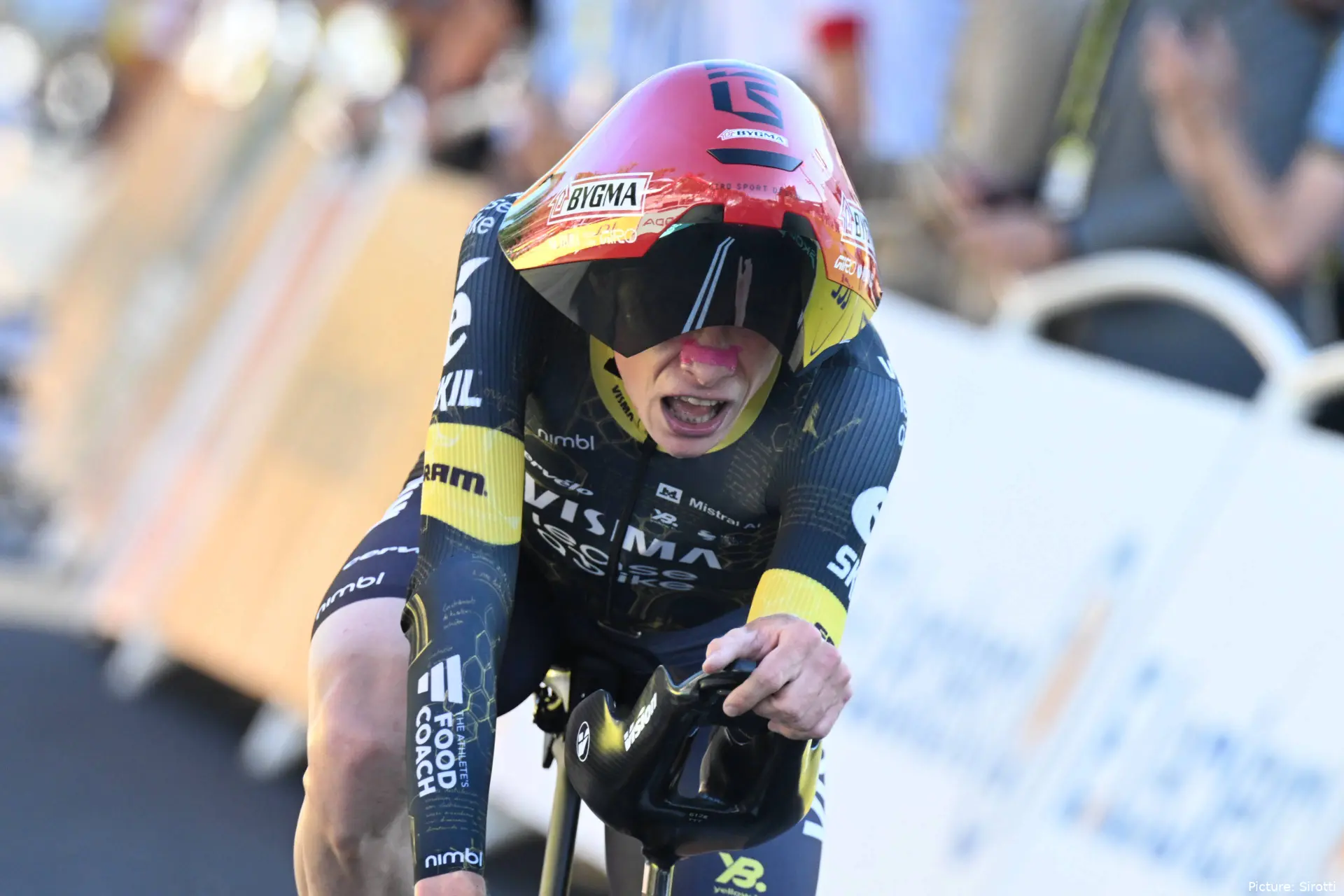
Team Visma | Lease a Bike’s first yellow jersey of the 2026 Tour de France was built around a plan for when Jonas Vingegaard would not work.
Visma beat Netcompany INEOS by 7.33 seconds, UAE Team Emirates – XRG by 11.28 and Red Bull – BORA – hansgrohe by 18.15 in Saturday’s opening team time trial in Barcelona.
Speaking to Sporza afterwards, head of performance Mathieu Heijboer said the winning pacing strategy had been shaped by computer modelling before a wheel turned in the race.
“We ran a lot of models through the computer,” Heijboer said. “AI, so to speak. That helped us determine the best pacing strategy with the riders we have.”
Read also
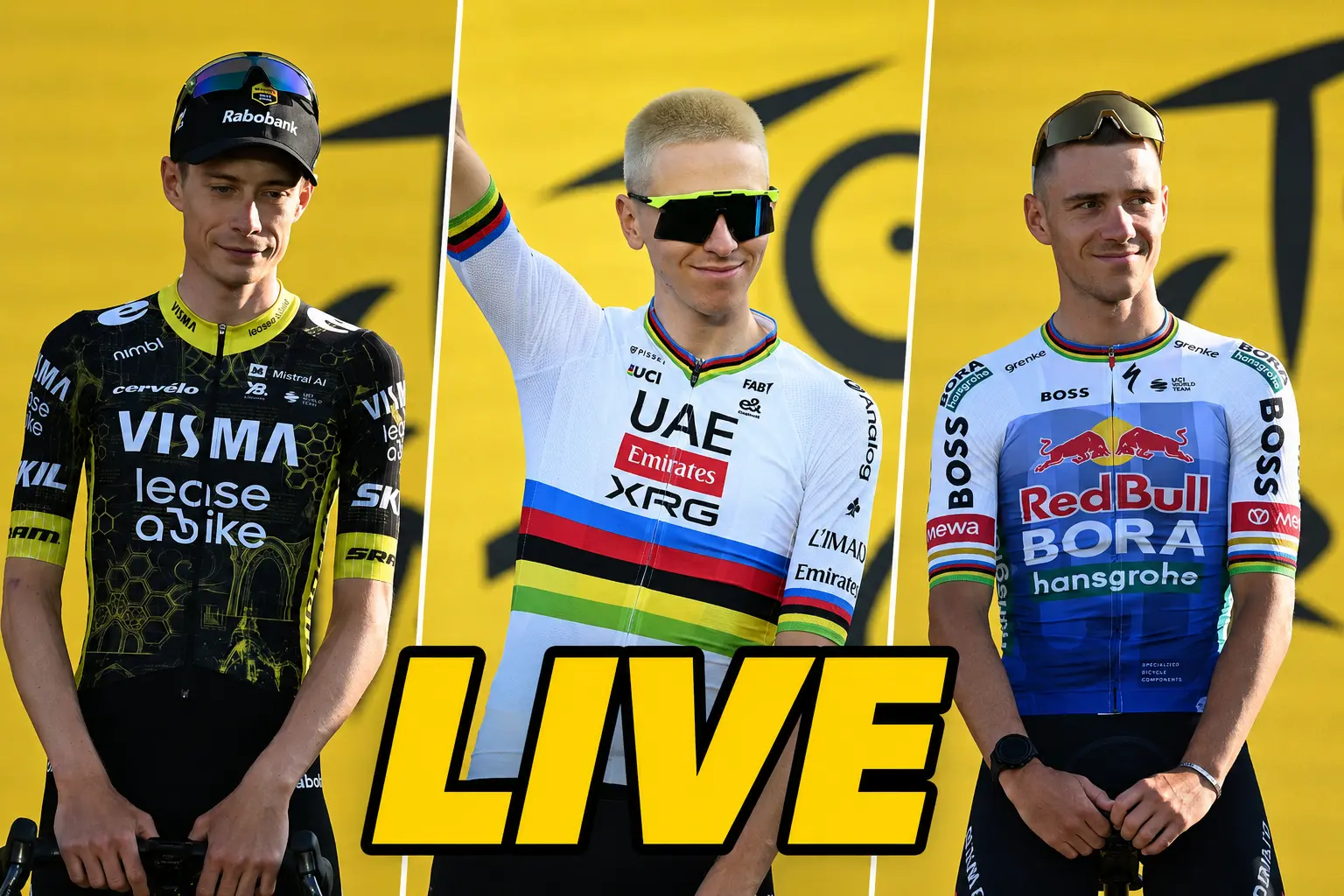
Visma’s plan was built around when not to use Vingegaard
The key part of Visma’s strategy was not simply going all-in from the start. Vingegaard, Davide Piganzoli and Sepp Kuss were protected for the final climbs, while the bigger engines carried more of the flat work through Barcelona.
Heijboer said Visma’s modelling repeatedly pointed towards the same solution: keep the lightest riders fresher, trust the other five on the flatter roads, and avoid spending climbing power before Montjuic. “The models kept showing that we had to save our lightest riders and that on the flat we could rely on the other five riders,” Heijboer explained. “We would not go faster if we rotated with seven.”
That fitted what unfolded on the road. Visma were slightly behind Netcompany INEOS at the first intermediate point, but had moved into the lead by Sagrada Familia and then widened the gap before the Olympic Stadium. By the time the stage reached the decisive part of the course, Vingegaard still had the support he needed.
Other teams had different problems in the finale. UAE Team Emirates – XRG finished with Tadej Pogacar and Isaac del Toro still present at the sharp end, but not fast enough to prevent Pogacar starting the road stages 12 seconds behind Vingegaard. Red Bull – BORA – hansgrohe saw Florian Lipowitz lose contact late, leaving Remco Evenepoel ahead of him in the early GC picture. INEOS were quick enough for second, but Kevin Vauquelin’s puncture ended their yellow jersey chance. Visma’s calculation had held.

Jonas Vingegaard and Victor Campenaerts celebrating Visma's stage win
“Everyone embraced the idea”
Heijboer admitted afterwards that even he had not expected Visma to win the stage. “To be honest, I did not expect us to win,” he said.
The pacing strategy had been discussed with the riders well before the Tour began. Victor Campenaerts was also consulted, giving Visma another time trial specialist’s view before the team committed to the plan. “We had discussed that tactic with our riders some time ago,” Heijboer said. “We also checked with Victor to see what he thought of it.”
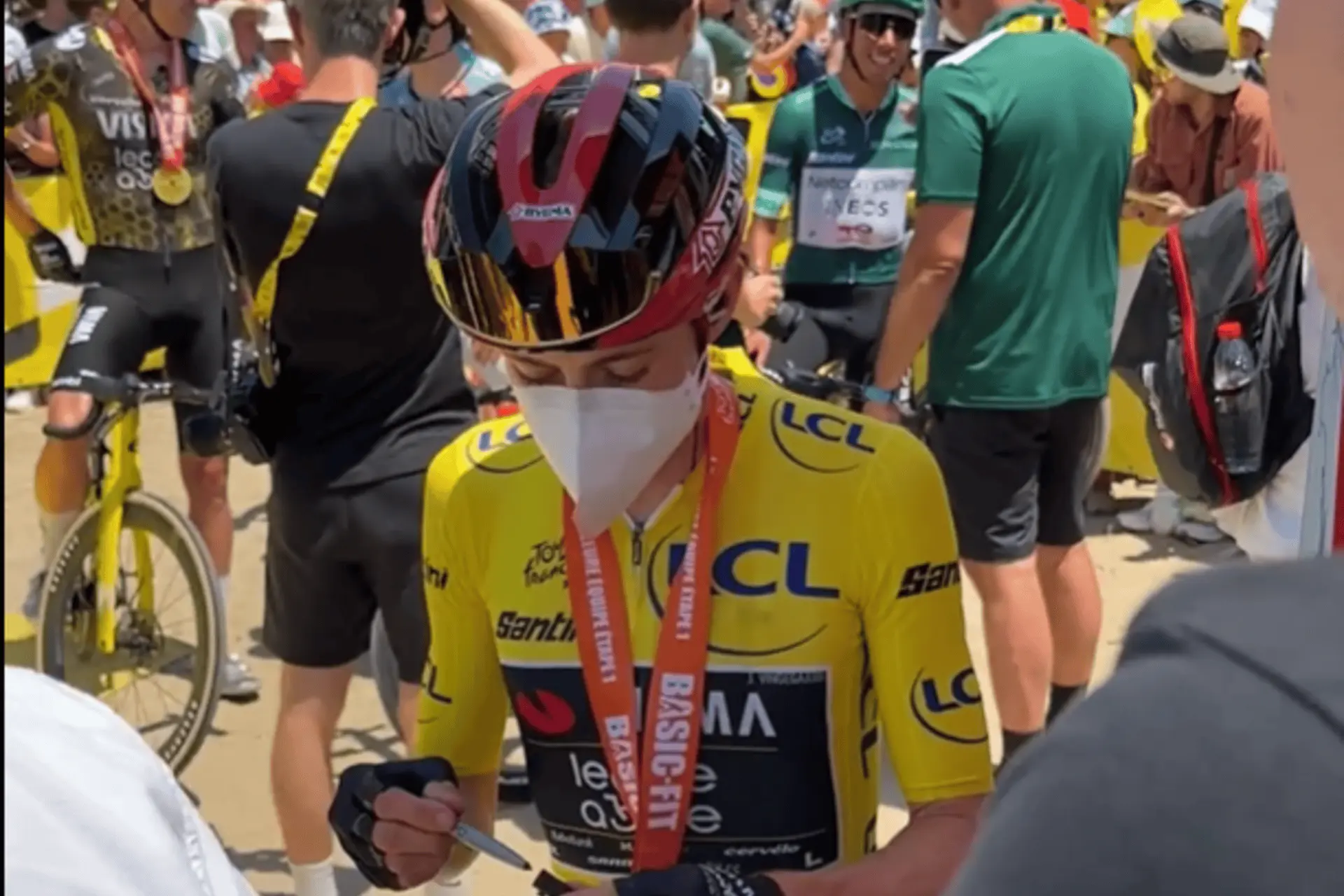
The final version was not purely computer-imposed. The riders still added their own input, but the core idea survived: save Vingegaard, Piganzoli and Kuss for the climbs, rather than asking them to spend energy too early on terrain where other teammates could do the job more efficiently.
“There was still input from the riders, small things they would do differently,” Heijboer added. “But everyone embraced the idea of saving those three riders for the climbs.”
The result was a perfect opening day for Visma: stage victory, Vingegaard back in the Tour de France yellow jersey for the first time since 2023, and early time gained on Pogacar, Juan Ayuso and Evenepoel. The winning pattern had been tested long before the Barcelona clock started.
Kieran WoodDeputy Editor-in-Chief
Kieran Wood is a sports journalist based in Wales and has been active in journalism since 2022. He regularly contributes to DartsNews.com and CyclingUpToDate.com, where he covers professional cycling and darts. In cycling, his work includes liveblogs from major races, including the Tour de France, the Giro d’Italia, and La Vuelta a España, alongside race reports and analysis. He has also conducted interviews with professional riders.
His reporting spans the full racing calendar, from one-day classics to stage races, with a focus on accurate, real-time coverage and clear contextual analysis. For statistics, results, and historical context, he regularly uses resources such as ProCyclingStats. To support reporting on rider activity and training context where relevant, he also references Strava.
In his work, Kieran places strong emphasis on careful sourcing, editorial accuracy, and updating articles as new, verified information becomes available.
claps 0visitors 0
Just in
Popular news
Latest comments
- He didn't even try to sprint all outvappaxbipmv18-10-2026
- Campenaerts looked like a rolling pumpkin with that all orange leaders skinsuit !frieders318-10-2026
- He can take his dumb a$$ politics somehwere else !frieders318-10-2026
- good to have her back. fingers crossed she‘ll be able to stay!Ketterechts17-10-2026
- A tenner and he wins the Tour next year, too 😂anonymouscyclist17-10-2026
- the answer is either stick to classics or GTs but not bothabstractengineer17-10-2026
- the exodus already stared with Ciccone. Already they were struggling with two sprinters, now there are three. Also Ganna will demand leadership. Gall is the most proven GC, Ayuso has the most potential. GC leadership for everybody will be impossible. Literally a UAE style mess without pogi.abstractengineer17-10-2026
- I raced as an amateur for 12 years, including six years on my country’s national road cycling team. I secured two national titles and competed in three World Championships plus more than 15 international stage races. At 23, we travelled to Italy for a training camp—or so I assumed. On a rest day, we watched a presentation about adopting a more “professional” training approach. It was crystal clear what “professional” meant. That moment first exposed me to this dilemma. After returning from Italy, I left cycling—at least at the competitive level I had known. Over the following two years, the whole team was caught doping. I hold that everyone is innocent until proven guilty. In my view, current stakeholders operate on a different scale, and the sums involved are vast. I am unsure whether any doping would ever be revealed. I try to stay positive and enjoy the show. My 2c.
 vannpelt17-10-2026
 - Fiver he wins 🤣
 leedorney17-10-2026
 - “…measures to reduce speeds.” Might as well shorten the race course to just 50km as well? ASO generates at minimum €300m a year and 30- 40% profit. Maybe stop being greedy and spend more of the profit to protect the riders instead.b3tlla17-10-2026
Loading
Write a comment